We have five factories and 23 years of experience in plant extracts
- 0086-571-85302990
- [email protected]




What is the recommended dosage of a quercetin supplement?
2026-08-18
Related Product
Quercetin
We are the leading quercetin manufacturer and also the leading supplier and exporter of quercetin. We specialize in providing natural and organic quercetin to meet your needs.
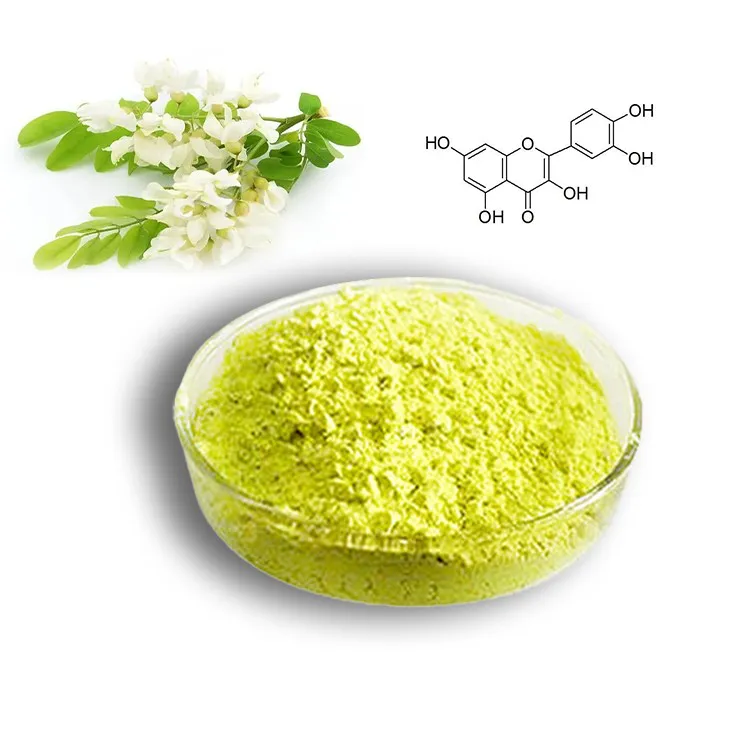
Quercetin is one of the most widely researched flavonoids found in apples, onions, berries, citrus and green tea, and it is a regular part of a balanced diet. Because it acts as a powerful antioxidant that helps neutralize free radicals and support normal inflammatory responses, Quercetin supplements have become a popular choice for people interested in immune, cardiovascular and sports-nutrition support. Yet the question people ask most often is a practical one: what dose should you actually take?
There is no single number that works for everyone, but the research does point to a clear, safe working range. Most over-the-counter Quercetin supplements are sold in doses of 500 to 1,000 mg per day, and this range is the one that appears most frequently in controlled human studies. Understanding why the dose matters, how your body absorbs it, and what can improve that absorption is the key to getting real value from the product.
Why dosage matters for Quercetin
Quercetin belongs to a group of plant polyphenols called flavonoids, which help protect cells from oxidative stress. In research settings, doses anywhere from 100 mg to 1,000 mg per day have been studied, but meaningful benefits in areas such as blood-pressure and circulation support have generally been observed at higher intakes, typically from around 500 mg per day upward. At the same time, more is not always better. Taking far more than your body can absorb rarely adds benefit and can only increase the chance of mild stomach discomfort.
The general recommended range
For most healthy adults, a daily dose of 500 to 1,000 mg, usually divided into once or twice daily, is the most commonly recommended and best-researched target. A daily 500 mg intake is frequently used in long-term clinical trials, including a 12-week study of patients with type 2 diabetes where the supplement was taken after meals and well tolerated. In studies on prostate and urinary support, researchers have used 500 mg taken twice daily. Higher-end intakes of around 1,000 mg have been used in short-term exercise-recovery research. In some countries, such as Canada, the permitted daily amount as a natural-health ingredient goes up to 1,200 mg, provided it is split into two or three doses taken with food.
A quick dose reference for common goals
| Health goal | Typical daily dose | Notes |
|---|---|---|
| General antioxidant & immune support | 500 mg | A dependable daily maintenance dose |
| Cardiovascular / blood-pressure support | 500 mg or higher | Effects mostly seen from about 500 mg/day up |
| Exercise recovery & active training | 500–1,000 mg | Often taken before or after training, shorter cycles |
| Upper margin used in regulatory limits | up to 1,200 mg | Split into 2–3 doses, always with meals |
If you are new to quercetin, starting at 500 mg a day and staying consistent for several weeks is a sensible, evidence-based approach. If you would like to test a higher amount, build up gradually and stay within 1,000 mg unless a healthcare professional advises otherwise.
When and how to take it
When you take quercetin can matter as much as how much you take. Quercetin prepared as quercetin dihydrate is absorbed best when the doses are split rather than taken all at once, and taking it with food helps reduce any risk of stomach upset. Because quercetin has relatively low natural bioavailability, the way you combine it with other ingredients can noticeably improve absorption.
Many well-formulated supplements pair quercetin with vitamin C, bromelain, or citrus bioflavonoids. These complementary compounds are thought to help the body take up and hold quercetin more effectively, which is why they appear again and again in combination products. Taking it alongside a meal that contains a little fat can also support absorption. This is worth remembering when you compare products, because a slightly lower dose in a well-absorbed formula can outperform a higher dose in a poorly absorbed one.
Choosing a quality quercetin product
Because quercetin is a plant-derived ingredient, its quality depends almost entirely on the source. The purest approach is to buy from manufacturers who produce standardized, high-purity quercetin extract under controlled, food-grade conditions rather than from unknown intermediaries. A trustworthy supplier should be able to document its growing and extraction process, offer third-party testing, and hold recognized quality certifications that cover food safety and good manufacturing practice.
Greensky is an experienced manufacturer of natural plant extracts, founded in 2004 and producing high-purity botanical ingredients under a vertically integrated system that covers research, development and production. Its quercetin extract, like its broader plant-extracts line, is produced in clean, food-grade facilities and backed by certifications including ISO22000, BRCGS, ISO9001 and HALAL. For supplement brands that want reliable raw material, the purity and traceability of the active ingredient is where quality is decided. The same sourcing logic applies to the antioxidant extracts you often stack with quercetin, such as pure curcumin from turmeric root, so it pays to choose a partner who demonstrates the same care across the whole catalog.
Safety, side effects and who should take care
Quercetin is generally well tolerated. In clinical use it has not been linked to elevated liver enzymes or clinically apparent liver injury, and the side effects that do appear, such as occasional mild nausea, headache or abdominal discomfort, are usually mild and similar to those seen with placebo. That said, quercetin is not for everyone. Anyone who is pregnant or breastfeeding, taking prescription medications, or managing an ongoing health condition should speak with a doctor before starting a supplement, and should avoid exceeding the recommended range without professional guidance.
The strongest advice is also the simplest: choose a high-quality, standardized quercetin extract from a reputable supplier, start around 500 mg a day with food, split higher doses, and combine it with complementary nutrients that help absorption. Done that way, quercetin is a practical addition to a health routine rather than a gamble on a number.
TAGS:
FAQ
- ▶ Hesperidin
- ▶ Citrus Bioflavonoids
- ▶ Plant Extract
- ▶ lycopene
- ▶ Diosmin
- ▶ Grape seed extract
- ▶ Sea buckthorn Juice Powder
- ▶ Fruit Juice Powder
- ▶ Hops Extract
- ▶ Artichoke Extract
- ▶ Mushroom extract
- ▶ Astaxanthin
- ▶ Green Tea Extract
- ▶ Curcumin
- ▶ Horse Chestnut Extract
- ▶ Other Product
- ▶ Boswellia Serrata Extract
- ▶ Resveratrol
- ▶ Marigold Extract
- ▶ Grape Leaf Extract
- ▶ New Product
- ▶ Aminolevulinic acid
- ▶ Cranberry Extract
- ▶ Red Yeast Rice
- ▶ Red Wine Extract
- ▶ blog
Recommended Products
-
Liposomal Berberine HCl
2026-08-18
-
Rhodiola Rosea Extract
2026-08-18
-
Tongkat Ali Extract
2026-08-18
-
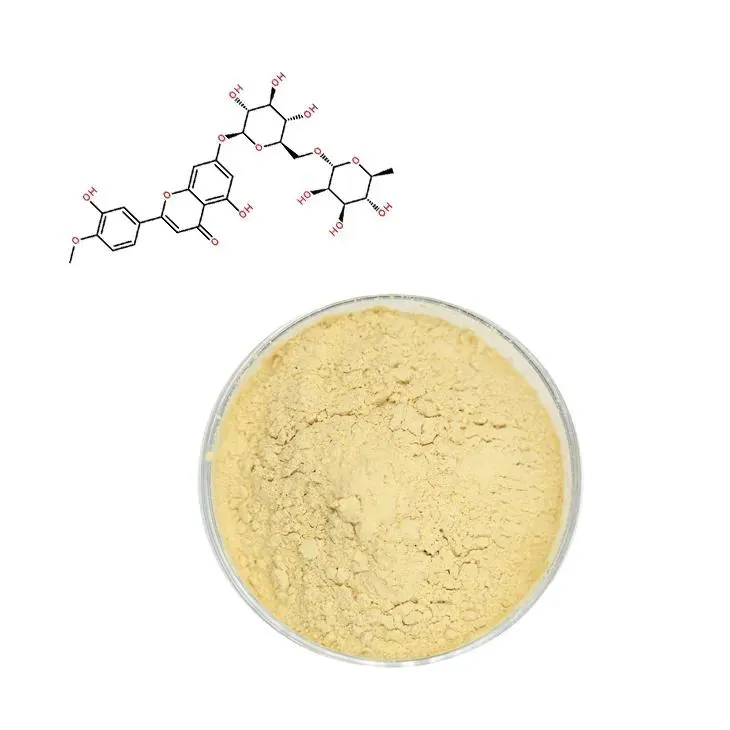
Diosmin
2026-08-18
-
Giant Knotweed Extract
2026-08-18
-
Avocado Extract Powder
2026-08-18
-
Kupilu Extract
2026-08-18
-
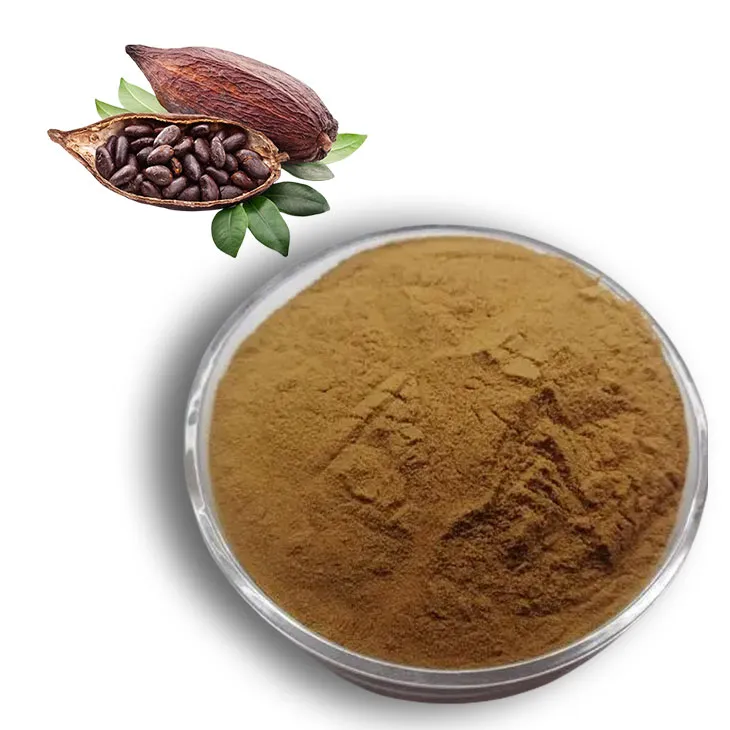
Cocoa Extract
2026-08-18
-
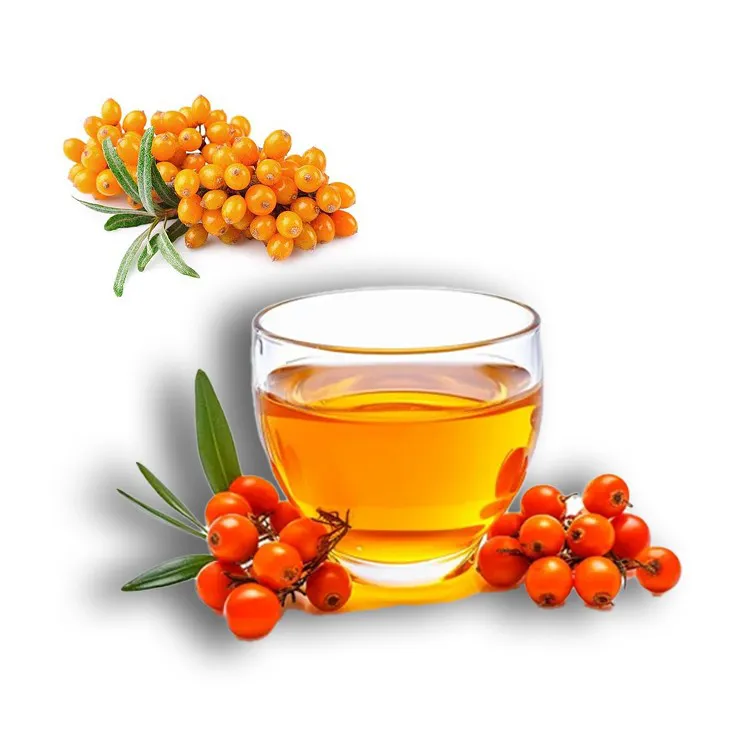
Sea buckthorn oil
2026-08-18
-
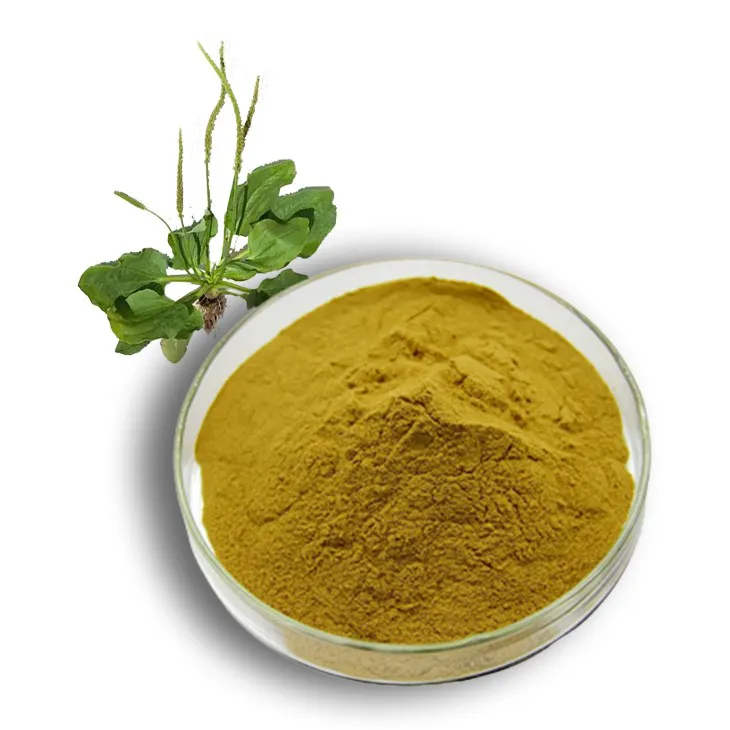
Plantain extract
2026-08-18
Get a Quote