- 0086-571-85302990
- [email protected]




What is the recommended boswellia dosage for arthritis?
2026-08-19
Boswellia serrata, commonly known as Indian frankincense, has been used in Ayurvedic medicine for thousands of years to support joint health and ease everyday discomfort. Today it is one of the most researched botanical ingredients for arthritis, and a growing body of clinical evidence backs its traditional reputation. But there is no single universal dose. The right amount depends on the extract you choose, how it is standardized, and how well your body absorbs it.
The short answer: what dose is recommended for arthritis?
For a standard boswellia serrata extract standardized to 30–65% boswellic acids, the dose most often studied for arthritis is 300–500 mg taken three times daily with meals, for a total of roughly 900–1,500 mg per day. This is the range used in most clinical trials for osteoarthritis and rheumatoid arthritis, and it is generally well tolerated.
If you are using a higher-potency extract standardized to a high AKBA content (for example 20–30% AKBA), a lower dose of 100–250 mg once or twice daily can be effective, because the active compound is more concentrated. Whichever extract you choose, most people need 4–8 weeks of consistent daily use before they notice meaningful results.
Why the recommended dose varies so much
The single most important thing to understand about boswellia dosing is that raw milligrams mean very little without knowing the extract's standardization. Boswellia resin contains a family of active compounds called boswellic acids, and the most pharmacologically potent of these is AKBA (acetyl-11-keto-beta-boswellic acid).
A 100 mg capsule of a high-AKBA extract may deliver more active compound than a 1,000 mg capsule of unstandardized resin powder. This is why clinical trials report effective doses ranging from 100 mg to more than 1,000 mg per day. The variable is not just the milligram count — it is the concentration of active boswellic acids and the formulation's bioavailability.
Dosage by extract type
Clinical trials have used a range of doses depending on the extract. The table below summarizes the most commonly studied protocols for arthritis and related conditions.
| Extract type | Typical daily dose | Notes |
|---|---|---|
| Standard extract (30–65% boswellic acids) | 300–500 mg, 3 times daily | Most studied range for osteoarthritis; take with meals |
| High-AKBA extract (20–30% AKBA) | 100–250 mg daily | Lower dose needed due to higher active content |
| Standard extract for inflammatory bowel conditions | 900–1,200 mg daily | Divided into 2–3 doses; used in IBD trials |
| Upper safety limit | Up to 1,000 mg daily | Used safely in trials lasting up to 6 months |
How to take boswellia for the best results
How you take boswellia can matter as much as the dose itself. Boswellic acids are fat-soluble, so taking the supplement with a meal that contains some fat — a glass of milk, a handful of nuts, or any normal mixed meal — significantly improves absorption. Studies have shown meaningfully higher blood levels of boswellic acids when the supplement is taken with food.
For standard extracts dosed at 300–1,000 mg per day, splitting the dose into two or three administrations throughout the day helps maintain more consistent levels of boswellic acids. High-AKBA extracts at 100–250 mg per day are typically taken as a single daily dose.
Finally, be patient and consistent. Boswellia is not a fast-acting pain reliever. While some people notice improvement within a few weeks, most clinical protocols run for 8–12 weeks. Daily, consistent use is the key to assessing whether it works for you.
Is boswellia safe for long-term use?
Boswellia is generally well tolerated. The most common side effects are mild gastrointestinal symptoms such as nausea, diarrhea, or abdominal discomfort, which occur in a small percentage of users and are usually minimized by taking the supplement with food.
However, boswellia can interact with certain medications. It may increase the effects of blood thinners such as warfarin and aspirin, and it can affect how the liver processes some prescription drugs. For this reason, anyone taking prescription medication should talk to their healthcare provider before starting boswellia. It should also be avoided at medicinal doses during pregnancy, and it is wise to stop taking it at least two weeks before any elective surgery.
Choosing a quality boswellia extract
Because the effectiveness of boswellia depends so heavily on standardization, the quality of the extract matters more than the price or the brand. Look for a product that clearly states its boswellic acid or AKBA content on the label, and choose a supplier that can provide consistent, well-documented material.
For manufacturers and brands looking for a reliable source of the best boswellia serrata extract, working with an experienced plant extract supplier is essential. Hangzhou Greensky Biological Tech. Co., Ltd. is a professional manufacturer of natural plant extracts with more than 20 years of experience. Its Boswellia Serrata Extract is rich in flavonoids and specific boswellic acids, and the company operates its own laboratories equipped with HPLC, GC, and UV testing, along with food-grade production facilities certified to ISO22000, BRCGS, HALAL, and Kosher standards. This level of quality control helps ensure that every batch delivers the active compounds the research is based on.
Final thoughts
For arthritis, the recommended boswellia dose is usually 300–500 mg of a standardized extract taken three times daily with meals, or 100–250 mg daily for high-AKBA formulations. Start with a quality, standardized product, take it consistently with food, and give it at least 4–8 weeks before judging the results. And as with any supplement, check with your healthcare provider first — especially if you take other medications.
- ▶ Hesperidin
- ▶ Citrus Bioflavonoids
- ▶ Plant Extract
- ▶ lycopene
- ▶ Diosmin
- ▶ Grape seed extract
- ▶ Sea buckthorn Juice Powder
- ▶ Fruit Juice Powder
- ▶ Hops Extract
- ▶ Artichoke Extract
- ▶ Mushroom extract
- ▶ Astaxanthin
- ▶ Green Tea Extract
- ▶ Curcumin
- ▶ Horse Chestnut Extract
- ▶ Other Product
- ▶ Boswellia Serrata Extract
- ▶ Resveratrol
- ▶ Marigold Extract
- ▶ Grape Leaf Extract
- ▶ New Product
- ▶ Aminolevulinic acid
- ▶ Cranberry Extract
- ▶ Red Yeast Rice
- ▶ Red Wine Extract
- ▶ blog
-
Andrographis Paniculata Extract Powder
2026-08-19
-
5-HTP (5-Hydroxytryptophan)
2026-08-19
-
Saw Palmetto Extract
2026-08-19
-
Rosemary extract
2026-08-19
-
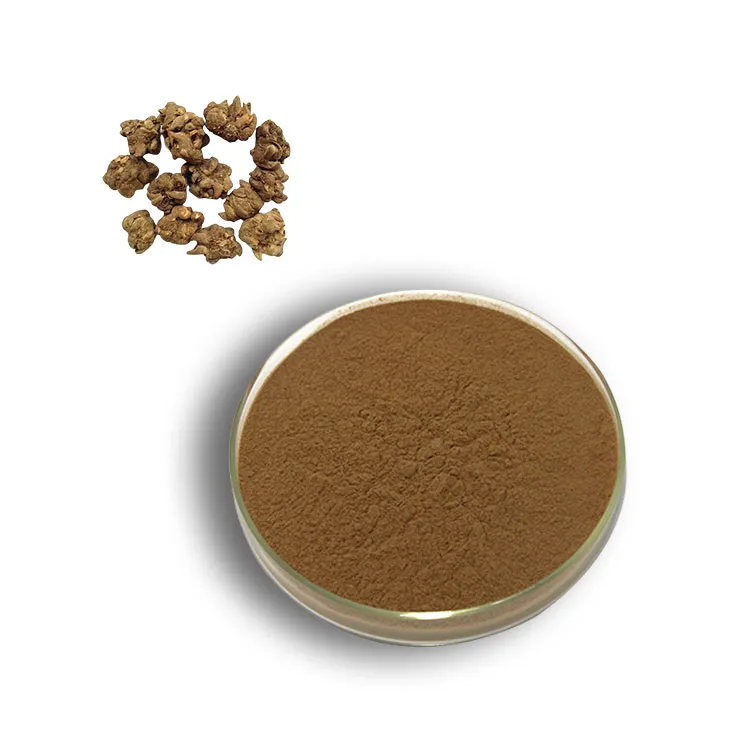
Cat Claw Extract
2026-08-19
-
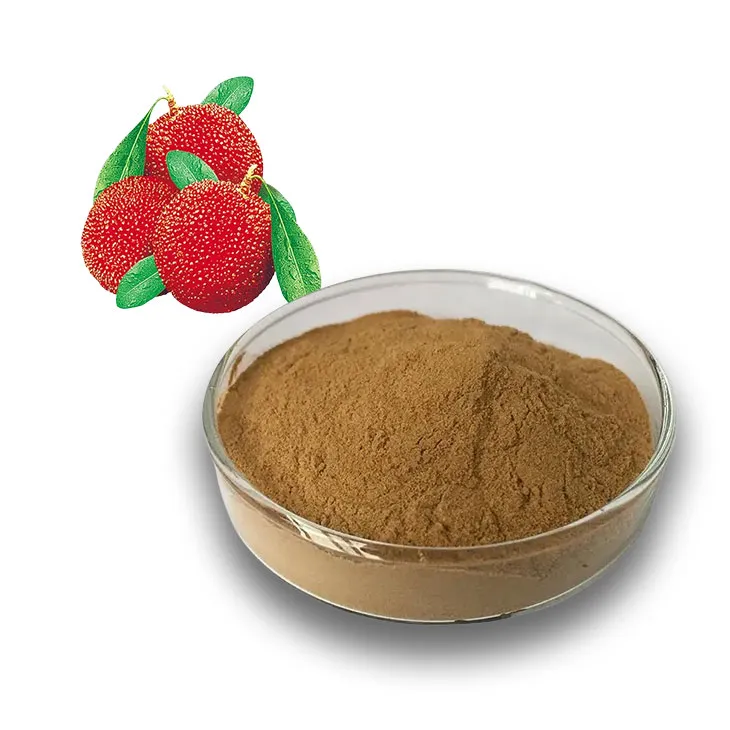
Bayberry Extract
2026-08-19
-
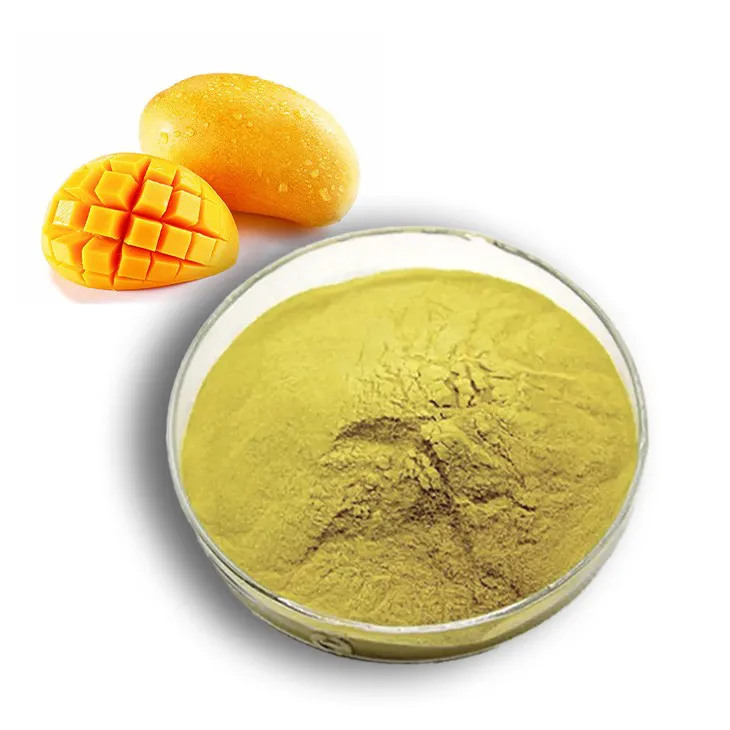
Mango flavored powder
2026-08-19
-
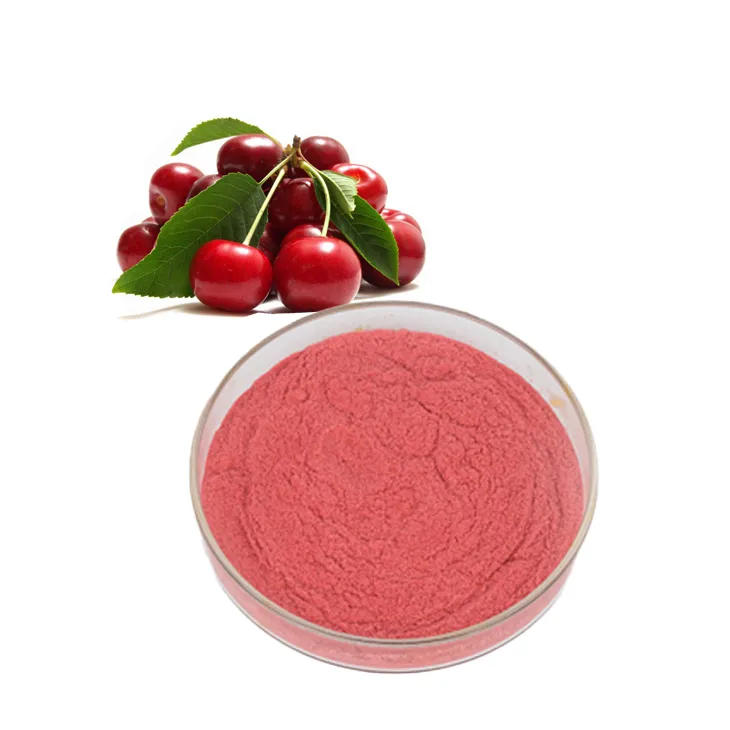
Acerola Extract
2026-08-19
-
Wheat Germ Extract
2026-08-19
-
Peppermint Extract Powder
2026-08-19