- 0086-571-85302990
- [email protected]






What is the purity level of pure stevia extract for food use?
2026-08-13
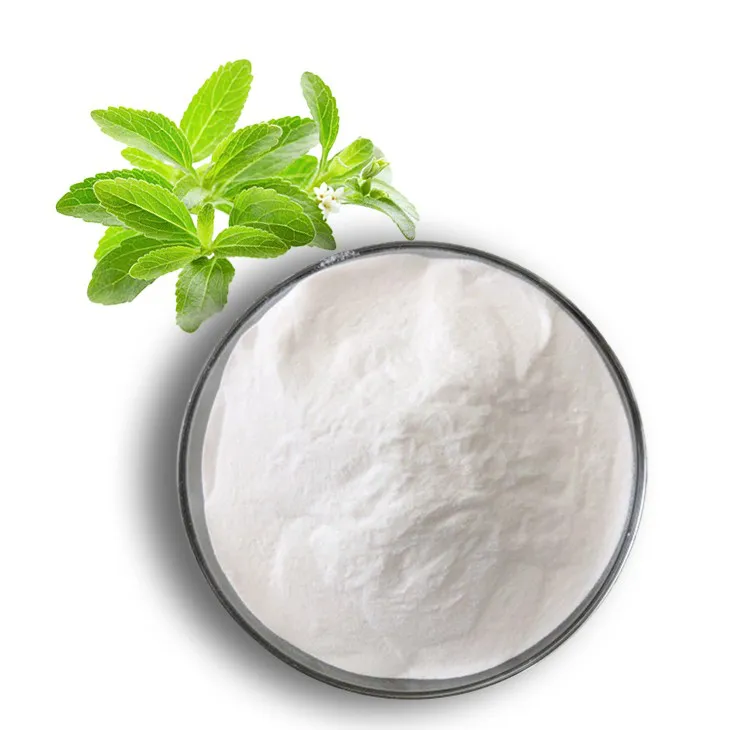
When food manufacturers evaluate a natural sweetener for beverage, bakery, or tabletop applications, one of the first questions they ask is about purity. For stevia, the answer comes down to a single, internationally recognized benchmark: commercial pure stevia extract must contain at least 95% total steviol glycosides on a dry-weight basis. This standard, established by the Joint FAO/WHO Expert Committee on Food Additives (JECFA) and adopted in regulatory frameworks across the United States, the European union, and beyond, is the practical definition of "pure" that food buyers should rely on when sourcing ingredients.
Understanding what this 95% figure means, how different purity grades are expressed, and how to verify it in practice will help food companies select a reliable Stevia Extract supplier. This guide breaks down the key facts.
What does "purity" mean for Stevia Extract?
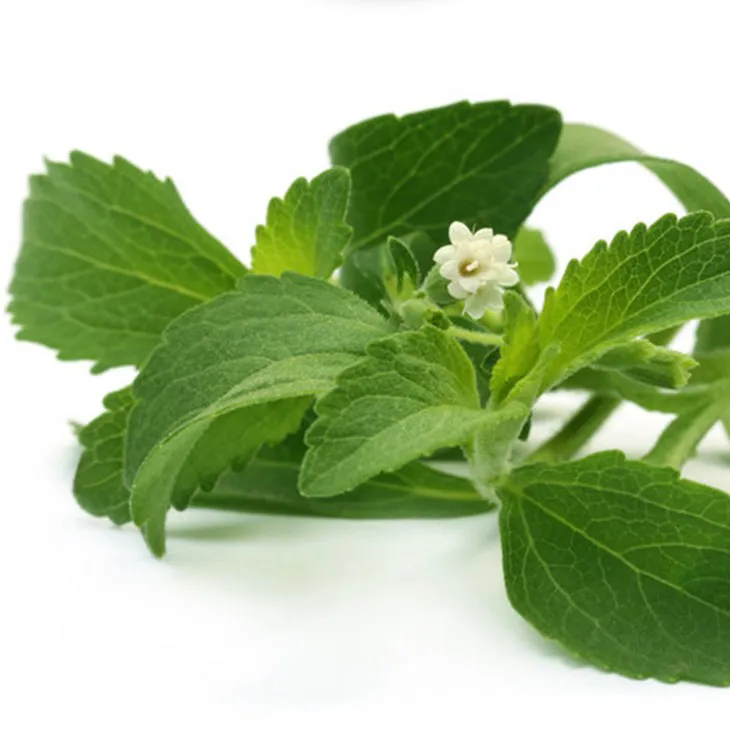
Stevia Extract is produced from the crushed leaves of Stevia rebaudiana (Bertoni), a perennial shrub of the Asteraceae family. The sweetening compounds in the leaf are a group of glycosides derived from the diterpene steviol, collectively called steviol glycosides. The two principal components with the strongest sweetening property are stevioside and rebaudioside A, which are typically accompanied by smaller amounts of rebaudiosides B, C, D, E, F, dulcoside A, rubusoside, and steviolbioside.
Purity, in this context, refers to the summed content of all steviol glycosides present in the final powder. According to the JECFA chemical and technical assessment, the commercial material contains not less than 95% of total steviol glycosides on a dried basis. This means that no more than 5% of the product can be made up of other material, such as residual sugars, water, and food-grade processing aids. When you buy high purity stevia extract that meets the 95% specification, you are purchasing a product that is essentially the sweetening glycosides themselves.
How is stevia extract purity graded?
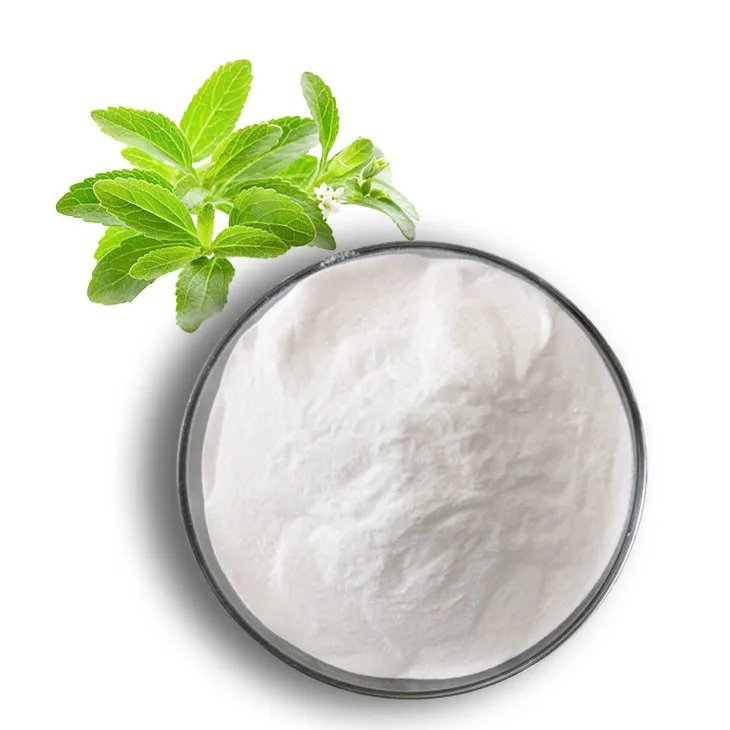
Beyond the 95% total steviol glycosides baseline, suppliers often market grades based on the dominant individual glycoside. The two most common specifications are:
- Rebaudioside A (Reb A) grades — commonly offered at 95%, 97%, and 98% Reb A content. Higher Reb A content generally delivers a cleaner, more sugar-like sweetness with less bitter or licorice aftertaste.
- Stevioside grades — products containing at least 95% stevioside, which tend to have a slightly different sweetness profile and are used in specific formulations.
The JECFA specifications also define additional quality limits that matter for food use: total ash not exceeding 1%, loss on drying not more than 6% (at 105°C for 2 hours), and maximum limits for heavy metals such as arsenic and lead (1 mg/kg each). These parameters, alongside the glycoside purity, together determine whether a stevia extract is suitable for food applications.
Why is purity important for food use?
Purity directly affects both sweetness intensity and product consistency. Steviol glycosides are roughly 200 to 300 times sweeter than sucrose, so even small variations in the glycoside content translate into noticeable differences in sweetness, which can disrupt a formulation. A consistently pure product ensures that a production batch delivers the same sweetness in every run.
Purity also matters for compliance. Regulatory authorities approve steviol glycosides as a food additive with reference to the 95% specification. When a product falls below this threshold, it may be regulated differently, and documentation becomes more complex. Working with a stevia extract manufacturer that can guarantee and document the 95% purity level simplifies regulatory submissions and keeps your supply chain compliant.
How can you verify the purity of stevia extract?
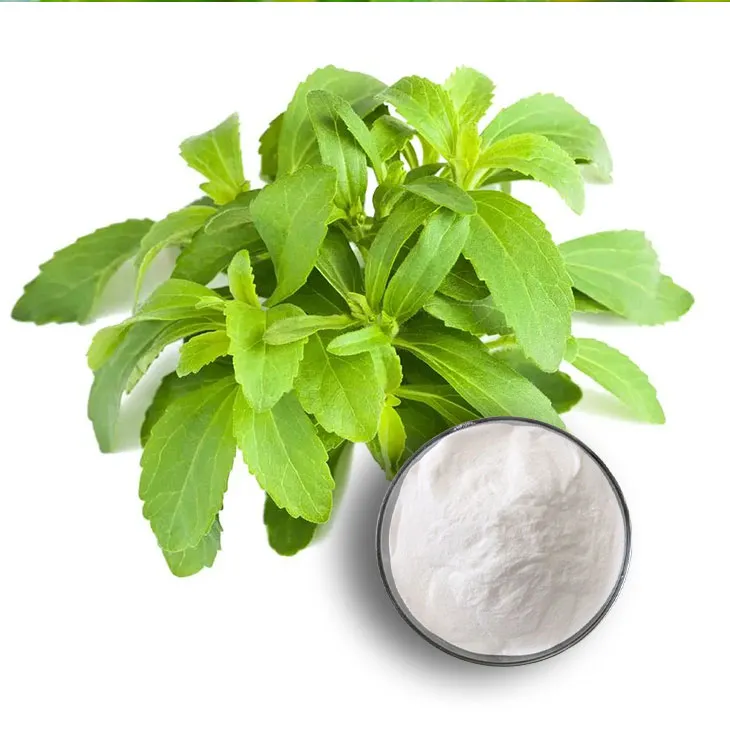
Purity should always be verified through laboratory analysis rather than taken on faith. The standard method is high-performance liquid chromatography (HPLC), which separates and quantifies the individual steviol glycosides in a sample. A reputable supplier provides a Certificate of Analysis (COA) for each batch, showing the total steviol glycoside content, the individual glycoside profile, moisture, ash, and heavy metal results.
When sourcing, ask your supplier for batch-specific COAs, an independent third-party test report, and confirmation of relevant certifications such as ISO22000, BRCGS, HALAL, and Kosher. These documents give you a clear, verifiable picture of the purity and quality of the material you are purchasing.
Choosing a reliable stevia extract supplier
For food manufacturers, the reliability of the supplier is as important as the purity specification itself. A manufacturer with in-house quality control and full vertical integration can offer more consistent products and better documentation. Greensky, a professional plant extract manufacturer founded in 2004 and headquartered in Hangzhou, China, produces stevia extract from Stevia rebaudiana leaves and supplies steviol glycosides to the global food and beverage market.
Greensky operates an independent laboratory equipped with GC, HPLC, and UV instrumentation, and maintains a 100,000-class clean production area that meets food-grade requirements. Its certifications include ISO22000, BRCGS, ISO9001, HALAL, and Kosher, and the company provides export registration and documentation to support regulatory submissions in markets such as the United States, the European union, South Korea, and Russia. For food companies that need consistent, verifiable high purity stevia extract, this combination of manufacturing capability and documentation is a practical advantage.
Stevia extract purity at a glance
| Parameter | Typical specification |
|---|---|
| Total steviol glycosides | ≥ 95% (dry basis, JECFA) |
| Rebaudioside A (common grades) | 95%, 97%, 98% |
| Stevioside (common grade) | ≥ 95% |
| Total ash | ≤ 1% |
| Loss on drying | ≤ 6% (105°C, 2h) |
| Arsenic / Lead | ≤ 1 mg/kg each |
The bottom line
For food use, the purity level of pure stevia extract should be at least 95% total steviol glycosides, with specific grades such as Rebaudioside A available in 95%, 97%, or 98% purity. This standard is backed by JECFA and recognized by regulators worldwide, and it is best verified through HPLC analysis and batch-specific certificates of analysis. By working with a stevia extract manufacturer that combines consistent production, documented quality control, and strong certifications, food companies can source stevia with confidence and keep their formulations compliant and consistent.
TAGS:
- ▶ Hesperidin
- ▶ Citrus Bioflavonoids
- ▶ Plant Extract
- ▶ lycopene
- ▶ Diosmin
- ▶ Grape seed extract
- ▶ Sea buckthorn Juice Powder
- ▶ Fruit Juice Powder
- ▶ Hops Extract
- ▶ Artichoke Extract
- ▶ Mushroom extract
- ▶ Astaxanthin
- ▶ Green Tea Extract
- ▶ Curcumin
- ▶ Horse Chestnut Extract
- ▶ Other Product
- ▶ Boswellia Serrata Extract
- ▶ Resveratrol
- ▶ Marigold Extract
- ▶ Grape Leaf Extract
- ▶ New Product
- ▶ Aminolevulinic acid
- ▶ Cranberry Extract
- ▶ Red Yeast Rice
- ▶ Red Wine Extract
- ▶ blog
-
Aguaje Extract
2026-08-13
-
Pueraria Lobata Extract
2026-08-13
-
Almond Extract Powder
2026-08-13
-
Green Tea Extract
2026-08-13
-
Konjac Powder
2026-08-13
-
Elderberry Extract
2026-08-13
-
Gynostemma pentaphyllum extract
2026-08-13
-
Black Seed Extract
2026-08-13
-
Medicinal Marshmallow Extract
2026-08-13
-
Propolis Extract Powder
2026-08-13
