- 0086-571-85302990
- [email protected]






What is the minimum order quantity for plant extract wholesale purchases?
2026-08-14
If you are sourcing botanical ingredients for a supplement brand, a functional food line, or a cosmetics range, one of the first questions you will ask a potential partner is about the minimum order quantity (MOQ). The answer shapes how much capital you need to commit, how quickly you can bring a new product to market, and how flexible your supply chain can be. For plant extract wholesale purchases, MOQs vary widely depending on the supplier type, the product, and the specification you need. This guide explains what to expect, what drives the numbers, and how to negotiate terms that fit your business.
What Is an MOQ and Why Does It Matter?
An MOQ is the smallest order quantity a supplier is willing to accept for a given product. For buyers, it directly affects cash flow, inventory risk, and how much you can afford to spend on testing a new formula. For manufacturers, the MOQ exists for practical reasons: raw materials must be purchased in workable volumes, extraction runs need to fill production tanks, and every batch has to pass quality testing before it can be released. When a supplier sets an MOQ, they are balancing their production economics against your ability to buy.
Understanding MOQ is especially important in the botanical ingredients trade because extracts are not interchangeable commodities. A standardized extract with a defined marker compound, a specific ratio, and a documented specification is a different product from a generic powder. That is why serious buyers compare MOQs alongside specification sheets, certificates of analysis, and certifications rather than looking at price alone.
Typical MOQ Ranges in the Plant Extract Market
The plant extract market is served by different types of companies, and each one tends to operate with a different MOQ. Knowing where your supplier sits in this spectrum helps you set realistic expectations before you start negotiating.
| Supplier Type | Typical MOQ | Trial Order | Unit Price | Customization |
|---|---|---|---|---|
| Large integrated manufacturer | 500-1,000 kg | 100-200 kg | Lowest | High |
| Mid-size extraction plant | 100-500 kg | 50-100 kg | Low | Moderate |
| Merchant exporter / trader | 25-100 kg | 25 kg | Higher | Limited |
| Distributor / reseller | 1-5 kg | 1 kg | Highest | None |
As a rule, the lower the MOQ, the higher the per-unit price, because the supplier has to recover setup, testing, and handling costs from a smaller order. The opposite is also true: buying directly from a manufacturer in larger volumes unlocks the best pricing. Many buyers find that a mid-size extraction plant offers the best balance of flexibility and cost, especially when they are still growing their volumes.
What Drives the MOQ?
Several factors determine why one product has an MOQ of 25 kg while another starts at 500 kg. Understanding these drivers lets you predict and negotiate more effectively.
Product type and specification. Standardized extracts with common marker levels, such as Grape Seed Extract or Green Tea Extract, are produced in large continuous runs, so manufacturers can offer lower MOQs. Highly specialized or custom-specified products require dedicated production planning and therefore carry higher minimums.
Raw material cost and seasonality. Botanicals are agricultural products. When a raw material is expensive, scarce, or seasonal, the manufacturer must secure enough material to justify a production run, which pushes the MOQ up. Conversely, abundant raw materials allow for more flexible order sizes.
Production batch size. Extraction equipment is designed around tank capacities. A production run that only fills a fraction of a tank is inefficient, so manufacturers naturally set MOQs that align with their equipment. A facility with multi-ton extraction tanks, for example, will think in terms of hundreds of kilograms per batch.
Customization and OEM work. If you need a custom potency, a specific particle size, or private-label packaging, the supplier has to adjust the process and run additional quality checks. Custom work almost always raises the MOQ, while standard off-the-shelf products are more flexible.
Testing and certification costs. Every batch is tested for markers, heavy metals, solvents, and microbiology. These tests cost money regardless of batch size, so smaller orders carry a higher testing burden per kilogram. Suppliers with in-house laboratories can manage this more efficiently and offer more favorable terms.
Trial Orders vs. Formal Orders
Most reputable manufacturers separate trial orders from formal production orders. A trial order is a small quantity, typically 25-100 kg depending on the product, used to verify quality, specification, and packaging before you commit to a larger volume. It is a low-risk way to confirm that the extract meets your formula requirements and that the supplier delivers what they promise.
A formal order is the commercial quantity you purchase for regular production. Formal orders usually qualify for volume pricing and may allow for scheduled deliveries. A common strategy is to place a trial order first, evaluate the product in your own quality control, and then negotiate the formal order based on the results. Suppliers who are confident in their quality are generally happy to support this approach.
How to Negotiate a Lower MOQ
MOQs are not always fixed. With the right approach, you can often secure more flexible terms, especially when you are dealing directly with a manufacturer.
Consolidate multiple products. If you need several extracts, ask whether you can combine them into a single order to reach the MOQ. Many manufacturers allow you to mix different products within one shipment, which lets you test multiple ingredients without committing to a large volume of each.
Commit to a schedule. A supplier is more willing to lower the MOQ when you commit to repeat orders over a defined period. A quarterly or annual purchasing plan gives the manufacturer production visibility and reduces their risk, which they may pass on to you in the form of smaller minimums.
Accept standard specifications. Custom work raises costs and MOQs. If you can work with a standard specification that is already in the manufacturer's catalog, you will almost always get a lower minimum and a better price.
Plan ahead and order off-peak. Raw material availability follows harvest seasons. Ordering when raw materials are abundant can help the manufacturer schedule efficiently and offer more flexible terms.
Work directly with a manufacturer. The most effective way to lower your MOQ is to remove the middleman. When you buy directly from a plant extract supplier that owns its production facilities, there is no trader markup and no minimum imposed by an intermediary, so the manufacturer has more room to accommodate your needs.
Why Buying Directly from a Manufacturer Helps
The structure of the supplier matters as much as the MOQ itself. A vertically integrated manufacturer controls the entire chain, from raw material sourcing to extraction, testing, and export documentation. This control translates directly into better terms for buyers.
Greensky, for example, is a professional manufacturer of natural plant extracts established in 2004 and headquartered in Hangzhou, China. With over 20 years of experience and five wholly owned subsidiaries, the company handles research, development, production, and sales within one group. Its production base includes a 100,000-class clean area that meets food-grade requirements, an independent laboratory equipped with GC, HPLC, and UV instruments, and processing equipment such as multi-ton extraction tanks, high-efficiency low-temperature concentrators, and spray drying towers. Because the company controls production in-house, it can offer buyers more flexible order sizes and faster feedback on specifications than a reseller ever could.
Quality assurance is another reason to buy directly. Greensky holds ISO22000, BRCGS, Ecocert Organic, SGS-GMP, ISO9001, HALAL, and Kosher certifications, and it maintains export registration and documentation for global regulatory submissions. Its catalog spans roughly 172 products, including plant extracts, functional red yeast rice, medical intermediates, and health product raw materials, with bestsellers such as Uridine-5'-monophosphate, Diosmin, Grape Seed Extract, and Curcumin. For buyers, this means one qualified partner can supply a broad range of ingredients while keeping MOQs practical and quality traceable.
Questions to Ask Before You Commit
Before you place an order, confirm the details that protect your business and your product quality.
Can you provide a certificate of analysis for the batch? A COA confirms the extract's potency, purity, and absence of contaminants such as heavy metals and pesticides. If a supplier hesitates to share one, treat that as a red flag.
Where are your raw materials sourced, and can you trace them? The quality of an extract depends on the plant's origin. A manufacturer that can trace its botanicals back to the farm is more likely to deliver consistent quality.
What extraction method do you use? Different methods preserve different compounds. Confirm that the method suits your product, whether it is a gentle process for cosmetics or a cost-efficient one for supplements.
Which certifications do you hold? GMP, ISO, HALAL, Kosher, and organic certifications matter depending on your target market. Ask for copies and verify them.
What is your lead time, and what happens if there is a delay? Understand the production schedule and ask about contingency plans so a delay does not halt your own production.
What is your trial order policy? A clear trial order process shows that the supplier is confident in its quality and willing to work with buyers at an early stage.
Final Thoughts
There is no single MOQ that fits every plant extract purchase. The right number depends on your volume, your product specifications, and the type of supplier you choose. Start by defining what you need, compare offers from different types of suppliers, and use trial orders to de-risk your first purchase. When you are ready to scale, working directly with an experienced plant extract manufacturer gives you the best combination of flexible minimums, competitive pricing, and verifiable quality. With the right partner, the MOQ becomes less of a barrier and more of a starting point for a long-term supply relationship.
- ▶ Hesperidin
- ▶ Citrus Bioflavonoids
- ▶ Plant Extract
- ▶ lycopene
- ▶ Diosmin
- ▶ Grape seed extract
- ▶ Sea buckthorn Juice Powder
- ▶ Fruit Juice Powder
- ▶ Hops Extract
- ▶ Artichoke Extract
- ▶ Mushroom extract
- ▶ Astaxanthin
- ▶ Green Tea Extract
- ▶ Curcumin
- ▶ Horse Chestnut Extract
- ▶ Other Product
- ▶ Boswellia Serrata Extract
- ▶ Resveratrol
- ▶ Marigold Extract
- ▶ Grape Leaf Extract
- ▶ New Product
- ▶ Aminolevulinic acid
- ▶ Cranberry Extract
- ▶ Red Yeast Rice
- ▶ Red Wine Extract
- ▶ blog
-
melatonin
2026-08-14
-
Lily extract
2026-08-14
-
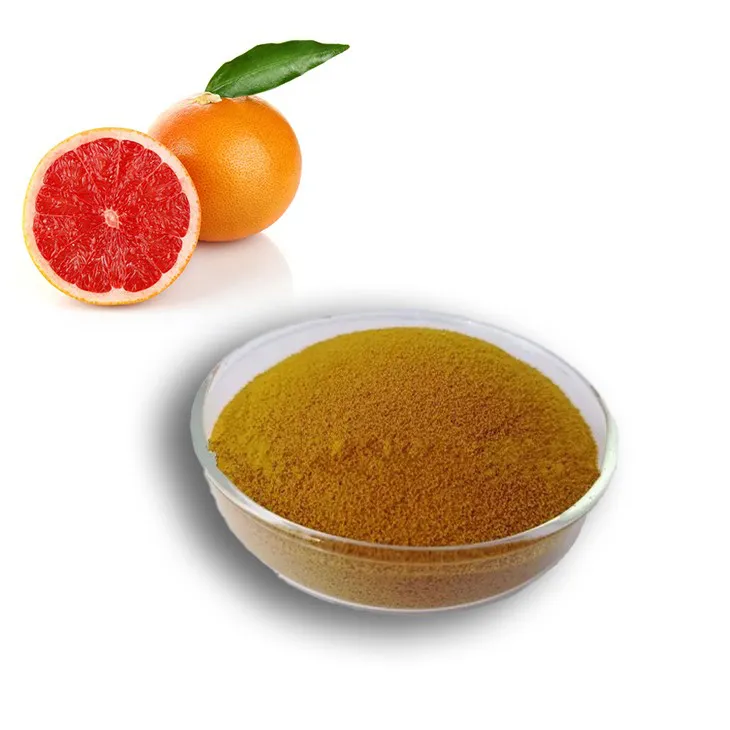
Grapefruit Seed Extract Powder
2026-08-14
-
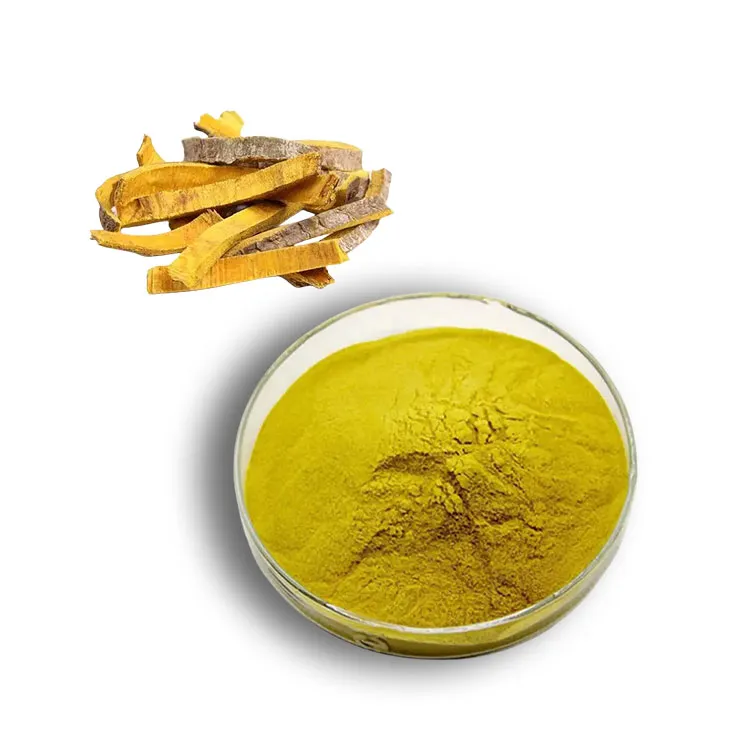
Phellodendron Extract
2026-08-14
-
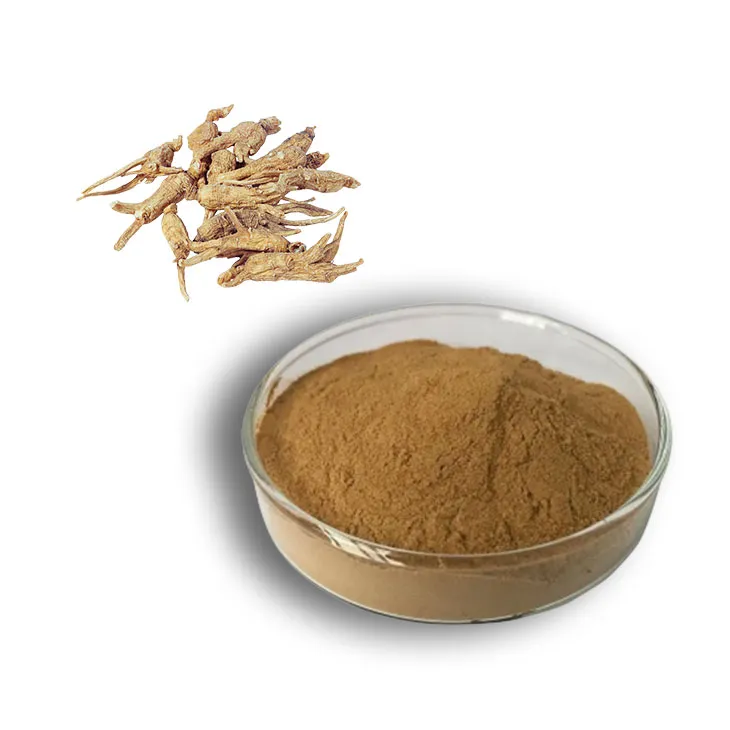
Angelica sinensis extract
2026-08-14
-
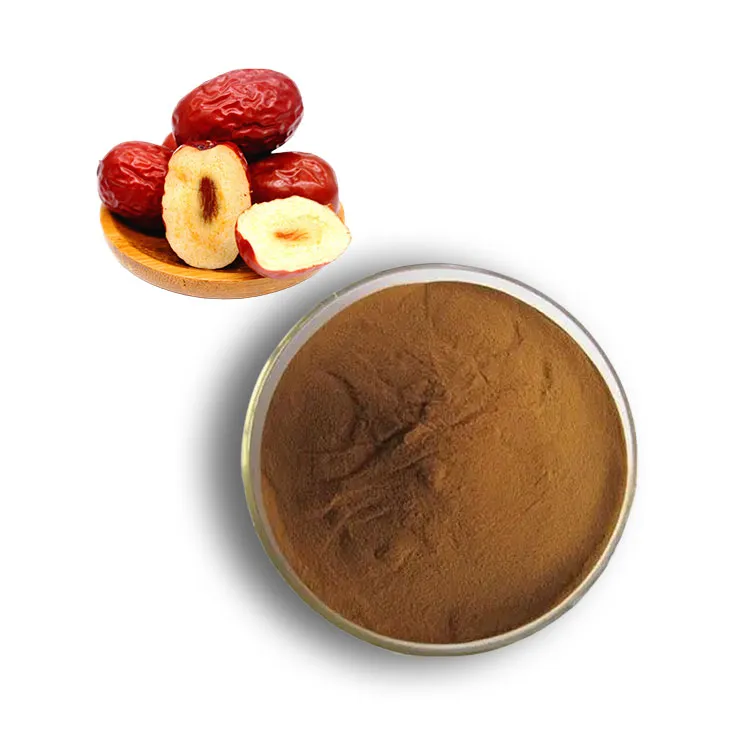
Red Date Extract
2026-08-14
-
Gamma-Aminobutyric Acid
2026-08-14
-
Liposomal NMN
2026-08-14
-
Sea buckthorn Juice Powder
2026-08-14
-
Avocado Extract Powder
2026-08-14
