- 0086-571-85302990
- [email protected]






What is the lycopene content in tomato powder?
2026-08-14
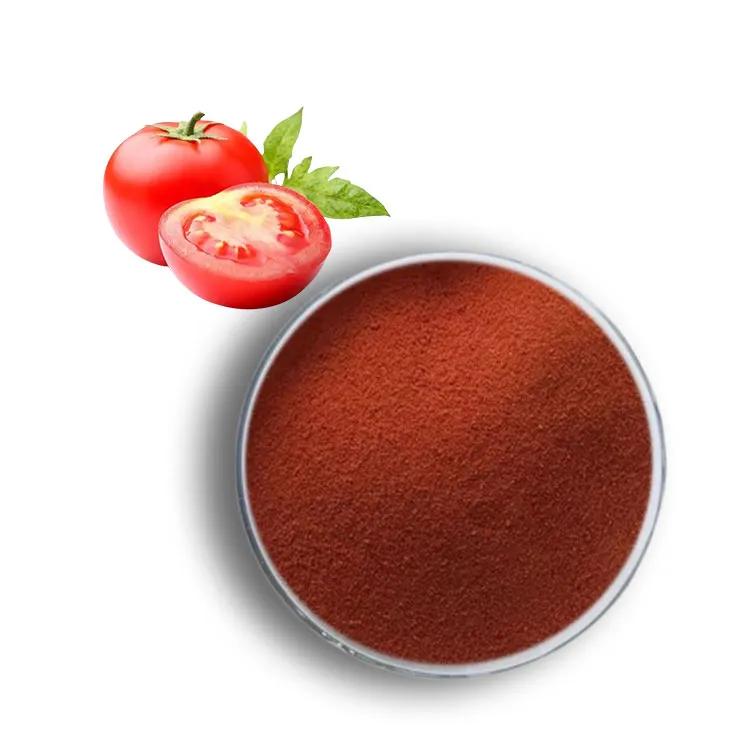
If you are a food or dietary supplement manufacturer comparing ingredient sources, one of the first questions you will ask is how much Lycopene is actually in tomato powder. The short answer is that the level is not fixed: it depends on the tomato variety, ripeness, growing conditions, and especially on how the powder is dried and processed. In practice, most tomato powders land in a range of roughly 20–25 mg of Lycopene per 100 g, but the exact figure can swing noticeably depending on the production method.
This matters because Lycopene is the deep-red carotenoid that gives tomatoes their color and is one of the reasons the fruit is so widely studied for cardiovascular and immune support. Understanding the real lycopene content of tomato powder helps you decide whether this ingredient fits your product, or whether a standardized lycopene extract would be a more reliable choice.
What does the data actually show?
Published research gives a good picture of what to expect. In a 2018 study in Food Science & Nutrition, researchers measured cherry and plum tomato powders dried at different temperatures and found lycopene values ranging from about 211 to 246 mg/kg, which converts to roughly 21 to 25 mg per 100 g. The same paper noted that tomato paste can range far more widely, from about 105 to 923 mg/kg, because concentration during processing varies so much.
The key takeaway is that the drying temperature matters. In the study, powders dried at around 65°C tended to show higher lycopene than those dried at 70°C, and gentler, well-controlled drying helps preserve the pigment. Heat and oxygen are the main enemies of both lycopene and the vitamin C in tomato powder, so a manufacturer that keeps processing conditions stable will produce a more consistent ingredient.
Why the number varies so much
Tomato powder is a whole-food ingredient, so its lycopene content is naturally variable. The biggest drivers include:
- Variety and ripeness. Ripe, deep-red tomatoes carry more lycopene than pale or under-ripe fruit, and different cultivars simply differ.
- Drying method. High temperature and long exposure to oxygen degrade the pigment, so spray-dried and low-temperature-dried powders behave differently.
- Concentration ratio. How much water is removed, and whether skins and seeds are included, changes the final lycopene load quite a lot.
Because of this variability, relying on a whole tomato powder when you need a guaranteed dose can be frustrating. If your formula calls for a specific lycopene level, a standardized ingredient gives you far more control over the label claim.
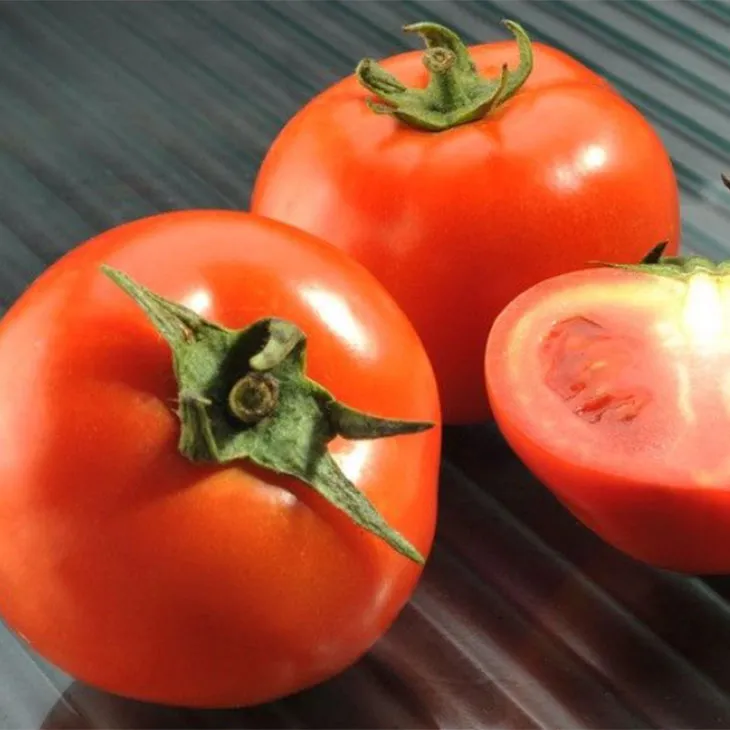
Tomato powder vs. standardized lycopene extract
Tomato powder is appealing when you want a whole-food profile with natural fiber, sugars, and other nutrients alongside the color and antioxidants. A lycopene supplement built on a standardized extract, by contrast, is selected when consistency and potency matter more than the whole-food matrix. For supplements, cosmetics, and functional foods where a clear per-serving lycopene figure is required, a standardized extract is usually the more dependable route.
For producers who want the best of both worlds, a trusted supplier can provide both whole tomato powder and a concentrated extract, and will share a certificate of analysis so you know exactly what you are buying.
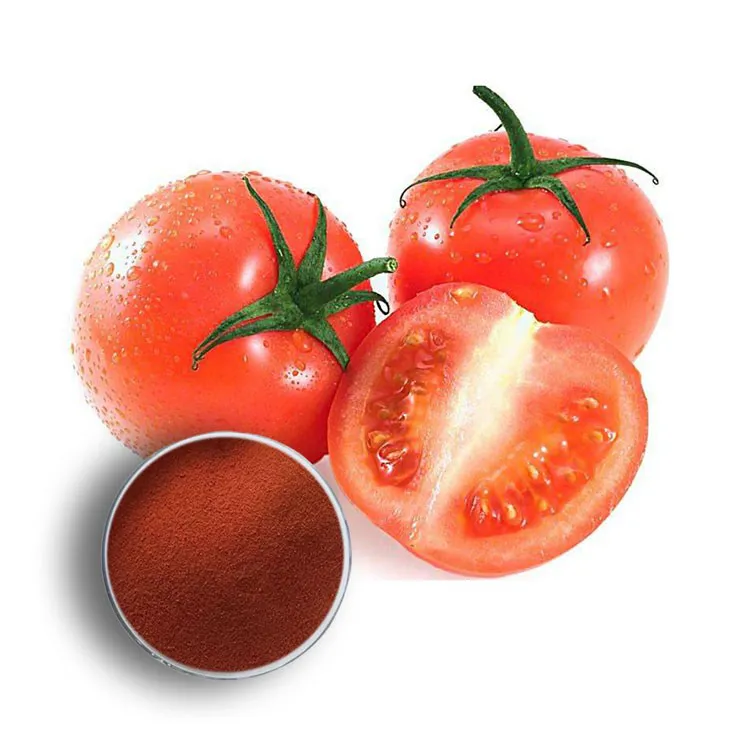
Choosing a consistent source
When you need lycopene for a commercial formula, the supplier matters as much as the ingredient itself. Greensky, a Hangzhou-based plant extract manufacturer operating since 2004, produces botanical ingredients under ISO22000, BRCGS, and HALAL quality systems, with an in-house laboratory and vertical integration from research to production. That is the kind of traceability that helps you lock in a consistent lycopene level batch after batch.
For bulk purchasing, buyers typically compare china lycopene powder suppliers on documentation, purity, heavy-metal compliance, and ability to deliver a stable specification. Requesting a certificate of analysis and a sample before you commit is standard practice, and it protects your own product label.
In the end, the lycopene content in tomato powder is best understood as a range rather than a single number. If consistency is your priority, a standardized extract is the safer choice; if you want a whole-food profile, accept that tomato powder will vary and work with a supplier who can document the actual value.
TAGS:
- ▶ Hesperidin
- ▶ Citrus Bioflavonoids
- ▶ Plant Extract
- ▶ lycopene
- ▶ Diosmin
- ▶ Grape seed extract
- ▶ Sea buckthorn Juice Powder
- ▶ Fruit Juice Powder
- ▶ Hops Extract
- ▶ Artichoke Extract
- ▶ Mushroom extract
- ▶ Astaxanthin
- ▶ Green Tea Extract
- ▶ Curcumin
- ▶ Horse Chestnut Extract
- ▶ Other Product
- ▶ Boswellia Serrata Extract
- ▶ Resveratrol
- ▶ Marigold Extract
- ▶ Grape Leaf Extract
- ▶ New Product
- ▶ Aminolevulinic acid
- ▶ Cranberry Extract
- ▶ Red Yeast Rice
- ▶ Red Wine Extract
- ▶ blog
-
Apricot Powder
2026-08-14
-
Fenugreek Extract Powder
2026-08-14
-
Mulberry Extract
2026-08-14
-
Kidney Bean Extract
2026-08-14
-
Passionflower Extract
2026-08-14
-
Shikonin
2026-08-14
-
Yohimbine Bark Extract
2026-08-14
-
Almond Extract Powder
2026-08-14
-
Calendula Extract
2026-08-14
-
Plantain extract
2026-08-14
