- 0086-571-85302990
- [email protected]






What is the grape seed extract fertility research evidence?
2026-08-14
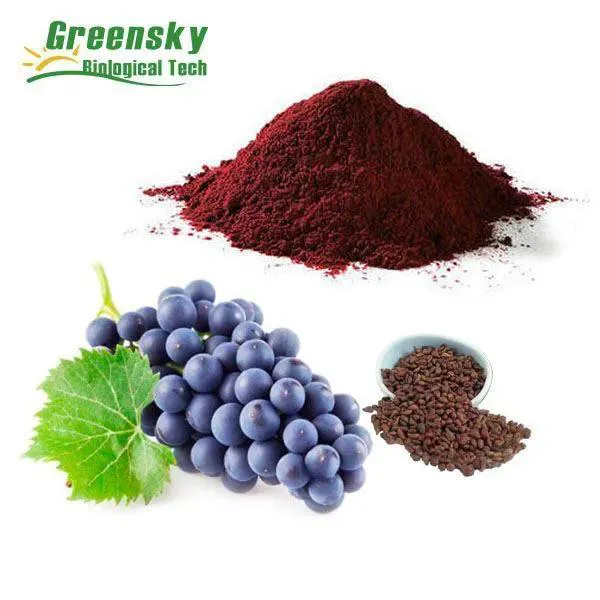
Grape Seed Extract is one of the most studied botanical ingredients in the health and supplement industry, and in recent years a growing body of research has turned to a question that goes beyond cardiovascular and skin benefits: does it have any real evidence behind fertility support? The short answer is that the science is still early, but several laboratory and animal studies point to meaningful mechanisms related to oxidative stress, hormone balance, and sperm health. This article takes a clear-eyed look at what the grape seed extract fertility research actually shows, what it means for you, and what to look for if you are considering it.
Why Grape Seed Extract is linked to fertility at all
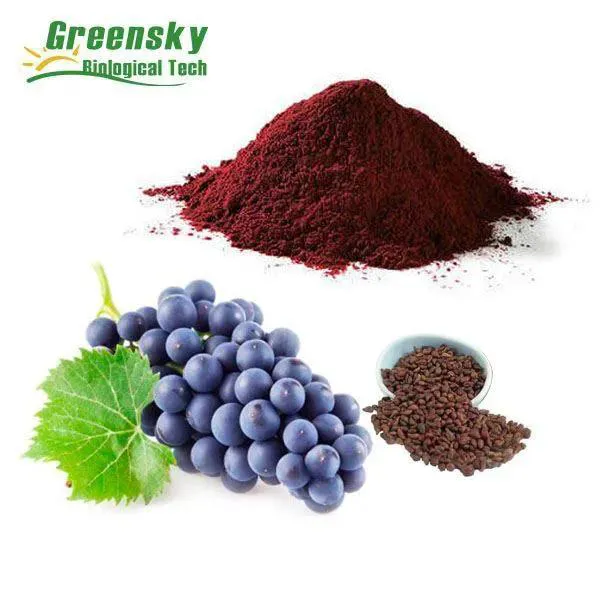
The connection starts with proanthocyanidins, a group of polyphenolic compounds concentrated in the seeds of grapes (Vitis vinifera). These molecules are powerful free-radical scavengers, and some comparative work has described grape seed proanthocyanidins as more effective antioxidants than either ascorbic acid (vitamin C) or vitamin E in neutralizing free radicals. Because oxidative stress is widely recognized as a factor that can impair both egg quality and sperm quality, an antioxidant ingredient that helps the body keep reactive oxygen species (ROS) in check has an obvious theoretical role in fertility. That is the premise behind most of the research discussed below.
What the evidence says about female fertility
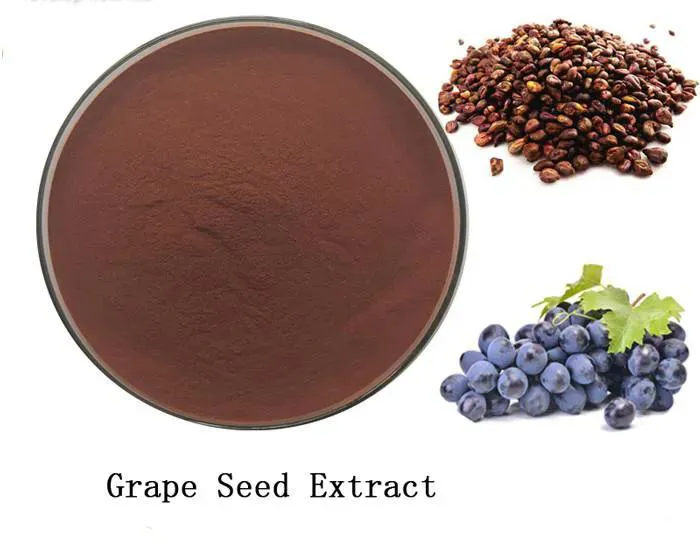
The most directly relevant human-cell study was published in the International Journal of Molecular Sciences in 2019. Researchers tested Grape Seed Extract and its main active dimer, proanthocyanidin B2, on human granulosa cells, the supportive cells that surround and nurture the egg in the ovary. At what the authors described as low to moderate concentrations, both compounds reduced the reactive oxygen species content in the cells and increased steroidogenesis, meaning the cells produced more of the hormones, including progesterone and estradiol, that are essential for normal reproductive function. Importantly, at these levels the treatment did not reduce cell proliferation or viability. The same study also raised a caution that is worth understanding: at very high concentrations, the compounds could slow cell growth and even trigger cell death, so the dose matters considerably.
Broader reviews of grape polyphenols, including resveratrol, proanthocyanidin B2, and delphinidin, have highlighted their influence on multiple signaling pathways tied to reproductive hormones, steroid hormone receptors, and the balance between oxidative stress, inflammation, and cell survival. This has positioned grape-derived compounds as a topic of interest in conditions such as polycystic ovary syndrome (PCOS), ovarian ischemia, age-related reproductive decline, and menopausal syndrome. These are associations and early-stage findings rather than established clinical treatments, but they explain why the ingredient keeps appearing in fertility research.
What the evidence says about male fertility
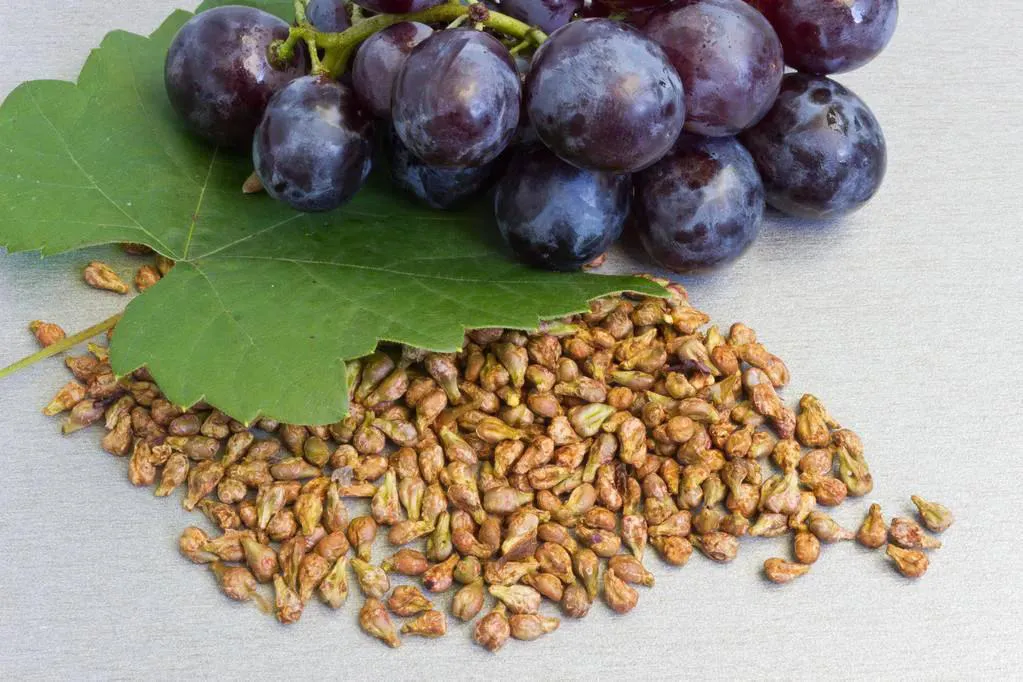
On the male side, the evidence largely comes from animal models. In a study where testicular dysfunction was induced in rats with aluminium chloride, grape seed extract increased sperm count, viability, and sperm motility, and it helped protect sperm cells against DNA damage. The extract also appeared to limit the harmful invasion of nitric oxide into the reproductive tissue. Another rat study looked at a high-fat-diet model of testicular injury and found that grape seed extract strengthened the fertility-enhancing effect of a statin drug through antioxidant and anti-apoptotic mechanisms. Both studies attribute the benefits to the extract's ability to counter oxidative stress and protect sperm cells from programmed cell death, which are plausible biological explanations for how the ingredient could support male reproductive health.
Animal studies broaden the picture but need interpretation
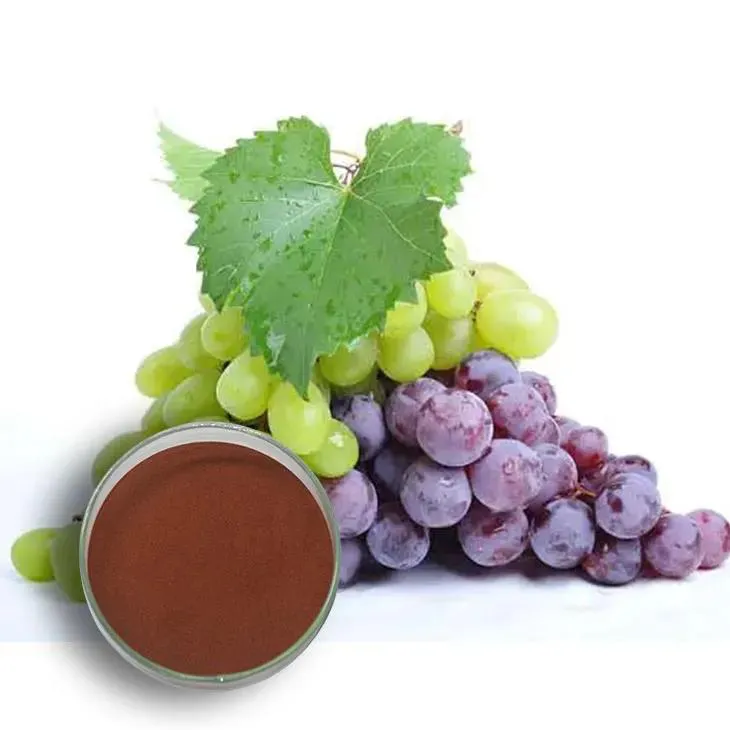
Research in intact animals adds another layer. One study in reproductive hens reported that adding grape seed extract to the maternal diet increased fertility in the female offspring, although it noted a complex, sex-specific effect on semen quality in males of the next generation. Findings like these are valuable for hypothesis-building, but they also illustrate why the research should be read carefully: results in poultry and rodents do not automatically translate to human fertility outcomes, and some effects are not uniformly positive across sexes.
What this research actually means for you
Putting the studies together, the honest summary is that grape seed extract shows promising antioxidant and hormone-support mechanisms relevant to fertility, but it is not an evidence-based fertility treatment, and no one should rely on any single supplement to address a medical fertility concern. The research does support a few practical takeaways. First, oxidative stress is a real and well-documented factor in both female and male reproductive health, and a high-quality antioxidant ingredient can be a reasonable part of a broader lifestyle and nutrition approach. Second, if you are considering it, the dose and the concentration of active compounds matter, and these are best discussed with a qualified healthcare professional, especially if you are trying to conceive or undergoing assisted reproduction.
Why ingredient quality matters in grape seed extract supplements
Because the active proanthocyanidins carry the biological activity, the quality and standardization of the raw material matter enormously. A poorly purified or low-potency grape seed extract powder will not deliver the profile of active compounds tested in research. This is where working with a reputable manufacturer becomes important. Greensky, a plant extract manufacturer founded in 2004 and headquartered in Hangzhou, produces grape seed extract under strict food-grade conditions, with an independent laboratory equipped with GC, HPLC, and UV analytical instruments, and certifications that include ISO22000, ISO9001, BRCGS, HALAL, and Kosher. Their vertically integrated operation covers research, development, and production, so formulators and supplement brands can obtain consistent, well-documented raw material for their grape seed extract supplements.
The bottom line
The grape seed extract fertility research is encouraging rather than conclusive. Laboratory work suggests real mechanisms, including reduced oxidative stress in ovarian-supporting cells and improved steroid hormone output, while animal models point to benefits for sperm count, motility, and DNA integrity. Yet the evidence remains early-stage, sensitive to dose, and based largely on cells and animals rather than large human trials. If you are interested in the ingredient, treat it as a complementary part of a broader plan, choose a high-quality product from a trusted source, and, most importantly, talk to your doctor about your specific situation.
- ▶ Hesperidin
- ▶ Citrus Bioflavonoids
- ▶ Plant Extract
- ▶ lycopene
- ▶ Diosmin
- ▶ Grape seed extract
- ▶ Sea buckthorn Juice Powder
- ▶ Fruit Juice Powder
- ▶ Hops Extract
- ▶ Artichoke Extract
- ▶ Mushroom extract
- ▶ Astaxanthin
- ▶ Green Tea Extract
- ▶ Curcumin
- ▶ Horse Chestnut Extract
- ▶ Other Product
- ▶ Boswellia Serrata Extract
- ▶ Resveratrol
- ▶ Marigold Extract
- ▶ Grape Leaf Extract
- ▶ New Product
- ▶ Aminolevulinic acid
- ▶ Cranberry Extract
- ▶ Red Yeast Rice
- ▶ Red Wine Extract
- ▶ blog
-
Giant Knotweed Extract
2026-08-14
-
Plantain extract
2026-08-14
-
Acai Berry Extract
2026-08-14
-
Pueraria Lobata Extract
2026-08-14
-
Scutellaria Extract
2026-08-14
-
Acerola Juice Powder
2026-08-14
-
Golden Seal Extract
2026-08-14
-
Cat Claw Extract
2026-08-14
-
Feverfew Extract
2026-08-14
-
Lemon Extract
2026-08-14
