- 0086-571-85302990
- [email protected]






What is the export process for china plant extract to Korea and Russia?
2026-08-13
For buyers in South Korea and Russia, Chinese plant extracts have become a reliable source of high-quality botanical ingredients for dietary supplements, functional foods, and cosmetics. But getting a shipment from a factory in China to a warehouse in Seoul or Moscow is not as simple as booking a container. Every consignment must pass through a chain of regulatory checks, factory registrations, customs declarations, and product inspections that differ sharply between the two markets. Understanding this export process before you place an order is the difference between a smooth delivery and a shipment stuck at the border.
This guide walks through the practical export process for china plant extract, explains what Korea and Russia each require, and shows how working with an experienced plant extract supplier removes most of the guesswork.
Why Korea and Russia matter for plant extract buyers
Both markets are large and growing importers of botanical ingredients. South Korea has a sophisticated health-functional food industry with strict safety standards, while Russia's domestic supplement market has expanded as manufacturers look for dependable raw material sources. For a Chinese manufacturer, these two countries represent steady, repeat demand for standardized extracts such as red yeast rice, Curcumin, Grape Seed Extract, Green Tea Extract, and many others.
The key point is that neither market accepts a simple commercial shipment. Korea regulates imported food ingredients through its Ministry of Food and Drug Safety (MFDS, formerly KFDA), while Russia enforces the technical regulations of the Eurasian Economic union (EAEU). Both systems require preparation long before the goods leave the factory.
The export process at a glance
Although Korea and Russia have different rules, most plant extract exports from China follow the same broad sequence:
- Confirm product specifications, active ingredient content, and intended use with the manufacturer.
- Verify the factory holds the certifications your target market recognizes.
- Complete any required overseas factory registration before shipping.
- Prepare the full export documentation set, including test reports.
- Clear export customs in China with the correct HS classification.
- Arrange international transport and insurance.
- Complete import declaration, inspection, and release in the destination country.
Exporting plant extracts to South Korea
Korea's import system is built around the Special Act on Imported Food Safety Management. The single most important requirement is that the overseas production facility must be registered with MFDS before any goods can enter the country. A factory that has not completed this registration will have its shipment refused at the border, no matter how good the product is.
In practice, the process involves several steps. The manufacturer submits its factory details, production scope, and supporting documents to MFDS and receives a registration number. When a shipment arrives, the Korean importer files an import declaration through the MFDS electronic system and provides the invoice, packing list, bill of lading, certificate of origin, and product test reports. Depending on the risk level of the product, customs may release the goods directly, take random samples for laboratory testing, or carry out a full inspection covering microbiology, heavy metals, pesticide residues, and permitted additives.
Labeling is a frequent cause of delays. Korean labels must be in Korean and include the product name, net content, shelf life, country of origin, ingredient list in descending order, allergen warnings, and a nutrition table. For health-functional foods, the functional ingredient must also meet the standards of the Korean Health Functional Foods Code. A supplier that already exports to Korea and keeps its registration current saves buyers from most of these pitfalls.
Exporting plant extracts to Russia
Russia's requirements are centered on the Eurasian Economic union customs system. The importer files a customs declaration with the Federal Customs Service that includes the goods description, value, HS code, country of origin, and supporting documents. Customs may perform a documentary check, a physical inspection, or sampling for technical testing before releasing the goods.
Depending on the product category, conformity certification such as the EAC mark or a GOST-R certificate may be required, and labels must carry technical information in Russian, including the product name, specifications, country of origin, and importer details. Import duties vary by HS code, and a value-added tax is applied on top. Because the process is documentation-heavy, most buyers work with a customs broker and ask the supplier to provide complete, correctly classified paperwork in advance.
How the right manufacturer simplifies the process
The fastest way to avoid export headaches is to start with a plant extract manufacturer that already ships to Korea and Russia on a regular basis. Hangzhou Greensky Biological Tech. Co., Ltd. has been producing natural plant extracts since 2004 and counts Europe, the United States, South Korea, and Russia among its main export markets. Its export value reached nearly 30 million US dollars in 2023.
Greensky operates with full vertical integration, from research and development to production and sales, across five wholly-owned subsidiaries. Its facilities include a 100,000-class clean production area, an independent laboratory equipped with GC, HPLC, and UV instruments, and modern extraction and drying equipment. The company holds ISO22000, BRCGS, Ecocert Organic, SGS-GMP, ISO9001, HALAL, and Kosher certifications, and maintains export registration and documentation that support regulatory submissions in destination countries.
This means the factory can supply the test reports, certificates of analysis, origin documents, and registration support that Korean and Russian importers need, so the buyer does not have to chase paperwork across multiple vendors.
Final checklist before you order
- Confirm the target market and its specific regulatory requirements.
- Check that the factory is registered with MFDS for Korea or can support EAC certification for Russia.
- Request a certificate of analysis and confirm the active ingredient content.
- Agree on labeling, language, and packaging before production.
- Work with a customs broker in the destination country for import declaration.
- Keep documentation complete and consistent across all parties.
Exporting plant extracts from China to Korea and Russia is entirely manageable when the process is understood in advance. By choosing an experienced manufacturer, completing registrations early, and preparing accurate documentation, buyers can turn a complex regulatory path into a routine, repeatable supply chain.
- ▶ Hesperidin
- ▶ Citrus Bioflavonoids
- ▶ Plant Extract
- ▶ lycopene
- ▶ Diosmin
- ▶ Grape seed extract
- ▶ Sea buckthorn Juice Powder
- ▶ Fruit Juice Powder
- ▶ Hops Extract
- ▶ Artichoke Extract
- ▶ Mushroom extract
- ▶ Astaxanthin
- ▶ Green Tea Extract
- ▶ Curcumin
- ▶ Horse Chestnut Extract
- ▶ Other Product
- ▶ Boswellia Serrata Extract
- ▶ Resveratrol
- ▶ Marigold Extract
- ▶ Grape Leaf Extract
- ▶ New Product
- ▶ Aminolevulinic acid
- ▶ Cranberry Extract
- ▶ Red Yeast Rice
- ▶ Red Wine Extract
- ▶ blog
-
Black Garlic Extract
2026-08-13
-
Elderberry Extract
2026-08-13
-
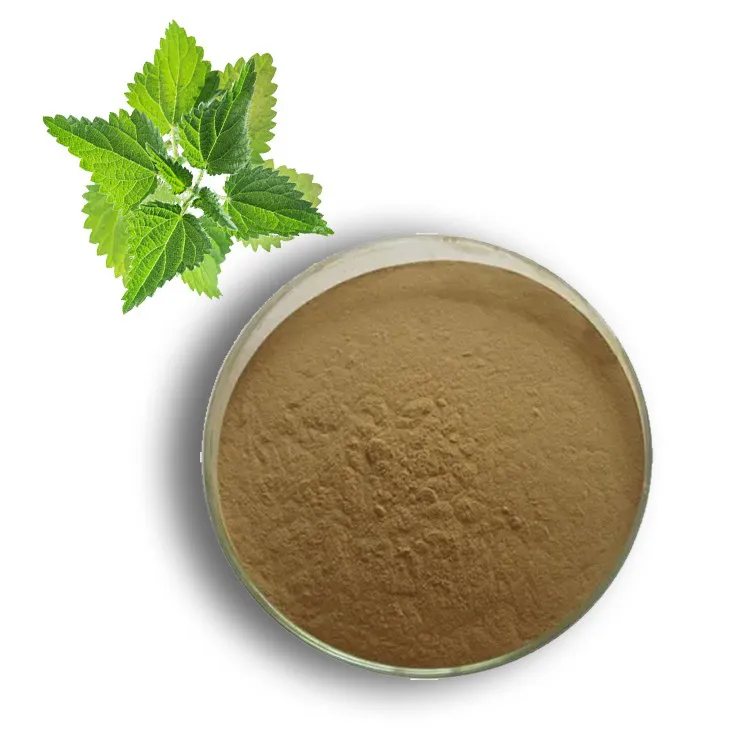
Nettle leaf extract
2026-08-13
-
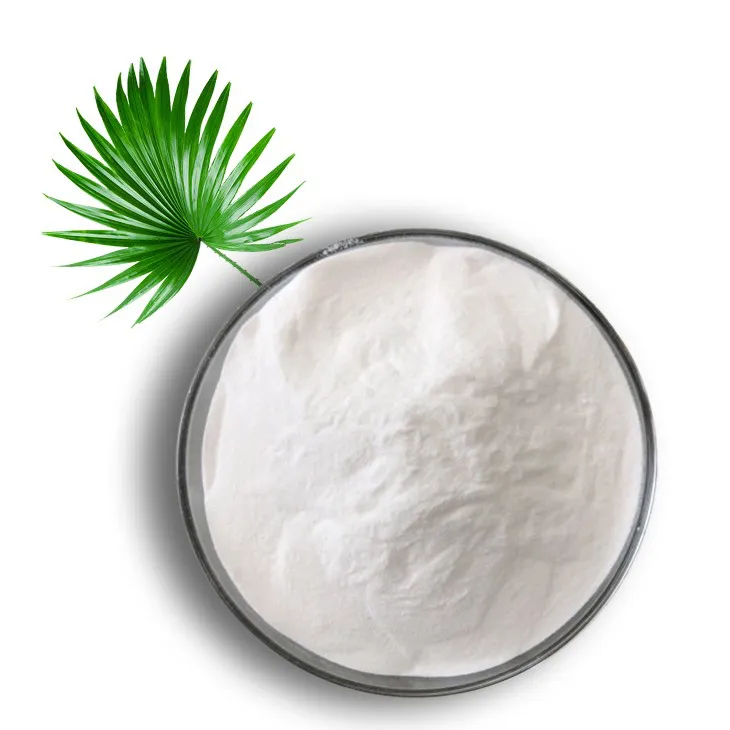
Saw Palmetto Extract
2026-08-13
-
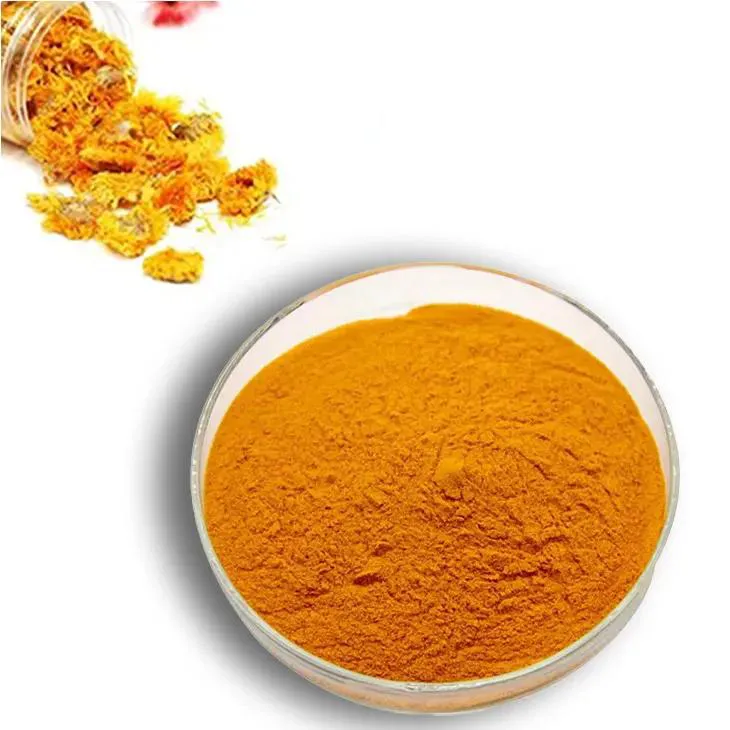
Marigold Extract
2026-08-13
-
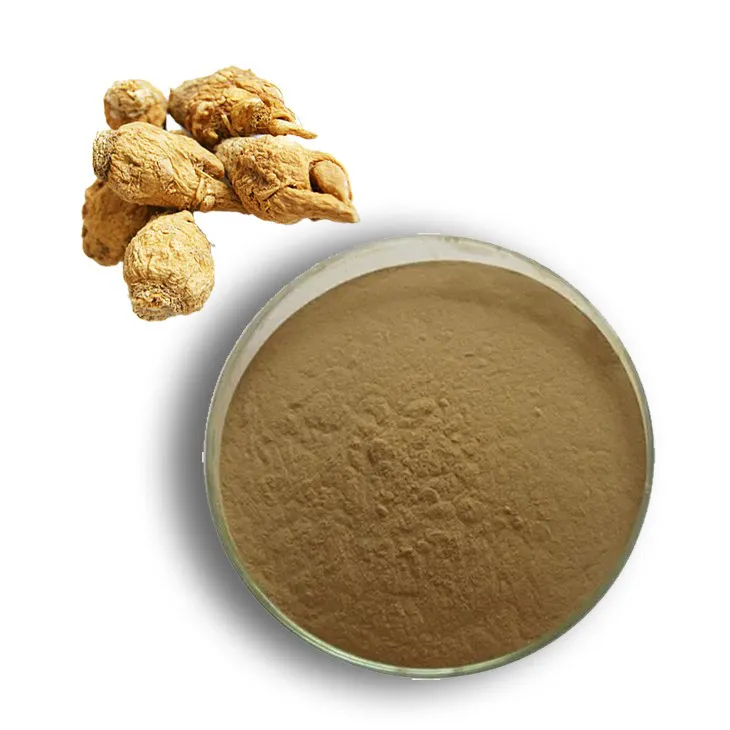
Maca Extract
2026-08-13
-
Sea buckthorn oil
2026-08-13
-
Konjac Powder
2026-08-13
-
White Peony Extract
2026-08-13
-
Lion's Mane Mushroom Extract
2026-08-13
