- 0086-571-85302990
- [email protected]






What is the effective concentration of hair growth plant extracts?
2026-08-15
Plant extract suppliers and formulators are often asked one deceptively simple question: what concentration of a hair growth extract actually works? The answer matters because using too little simply wastes money and time, while using too much can irritate the scalp or waste premium raw material. This article looks at the doses and concentrations that have been studied for several popular botanicals, and explains why the quality of the extract you start with is just as important as the number on the label.
Why concentration matters in hair care formulations
Hair, like skin, is a living tissue. For a botanical extract to influence the hair follicle, its active compounds must reach the scalp at a high enough concentration to trigger a biological response, yet stay gentle enough to avoid irritation. In practice this means formulators balance three variables: the percentage of the active extract in the formula, the purity or standardization of that extract, and the frequency of application. A concentrate that works at 3% can be completely ineffective at 0.3%, and slightly irritating at 10%.
The scientific literature offers useful reference points rather than a single universal number. Different plants act through different pathways, so their effective concentrations differ too. Below we summarize the figures reported in clinical and animal studies for the most studied hair growth botanicals.
Rosemary: the most researched option
Rosemary is the botanical with the strongest body of evidence for hair growth. In a randomized comparative trial, a rosemary oil lotion prepared at 3.7 mg/mL was applied daily and performed as well as 2% minoxidil in increasing hair count over six months, with a more favorable side-effect profile. In another study, a hydroalcoholic extract of rosemary applied topically at 2 mg per day promoted hair regrowth in mice with testosterone-induced hair loss, an effect linked to improved scalp microcirculation and inhibition of 5-alpha-reductase.
For formulators, this means a finished hair product containing rosemary leaf extract for hair typically needs an active marker concentration in the low single digits to be meaningful, and the extract itself should carry a standardized content of rosmarinic acid or carnosic acid so the dose is reproducible from batch to batch.
Saw palmetto: an oral dose story
Saw palmetto works mainly through oral supplementation rather than topical application, because its benefit comes from slowing the conversion of testosterone to DHT. Published studies have used daily doses ranging from 100 mg to 320 mg of Saw Palmetto Extract, with the positive effects on hair density and quality reported across that range. As with any botanical, the active fatty acid and sterol profile of the extract matters more than the raw weight of powder poured into a capsule.
Moringa, nettle and no-cost shortcuts
A few botanicals are valued for the nutrients they supply to the hair follicle rather than for a single marker molecule. Moringa leaf powder is rich in vitamins, minerals and antioxidants that support healthy hair cycles, and is often blended into powdered drinks and capsules. Nettle Root Extract has a long history in herbal hair care, and botanicals such as He shou wu (Polygonum multiflorum) are traditional adjuncts for maintaining hair condition.
For these ingredients, the published data are less precise, so the practical guidance is different: choose a standardized extract, use a sensible inclusion rate (typically a few percent in a topical formula or a few hundred milligrams daily in an oral product), and rely on the supplier's certificate of analysis to keep the dose consistent.
Why quality changes the effective dose
The concentration that works is meaningless if the extract itself is inconsistent. A low-quality material with a nominal label may contain far less active compound than claimed, forcing you to raise the inclusion rate and the cost. A well-standardized extract purchased from a reliable plant extract supplier lets you hit the target concentration at a lower, more economical inclusion rate.
Greensky, a manufacturer of natural plant extracts since 2004, produces standardized botanicals in a 100,000-class clean production area and verifies each batch in its own laboratory using HPLC and UV analysis. When you start with a tested, standardized raw material, the concentration you build into your formula is the concentration your customers actually receive.
Practical starting points
To summarize what the evidence supports:
- Rosemary oil lotion: around 3.7 mg/mL applied daily, or a standardized Rosemary extract at a low single-digit active content in a topical formula.
- Saw palmetto: oral doses of roughly 100 to 320 mg per day.
- Nutrient-rich powders such as moringa: a few percent of a formula, chosen for overall nutrient contribution rather than a single marker.
- Always request a certificate of analysis so the marker content is known and reproducible.
Because safety data for many botanicals are still limited, treating hair loss with plant extracts should be approached with realistic expectations. The evidence supports the use of rosemary in particular, while other botanicals such as horsetail plant extract for hair and similar ingredients are best selected from a supplier that can document standardization and purity.
The bottom line
There is no single magic percentage for every hair growth extract, but there are tested reference points: rosemary is the best-documented botanical, active at roughly 3.7 mg/mL in a lotion; saw palmetto is used orally at 100 to 320 mg per day; and nutrient herbs like moringa are added at a few percent. Whatever concentrate you choose, the deciding factor is the quality and standardization of the source material. Starting with a reliable plant extract supplier that issues a certificate of analysis means the concentration on your label is the concentration that reaches the customer, and that is the measurement that ultimately matters.
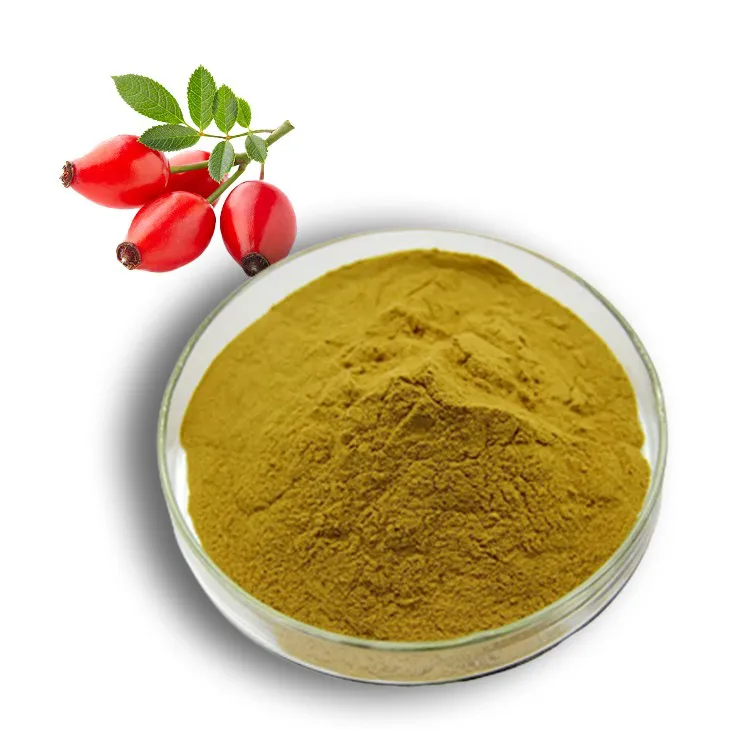
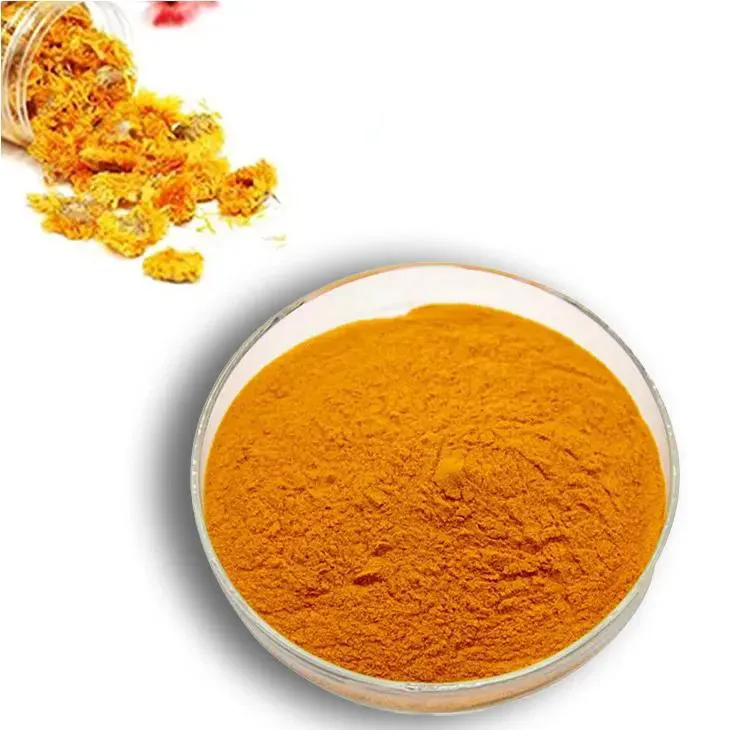
- ▶ Hesperidin
- ▶ Citrus Bioflavonoids
- ▶ Plant Extract
- ▶ lycopene
- ▶ Diosmin
- ▶ Grape seed extract
- ▶ Sea buckthorn Juice Powder
- ▶ Fruit Juice Powder
- ▶ Hops Extract
- ▶ Artichoke Extract
- ▶ Mushroom extract
- ▶ Astaxanthin
- ▶ Green Tea Extract
- ▶ Curcumin
- ▶ Horse Chestnut Extract
- ▶ Other Product
- ▶ Boswellia Serrata Extract
- ▶ Resveratrol
- ▶ Marigold Extract
- ▶ Grape Leaf Extract
- ▶ New Product
- ▶ Aminolevulinic acid
- ▶ Cranberry Extract
- ▶ Red Yeast Rice
- ▶ Red Wine Extract
- ▶ blog
-
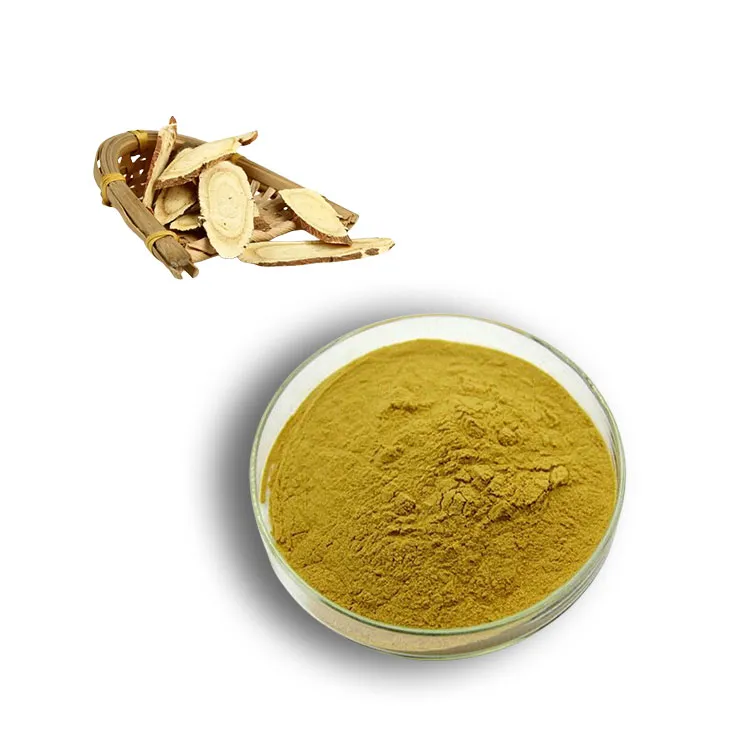
Licorice Root Extract Powder
2026-08-15
-
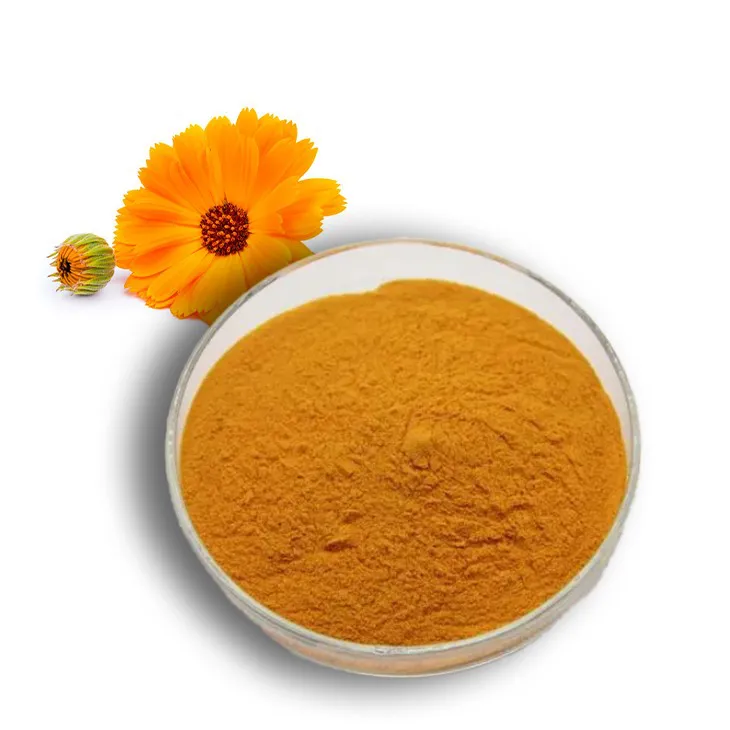
Calendula Extract
2026-08-15
-
Phellodendron Extract
2026-08-15
-
Milk Thistle Extract
2026-08-15
-
Ginger Extract
2026-08-15
-
Tongkat Ali Extract Powder
2026-08-15
-
Kidney Bean Extract
2026-08-15
-
Black Garlic Extract
2026-08-15
-
Apricot Powder
2026-08-15
-
Yohimbine Bark Extract
2026-08-15
