- 0086-571-85302990
- [email protected]






What is the difference between turmeric and turmeric extract?
2026-08-13
Turmeric and turmeric extract come from the same bright yellow rhizome of Curcuma longa, yet they are very different products with different jobs to do. Home cooks sprinkle ground turmeric into curries, while supplement brands formulate with standardized turmeric extract to deliver a measurable dose of Curcumin. Understanding the difference matters, especially for manufacturers, formulators, and ingredient buyers who need consistent, reliable raw materials.
What is turmeric?
Turmeric is the dried rhizome of the turmeric plant, typically ground into a fine powder. It is one of the basic elements of curry powder and has been used for centuries as a spice, a natural dye, and a traditional remedy in Asia. Whole turmeric contains a mix of fiber, starch, proteins, essential oils, and a small amount of Curcuminoids, the group of yellow polyphenolic compounds responsible for both its color and most of its health-related activity.
The Curcuminoid content of raw turmeric root is modest, generally ranging from about 1 to 7 percent of the root depending on variety and growing season. That means a spoonful of ground turmeric delivers only a tiny amount of curcumin, which is one reason whole turmeric is used mainly for flavor and color rather than for controlled dosing.
What is turmeric extract?
Turmeric extract, also known as curcuma longa extract, is a concentrated form produced by extracting the active compounds from turmeric rhizomes. Through solvent-based processes, the curcuminoids are separated from the fiber and starch and concentrated into a powder that can reach curcumin contents of 95 percent or higher. The main curcuminoids are curcumin, demethoxycurcumin, and bisdemethoxycurcumin, and they are often standardized so that every batch delivers a consistent, labeled amount.
Because the active compounds are concentrated, turmeric extract is the ingredient used in dietary supplements, functional foods, and cosmetics where a measurable dose of curcumin is required. It is far more potent by weight than ground turmeric, which is why it is the form best suited to manufacturing settings.
Key differences at a glance
The table below summarizes the main differences between ground turmeric and turmeric extract.
| Aspect | Ground Turmeric | Turmeric Extract |
|---|---|---|
| Source | Whole dried rhizome, ground | Active compounds extracted and concentrated |
| Curcumin content | Approximately 1 to 7 percent | Standardized, often 10 to 95 percent |
| Typical use | Cooking, flavor, color | Supplements, functional foods, cosmetics |
| Dosing control | Low and variable | Consistent and measurable |
| One example | Curry powder | Standardized curcumin capsules |
Why the distinction matters for manufacturers
For a brand formulating a supplement, the choice between turmeric and turmeric extract is not cosmetic. A product label that promises a certain curcumin dose simply cannot be met with ground spice, because the curcumin content is too low and too variable. Standardized turmeric extract allows a formulator to hit a target dose batch after batch, which is essential for regulatory compliance and consumer trust.
There is also a bioavailability consideration. Curcumin is poorly absorbed on its own, so many modern extracts are formulated together with black pepper extract, phospholipids, or other carriers to improve absorption. When you buy a Curcumin Extract, you are not just buying concentrated curcumin, you are buying a standardized delivery system that has been engineered for efficacy.
Because of these factors, sourcing quality becomes a serious decision. A single contaminated or inconsistently standardized batch can disrupt production and damage a brand. This is why experienced buyers work with a Curcumin Manufacturer that can document purity, provide certificates of analysis, and support regulatory submissions.
Choosing the right form for your product
If your product is a culinary or seasoning application, ground turmeric may be all you need. For capsules, tablets, powders, functional beverages, or cosmetics that need a verifiable curcumin content, a standardized turmeric extract is the appropriate choice. The higher the required dose and the more precise the claim, the more you will rely on a concentrated extract.
When evaluating a supply partner, look beyond the curcumin percentage on the label. Consider the extraction method, the transparency of the specification, the reproducibility of the batch, and the supplier's manufacturing standards. A responsible supplier should be able to explain how the extract is produced, what solvents are used, and how quality is verified at each step.
A manufacturer that combines vertically integrated production with independent laboratory testing gives you both consistency and peace of mind. Whether you are sourcing curcumin extract for a new supplement line or scaling up an existing formula, a transparent, well-documented supply chain is the foundation of a reliable product.
Final thoughts
Turmeric and turmeric extract are not interchangeable. Ground turmeric brings flavor and color, while turmeric extract delivers a concentrated, standardized dose of curcumin for functional applications. Understanding the difference helps manufacturers make smarter sourcing decisions and build products that perform as labeled. For buyers looking for dependable supply, working with an experienced wholesale curcumin partner with strong quality systems is the safest route to a consistent final product.
- ▶ Hesperidin
- ▶ Citrus Bioflavonoids
- ▶ Plant Extract
- ▶ lycopene
- ▶ Diosmin
- ▶ Grape seed extract
- ▶ Sea buckthorn Juice Powder
- ▶ Fruit Juice Powder
- ▶ Hops Extract
- ▶ Artichoke Extract
- ▶ Mushroom extract
- ▶ Astaxanthin
- ▶ Green Tea Extract
- ▶ Curcumin
- ▶ Horse Chestnut Extract
- ▶ Other Product
- ▶ Boswellia Serrata Extract
- ▶ Resveratrol
- ▶ Marigold Extract
- ▶ Grape Leaf Extract
- ▶ New Product
- ▶ Aminolevulinic acid
- ▶ Cranberry Extract
- ▶ Red Yeast Rice
- ▶ Red Wine Extract
- ▶ blog
-
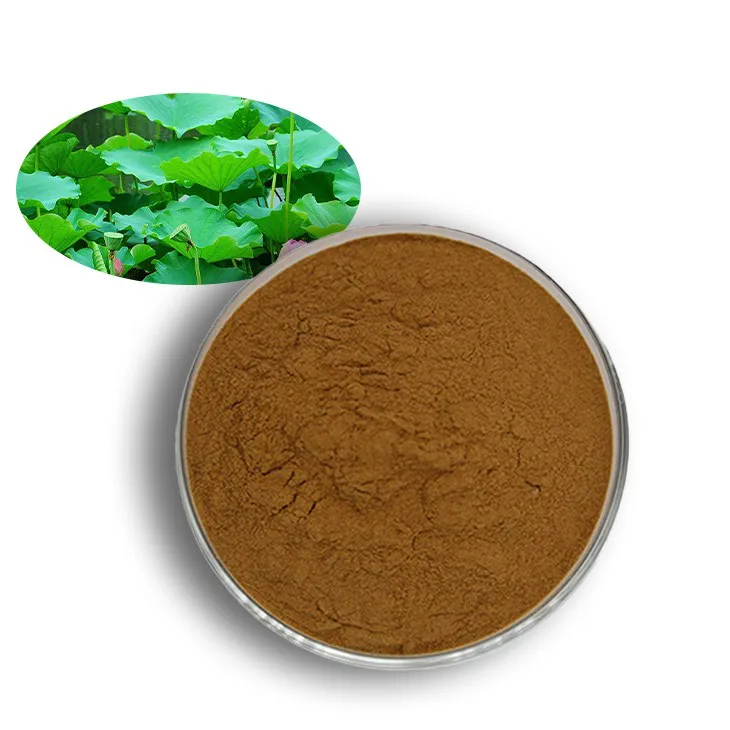
Lotus leaf extract
2026-08-13
-
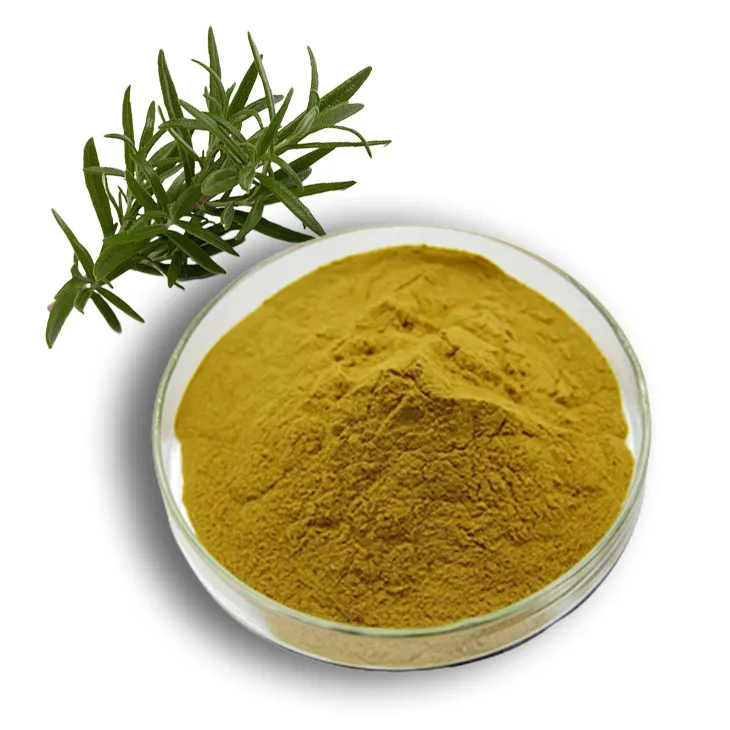
Rosemary extract
2026-08-13
-
Beta Carotene
2026-08-13
-
Acerola Juice Powder
2026-08-13
-
Buckthorn bark extract
2026-08-13
-
Quercetin
2026-08-13
-
Horse Chestnut Extract
2026-08-13
-
Liposomal NMN
2026-08-13
-
melatonin
2026-08-13
-
Tamarind extract powder
2026-08-13
