- 0086-571-85302990
- [email protected]






What is the difference between organic fruit powder and conventional fruit powder?
2026-08-16
Fruit powders have become a pantry staple in recent years, showing up in smoothies, baked goods, protein shakes, infant foods, and even skincare products. Their long shelf life, easy handling, and concentrated nutrition make them a practical choice for both home cooks and food manufacturers. Yet as shoppers grow more ingredient-conscious, one question keeps coming up: what is the difference between organic fruit powder and conventional fruit powder? The answer comes down to how the fruit is grown, how it is processed, and what standards the final powder has to meet.
This guide breaks down the main differences between the two, including production methods, nutrition, safety, environmental impact, and cost, so you can choose the right powder for your products or your family.
1. How the fruit is grown: the starting point of the difference
The most visible difference between organic and conventional fruit powder begins on the farm.
Organic fruit powder comes from fruit grown under certified organic farming practices, regulated by bodies such as the USDA Organic, EU Organic, or Ecocert Organic Standard. These rules typically prohibit synthetic pesticides and herbicides, ban the use of genetically modified organisms (GMOs), and rely on natural fertilizers such as compost and green manure. Farmers manage pests through crop rotation and beneficial insects rather than chemical sprays, and they emphasize soil health and biodiversity.
Conventional fruit powder, by contrast, is made from fruit grown with conventional methods that may include synthetic pesticides, synthetic fertilizers, and, in some cases, genetically modified varieties. These practices often deliver higher yields and lower production costs, but the residues of chemical inputs can sometimes carry over into the final powder.
2. Processing methods: how the powder is made matters
Once harvested, the fruit must be dried and ground into powder. The way this is done affects both the quality of the powder and the retention of nutrients.
Organic fruit powder is often processed with gentler, low-temperature techniques such as freeze-drying or air-drying, which help preserve natural flavors, colors, and heat-sensitive vitamins. This is why many organic powders keep a brighter color and a more authentic fruit taste.
Conventional powders are frequently produced with high-temperature methods such as spray-drying, which is efficient and economical but can degrade some delicate nutrients and alter the flavor profile. That said, a well-managed conventional facility can still produce a clean, consistent powder.
3. Nutritional content: what science actually says
Some studies suggest that organically grown produce may contain higher concentrations of certain antioxidants and polyphenols, thanks to healthier soil and less chemical stress. Other research, however, finds that the nutritional gaps between organic and conventional products are often small and vary by fruit, season, and grower. In practice, both organic and conventional fruit juice powder can supply meaningful amounts of vitamins and plant compounds.
Rather than relying on the organic label alone, buyers should look at the specific nutrient profile and the processing record of the supplier. A conventional Lemon Juice Powder that is carefully dried and tested can be just as nutritious as an organic one.
4. Safety and residue considerations
Organic fruit powder is often perceived as safer because it avoids synthetic pesticide residues and GMOs. Certified organic production also requires rigorous testing and traceability.
Conventional fruit powder is still tightly regulated. Most countries set maximum residue limits (MRLs) for pesticides, and reputable manufacturers test their batches to ensure compliance. The real differentiator in both cases is the quality-control system behind the product. A trustworthy supplier will share certificates, heavy-metal and pesticide test reports, and documentation for export registration.
5. Environmental impact
Organic farming is generally considered more sustainable. It reduces chemical runoff into waterways, builds healthier soil through composting and rotation, supports biodiversity, and often carries a lower carbon footprint because it avoids energy-intensive synthetic inputs.
Conventional farming, while highly efficient, can degrade soil over time through monocropping and excessive tillage, and chemical runoff may affect nearby ecosystems. For brands that market sustainability, sourcing organic ingredients can be a meaningful part of the story.
6. Cost and availability
Organic fruit powder typically costs more—often 20 to 50 percent above conventional equivalents—because organic farming is more labor-intensive and yields are often lower. It may also be harder to source in large volumes in some regions.
Conventional fruit powder is more affordable and widely available, making it the default choice for cost-sensitive formulations. The right option depends on your target market, budget, and regulatory requirements.
7. A practical example from a plant extract manufacturer
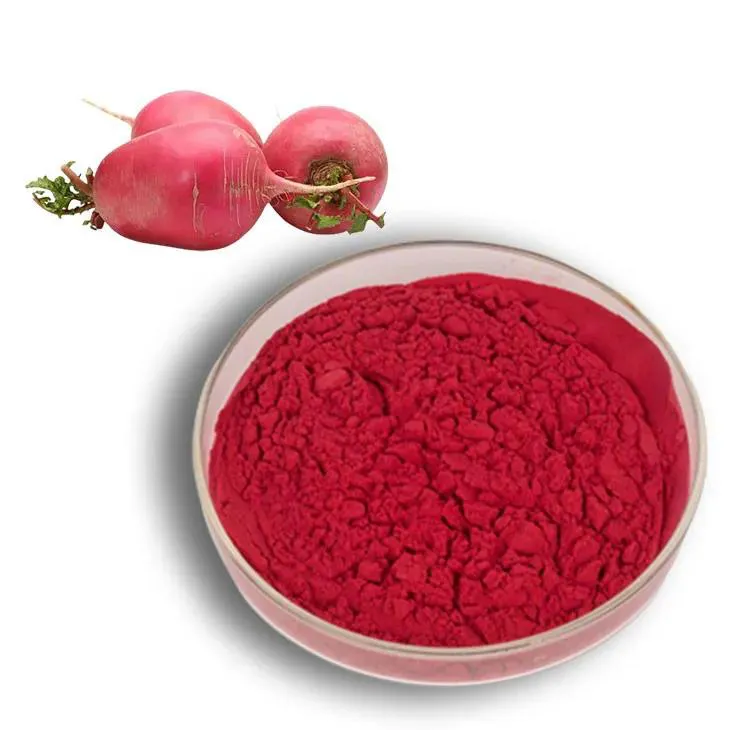
To see how these differences play out in real sourcing, it helps to look at a manufacturer that supplies both categories. Greensky, a plant extract manufacturer with over 20 years of experience, produces a range of fruit juice powder products, including sea buckthorn juice powder, Beetroot juice Powder, Acerola Juice Powder, and Lemon Juice Powder.
Greensky operates a 100,000-class clean production area that meets food-grade requirements, runs an independent laboratory equipped with GC, HPLC, and UV instruments, and holds certifications including ISO22000, BRCGS, Ecocert Organic Standard, SGS-GMP, ISO9001, HALAL, and Kosher. Whether you are looking for an organic lemon juice powder supplier or a reliable source of best beetroot powder, the company can provide documentation for global regulatory submissions and export-ready powders.
8. How to choose the right fruit powder for your needs
Here are a few practical factors to weigh when deciding between organic and conventional fruit powder:
- Check the label and certification. Look for recognizable organic marks and ask the supplier for the certificate that backs the claim.
- Request test reports. Pesticide residue, heavy metal, and microbiological test results give a clearer picture than the packaging alone.
- Match the powder to the application. Whole-food beverages and premium products may justify organic sourcing, while cost-sensitive formulations can work well with well-tested conventional powder.
- Verify the supplier's facility. Clean production lines, documented quality control, and export registration reduce risk in both categories.
9. Conclusion
The difference between organic fruit powder and conventional fruit powder comes down to farming inputs, processing methods, and the standards each product must meet. Organic powder offers the advantages of fewer synthetic residues and a smaller environmental footprint, usually at a higher price. Conventional powder delivers affordability and steady supply, provided the supplier maintains rigorous quality control.
Neither option is inherently better for every situation. The smartest approach is to evaluate the specific product, its certification, and the track record of the manufacturer. By understanding these differences, you can make an informed choice that fits your health goals, your budget, and your business needs.
TAGS:
- ▶ Hesperidin
- ▶ Citrus Bioflavonoids
- ▶ Plant Extract
- ▶ lycopene
- ▶ Diosmin
- ▶ Grape seed extract
- ▶ Sea buckthorn Juice Powder
- ▶ Fruit Juice Powder
- ▶ Hops Extract
- ▶ Artichoke Extract
- ▶ Mushroom extract
- ▶ Astaxanthin
- ▶ Green Tea Extract
- ▶ Curcumin
- ▶ Horse Chestnut Extract
- ▶ Other Product
- ▶ Boswellia Serrata Extract
- ▶ Resveratrol
- ▶ Marigold Extract
- ▶ Grape Leaf Extract
- ▶ New Product
- ▶ Aminolevulinic acid
- ▶ Cranberry Extract
- ▶ Red Yeast Rice
- ▶ Red Wine Extract
- ▶ blog
-
Gynostemma pentaphyllum extract
2026-08-16
-
Purple Sweet Potato Extract
2026-08-16
-
Hedyotis Diffusa Extract
2026-08-16
-
Diosmin
2026-08-16
-
Kupilu Extract
2026-08-16
-
Lycopene
2026-08-16
-
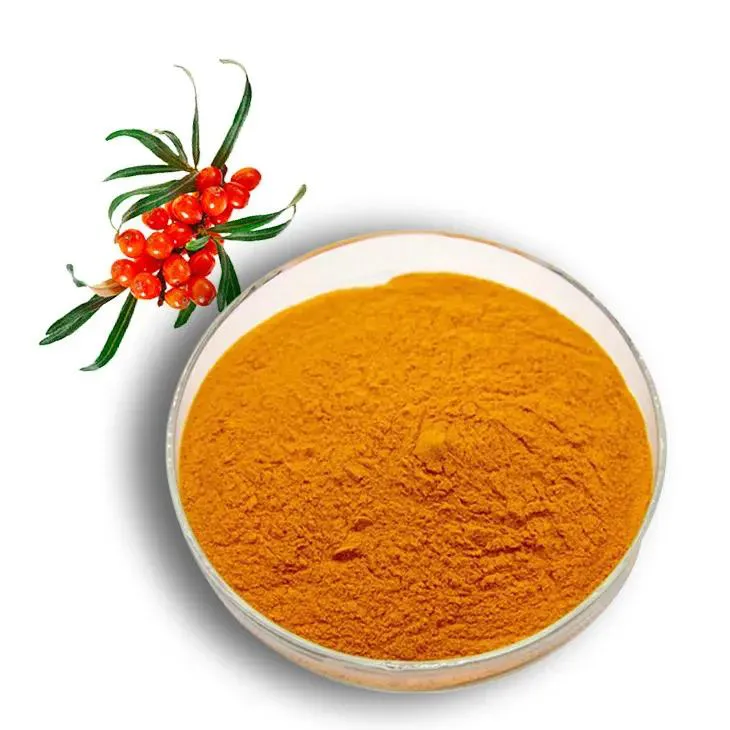
Sea buckthorn Juice Powder
2026-08-16
-
Panax Ginseng Leaf Extract
2026-08-16
-
White Willow Bark Extract
2026-08-16
-
Oat Straw Extract Powder
2026-08-16
