- 0086-571-85302990
- [email protected]




What is the difference between green tea and other herbs for hormone balance?
2026-08-13
When people look for natural ways to support hormone balance, green tea and a long list of "hormone herbs" are often mentioned in the same sentence. Yet the two work in very different ways. Green tea steadies the body's metabolic and antioxidant systems, which indirectly keeps estrogen and insulin in check, while herbs such as chasteberry, spearmint, maca, and dandelion act more directly on the glands and receptors that control hormone production. Understanding that distinction is the key to choosing the right ingredient for your formula.
What green tea actually does
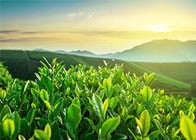
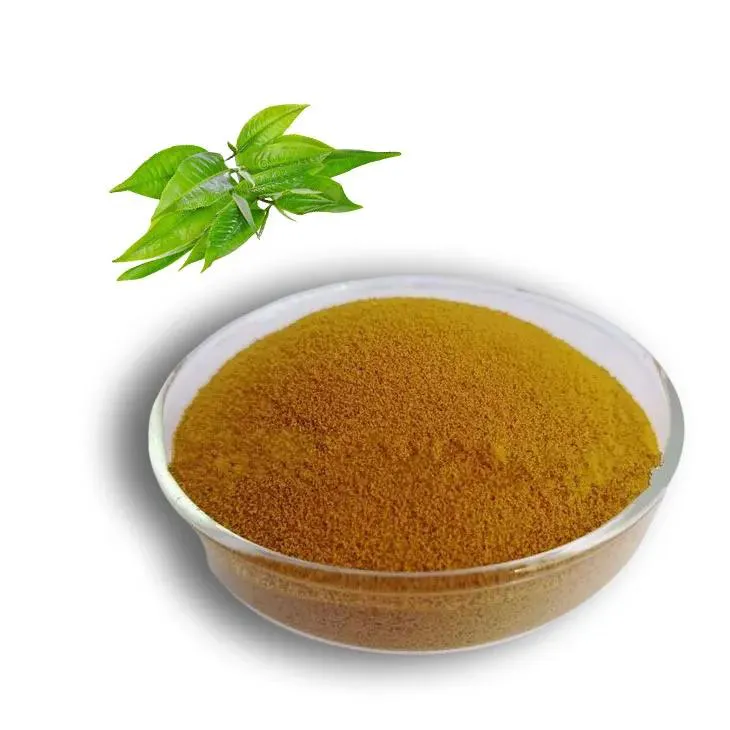
Green tea comes from the Camellia sinensis plant and is not fermented, so it keeps a high concentration of catechins, most notably epigallocatechin gallate (EGCG). These compounds support insulin sensitivity and modest weight loss, which matters for polycystic ovary syndrome (PCOS), a condition linked to excess androgens. Regular intake has also been associated with healthier estrogen metabolism in long-term observational studies. Because green tea is a true tea, it contains caffeine, so it is best consumed in the morning rather than close to bedtime.
In short, green tea is a metabolic and antioxidant tool. It does not directly raise or lower a specific hormone; instead, it improves the systems that keep hormone levels from drifting out of range. This makes it a good foundation ingredient rather than a targeted endocrine herb.
How the other herbs differ
Unlike green tea, most dedicated hormone-balancing herbs act directly on the endocrine axis. Each one targets a specific circulating hormone or a specific gland:
- Chasteberry (Vitex agnus-castus) influences the hypothalamus and pituitary to lower prolactin and support progesterone, which eases PMS and helps regulate the menstrual cycle.
- Spearmint lowers free testosterone and androgens in women with PCOS, addressing symptoms such as acne and excess hair.
- Licorice root contains plant compounds that mimic estrogen and also affects cortisol, supporting adrenal balance when used carefully.
- Maca nourishes the hypothalamus-pituitary axis, supporting energy, libido, and overall hormone signaling.
- Dandelion root supports the liver, which is where excess estrogen is broken down and cleared from the body.
The key difference at a glance
| Aspect | Green tea | Hormone herbs |
|---|---|---|
| Main action | Antioxidant, insulin sensitivity, metabolism | Direct endocrine signaling |
| Target | Estrogen metabolism, blood sugar | Prolactin, progesterone, testosterone, cortisol |
| Caffeine | Yes | Generally caffeine-free |
| Best positioned as | A daily foundation | A targeted remedy |
Which one should you choose?
There is no single answer, because the right choice depends on the underlying imbalance. If the goal is metabolic support, insulin sensitivity, and general antioxidant protection, green tea extract is a sensible daily foundation. If the goal is a specific hormonal symptom, such as irregular cycles, PMS, or elevated androgens, a targeted herb is usually more effective. For many formulations, the two approaches complement each other rather than compete.
Sourcing from a trusted manufacturer
Whichever ingredient you choose, quality and traceability matter. Greensky, a Hangzhou-based botanical manufacturer operating since 2004, supplies standardized Green Tea Extract alongside chasteberry, maca, dandelion, and many other botanicals. As a plant extract supplier with vertically integrated production and third-party certifications, it can help you build a formula that is both effective and dependable. Talk to a technical representative about which extract ratios match your target audience and your regulatory needs.
TAGS:
- ▶ Hesperidin
- ▶ Citrus Bioflavonoids
- ▶ Plant Extract
- ▶ lycopene
- ▶ Diosmin
- ▶ Grape seed extract
- ▶ Sea buckthorn Juice Powder
- ▶ Fruit Juice Powder
- ▶ Hops Extract
- ▶ Artichoke Extract
- ▶ Mushroom extract
- ▶ Astaxanthin
- ▶ Green Tea Extract
- ▶ Curcumin
- ▶ Horse Chestnut Extract
- ▶ Other Product
- ▶ Boswellia Serrata Extract
- ▶ Resveratrol
- ▶ Marigold Extract
- ▶ Grape Leaf Extract
- ▶ New Product
- ▶ Aminolevulinic acid
- ▶ Cranberry Extract
- ▶ Red Yeast Rice
- ▶ Red Wine Extract
- ▶ blog
-
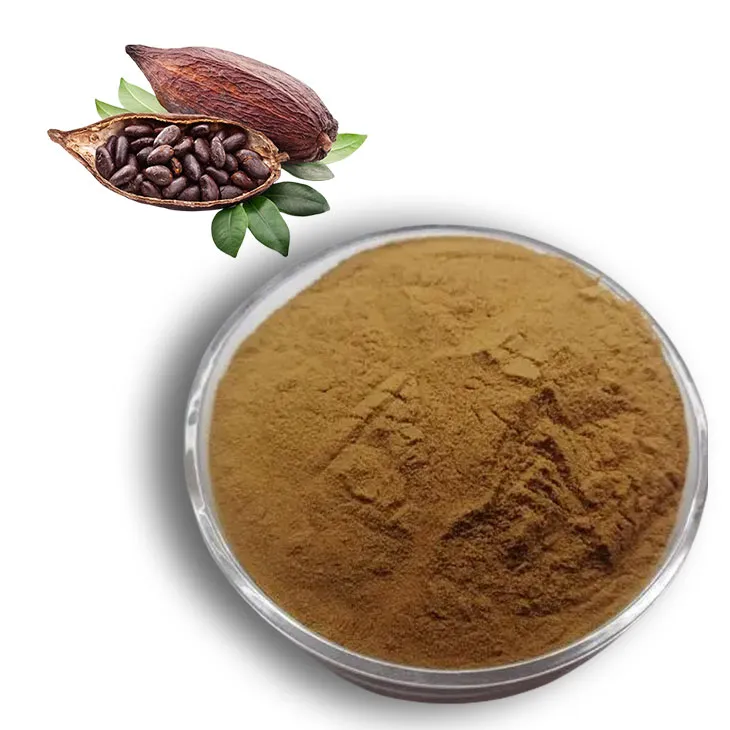
Cocoa Extract
2026-08-13
-
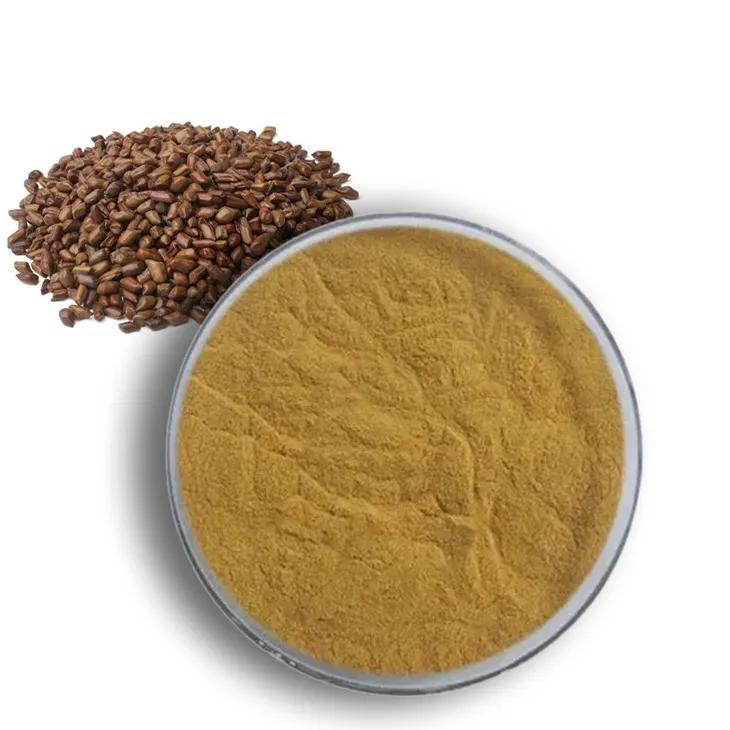
Cassia Seed Extract
2026-08-13
-
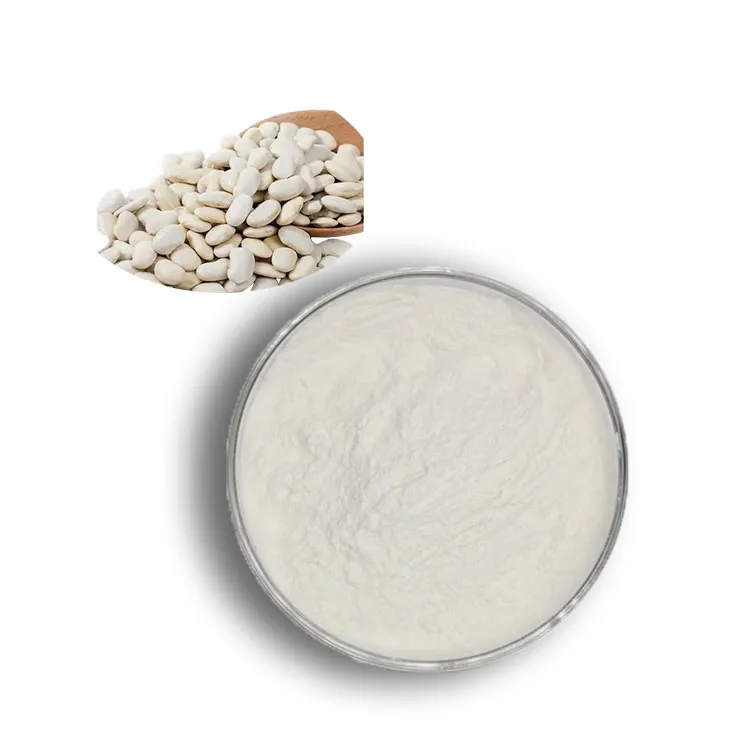
Kidney Bean Extract
2026-08-13
-
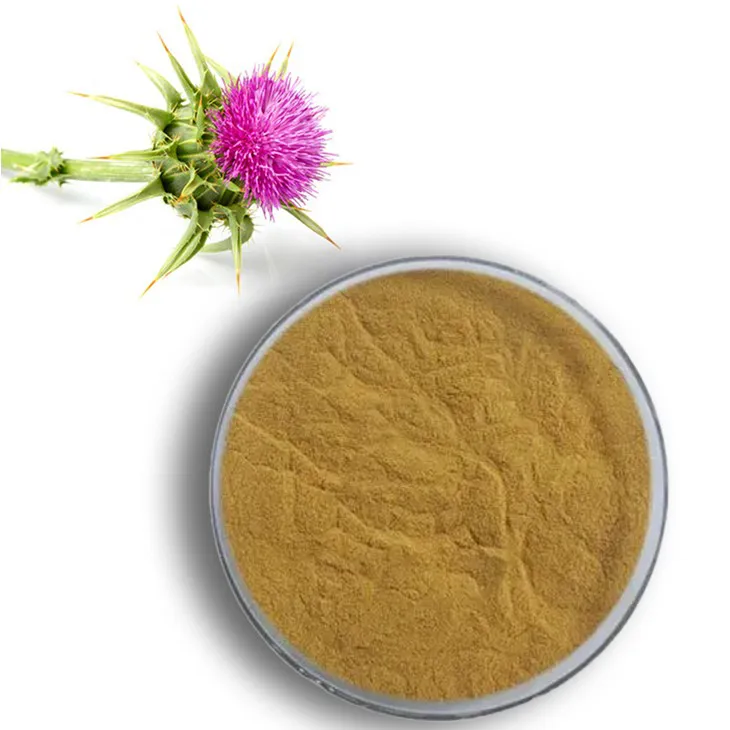
Milk Thistle Extract
2026-08-13
-
Red Vine Extract
2026-08-13
-
Curcumin
2026-08-13
-
Thunder God Vine Extract
2026-08-13
-
Marigold Extract
2026-08-13
-
Baicalin
2026-08-13
-
American Ginseng Root Extract
2026-08-13