- 0086-571-85302990
- [email protected]






What is the difference between ginger extract and ginger powder?
2026-08-15
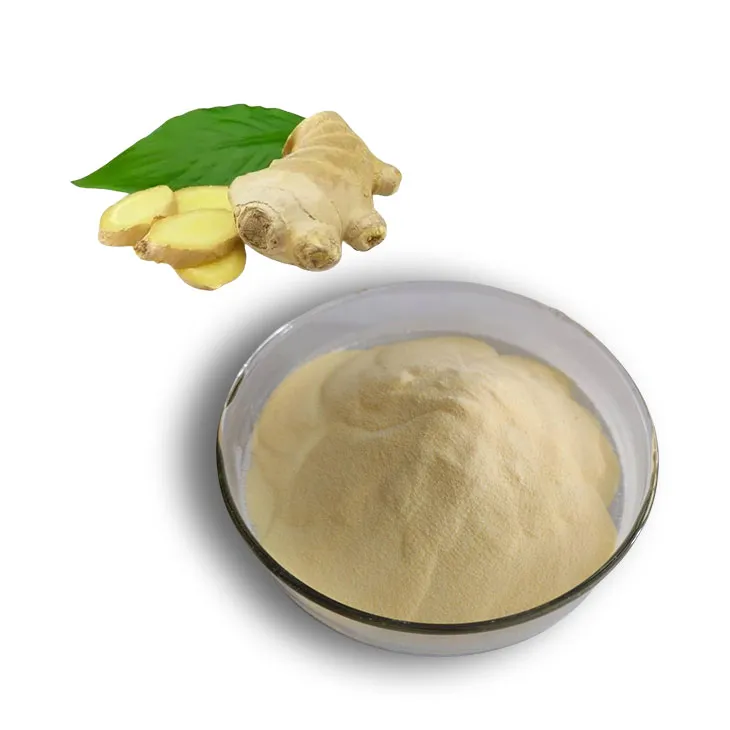
Ginger is one of the most widely used botanicals in the world, but when it comes to buying it as an ingredient, the terms "Ginger Extract" and "ginger powder" are often used as if they were the same thing. They are not. Both come from the same rhizome of Zingiber officinale, yet they differ sharply in how they are made, how concentrated they are, and what they are best suited for. For formulators, food manufacturers, and supplement brands, choosing the right form can be the difference between a product that works as intended and one that falls short. This guide breaks down the key differences so you can make an informed sourcing decision.
What is ginger powder?
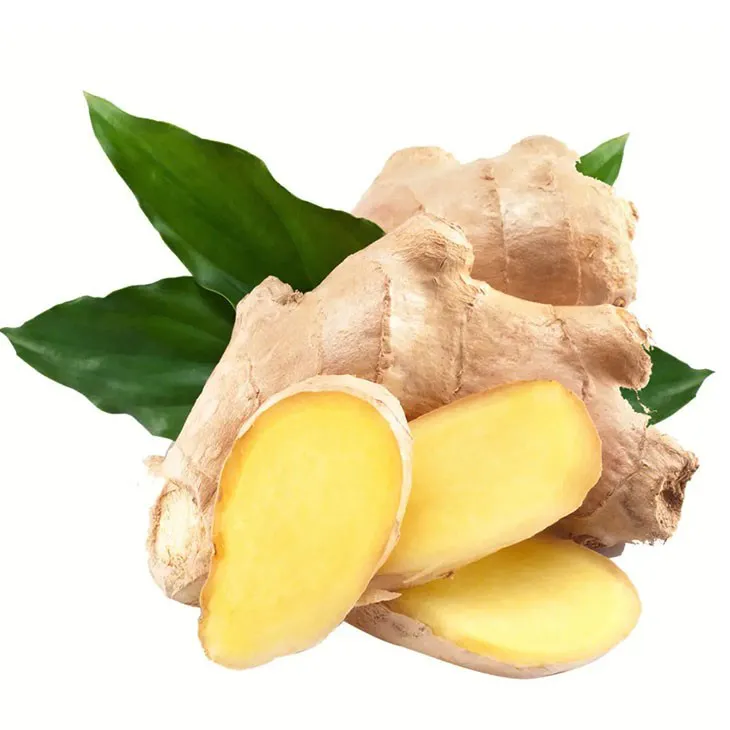
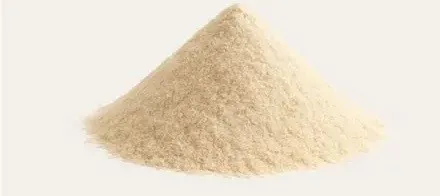
Ginger powder, also called ground ginger, is made by washing, peeling, drying, and grinding the fresh ginger rhizome into a fine powder. It is essentially the whole root in powdered form. Because no active fraction is removed or concentrated, ginger powder keeps the plant's natural composition: gingerols, shogaols, volatile oils, starches, and fiber all remain in roughly the same proportions found in the raw rhizome.
This makes ginger powder a versatile, economical ingredient for culinary applications, spice blends, teas, and baked goods. However, its active compound content is not standardized. The level of gingerols in a batch of powder depends on the variety, growing conditions, harvest time, and drying process, which means the potency can vary noticeably from one batch to the next.
What is Ginger Extract?
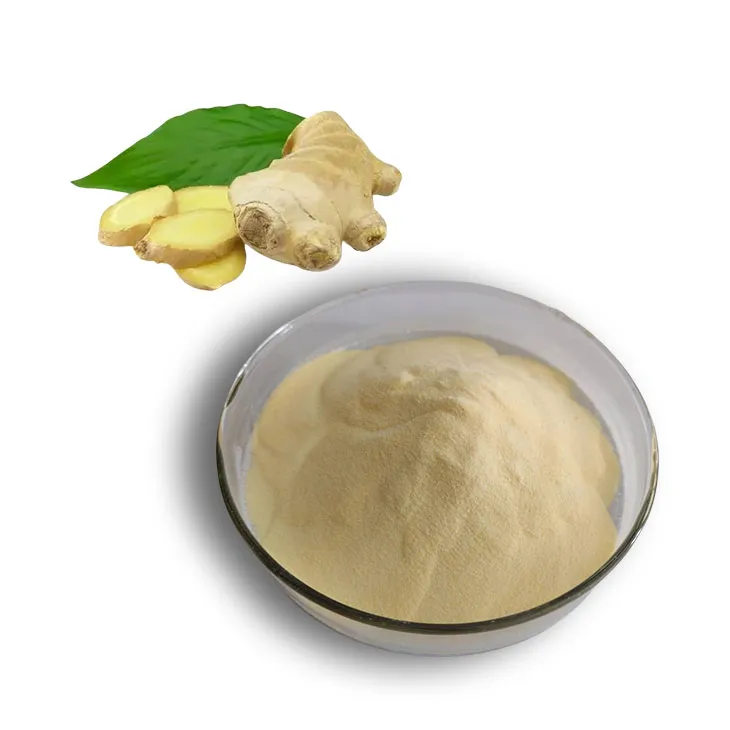
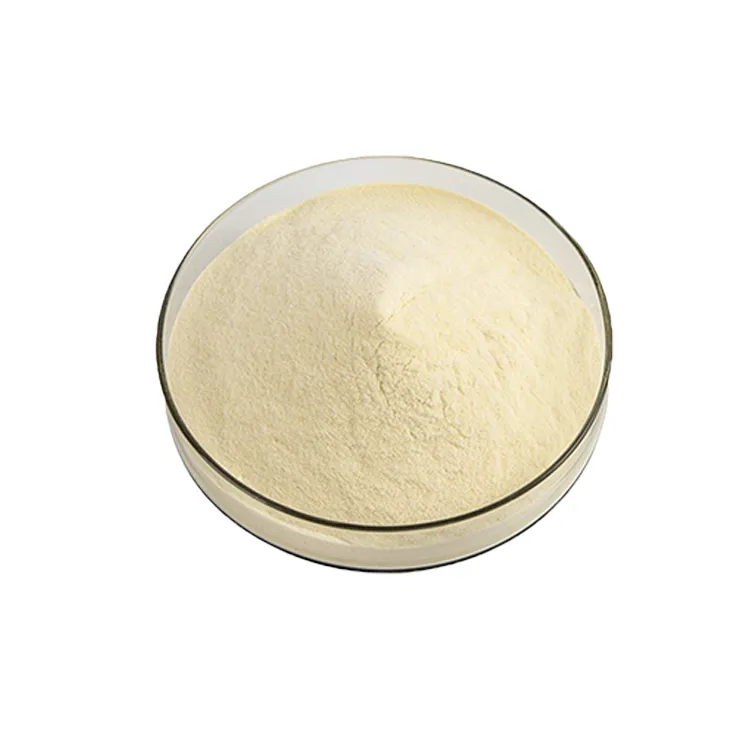
Ginger Extract is a concentrated product obtained by extracting the bioactive fraction of the rhizome with a solvent such as water, ethanol, or carbon dioxide, and then removing the solvent. The result is a concentrated oleoresin or powder that is much richer in active compounds per gram than the raw root. Depending on the intended use, the extract can be standardized to a guaranteed level of gingerols, with 5% gingerols being a common commercial specification.
Because the active compounds are concentrated, a small amount of extract can deliver a consistent, measurable dose. This is why standardized ginger extract is the form of choice for dietary supplements, functional foods, and cosmetics, where batch-to-batch consistency and label claims matter. Greensky supplies ginger extract produced in its own extraction facility, with full quality documentation available on request.
Key differences at a glance
| Aspect | Ginger Powder | Ginger Extract |
|---|---|---|
| Production | Dried and ground rhizome | Solvent extraction, then concentrated or spray-dried |
| Concentration | Whole-plant composition, low concentration of actives | High concentration of active compounds |
| Standardization | Usually not standardized | Can be standardized (e.g., 5% gingerols) |
| Typical use | Cooking, baking, spice blends, tea | Supplements, functional foods, cosmetics |
| Dosage | Larger amounts needed for effect | Small amounts deliver a consistent dose |
| Cost per unit of actives | Low, but actives are diluted | Higher, but more efficient per dose |
The chemistry behind the difference
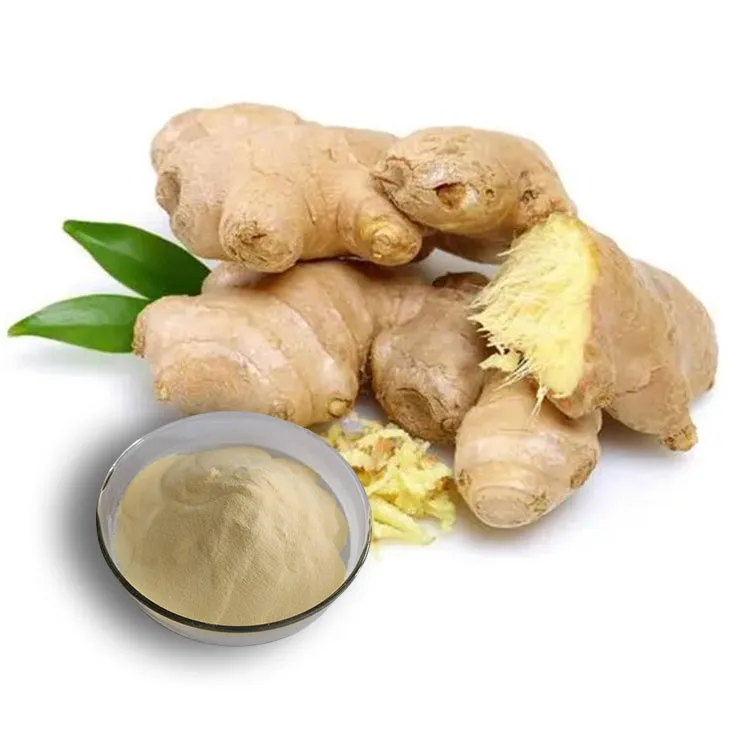
The main bioactive compounds in ginger are gingerols, which are most abundant in the fresh rhizome. When ginger is dried or heated, gingerols gradually convert into shogaols, which are more pungent and have a different activity profile. This conversion is one reason why dried ginger powder tastes hotter than fresh ginger, and why its composition differs from a carefully produced extract.
An extract, by contrast, can be manufactured to preserve or emphasize specific compounds. A manufacturer can control the extraction solvent, temperature, and drying method to deliver a product with a defined gingerol or shogaol profile, which is essential when a finished product must meet a stated specification.
Which one should you choose?
There is no universal answer, because the right choice depends on the application:
- For culinary products, spice blends, and traditional tea formulations, ginger powder is the natural, cost-effective choice.
- For dietary supplements and functional foods that must deliver a consistent, measurable dose of active compounds, standardized ginger extract is the better option.
- For beverages, instant drinks, and gummies, a water-soluble extract powder dissolves cleanly and avoids the gritty texture of ground root.
- For cosmetics and topical products, an extract with a defined active profile is easier to formulate and label accurately.
What to look for when sourcing
Whichever form you choose, the quality of the raw material and the reliability of the supplier matter as much as the product itself. When evaluating a source, look for a manufacturer that can provide:
- A clear specification sheet with assay results for the key active compounds.
- Independent laboratory testing and certificates of analysis for every batch.
- Relevant certifications such as ISO, HACCP, Halal, Kosher, or organic standards.
- Clean production facilities and full traceability from raw material to finished product.
- Export documentation to support regulatory submissions in your target markets.
Working directly with a plant extract supplier that owns its production line gives you more control over quality, specifications, and supply stability than buying through intermediaries.
Why source from Greensky?
Greensky is a professional manufacturer of natural plant extracts with more than 20 years of experience in the industry. The company operates its own extraction factory and an independent laboratory equipped with HPLC, GC, and UV instruments, so every batch of ginger extract can be tested and documented before it leaves the plant. Production runs in a 100,000-class clean area that meets food-grade requirements, and the company holds ISO22000, BRCGS, ISO9001, HALAL, and Kosher certifications.
With five wholly-owned subsidiaries and full vertical integration from raw material sourcing to production and sales, Greensky can supply consistent, high-quality ginger extract and a wide range of other botanical ingredients to markets in Europe, the United States, South Korea, and Russia.
Conclusion
Ginger powder and ginger extract both come from the same plant, but they are different products with different strengths. Powder is the whole rhizome in a convenient, economical form, while extract is a concentrated, often standardized ingredient designed for consistent dosing. Choose based on your application, and when you need a reliable partner for your ginger ingredients, contact Greensky to discuss your specification and volume requirements.
TAGS:
- ▶ Hesperidin
- ▶ Citrus Bioflavonoids
- ▶ Plant Extract
- ▶ lycopene
- ▶ Diosmin
- ▶ Grape seed extract
- ▶ Sea buckthorn Juice Powder
- ▶ Fruit Juice Powder
- ▶ Hops Extract
- ▶ Artichoke Extract
- ▶ Mushroom extract
- ▶ Astaxanthin
- ▶ Green Tea Extract
- ▶ Curcumin
- ▶ Horse Chestnut Extract
- ▶ Other Product
- ▶ Boswellia Serrata Extract
- ▶ Resveratrol
- ▶ Marigold Extract
- ▶ Grape Leaf Extract
- ▶ New Product
- ▶ Aminolevulinic acid
- ▶ Cranberry Extract
- ▶ Red Yeast Rice
- ▶ Red Wine Extract
- ▶ blog
-
Acerola Juice Powder
2026-08-15
-
Cat Claw Extract
2026-08-15
-
Fenugreek Extract Powder
2026-08-15
-
Grape Seed Extract
2026-08-15
-
Troxerutin
2026-08-15
-
Astaxanthin
2026-08-15
-
Feverfew Extract
2026-08-15
-
Apricot Powder
2026-08-15
-
American Ginseng Root Extract
2026-08-15
-
Magnolia Bark Extract
2026-08-15
