- 0086-571-85302990
- [email protected]




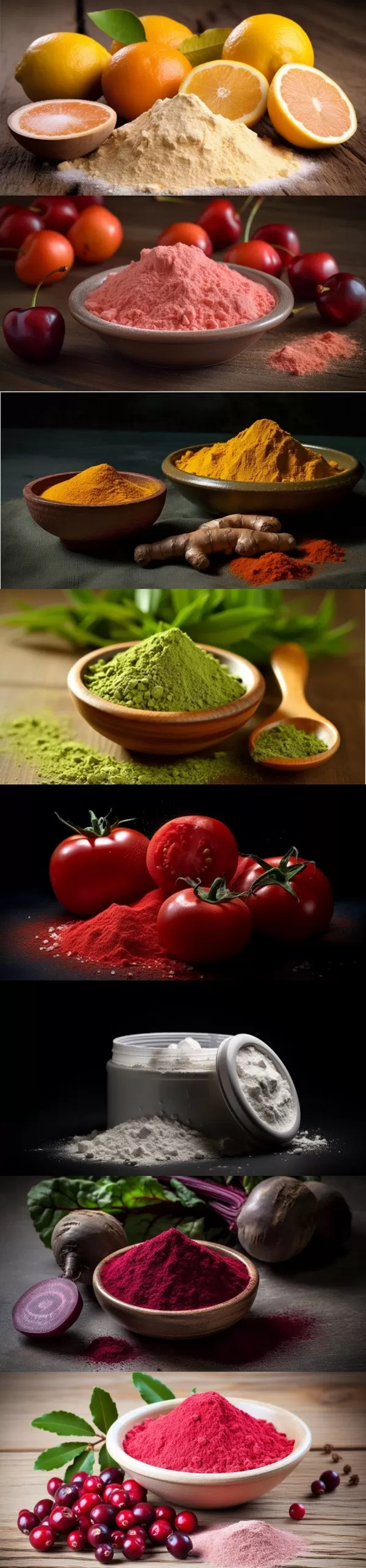

What is the difference between freeze dried fruit powder and spray dried fruit powder?
2026-08-15
Fruit powders have become a staple ingredient in instant drinks, functional foods, dietary supplements, and even cosmetics. But when buyers start comparing suppliers and specifications, one question comes up again and again: freeze-dried or spray-dried, which one should I choose? The honest answer is that neither method is universally "better." They are two different drying technologies, each with its own strengths, trade-offs, and ideal use cases. Understanding how each process works and what it delivers will help you pick the right powder for your product, your budget, and your quality goals.
What is freeze-dried fruit powder?
Freeze-drying, also called lyophilization, starts by freezing fruit juice or puree at very low temperatures, then placing it in a vacuum chamber where the frozen water sublimates directly from solid ice to vapor, skipping the liquid phase entirely. Because the whole process runs at low temperature, heat-sensitive nutrients such as vitamin C, anthocyanins, and delicate aroma compounds survive far better than in most other drying methods. The result is a porous, sponge-like powder that rehydrates quickly and keeps much of the original fruit's color, flavor, and nutritional profile.
Key characteristics of freeze-dried powder:
- Low-temperature process with minimal heat exposure
- Excellent retention of heat-sensitive nutrients and aroma
- Porous structure and fast rehydration
- Longer processing time and higher production cost
- Often used for premium, clean-label, and high-nutrient products
What is spray-dried fruit powder?
Spray-drying atomizes liquid fruit juice or concentrate into a fine mist of droplets inside a stream of hot air. Each tiny droplet dries almost instantly as it falls through the drying chamber, producing a fine, uniform powder. It is a continuous, high-throughput process, which is why it has become the workhorse of the food industry for large-scale production. Spray-dried powders typically have consistent particle size, good flowability, and long shelf stability, and they are significantly more economical to produce in bulk.
Key characteristics of spray-dried powder:
- Continuous, single-step process with high efficiency
- Consistent particle size and good flowability
- Cost-effective and highly scalable for industrial production
- Short heat exposure, though higher than freeze-drying
- Widely used for juice powders and standardized plant extracts
Freeze-dried vs spray-dried: key differences at a glance
| Aspect | Freeze-dried fruit powder | Spray-dried fruit powder |
|---|---|---|
| Drying process | Freeze then vacuum sublimation | Atomization into hot-air stream |
| Temperature | Low throughout | Moderate to high, short exposure |
| Powder structure | Porous, sponge-like, irregular | Fine, spherical, uniform |
| Rehydration | Fast, close to fresh juice | Good and generally fast |
| Nutrient retention | Excellent for heat-sensitive compounds | Good, some loss of volatiles |
| Aroma and flavor | Strong, fresh-like | Milder |
| Bulk density | Lower | Higher |
| Production cost | Higher | Lower |
| Throughput | Batch, slower | Continuous, high |
| Typical use | Premium, clean-label, high-nutrient products | Large-scale food, beverage, and supplement production |
Nutritional and quality considerations
The biggest practical difference shows up on the nutrition label. Vitamin C, for example, is notoriously heat-sensitive, and anthocyanins, the pigments behind the deep red and purple colors of berries, degrade quickly at high temperatures. Freeze-drying keeps more of these compounds intact, which is why freeze-dried berry powders tend to look brighter and test higher in antioxidant activity. Spray-drying, on the other hand, wins on cost and throughput, and modern spray-drying equipment with precise inlet and outlet temperature control can still preserve a good share of nutrients, especially when carriers are used to protect sensitive compounds. The trade-off is that spray-dried powders often contain more carrier material and slightly less of the pure fruit character.
How to choose the right option
Choose freeze-dried powder when the product is positioned as premium or clean-label, when the fruit is rich in heat-sensitive nutrients such as vitamin C or anthocyanins, when the flavor and color must taste and look as close to fresh fruit as possible, or when the end product can support a higher ingredient cost.
Choose spray-dried powder when you need large volumes at a competitive cost, when the application is a beverage mix, instant drink, bakery product, or supplement where consistent particle size and flowability matter, or when the powder will be blended with other dry ingredients.
Many brands actually use both approaches: freeze-dried powder for a signature fruit with high nutrient value, and spray-dried powder for the rest of the formula to control cost. This hybrid strategy lets you protect the nutrients that matter most while keeping the overall bill of materials competitive.
Working with a reliable fruit powder supplier
Whichever method you choose, the quality of the final powder depends heavily on the raw material and the production facility. A professional fruit juice powder manufacturer should be able to provide full documentation, stable specifications, and consistent quality across batches. When evaluating suppliers, look for food-grade production environments, in-house quality control laboratories, and recognized certifications such as ISO22000, BRCGS, HALAL, and Kosher.
Greensky, a plant extract and fruit powder manufacturer founded in 2004 and headquartered in Hangzhou, China, is one example of a vertically integrated supplier with over 20 years of experience. Its production base includes a spray drying tower, high-efficiency low-temperature concentrators, and vacuum drying equipment, all housed in a 100,000-class clean production area that meets food-grade requirements. The company's fruit powder line covers popular options such as lemon juice powder, Sea buckthorn Juice Powder, Beetroot juice Powder, and Acerola Juice Powder, and it also supplies a wide range of botanical extracts through its plant extract division. As a plant extract supplier, Greensky supports customers with export registration and documentation for global regulatory submissions.
Conclusion
There is no single right answer. Freeze-dried fruit powder wins on nutrient retention and premium quality, while spray-dried fruit powder wins on cost-efficiency and scalability. The right choice depends on your product positioning, your budget, and the nutrients you want to protect. By understanding the trade-offs between the two methods, you can make an informed decision and work with a supplier who can deliver either option to the specification you need.
- ▶ Hesperidin
- ▶ Citrus Bioflavonoids
- ▶ Plant Extract
- ▶ lycopene
- ▶ Diosmin
- ▶ Grape seed extract
- ▶ Sea buckthorn Juice Powder
- ▶ Fruit Juice Powder
- ▶ Hops Extract
- ▶ Artichoke Extract
- ▶ Mushroom extract
- ▶ Astaxanthin
- ▶ Green Tea Extract
- ▶ Curcumin
- ▶ Horse Chestnut Extract
- ▶ Other Product
- ▶ Boswellia Serrata Extract
- ▶ Resveratrol
- ▶ Marigold Extract
- ▶ Grape Leaf Extract
- ▶ New Product
- ▶ Aminolevulinic acid
- ▶ Cranberry Extract
- ▶ Red Yeast Rice
- ▶ Red Wine Extract
- ▶ blog
-
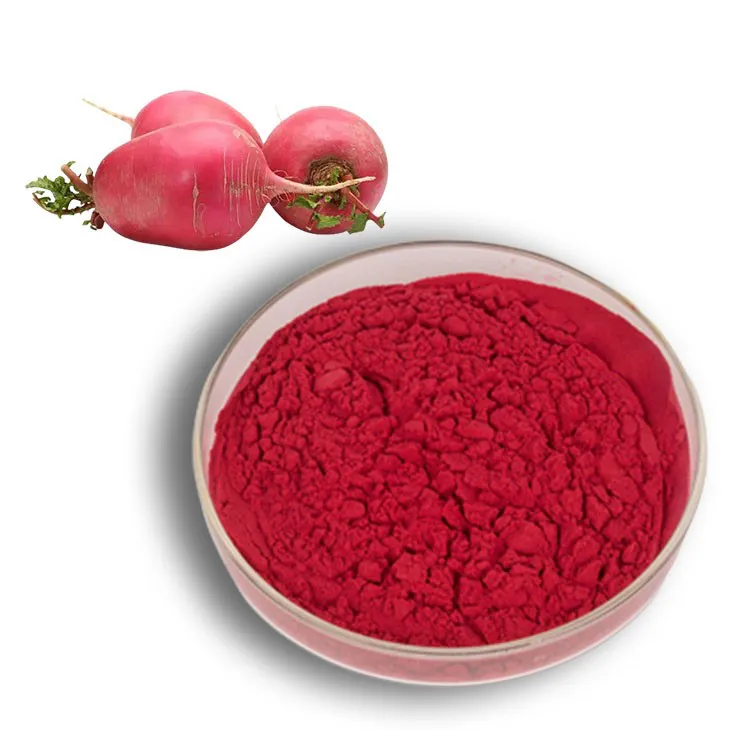
Beetroot Powder
2026-08-15
-
Rose Hip Extract
2026-08-15
-
Chasteberry Extract
2026-08-15
-
Pueraria Lobata Extract
2026-08-15
-
Honeysuckle Pollen
2026-08-15
-
Lavender Extract
2026-08-15
-
Grape Seed Extract
2026-08-15
-
Bilberry Extract
2026-08-15
-
Angelica sinensis extract
2026-08-15
-
Saw Palmetto Extract
2026-08-15