- 0086-571-85302990
- [email protected]






What is the difference between curcumin phytosome and liposomal curcumin?
2026-08-18
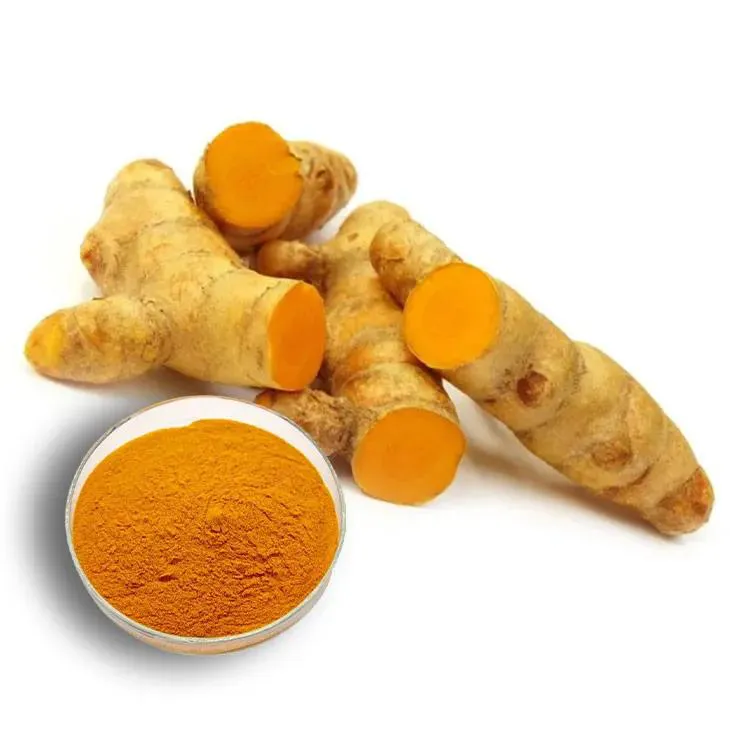
If you have compared Curcumin supplements recently, you have probably seen the same two phrases repeated: "phytosome technology" and "liposomal delivery." Both claim to fix the same genuine problem. Curcumin, the active compound in turmeric, dissolves poorly in water and breaks down quickly in the digestive tract, so plain Curcumin powder absorbs very little on its own. That is why manufacturers developed delivery systems to get more of it into the bloodstream. Curcumin phytosome and liposomal curcumin are the two most common premium options, and although they sound similar, they work in structurally different ways. This article explains the difference, how each one works, and what it means if you are sourcing curcumin ingredients for a product line.
What is curcumin phytosome?
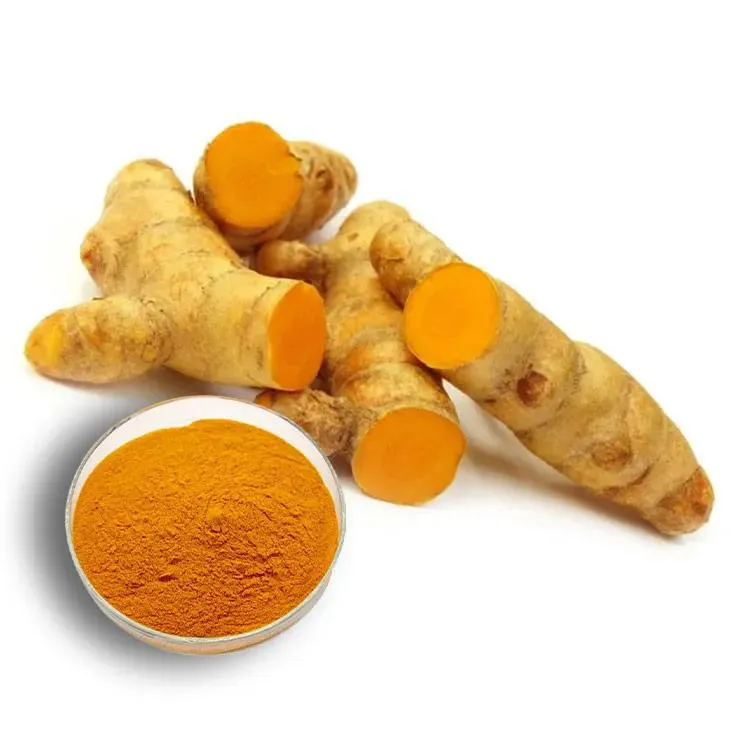
Curcumin phytosome is a molecular complex in which curcumin is chemically bound to phosphatidylcholine, a phospholipid usually derived from soy or sunflower lecithin. The word "phytosome" means "plant cell," and the technology was developed in the 1980s for botanical extracts. In this formulation, curcumin attaches to the phospholipid in roughly a 1:1 or 1:2 ratio to form a new complex. The phospholipid acts as a carrier, making curcumin more compatible with both the fatty environment of cell membranes and the watery environment of the bloodstream. The most widely studied curcumin phytosome is Meriva, which contains a standardized Curcumin Extract complexed with phosphatidylcholine. Because the curcumin is bound to a molecule the body already absorbs well, the phytosome approach does not need black pepper extract (piperine) to improve uptake, which matters for people who are sensitive to piperine or take medications that interact with it.
What is liposomal curcumin?
Liposomal curcumin takes a different structural approach. Instead of binding curcumin to a phospholipid, liposomal delivery wraps curcumin inside tiny spheres called liposomes, made from a double layer of phospholipids that mimic the structure of cell membranes. The curcumin sits inside the liposome's core, protected from stomach acid and digestive enzymes as it travels through the digestive tract. Because the outer shell is made of the same phospholipids as cell membranes, liposomes can merge with intestinal cells and release their contents inside, or pass into the lymphatic system. This is fundamentally different from a phytosome: a liposome is a protective transport vehicle, while a phytosome is a chemical complex. Both use phospholipids, but the relationship between the phospholipid and the curcumin is structurally distinct. Liposomal curcumin is usually sold as a liquid or soft-gel, though some powdered versions exist. Quality matters a great deal here, because poorly manufactured liposomes can rupture before they reach the intestines, which removes the bioavailability advantage.
How they compare
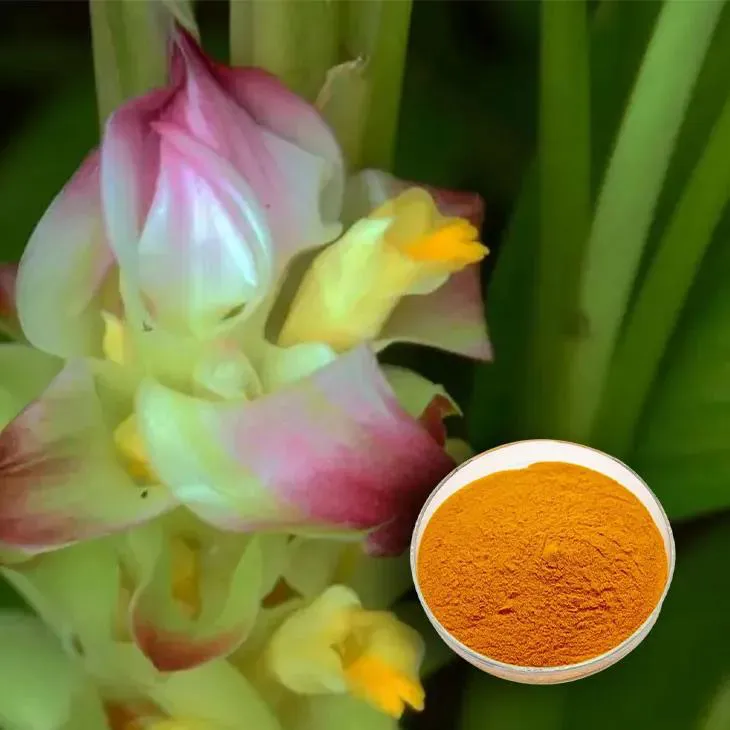
The two technologies differ in mechanism, format, and what they are best suited for. A phytosome binds curcumin to a phospholipid carrier that improves membrane compatibility, while a liposome encapsulates curcumin inside a protective sphere that avoids digestive breakdown and merges with cells. Phytosome products are typically capsules or tablets, which are shelf-stable, portable, and tasteless. Liposomal products are more often liquids or soft-gels, which may have a distinct earthy flavor and may need refrigeration after opening. Neither form requires piperine. If you want a formulation backed by published human studies, curcumin phytosome, particularly Meriva, has the edge, because researchers have used that exact formulation in clinical trials on inflammatory markers, joint comfort, and recovery. If you want the theoretical ceiling for absorption and do not mind a liquid or soft-gel format, liposomal curcumin has a strong case, because the encapsulation protects curcumin through the stomach and can bypass traditional absorption pathways.
The honest reality about absorption claims
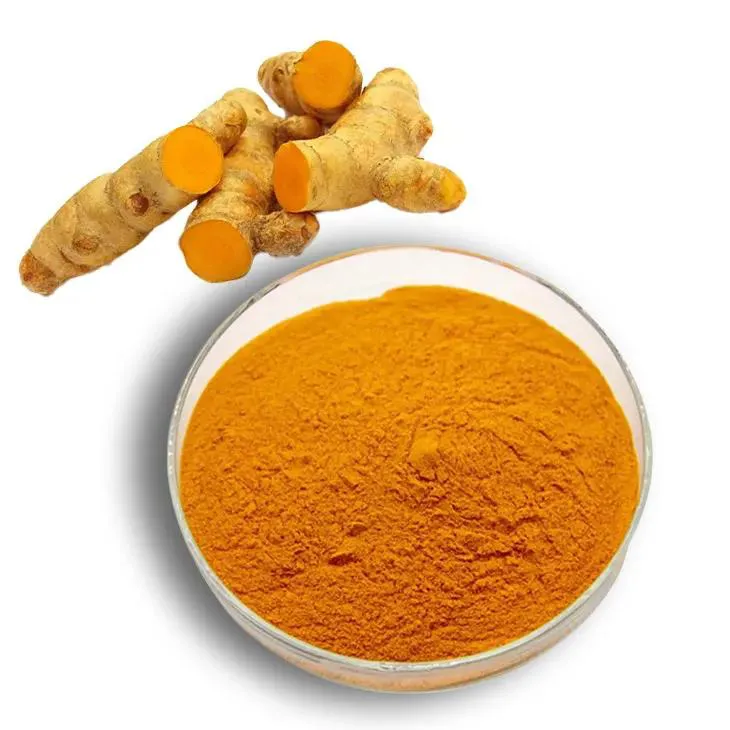
Both technologies improve absorption compared with unformulated curcumin powder. The dramatic figures you see on product labels, such as "29x" or "46x" better absorption, come from pharmacokinetic studies that measure blood levels of curcumin metabolites after a single dose. These numbers are real but context-dependent. They are measured against a baseline of plain curcumin, which absorbs so poorly that almost any enhancement looks dramatic, and the studies measure total curcuminoids in plasma using methods that vary between studies, which makes direct cross-technology comparisons difficult. More importantly, higher blood levels do not automatically mean greater physiological effects, and there is no head-to-head study that directly compares a Meriva-type phytosome with a well-characterized liposomal curcumin in the same population using the same outcome measures. The evidence is strong that both work; the evidence comparing them directly is thin.
What this means for buyers and formulators
For a brand or formulator, the choice between phytosome and liposomal curcumin is not only about the finished product format. Both delivery systems start from the same foundation: a high-quality, standardized Curcumin Extract. That is where a reliable curcumin manufacturer matters. A manufacturer with in-house laboratories, documented quality systems, and export experience can supply consistent curcumin raw material and help you evaluate which delivery form fits your product. Hangzhou Greensky Biological Tech. Co., Ltd. is one example of a curcumin manufacturer with over 20 years of experience in plant extracts. Founded in 2004, the company produces curcumin and other botanical extracts in a 100,000-class clean production area, tests every batch in its own laboratory equipped with GC, HPLC, and UV instruments, and holds ISO22000, BRCGS, ISO9001, HALAL, and Kosher certifications. In 2023 its export value reached nearly USD 30 million, with main markets in Europe, the United States, South Korea, and Russia. When you compare suppliers of curcumin phytosome and liposomal curcumin raw materials, the quality of the starting extract and the manufacturer's quality systems matter just as much as the delivery technology itself.
The bottom line
Curcumin phytosome and liposomal curcumin solve the same core problem, the poor absorption of plain curcumin, but they do it differently. A phytosome binds curcumin to a phospholipid carrier; a liposome wraps it in a protective phospholipid sphere. Neither requires piperine, both significantly outperform plain curcumin powder, and both have been used successfully in research. The choice comes down to format preference, product quality, and whether you value the clinical track record of a specific studied formulation or the theoretical absorption advantage of liposomal encapsulation. Whichever you choose, the quality of the curcumin raw material underneath matters just as much as the delivery technology, so it pays to source from a curcumin manufacturer that can document its production and testing standards.
TAGS:
- ▶ Hesperidin
- ▶ Citrus Bioflavonoids
- ▶ Plant Extract
- ▶ lycopene
- ▶ Diosmin
- ▶ Grape seed extract
- ▶ Sea buckthorn Juice Powder
- ▶ Fruit Juice Powder
- ▶ Hops Extract
- ▶ Artichoke Extract
- ▶ Mushroom extract
- ▶ Astaxanthin
- ▶ Green Tea Extract
- ▶ Curcumin
- ▶ Horse Chestnut Extract
- ▶ Other Product
- ▶ Boswellia Serrata Extract
- ▶ Resveratrol
- ▶ Marigold Extract
- ▶ Grape Leaf Extract
- ▶ New Product
- ▶ Aminolevulinic acid
- ▶ Cranberry Extract
- ▶ Red Yeast Rice
- ▶ Red Wine Extract
- ▶ blog
-
Lotus leaf extract
2026-08-18
-
Troxerutin
2026-08-18
-
Shikonin
2026-08-18
-
Lemon Juice Powder
2026-08-18
-
Shikone Extract
2026-08-18
-
Chaste Berry Extract
2026-08-18
-
Lycopene
2026-08-18
-
Scutellaria Extract
2026-08-18
-
Panax Ginseng Leaf Extract
2026-08-18
-
Genistein
2026-08-18
