- 0086-571-85302990
- [email protected]






What is the difference between a rosemary extract company and a trading agent?
2026-08-18
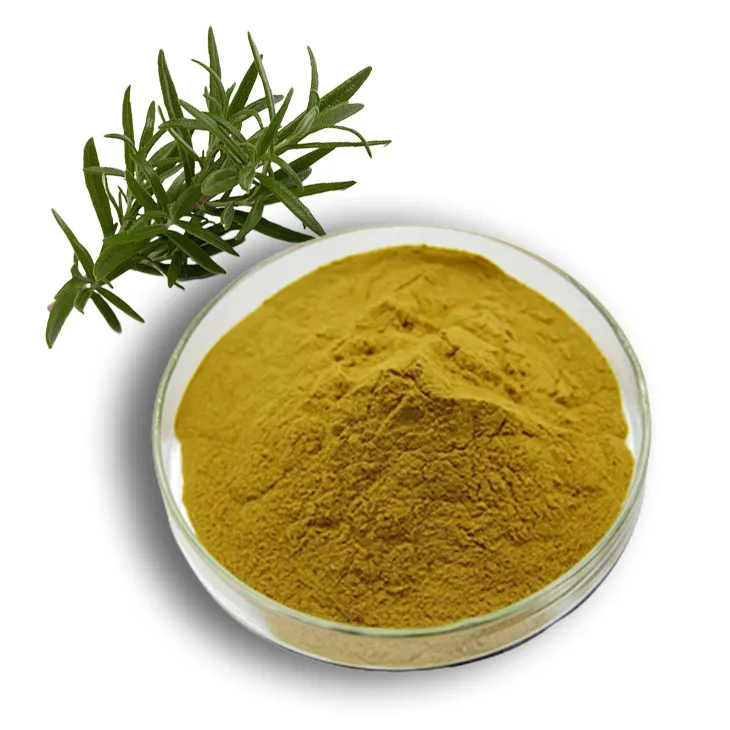
When you are sourcing rosemary extract for a food, supplement, or cosmetics line, the supplier you choose can shape your product quality, your costs, and your long-term supply security. On the surface, a Rosemary extract company and a trading agent may look similar: both can quote a price, send samples, and arrange shipments. Behind the scenes, however, the two operate in very different ways, and understanding the difference can save you from inconsistent batches, hidden markups, and regulatory headaches.
What is a Rosemary extract company?
A Rosemary extract company is a manufacturer that actually produces the extract. It sources raw rosemary leaves, runs extraction and concentration equipment, standardizes the active compounds, and packages the finished powder or liquid. A genuine manufacturer owns its production facilities, employs its own technical and quality staff, and controls every step from raw material intake to final testing.
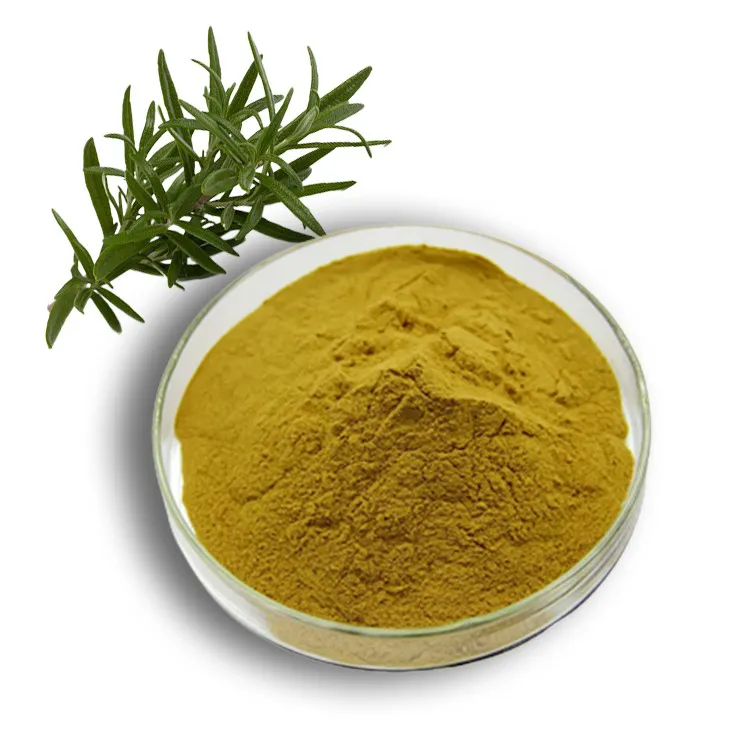
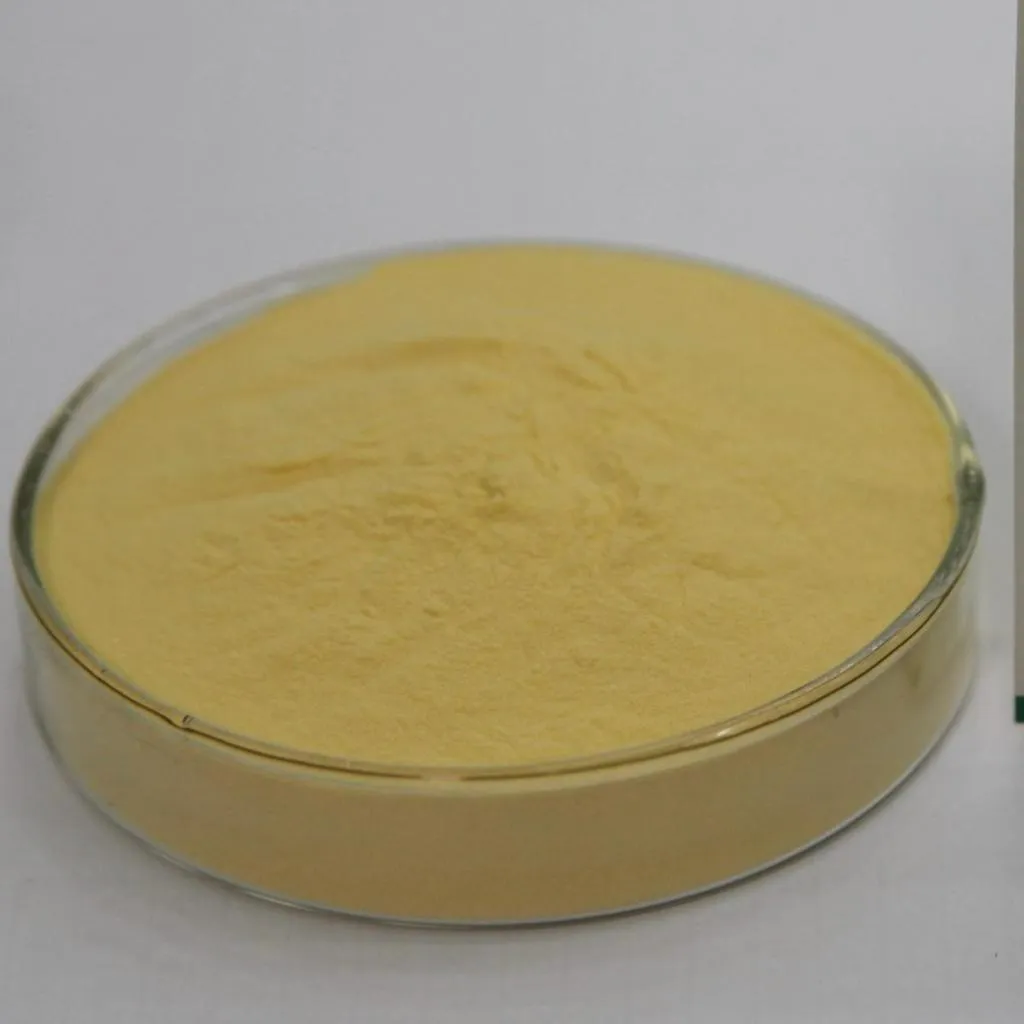
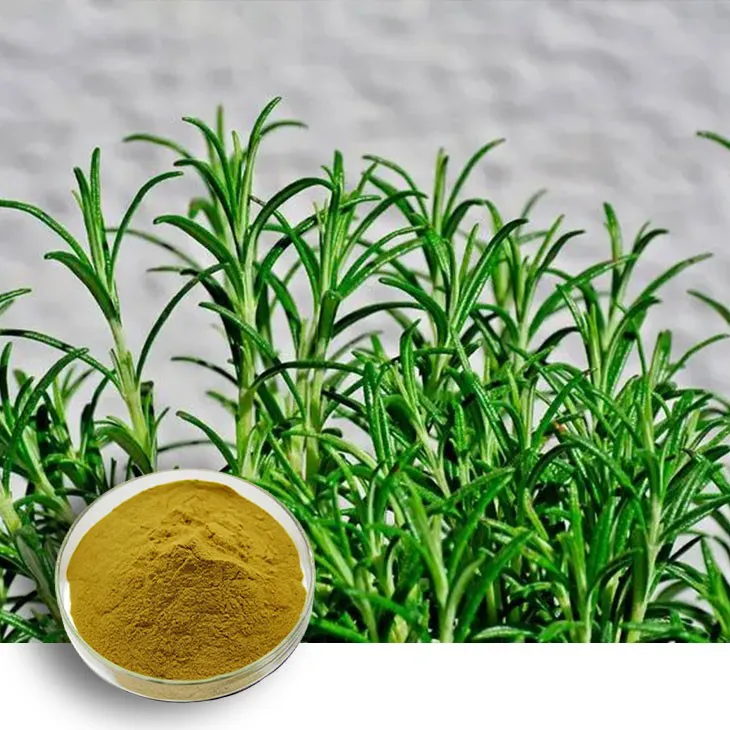
Take Hangzhou Greensky Biological Tech. Co., Ltd. as an example. Founded in 2004, Greensky has spent more than two decades producing natural plant extracts. With five wholly-owned subsidiaries and a vertically integrated operation covering research, development, production, and sales, the company manufactures rosemary extract from high-quality rosemary leaves. The extract is rich in antioxidants, essential oils, and nutrients, which is why it is widely used to extend shelf life, improve taste, and boost nutritional value across the food, beverage, health product, and cosmetics industries.
What is a trading agent?
A trading agent, also called a trading company, is an intermediary. It does not own production facilities and does not run extraction lines. Instead, it buys rosemary extract from one or more manufacturers and resells it to buyers, earning a margin in between. A trading agent can be useful for consolidating small orders, handling export logistics, or connecting buyers with a network of factories, but it does not control how the extract is made.
Key differences at a glance
| Aspect | Rosemary extract company (manufacturer) | Trading agent |
|---|---|---|
| Production | Owns and operates extraction facilities | Buys finished extract from other factories |
| Quality control | Direct control over every batch, in-house testing | Depends on the factory behind the scenes |
| Active compound standardization | Can tailor carnosic acid, rosmarinic acid, and antioxidant levels | Limited to what the source factory offers |
| Pricing | Factory-direct, no intermediary markup | Includes a trading margin on top of factory cost |
| Customization | Can adjust specifications, particle size, and packaging | Limited customization, often standard stock only |
| Certifications | Holds production and food-safety certifications in its own name | Certificates belong to the actual manufacturer |
| Transparency | Factory visits, audits, and production records are available | The real factory may not be disclosed |
| Lead time and MOQ | Production scheduling based, may require larger minimum orders | Often flexible with small orders and ready stock |
How to tell them apart
If you are not sure whether the company you are talking to is a real rosemary extract manufacturer, these checks will help you find out.
- Ask for the business license. In China, the business scope of a manufacturer lists production, processing, or manufacturing terms, while a pure trading company lists only trading and import-export terms.
- Request a factory tour or video call. A real manufacturer can show you extraction tanks, spray drying towers, and quality labs. A trading agent usually cannot.
- Check certifications. Look for food-safety and quality certificates such as ISO22000, BRCGS, HALAL, Kosher, or organic standards, and confirm they are issued to the company you are dealing with.
- Ask technical questions. A manufacturer can explain the extraction process, solvent use, and how active compound levels are standardized. A trading agent may need to go back to the factory for answers.
- Request samples and test reports. Ask for HPLC or GC analysis showing carnosic acid, rosmarinic acid, and antioxidant content, plus heavy metal and microbial data.
- Check the address. Manufacturers are usually located in industrial zones near their production sites, while trading agents often operate from city-center offices.
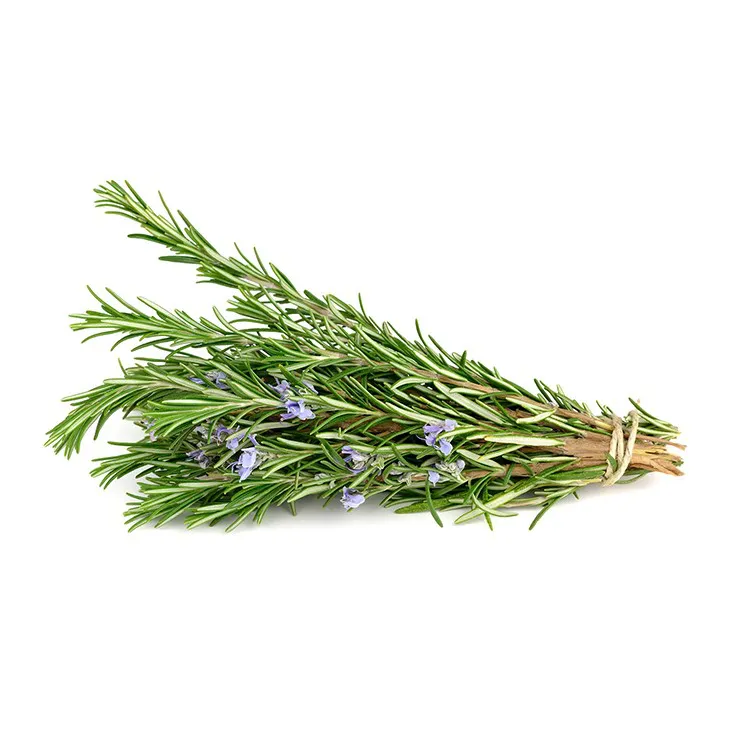
Why the difference matters for rosemary extract
Rosemary extract is not a commodity that can be bought blindly. Its value depends on the concentration of active antioxidants such as carnosic acid and rosmarinic acid, which vary with the raw material quality and the extraction process. A manufacturer can standardize these compounds batch after batch and provide the documentation you need for food, pharmaceutical, or cosmetics registration. A trading agent, by contrast, can only pass along whatever the source factory produces, which makes consistent quality harder to guarantee.
Food safety is another reason to prefer a manufacturer. A reputable rosemary extract company controls solvent residues, heavy metals, and microbial levels through its own quality system. Greensky, for instance, operates a 100,000-class clean production area that meets food-grade requirements, and its independent laboratory is equipped with GC, HPLC, and UV instruments for routine testing. Certifications including ISO22000, BRCGS, Ecocert Organic, SGS-GMP, ISO9001, HALAL, and Kosher back up these claims.
Choosing the right partner
Neither option is wrong in every situation. A trading agent can be a practical starting point if you need small quantities, want to test the market, or prefer to consolidate several ingredients in one shipment. But if you are building a brand around consistent quality, need customized specifications, or plan to scale up, working directly with a rosemary extract supplier that owns its production is the safer long-term choice.
A manufacturer with vertical integration gives you direct control over quality, better factory-direct pricing, and the ability to grow with you. Greensky's group structure, which spans plant extract production, functional red yeast rice, solid beverages, and terminal product sales, means the company understands the full journey from raw botanical to finished ingredient. With export markets across Europe, the United States, South Korea, and Russia, it also has experience preparing the regulatory documentation that global buyers need.
Conclusion
The difference between a rosemary extract company and a trading agent comes down to one question: who actually makes the product? A manufacturer owns the process and the quality, while a trading agent connects you to someone else's production. Before you commit, verify the business license, visit or video the facility, check the certifications, and ask for detailed test reports. When you find a manufacturer that can answer those questions confidently, you have found a partner you can build on.
Frequently asked questions
Is a trading agent cheaper than a rosemary extract company?
Not usually. A trading agent adds a margin on top of the factory price, so for the same product, factory-direct from a manufacturer is generally more cost-effective, especially for larger orders.
Can a trading agent provide the same quality as a manufacturer?
A trading agent can only offer the quality of the factory it buys from, and it has limited influence over production. A manufacturer controls quality directly through its own extraction and testing processes.
How can I verify that a supplier really manufactures rosemary extract?
Ask for the business license, request a factory tour or video call, check that certifications are in the supplier's own name, and ask for HPLC or GC test reports on active compounds such as carnosic acid and rosmarinic acid.
- ▶ Hesperidin
- ▶ Citrus Bioflavonoids
- ▶ Plant Extract
- ▶ lycopene
- ▶ Diosmin
- ▶ Grape seed extract
- ▶ Sea buckthorn Juice Powder
- ▶ Fruit Juice Powder
- ▶ Hops Extract
- ▶ Artichoke Extract
- ▶ Mushroom extract
- ▶ Astaxanthin
- ▶ Green Tea Extract
- ▶ Curcumin
- ▶ Horse Chestnut Extract
- ▶ Other Product
- ▶ Boswellia Serrata Extract
- ▶ Resveratrol
- ▶ Marigold Extract
- ▶ Grape Leaf Extract
- ▶ New Product
- ▶ Aminolevulinic acid
- ▶ Cranberry Extract
- ▶ Red Yeast Rice
- ▶ Red Wine Extract
- ▶ blog
-
Hericium erinaceus extract powder
2026-08-18
-
Baicalin
2026-08-18
-
Buckthorn bark extract
2026-08-18
-
Senna Leaf Extract
2026-08-18
-
Ginger Extract
2026-08-18
-
White Willow Bark Extract
2026-08-18
-
Mangosteen extract powder
2026-08-18
-
Avocado Extract Powder
2026-08-18
-
Honeysuckle Pollen
2026-08-18
-
Red Date Extract
2026-08-18
