- 0086-571-85302990
- [email protected]




What is the connection between grape seed extract for estrogen and menopause?
2026-08-13
Menopause is one of the most significant hormonal transitions a woman goes through, and much of what makes it challenging comes down to falling estrogen levels. Hot flashes, night sweats, mood swings, and sleep problems are all tied to this natural decline. As women look for ways to feel better without relying on medical hormone therapy, botanical supplements have moved into the spotlight. Among them, Grape Seed Extract generates a lot of questions, especially around whether it affects estrogen and how it might support the body during menopause. Here is a clear look at what the science actually says.
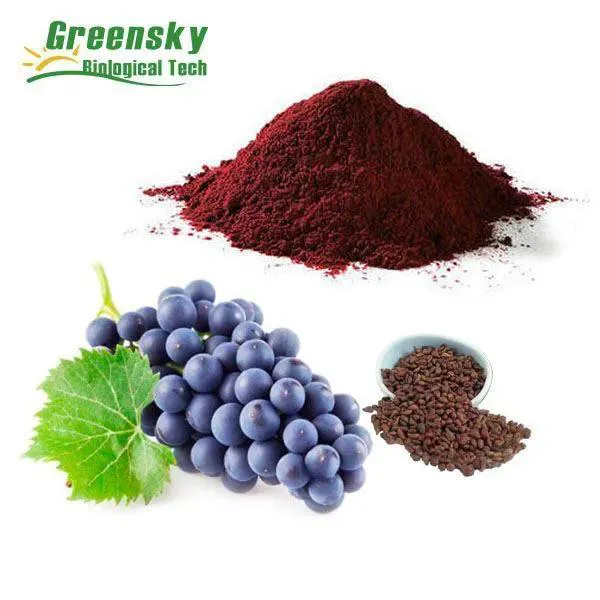
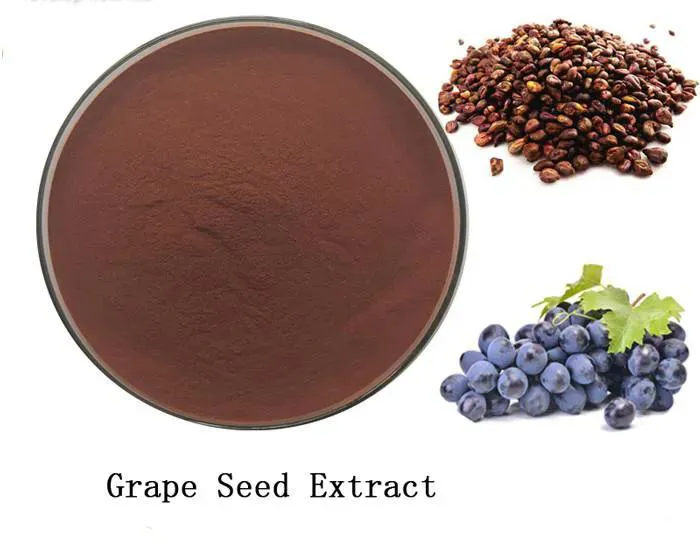
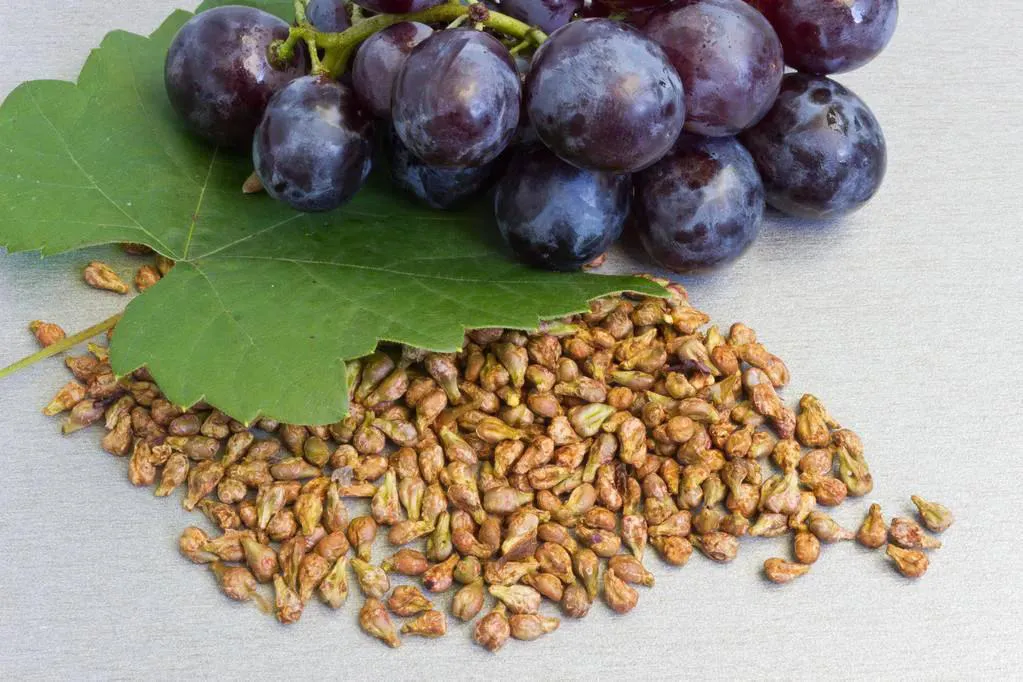
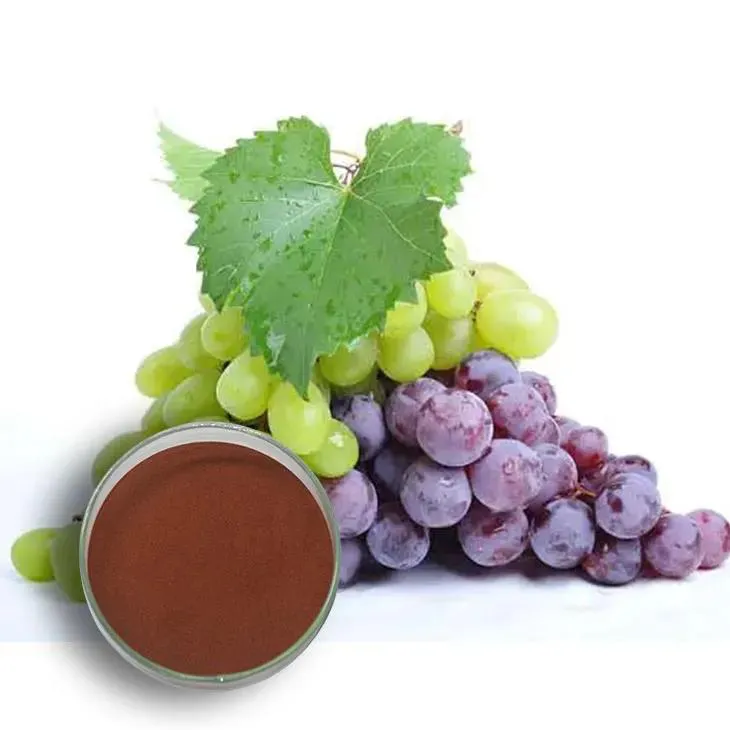
Grape Seed Extract is a concentrated powder made from the small seeds of grapes. It is prized for its proanthocyanidins, a family of plant compounds with strong antioxidant activity. These polyphenols are the reason Grape Seed Extract has become a staple in health-conscious households, and they are also the reason researchers became interested in how this botanical interacts with hormones.
The estrogen question: does grape seed extract lower estrogen?
The interest in grape seed extract and estrogen began in the laboratory. Early test-tube and animal studies suggested that certain compounds in grapes could act as aromatase inhibitors, meaning they might reduce the production of estrogen. This raised an intriguing possibility: could grape seed extract help women by lowering estrogen levels?
To answer that question directly, researchers at the Mayo Clinic ran a randomized, double-blind pilot study on postmenopausal women. Participants took grape seed extract in daily doses of 200, 400, 600, or 800 milligrams for 12 weeks, and their blood hormone levels were measured before and after. The results were clear: grape seed extract did not meaningfully lower plasma estrogen levels, and it did not raise the androgen precursors of estrogen either. In other words, the laboratory hypothesis did not carry over into a real effect in women.
This finding is actually reassuring. It means that grape seed extract does not appear to interfere with a woman's natural estrogen balance. For women navigating menopause, that removes a major concern about adding this supplement to their routine.
So why do women take it during menopause?
If grape seed extract does not change estrogen levels, why has it earned a place in many women's menopause toolkit? The answer lies in the broad range of benefits that proanthocyanidins offer, benefits that become especially relevant as estrogen declines and the body becomes more vulnerable to oxidative stress and age-related changes.
Clinical research on middle-aged and older women has linked proanthocyanidin intake to support in several areas that matter during and after menopause:
- Cardiovascular health. The antioxidant activity of grape seed extract helps protect blood vessels, an important consideration because heart disease risk rises after menopause.
- Bone support. Emerging research suggests grape seed extract may help protect against bone loss related to estrogen deficiency, offering natural support alongside calcium and vitamin D.
- Skin health. Proanthocyanidins help defend skin cells against oxidative damage, which can be a concern as collagen production slows with age.
- General antioxidant defense. By neutralizing free radicals, grape seed extract helps support overall cellular health during a period of hormonal change.
Importantly, grape seed extract appears to be gentle and well tolerated. Clinical studies have reported few side effects, which makes it an approachable option for women who want to support their health naturally without aggressive intervention.
What to keep in mind
As with any supplement, quality matters. The active compounds in grape seed extract are delicate, which means manufacturing standards play a big role in how well the product preserves its beneficial polyphenols. When choosing grape seed extract as a dietary supplement, it is worth looking for suppliers that follow strict quality controls and can provide consistently standardized extracts.
It is also worth noting a few practical cautions. Because grape seed extract may have mild blood-thinning effects, anyone taking anticoagulant medication should talk to a doctor before adding it. Like all supplements, it is meant to support a healthy lifestyle, not replace medical care, so women with specific health concerns should review their choices with a healthcare professional.
The bottom line
The connection between grape seed extract, estrogen, and menopause is often misunderstood. The research shows that grape seed extract does not lower estrogen levels in postmenopausal women, which is good news for those who worry about hormonal disruption. What grape seed extract does offer is steady antioxidant support for the cardiovascular, bone, and skin systems that need extra attention as estrogen declines.
For manufacturers and brands building menopause-focused products, a high-quality natural ingredient can make a meaningful difference. Greensky, an experienced plant extract manufacturer founded in 2004, supplies standardized grape seed extract powder backed by rigorous quality control and full documentation, making it a dependable partner for businesses around the world.
TAGS:
- ▶ Hesperidin
- ▶ Citrus Bioflavonoids
- ▶ Plant Extract
- ▶ lycopene
- ▶ Diosmin
- ▶ Grape seed extract
- ▶ Sea buckthorn Juice Powder
- ▶ Fruit Juice Powder
- ▶ Hops Extract
- ▶ Artichoke Extract
- ▶ Mushroom extract
- ▶ Astaxanthin
- ▶ Green Tea Extract
- ▶ Curcumin
- ▶ Horse Chestnut Extract
- ▶ Other Product
- ▶ Boswellia Serrata Extract
- ▶ Resveratrol
- ▶ Marigold Extract
- ▶ Grape Leaf Extract
- ▶ New Product
- ▶ Aminolevulinic acid
- ▶ Cranberry Extract
- ▶ Red Yeast Rice
- ▶ Red Wine Extract
- ▶ blog
-
White Peony Extract
2026-08-13
-
Wheat Germ Extract
2026-08-13
-
Beta Carotene
2026-08-13
-
Tinospora cordifolia extract
2026-08-13
-
Phellodendron Extract
2026-08-13
-
Diosmin
2026-08-13
-
Nettle Root Extract
2026-08-13
-
Chaste Berry Extract
2026-08-13
-
Reishi mushroom extract
2026-08-13
-
Ivy Extract
2026-08-13