- 0086-571-85302990
- [email protected]






What is the anthocyanin content in purple yam extract?
2026-08-12
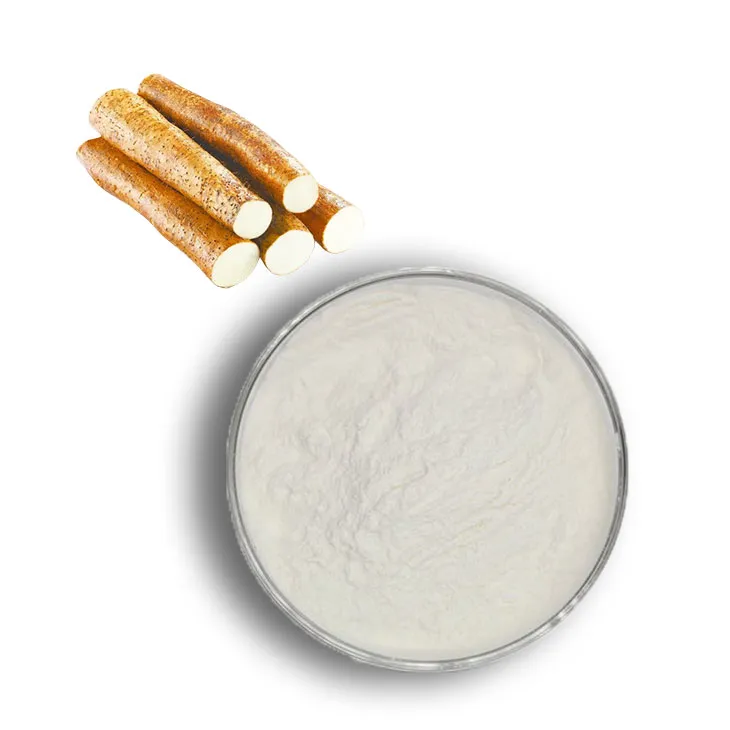
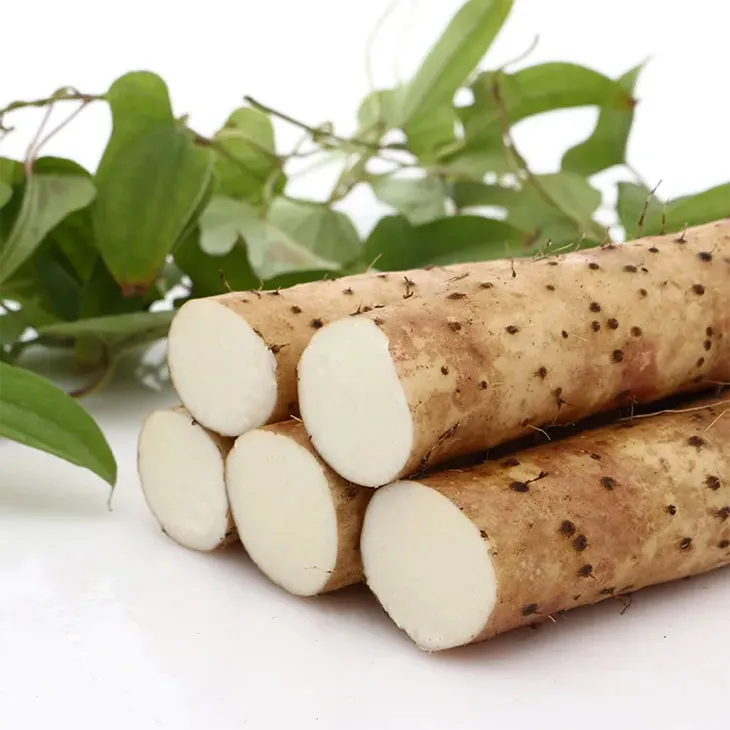
Purple yam, botanically known as Dioscorea alata, has long been valued in traditional cuisines for its deep violet flesh and mild sweetness. In recent years it has drawn growing attention from the dietary supplement and functional food industries, largely because of one class of natural pigments: anthocyanins. For buyers sourcing raw purple yam extract, understanding the actual anthocyanin content is essential for product formulation, labeling, and quality assurance.
This article explains what determines the anthocyanin content in purple Yam Extract, the typical values reported in the literature, and what to look for when working with a plant extract supplier.
What are anthocyanins?
Anthocyanins are water-soluble pigments that give many fruits and vegetables their red, purple, and blue colors. They belong to the flavonoid family and act as natural antioxidants in the human body. In purple yam, anthocyanins are concentrated in the tuber flesh and are responsible for the characteristic deep purple color. The main anthocyanins found in purple yam are cyanidin and peonidin derivatives, which are also the compounds most commonly measured in commercial extracts.
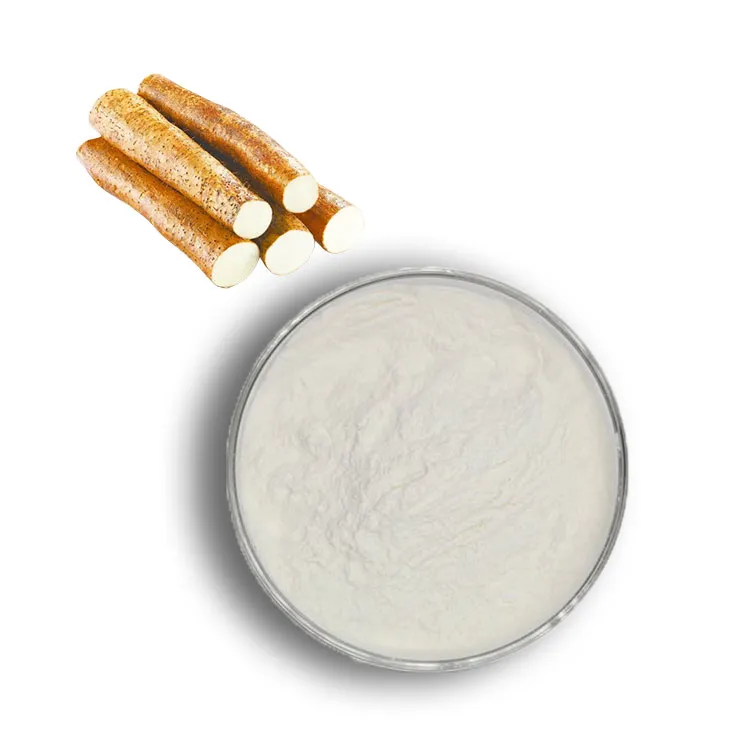
Typical anthocyanin content in purple yam
Published research shows that anthocyanin levels vary noticeably depending on the tissue type, variety, growing region, and how the material is processed. Studies on Dioscorea alata report total anthocyanin contents of roughly 31 mg per 100 g of dry matter in fresh tubers, while dried flour prepared from the same material can contain around 56 mg per 100 g of dry matter. This difference illustrates why the extraction and drying process matters so much when a manufacturer claims a specific anthocyanin level.
Instead of relying on a single number, buyers should treat anthocyanin content as a range that depends on several variables. Characteristic purple varieties tend to carry the highest pigment levels, while lightly colored or mixed batches will test lower. Because anthocyanins are sensitive to light, pH, and heat, gentle low-temperature processing helps preserve more of the pigment through to the final extract.
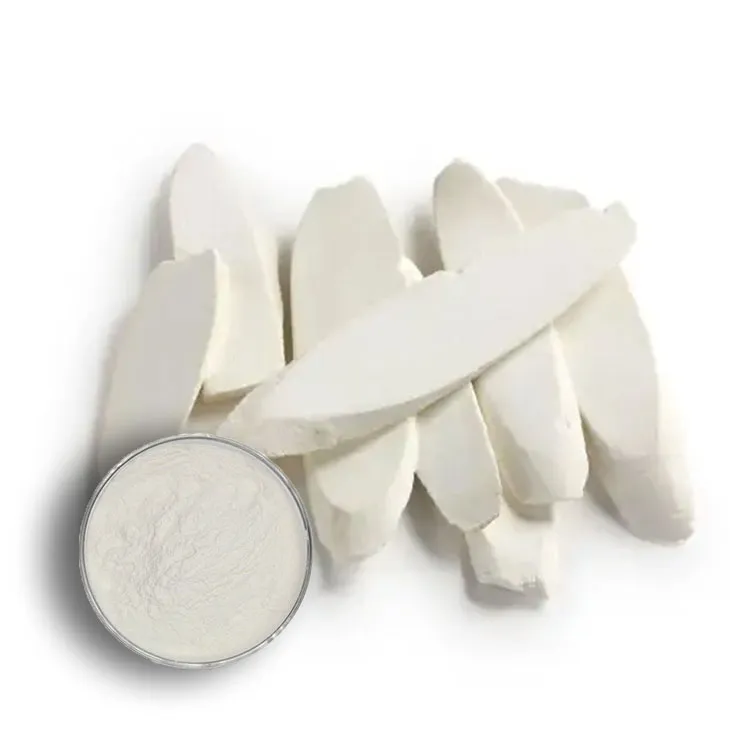
Factors that affect anthocyanin content
Several practical factors determine how much anthocyanin ends up in a batch of purple Yam Extract. Variety and genetic background set the ceiling for pigment production. Growing conditions, including soil, sunlight, and harvest timing, influence the amount synthesized in the tuber. Post-harvest handling and drying temperature also play a major role, as excessive heat can degrade these fragile pigments.
Finally, the extraction method itself matters. Solvent type, extraction temperature, and the degree of concentration all affect the final measured value. A reliable manufacturer will normally specify the standardization on the Certificate of Analysis, so the buyer knows exactly what level of anthocyanins to expect in each batch.
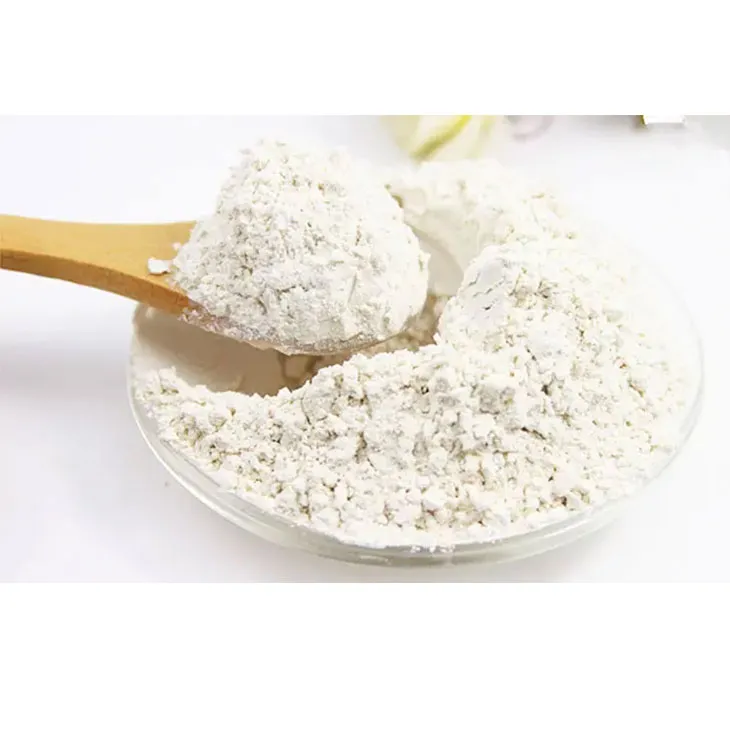
Why anthocyanin content matters for formulators
For product developers, a consistent and well-documented anthocyanin level is critical. It affects the color intensity of the finished supplement or food product, the antioxidant activity per serving, and the accuracy of the nutrition or supplement label. A batch that drifts below the labeled value can create compliance problems and disappoint end consumers, while a standardized extract gives formulators predictable results.
Beyond color, anthocyanins are studied for their antioxidant and anti-inflammatory properties, which is why they are increasingly used in functional beverages, powders, and nutraceutical capsules. Working with an experienced manufacturer that can provide consistent standardization helps ensure the finished product performs as intended.
Choosing a reliable supplier
When sourcing purple Yam Extract, the quality of the raw material and the reliability of the supplier matter as much as the pigment level itself. A reputable plant extract supplier should be able to provide detailed specifications, batch testing data, and consistent supply. Hangzhou Greensky Biological Tech. Co., Ltd., a plant extract manufacturer founded in 2004 with over twenty years of experience, operates an independent laboratory equipped with HPLC and other analytical instruments, and maintains food-grade production facilities to support consistent, traceable extracts.
Buyers should ask for the Certificate of Analysis, confirm the standardization level, and verify that the anthocyanin content meets the specification before committing to a large order. Clear documentation reduces the risk of receiving a batch that does not perform as expected in the final product.
Conclusion
The anthocyanin content in purple yam extract is not a fixed number. It typically ranges from about 30 to 60 mg per 100 g of dry matter depending on the variety and processing, with standardized extracts offering more predictable levels. Understanding these variables allows formulators and buyers to choose raw materials that meet their color, label, and quality requirements.
If you are developing a product around anthocyanin-rich ingredients, work with a supplier that offers documented, regionally sourced purple yam extract and transparent batch testing. That combination gives you both the pigment performance you need and the confidence that every order meets the same standard.
TAGS:
- ▶ Hesperidin
- ▶ Citrus Bioflavonoids
- ▶ Plant Extract
- ▶ lycopene
- ▶ Diosmin
- ▶ Grape seed extract
- ▶ Sea buckthorn Juice Powder
- ▶ Fruit Juice Powder
- ▶ Hops Extract
- ▶ Artichoke Extract
- ▶ Mushroom extract
- ▶ Astaxanthin
- ▶ Green Tea Extract
- ▶ Curcumin
- ▶ Horse Chestnut Extract
- ▶ Other Product
- ▶ Boswellia Serrata Extract
- ▶ Resveratrol
- ▶ Marigold Extract
- ▶ Grape Leaf Extract
- ▶ New Product
- ▶ Aminolevulinic acid
- ▶ Cranberry Extract
- ▶ Red Yeast Rice
- ▶ Red Wine Extract
- ▶ blog
-
Lotus leaf extract
2026-08-12
-
Konjac Powder
2026-08-12
-
Cassia Seed Extract
2026-08-12
-
Hedyotis Diffusa Extract
2026-08-12
-
Baobab Fruit Extract
2026-08-12
-
Cat Claw Extract
2026-08-12
-
Nettle Root Extract
2026-08-12
-
Tongkat Ali Extract Powder
2026-08-12
-
Red Vine Extract
2026-08-12
-
Citrus bioflavonoids
2026-08-12
