- 0086-571-85302990
- [email protected]



What is moringa powder bulk pricing per metric ton?
2026-08-14
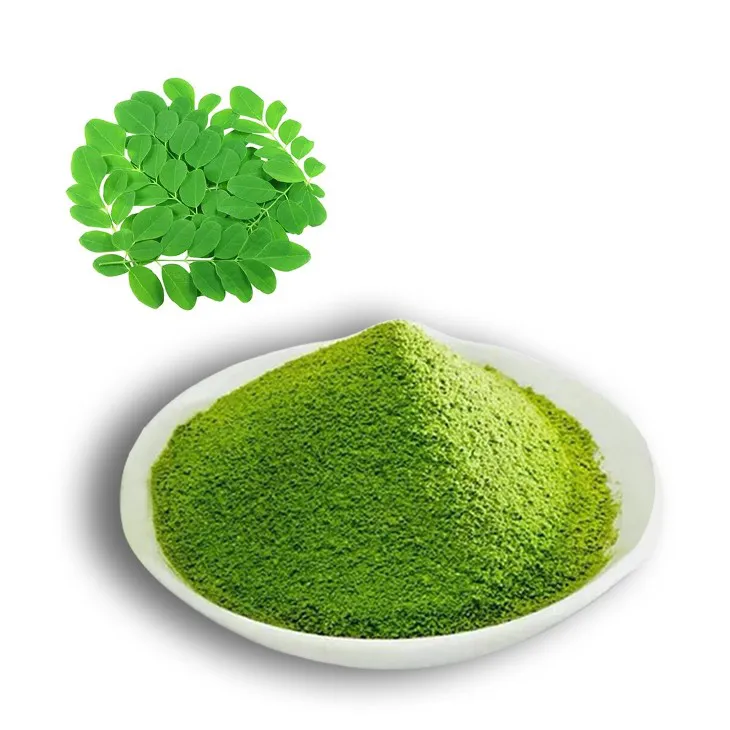
What is Moringa powder bulk pricing per metric ton?
If you are sourcing Moringa powder for a supplement line, a functional food formula, or a private-label brand, one of the first questions you will ask is: what does it actually cost when you buy in bulk? Unlike retail packs, bulk Moringa powder is quoted per kilogram or per metric ton, and the number can vary widely depending on quality, origin, processing, and certifications. This guide breaks down the typical per-ton price ranges, the factors that move the price, and how to get an accurate quote from a reliable moringa powder supplier.
What drives the bulk price of moringa powder?
Moringa powder is made by drying and milling the leaves of the Moringa oleifera tree, often called the "miracle tree" for its dense nutritional profile. Because the raw material is a simple leaf powder, the price is shaped more by how it is produced than by the leaf itself. The main cost drivers are:
- Quality grade: Food-grade powder that meets strict microbiological and heavy-metal limits commands a higher price than industrial-grade material.
- Drying method: Low-temperature or shade drying preserves heat-sensitive nutrients such as vitamin C and enzymes, and it costs more than sun drying.
- Organic certification: Certified organic leaf powder carries a premium because the farming and audit costs are higher.
- Particle size and purity: Fine, uniform powder that is free of stems and foreign matter is worth more per ton.
- Order volume: Larger orders, especially full-container or multi-ton quantities, unlock lower per-kilogram pricing.
Typical moringa powder bulk pricing per metric ton
The table below summarizes the typical wholesale ranges reported across the market. These are planning figures, not fixed quotes, and the actual price you receive will depend on your specifications and volume.
| Product type | Typical wholesale price per kg | Approximate price per metric ton |
|---|---|---|
| Non-organic moringa leaf powder | US$4 - US$6 | US$4,000 - US$6,000 |
| Organic moringa leaf powder | US$8 - US$15 | US$8,000 - US$15,000 |
| Moringa capsules (bulk, 500 mg) | US$20 - US$40 | US$20,000 - US$40,000 |
A useful rule of thumb: if a quote for moringa leaf powder comes in well below US$4 per kilogram, treat it with caution. Extremely low prices often signal adulteration with cheaper filler leaves or poor processing, which can create compliance problems later. Mid-range pricing with full documentation is usually the best value.
How to get an accurate per-ton quote
A per-ton price is only meaningful when you compare like with like. Before you ask for a quote, decide on your target specifications: organic or conventional, moisture content (ideally below 8%), particle size, and the certificates you need. Then ask the supplier for a certificate of analysis covering heavy metals, microbial counts, and the nutrient profile of the specific batch.
It is also worth asking about the minimum order quantity and how the price scales. Many manufacturers offer tiered pricing, so a 1-ton order will not cost the same per kilogram as a 10-ton order. Requesting a small trial batch before committing to a full container is standard practice and lets you verify color, taste, and lab results before scaling up.
Why source from a reliable manufacturer
The cheapest per-ton price is rarely the cheapest cost in the long run. A failed shipment, a rejected batch, or a compliance issue can erase any savings. Working with an established manufacturer reduces that risk. Hangzhou Greensky Biological Tech. Co., Ltd. has produced natural plant extracts since 2004 and supplies China Moringa powder along with a catalog of more than 150 botanical extracts. Its vertically integrated group handles research, development, production, and export under one roof, with a 100,000-class clean production area and an in-house laboratory equipped with GC, HPLC, and UV instruments.
Greensky holds ISO22000, BRCGS, Ecocert Organic, SGS-GMP, ISO9001, HALAL, and Kosher certifications, and it provides export documentation for global regulatory submissions. For buyers in Europe, the United States, South Korea, and Russia, that combination of certification and documentation makes the per-ton price easier to justify. To request a current quote for bulk moringa powder, contact the sales team at [email protected].
Conclusion
Moringa powder bulk pricing per metric ton typically ranges from about US$4,000 to US$6,000 for conventional leaf powder and US$8,000 to US$15,000 for organic grades, with finished capsules costing considerably more. The exact figure depends on quality, certification, and order size, so the smartest approach is to define your specifications first, compare documented quotes, and choose a supplier whose certifications and production standards back up the price.
Frequently asked questions
Why is organic moringa powder more expensive per ton? Organic certification adds farming, inspection, and audit costs, and organic leaf powder is usually dried more carefully to preserve nutrients, which pushes the price up.
Does the price drop with larger orders? Yes. Most manufacturers use tiered pricing, so per-kilogram and per-ton rates fall as the order volume increases, especially for full-container quantities.
What should a quote include? A reliable quote should state the grade, moisture content, particle size, certifications, packaging, and the specific batch's certificate of analysis so you can compare offers fairly.
- ▶ Hesperidin
- ▶ Citrus Bioflavonoids
- ▶ Plant Extract
- ▶ lycopene
- ▶ Diosmin
- ▶ Grape seed extract
- ▶ Sea buckthorn Juice Powder
- ▶ Fruit Juice Powder
- ▶ Hops Extract
- ▶ Artichoke Extract
- ▶ Mushroom extract
- ▶ Astaxanthin
- ▶ Green Tea Extract
- ▶ Curcumin
- ▶ Horse Chestnut Extract
- ▶ Other Product
- ▶ Boswellia Serrata Extract
- ▶ Resveratrol
- ▶ Marigold Extract
- ▶ Grape Leaf Extract
- ▶ New Product
- ▶ Aminolevulinic acid
- ▶ Cranberry Extract
- ▶ Red Yeast Rice
- ▶ Red Wine Extract
- ▶ blog
-
Lycopene
2026-08-14
-
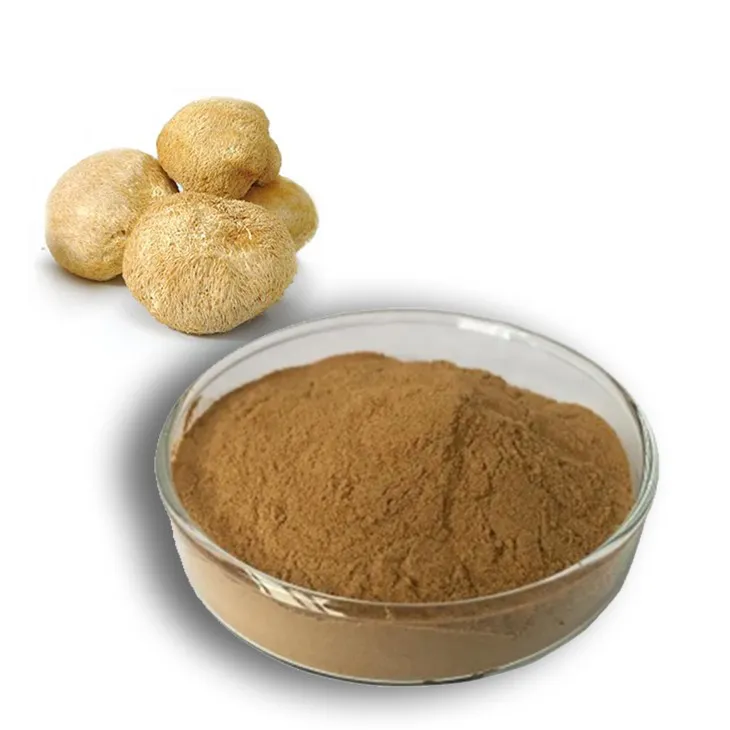
Hericium erinaceus extract powder
2026-08-14
-
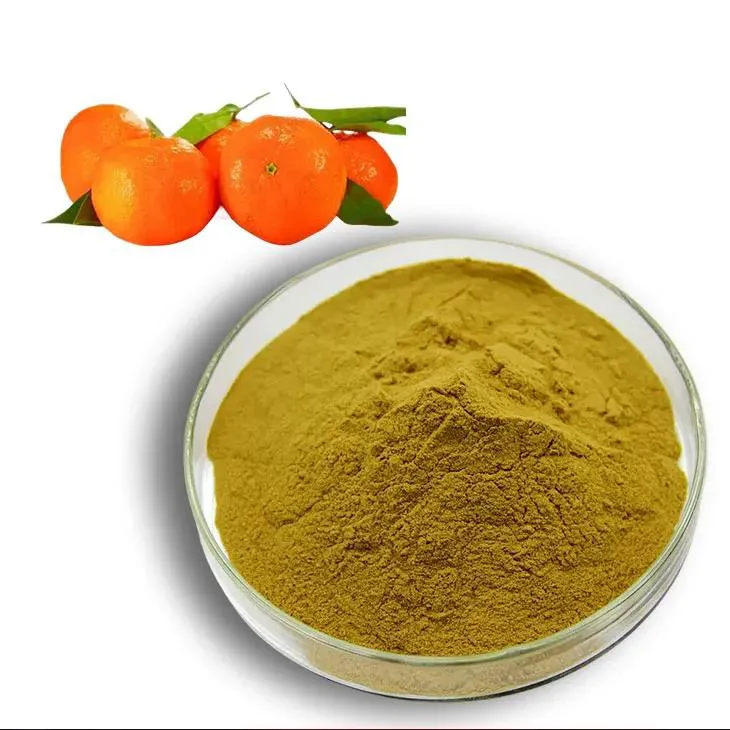
Citrus bioflavonoids
2026-08-14
-
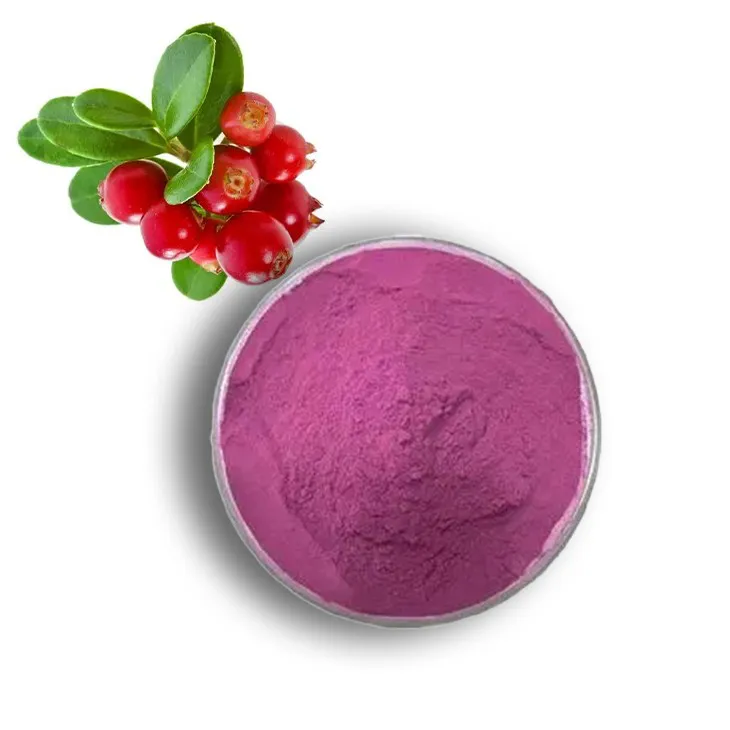
Europen Bilberry Extract
2026-08-14
-
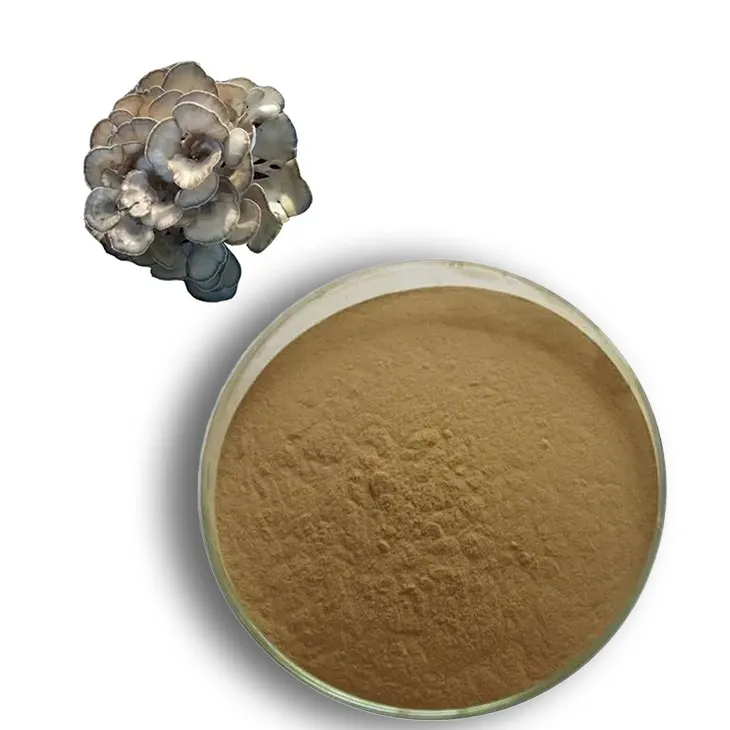
Maitake Mushroom Extract
2026-08-14
-
Tamarind extract powder
2026-08-14
-
Citrus Aurantium Extract
2026-08-14
-
Bayberry Extract
2026-08-14
-
Acai Berry Extract
2026-08-14
-
Hedyotis Diffusa Extract
2026-08-14