- 0086-571-85302990
- [email protected]





What is lemon extract used for in food manufacturing?
2026-08-18
Lemon is one of the most recognized flavors in the world, and it shows up in everything from soft drinks and baked goods to dairy desserts and ready meals. In food manufacturing, lemon extract does far more than add a citrusy taste. It is a multifunctional ingredient that brings bright flavor, natural acidity, antioxidant activity, and a clean-label profile to a wide range of products. Understanding what Lemon Extract can do, and which form fits which application, helps manufacturers make smarter formulation and sourcing decisions.
What exactly is Lemon Extract?
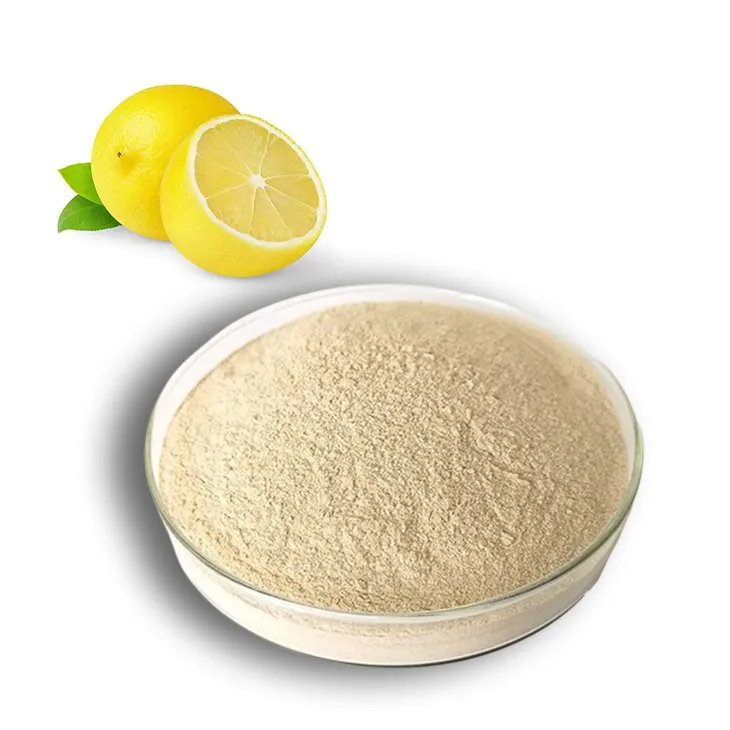
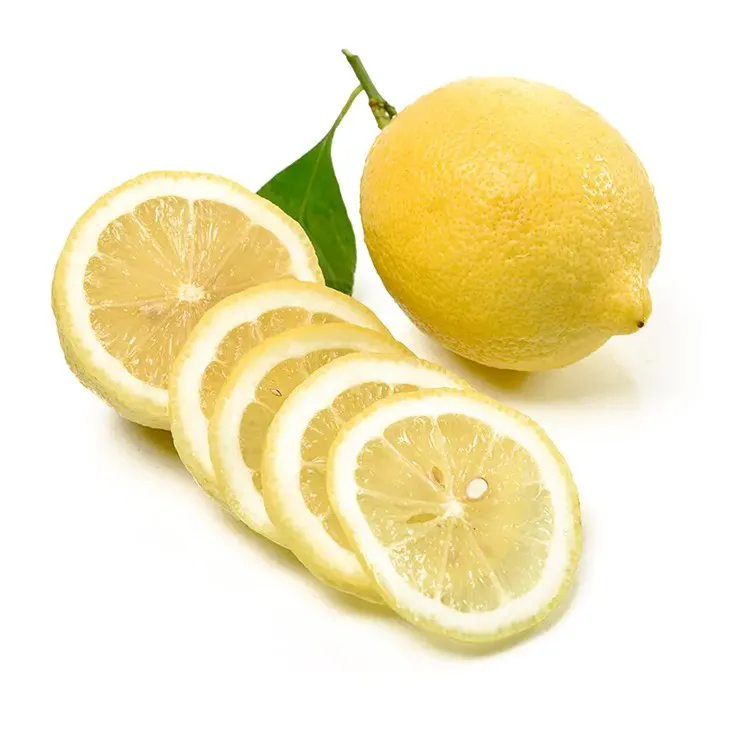
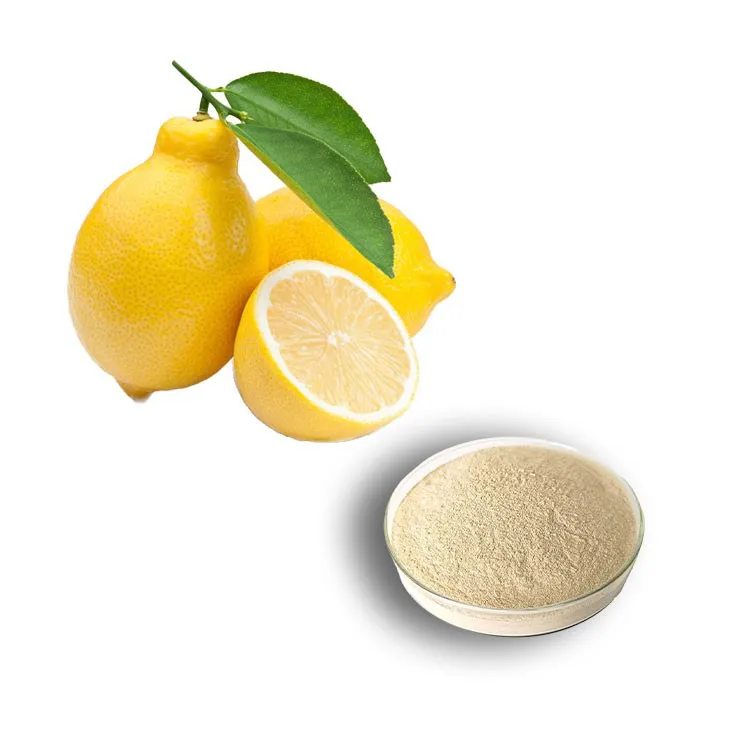
Lemon Extract is a concentrated ingredient made from the lemon fruit (Citrus limon), usually from the peel and juice. Depending on how it is produced, it can take several forms: a liquid extract, a cold-pressed essential oil, a juice concentrate, or a spray-dried powder. The main active components are citric acid, vitamin C, and volatile aromatic compounds such as limonene and citral, which together create the fresh, sharp, and slightly sweet character that consumers associate with lemon.
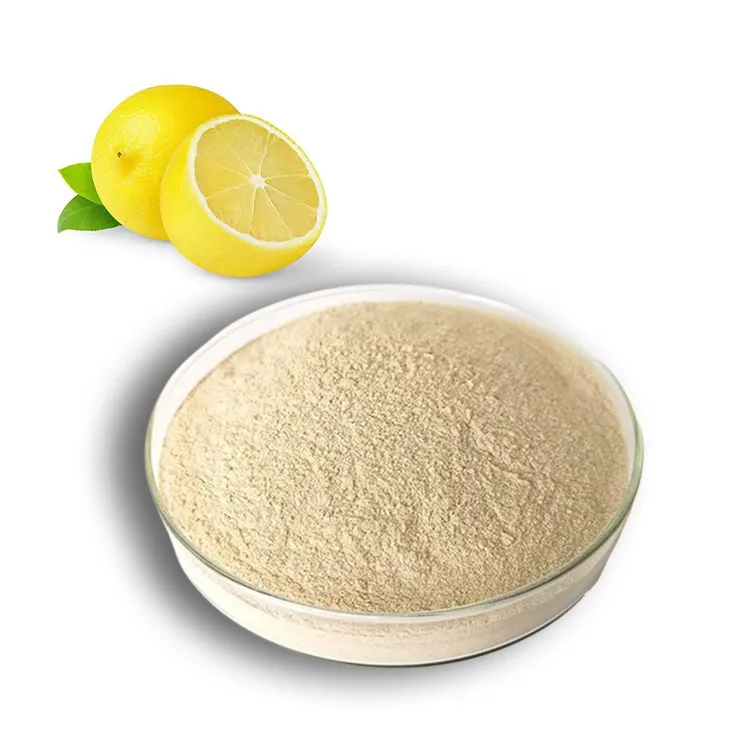
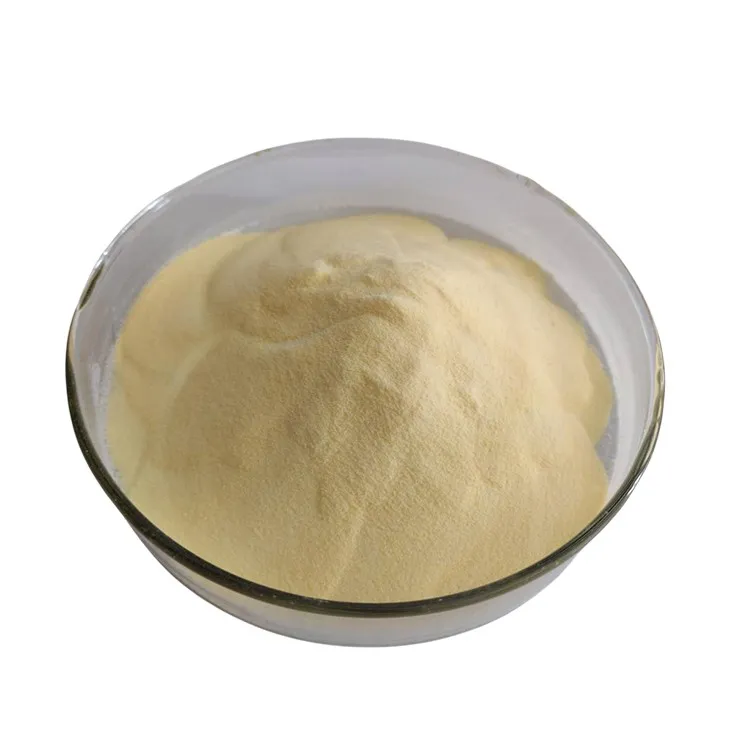
For food manufacturers, two forms matter most. Lemon extract delivers a concentrated, consistent citrus profile that is easy to dose into liquids and batters. Lemon juice powder, made by spray-drying lemon juice concentrate, captures both the flavor and the functional compounds in a stable, free-flowing powder that stores well and blends evenly into dry mixes.
Key applications in food manufacturing
Bakery and confectionery
Lemon is a classic in cakes, cookies, muffins, scones, pie fillings, and hard candies. Because the flavor compounds survive baking well, lemon extract gives finished goods a bright, stable lemon note without adding extra liquid that would change the dough or batter. In confectionery, it is used in lemon drops, gummies, and chocolate fillings.
Beverages
Soft drinks, lemonades, sparkling waters, iced teas, and flavored waters all rely on lemon for their signature citrus character. Lemon Juice Powder is especially practical here: it dissolves quickly, delivers consistent acidity and flavor, and eliminates the seasonal variation and storage problems of fresh juice.
Dairy and frozen desserts
Ice cream, sorbet, yogurt, and lemon curd use lemon extract to balance sweetness with a refreshing tartness. The acidity also helps stabilize dairy formulations and supports a clean, natural flavor profile.
Sauces, dressings, and marinades
In savory manufacturing, lemon is used in salad dressings, marinades for poultry and seafood, and citrus glazes. It brightens flavors, cuts richness, and contributes natural acidity that helps balance recipes.
Functional foods and nutraceuticals
Beyond flavor, lemon extract and Lemon Juice Powder are valued for their vitamin C content and antioxidant activity. They are increasingly used in functional beverages, vitamin-fortified products, and health-oriented food formulations where a natural vitamin C claim carries real marketing weight.
Why food manufacturers choose lemon extract and Lemon Juice Powder
- Consistent quality. A standardized extract or powder delivers the same flavor and acidity batch after batch, which is essential for large-scale production.
- Convenience and shelf life. Powder and extract forms are stable, easy to store, and have a long shelf life compared with fresh lemons or chilled juice.
- Cost control. Concentrated forms reduce storage, transport, and waste costs, and dosing is precise and repeatable.
- Clean label. Natural lemon ingredients help manufacturers meet growing consumer demand for recognizable, natural ingredients.
Choosing a reliable supplier
For food manufacturers, the quality of the raw ingredient determines the quality of the final product. When sourcing lemon extract or lemon juice powder, look for a lemon juice extract powder supplier with food-grade production facilities, documented quality control, and recognized certifications such as ISO22000, BRCGS, HALAL, and Kosher. A manufacturer with vertical integration, from raw material sourcing to extraction and spray-drying, can offer better traceability and a more consistent supply.
Conclusion
Lemon extract is one of the most versatile ingredients in food manufacturing. It flavors, acidifies, preserves freshness, and adds functional value, all from a single natural source. Whether you are developing a new beverage, upgrading a bakery line, or building a functional food, choosing the right form of lemon, and the right supplier, makes all the difference.
TAGS:
- ▶ Hesperidin
- ▶ Citrus Bioflavonoids
- ▶ Plant Extract
- ▶ lycopene
- ▶ Diosmin
- ▶ Grape seed extract
- ▶ Sea buckthorn Juice Powder
- ▶ Fruit Juice Powder
- ▶ Hops Extract
- ▶ Artichoke Extract
- ▶ Mushroom extract
- ▶ Astaxanthin
- ▶ Green Tea Extract
- ▶ Curcumin
- ▶ Horse Chestnut Extract
- ▶ Other Product
- ▶ Boswellia Serrata Extract
- ▶ Resveratrol
- ▶ Marigold Extract
- ▶ Grape Leaf Extract
- ▶ New Product
- ▶ Aminolevulinic acid
- ▶ Cranberry Extract
- ▶ Red Yeast Rice
- ▶ Red Wine Extract
- ▶ blog
-
Licorice Root Extract Powder
2026-08-18
-
Grapefruit Seed Extract Powder
2026-08-18
-
Artichoke Extract
2026-08-18
-
Baicalin
2026-08-18
-
Moringa powder
2026-08-18
-
Kidney Bean Extract
2026-08-18
-
Reishi mushroom extract
2026-08-18
-
Feverfew Extract
2026-08-18
-
Cocoa Extract
2026-08-18
-
Chaste Berry Extract
2026-08-18