We have five factories and 23 years of experience in plant extracts
- 0086-571-85302990
- [email protected]






What is lemon extract and how is it made?
2026-08-19
Related Product
Lemon Extract
We are a professional plant extract manufacturer in China, focusing on the R&D and production of Lemon Extract extract, provi
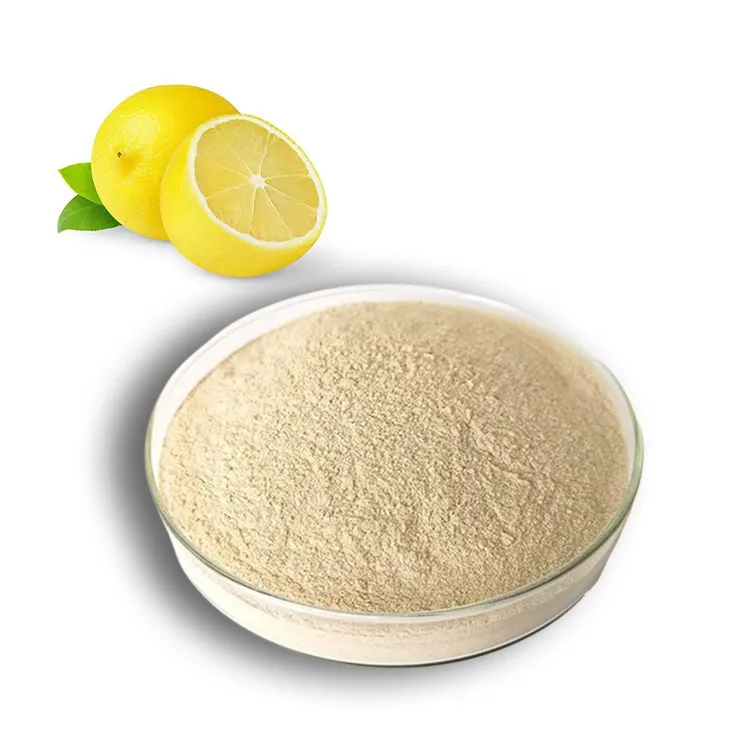
Lemon is one of the most recognizable fruits in the world. From a sharp squeeze of juice in the morning to a slice floating in an iced drink, its clean, bright character is a fixture of kitchens everywhere. Yet the fruit itself is perishable, seasonal, and difficult to standardize. That is why food, beverage, cosmetic, and supplement manufacturers turn to a more stable and consistent form of the same botanical: Lemon Extract.
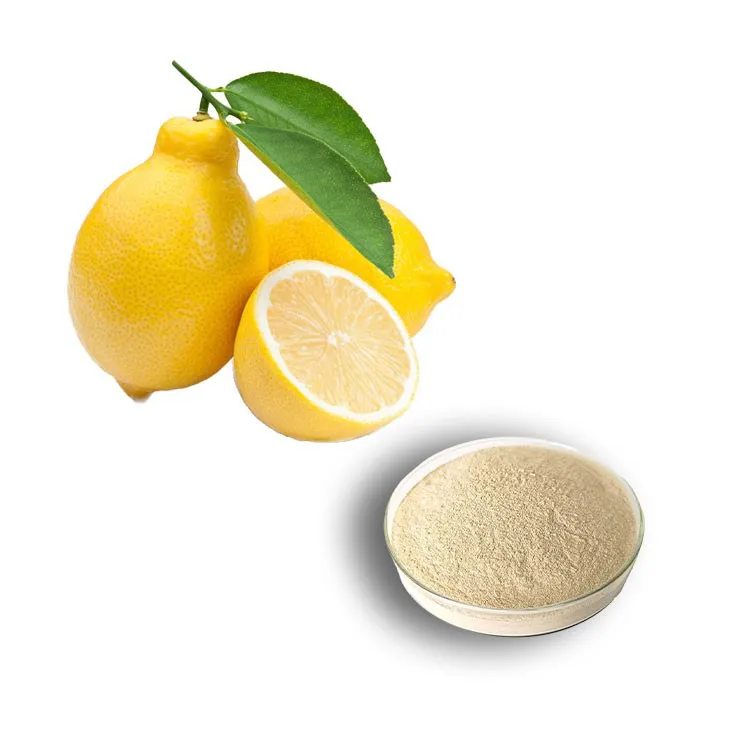
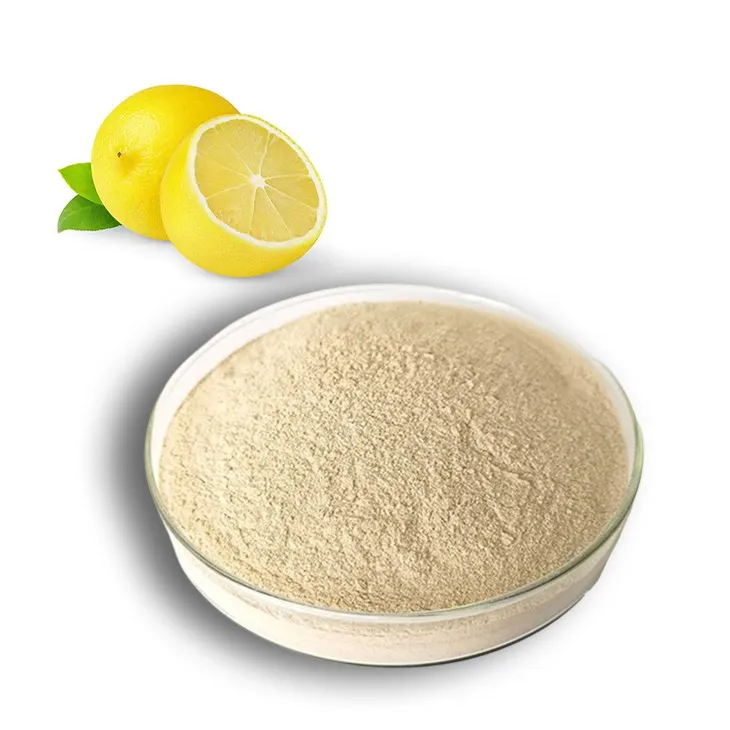
In simple terms, Lemon Extract is a concentrated plant-based ingredient produced from Citrus limon that captures the aroma, flavor, and active compounds of the fruit. It appears in several practical forms. There is the volatile essential oil pressed from the peel, the alcohol-based flavoring used in baking and drinks, and the versatile lemon juice powder made by drying and milling the juice. They serve different markets, but they share one goal: delivering the essence of lemon in a format that is easy to measure, blend, and reproduce batch after batch.
How Lemon Extract Is Made
The production route depends on the target product, but every process starts with raw material selection. The fruit must be mature, clean, and free from excessive pesticide residue. Most commercial producers source lemons from dedicated orchards and grade the fruit before processing.
Making Lemon Oil from the Peel
When the goal is lemon oil, the peel is the part that matters. The rind holds tiny oil glands rich in the aromatic molecules that give lemons their signature scent. Two techniques dominate this step. Cold pressing mechanically squeezes the oil from the peel without heat, which protects delicate aroma compounds. Steam distillation, used for certain grades, passes steam through the peel to carry away the volatile oil, which is then cooled and separated. The result is a concentrated citrus oil high in limonene, citral, and related terpenes.
Making an Alcohol-Based Extract
For a flavoring extract, the peel is macerated in food-grade alcohol. Over several weeks, the alcohol draws out the flavor compounds into a stable solution. The alcohol acts as both solvent and preservative, which gives the finished extract a long shelf life and predictable flavor strength.
Making Lemon Juice Powder
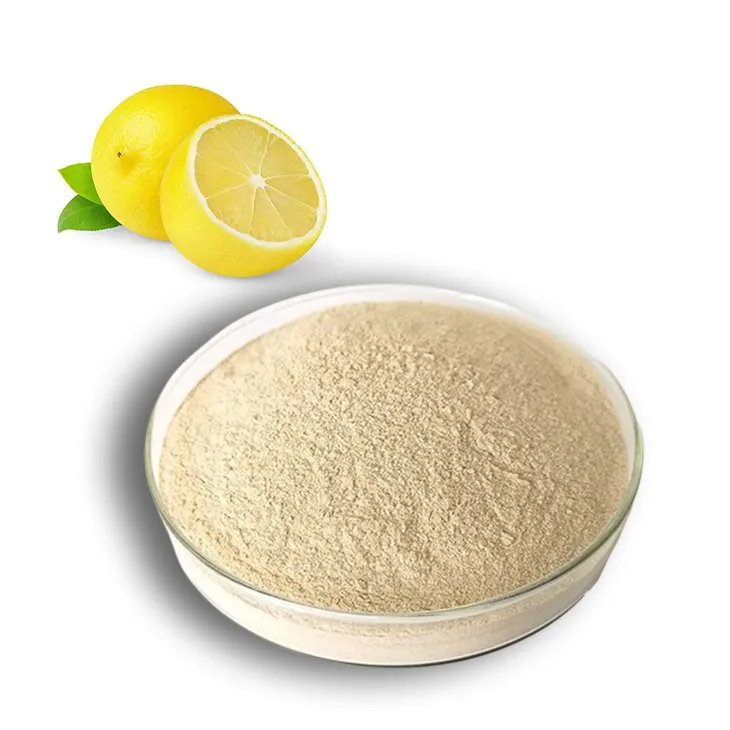
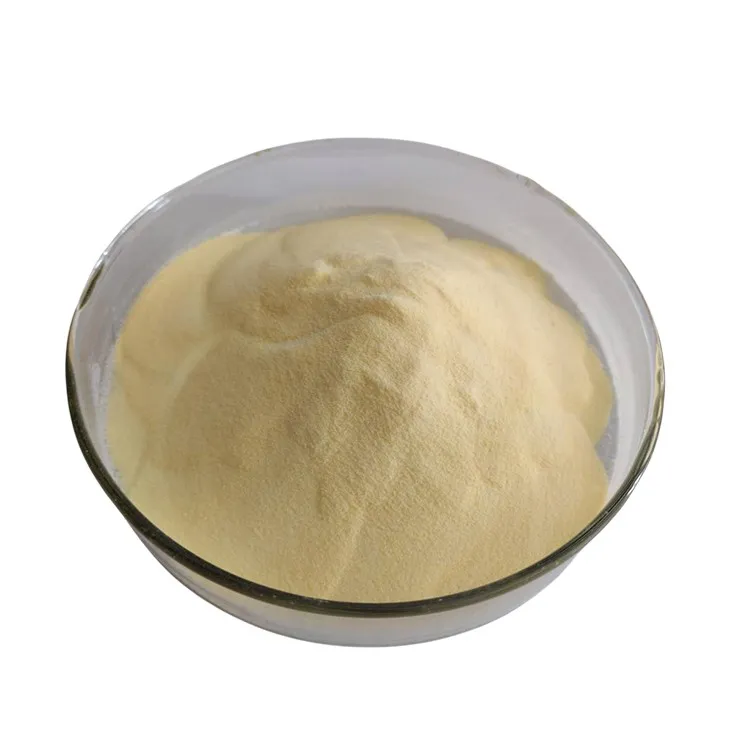
When the goal is lemon juice powder, the process follows the juice line. After pressing, the juice is filtered, optionally clarified, then concentrated and dried, usually by spray drying under carefully controlled temperature. Removing the moisture yields a fine powder that keeps its flavor and bioactives while becoming far lighter to ship, easier to store, and simpler to work into dry mixes. This is the format that fruit-juice powder suppliers commonly produce and export.
Nutritional Highlights
Lemon extract is more than a flavor ingredient. Lemons are well known as a concentrated source of vitamin C, and the extract retains a meaningful share of this antioxidant. The fruit also supplies citric acid, which accounts for its sharp taste, along with a family of polyphenols and flavonoids often grouped under the name citrus bioflavonoids, such as Hesperidin and eriodictyol. In oil forms, the limonene content is especially high. Together these compounds make lemon extract a functional ingredient rather than merely a flavoring.
Potential Benefits in Health Products
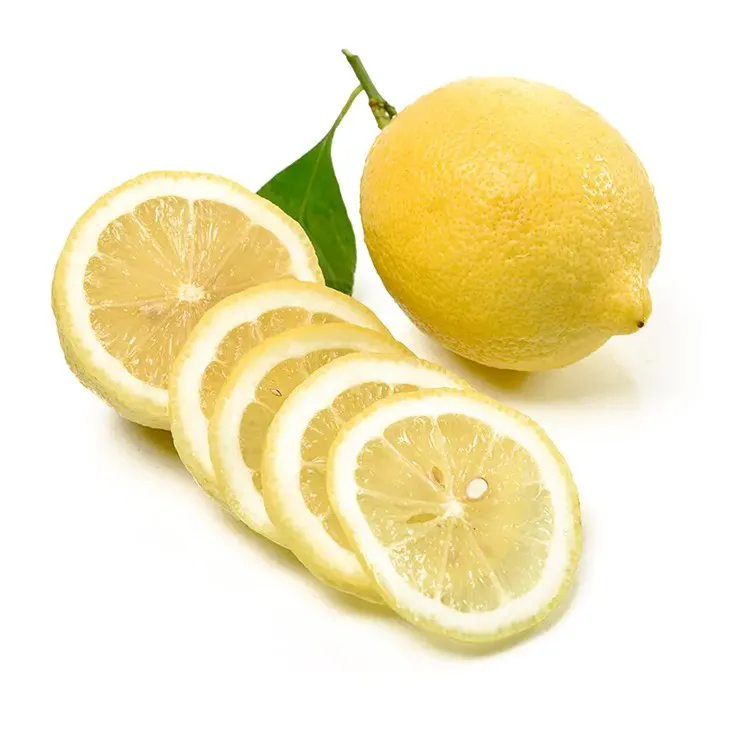
When formulated into supplements and wellness items, lemon-derived ingredients are valued for several practical properties:
- Vitamin C support, which many consumers associate with normal immune function.
- Antioxidant activity that helps neutralize oxidative stress.
- Skin care benefits, where antioxidants are commonly used to support a bright, even complexion.
- Digestive appeal, since citric acid adds natural tartness and a refreshing note to wellness drinks.
None of these should be read as medical claims. Rather, they reflect the reasons manufacturers keep choosing citrus-based raw materials when designing new health products.
Applications Across Industries
Because lemon extract and its derivatives come in so many forms, they appear across several industries:
- Food and beverage: lemonade and juice blends, bakery, confectionery, sauces, and savory dressings all rely on a stable citrus note.
- Cosmetics and personal care: peel oil is a common, elegant fragrance note, while extracts support brightening and cleansing formulations.
- Dietary supplements: vitamin C and bioflavonoid products frequently build on citrus raw materials.
- Functional food: powdered forms drop easily into instant drinks, smoothie mixes, and fortified snacks.
What to Look for in a Supplier
Quality varies widely between producers, so the choice of supplier matters. Buyers commonly check whether the manufacturer can show food-safety certifications, such as ISO22000, BRCGS, HALAL, Kosher, or an organic standard; whether the extraction and drying lines run in a clean, controlled environment; and whether each batch ships with test documents for purity and the key marker compounds.
A manufacturer with vertical integration has a real advantage here. Because a single group controls research, production, and quality control, the buyer deals with one accountable partner from sample to shipment. Greensky, a plant extract and fruit juice powder manufacturer founded in 2004, runs its own extraction and drying facilities, maintains an independent laboratory equipped with GC and HPLC, and holds certifications that cover food-grade production.
Final Thoughts
Lemon extract is a small but versatile ingredient with a surprisingly clear production story. From cold-pressed oil out of the peel to spray-dried lemon juice powder, every form preserves the fruit's character in a stable ingredient that can be measured and repeated. For formulators and buyers, understanding how it is made is the surest way to choose the right form and the right partner. If you are sourcing citrus ingredients, comparing suppliers directly is a sensible next step.
TAGS:
FAQ
- ▶ Hesperidin
- ▶ Citrus Bioflavonoids
- ▶ Plant Extract
- ▶ lycopene
- ▶ Diosmin
- ▶ Grape seed extract
- ▶ Sea buckthorn Juice Powder
- ▶ Fruit Juice Powder
- ▶ Hops Extract
- ▶ Artichoke Extract
- ▶ Mushroom extract
- ▶ Astaxanthin
- ▶ Green Tea Extract
- ▶ Curcumin
- ▶ Horse Chestnut Extract
- ▶ Other Product
- ▶ Boswellia Serrata Extract
- ▶ Resveratrol
- ▶ Marigold Extract
- ▶ Grape Leaf Extract
- ▶ New Product
- ▶ Aminolevulinic acid
- ▶ Cranberry Extract
- ▶ Red Yeast Rice
- ▶ Red Wine Extract
- ▶ blog
Recommended Products
-
Honeysuckle Pollen
2026-08-19
-
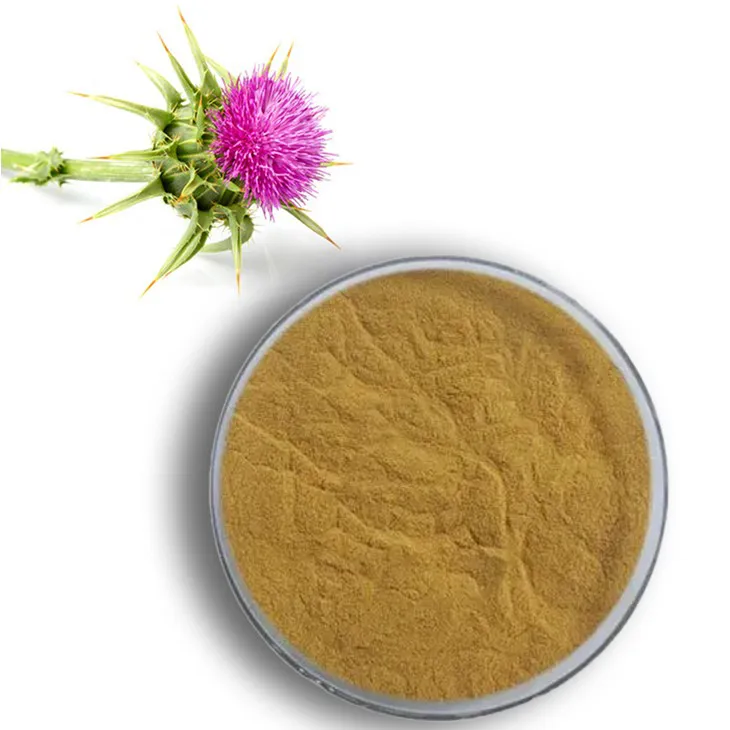
Milk Thistle Extract
2026-08-19
-
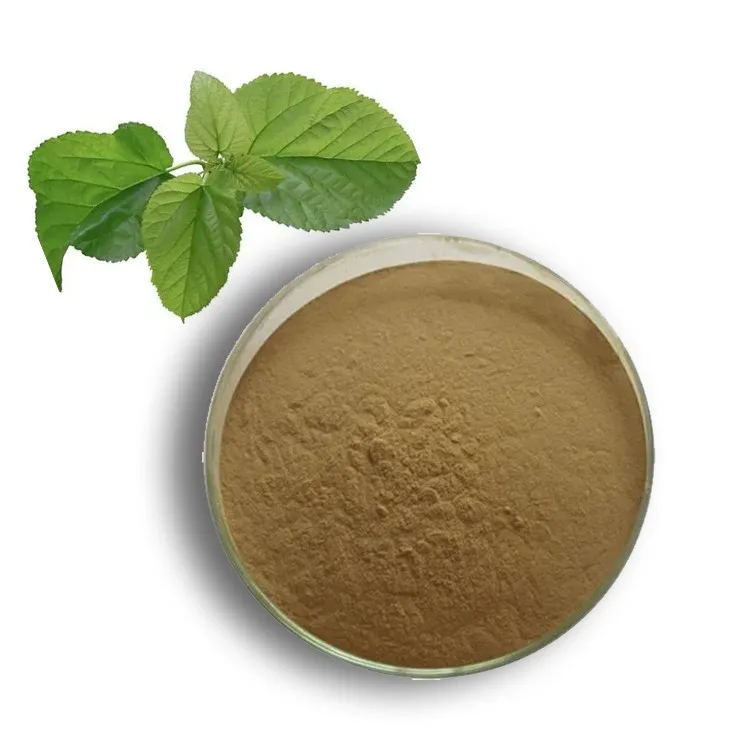
Mulberry leaf Extract
2026-08-19
-
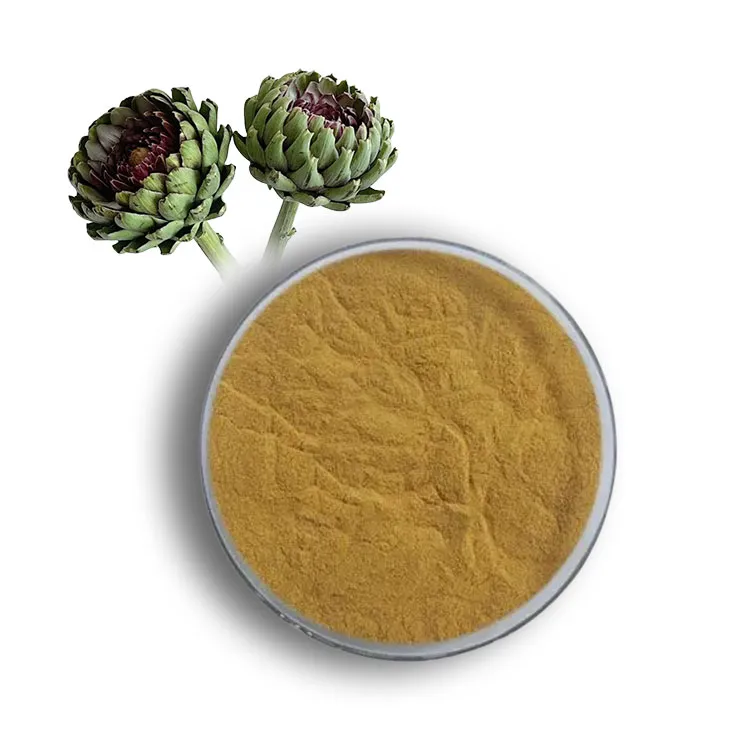
Artichoke Leaf Extract
2026-08-19
-
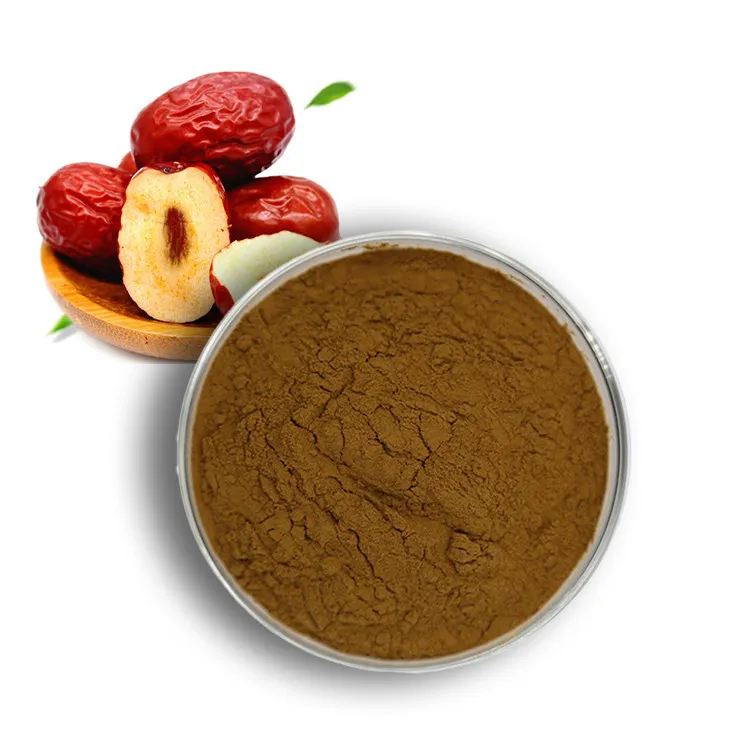
Jujube Extract
2026-08-19
-
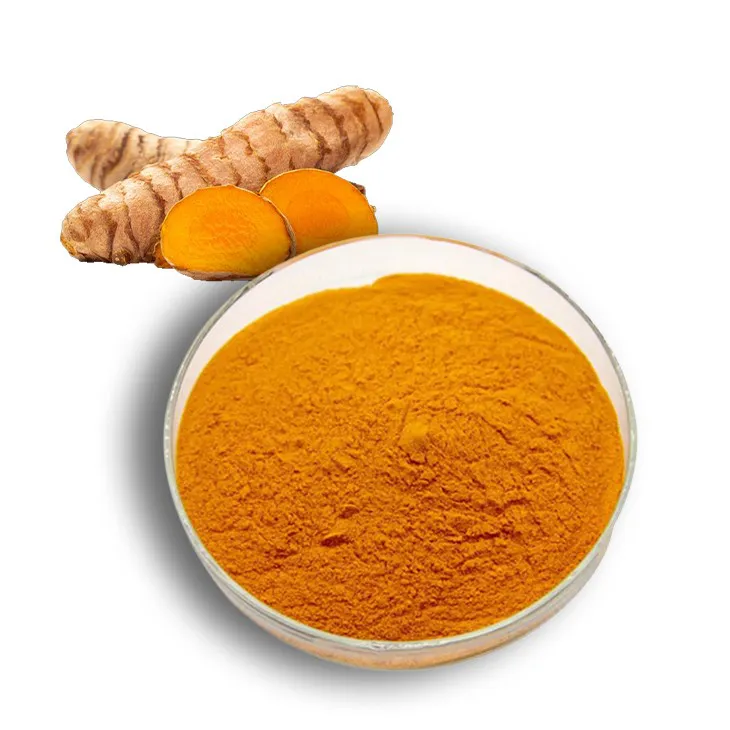
Curcumin
2026-08-19
-
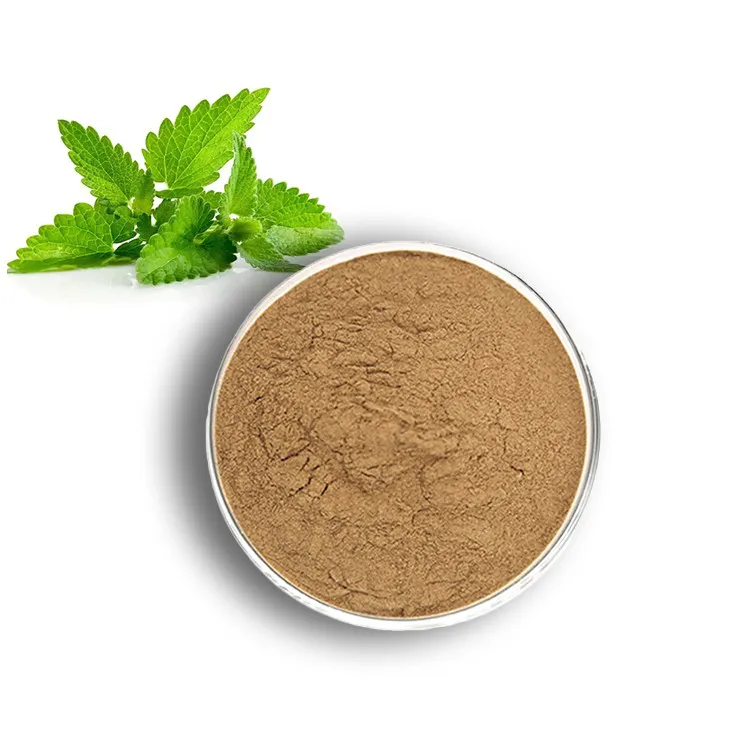
Lemon Balm Extract
2026-08-19
-
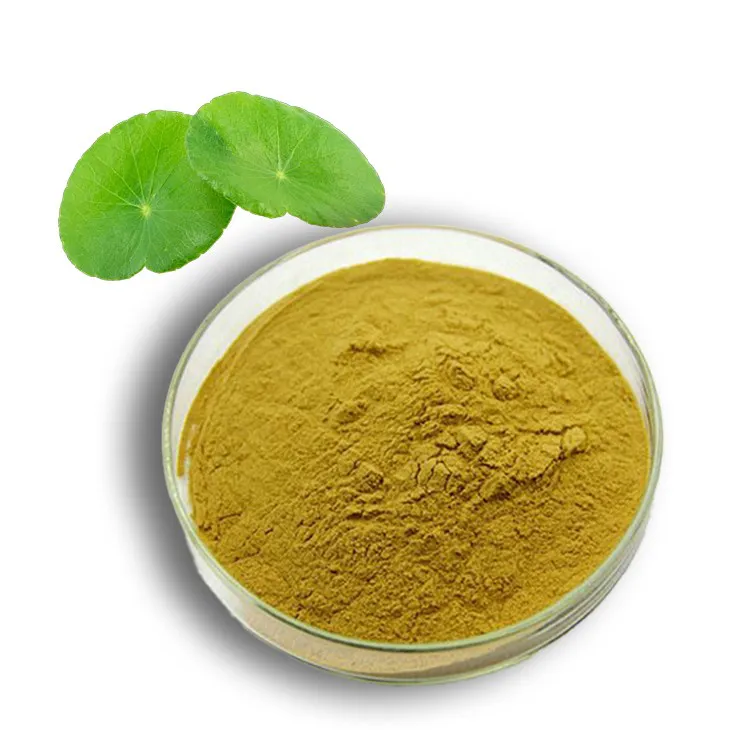
Centella Asiatica Extract
2026-08-19
-
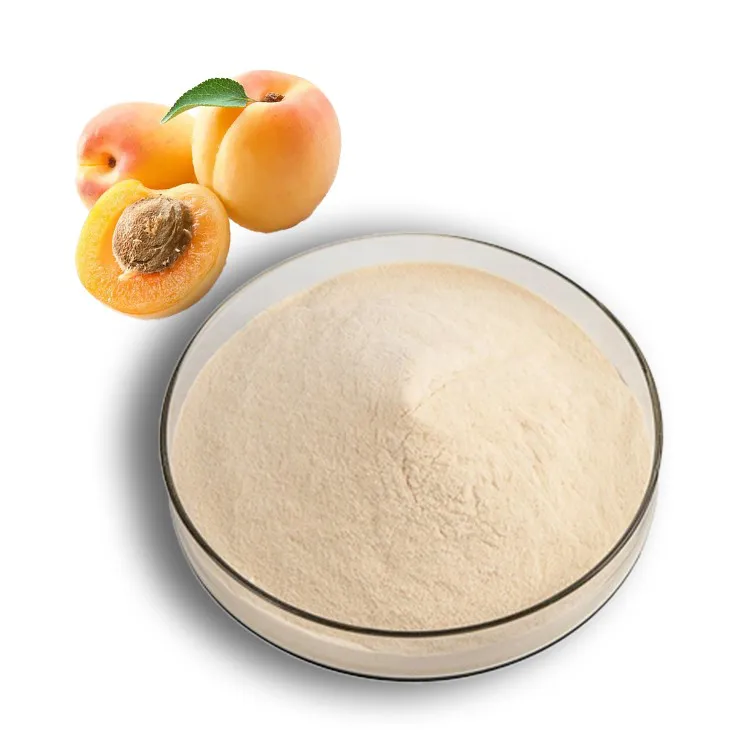
Apricot Powder
2026-08-19
-
Cocoa Extract
2026-08-19
Get a Quote
