- 0086-571-85302990
- [email protected]




What is grape extract and how is it obtained?
2026-08-13
What is grape extract?
Grape extract is a concentrated preparation of the active compounds found in grapes, mainly polyphenols such as flavonoids, anthocyanins and proanthocyanidins. Because different parts of the fruit carry different compounds, the term "grape extract" covers several distinct products. The most common are Grape Seed Extract, grape skin extract, grape leaf extract and Red Wine Extract, each with its own characteristic composition and applications.
Grape Seed Extract is the most thoroughly studied form. The seeds are exceptionally rich in oligomeric proanthocyanidins, powerful antioxidants that are associated with cardiovascular support and skin health. Grape skin extract is prized for its anthocyanins, the pigments that give red and purple grapes their deep color. Grape leaf extract is typically prepared from the leaves of the vine and is studied for supporting microcirculation and vascular health. Red Wine Extract concentrates the polyphenols of fermented red grapes, including resveratrol, and is used mainly for cardiovascular applications.
How is grape extract obtained?
Obtaining grape extract is a multi-step process that turns fresh or dried grape material into a stable, standardized powder. The exact procedure depends on the target part of the plant and the desired compounds, but the general flow follows the same logic in most modern factories.
1. Raw material selection and cleaning
The process begins with sourcing high-quality grape seeds, skins or leaves. Raw material is inspected, cleaned and dried to remove impurities and control moisture. This step matters more than it first appears, since the purity and polyphenol content of the finished extract depend heavily on the quality of the incoming plant material.
2. Grinding and extraction
The cleaned material is ground into a fine powder to increase the surface area exposed to the solvent. It is then mixed with a suitable extraction solvent, commonly water, ethanol, or a water-ethanol mixture, depending on the target compounds. Water is preferred when the goal is a solvent-free profile, while aqueous ethanol is often used to pull out proanthocyanidins and other polyphenols more efficiently. In industrial production, techniques such as maceration, reflux extraction, ultrasound-assisted extraction and low-temperature concentration are used to improve yield while protecting heat-sensitive compounds. Greensky, for example, uses multi-functional extraction tanks and low-temperature concentration equipment to keep the active ingredients intact.
3. Filtration and concentration
Once the soluble compounds have been drawn out, the liquid extract is separated from the remaining plant fiber by filtration. The dilute solution is then concentrated under vacuum at low temperature, which removes much of the water and solvent while preserving the polyphenols that can be damaged by high heat.
4. Drying
The concentrated extract is dried to produce a stable powder. Spray drying is the most common method in large-scale manufacturing, because it quickly turns the liquid into a fine, uniform powder that is easy to blend into capsules, tablets and beverages. Vacuum drying is also used when a gentler process is required. The dried powder can be further purified or standardized to guarantee a consistent level of the marker compound.
5. Testing and standardization
A reliable grape extract is not just a powder, it is a standardized one. Reputable manufacturers test each batch in an independent laboratory to confirm polyphenol content, heavy metals, microbial limits and other specifications. Instruments such as HPLC, GC and UV spectroscopy are used to verify that the concentration of active compounds matches the label claim. This quality control step is what separates a trustworthy ingredient from an inconsistent one, and it is why buyers of grape seed extract should always ask about batch testing and certificates of analysis.
Why is grape extract so widely used?
The appeal of grape extract lies in its versatility. Its antioxidant polyphenols help neutralize free radicals and reduce oxidative stress, which is why it appears in supplements aimed at cardiovascular health, skin care and general wellness. Grape seed proanthocyanidins are among the most potent plant antioxidants studied, and grape leaf and Red Wine Extracts are increasingly used in functional food formulations. The same antioxidant and anti-inflammatory properties make grape extracts a common ingredient in cosmetics, from serums to anti-aging creams.
Choosing a reliable supplier
Because the extraction process is technical and quality varies widely between batches, the choice of supplier makes a real difference for formulators. A manufacturer with experience in plant extract suppliers can provide standardized products, documented specifications and the regulatory paperwork needed for global submissions. Greensky, a manufacturer founded in 2004, produces red wine extract and other grape-derived ingredients under certifications such as ISO22000, BRCGS, HALAL and Kosher, with an independent laboratory supported by HPLC and GC equipment.
Conclusion
Grape extract is a concentrated source of grape polyphenols made by cleaning, grinding, extracting, concentrating and drying selected parts of the grape. Depending on whether seeds, skins, leaves or fermented grapes are used, the extract offers different active compounds and different applications. For manufacturers, the key to a good result lies not only in the plant itself but in a controlled extraction process and rigorous batch testing, which is exactly what an experienced production partner can guarantee.
TAGS:
- ▶ Hesperidin
- ▶ Citrus Bioflavonoids
- ▶ Plant Extract
- ▶ lycopene
- ▶ Diosmin
- ▶ Grape seed extract
- ▶ Sea buckthorn Juice Powder
- ▶ Fruit Juice Powder
- ▶ Hops Extract
- ▶ Artichoke Extract
- ▶ Mushroom extract
- ▶ Astaxanthin
- ▶ Green Tea Extract
- ▶ Curcumin
- ▶ Horse Chestnut Extract
- ▶ Other Product
- ▶ Boswellia Serrata Extract
- ▶ Resveratrol
- ▶ Marigold Extract
- ▶ Grape Leaf Extract
- ▶ New Product
- ▶ Aminolevulinic acid
- ▶ Cranberry Extract
- ▶ Red Yeast Rice
- ▶ Red Wine Extract
- ▶ blog
-
Cranberry Extract
2026-08-13
-
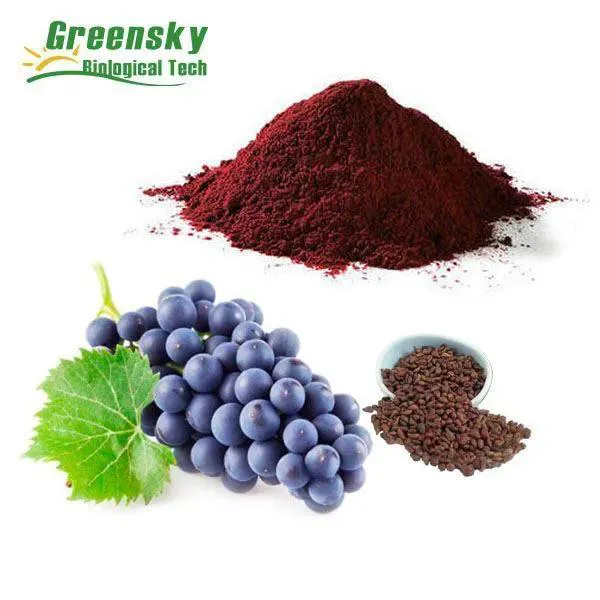
Grape Seed Extract
2026-08-13
-
Bilberry Extract
2026-08-13
-
Phellodendron Extract
2026-08-13
-
Polygonum Cuspidatum Extract
2026-08-13
-
Kidney Bean Extract
2026-08-13
-
Mango flavored powder
2026-08-13
-
Green coffee bean Extract
2026-08-13
-
Artichoke Extract
2026-08-13
-
Sea buckthorn Juice Powder
2026-08-13