- 0086-571-85302990
- [email protected]






What is geranium plant extract and what are its benefits?
2026-08-15
Geranium has been treasured for centuries, from the rose gardens of ancient Egypt to modern skincare counters and supplement shelves. Today, geranium plant extract appears in everything from facial creams and perfumes to herbal teas and dietary supplements. But what exactly is it, and why has this humble flowering herb earned such a devoted following? This guide breaks down what geranium plant extract is, the science behind its benefits, and what to look for when sourcing it.
What Is Geranium Plant Extract?
Geranium plant extract is a concentrated preparation made from the leaves, stems, and sometimes flowers of plants in the Geraniaceae family, most notably rose-scented geranium (Pelargonium graveolens). The plant is native to subtropical southern Africa and is now cultivated around the world for its fragrant foliage and rich store of beneficial compounds.
Depending on the intended use, the extract can take several forms. The most famous is the essential oil, produced by steam or hydro-distillation of the leaves and stems, which carries the plant's signature rosy, minty aroma. Beyond the oil, manufacturers also produce standardized powdered and liquid extracts that concentrate the plant's active phytochemicals for use in supplements, functional foods, and cosmetics. These different forms share a common foundation: a complex mix of naturally occurring compounds that give the plant its distinctive character.
The Active Compounds Behind the Benefits
The value of geranium extract lies in its phytochemical profile. The essential oil alone contains more than 120 different constituents, with three terpene alcohols doing most of the heavy lifting: citronellol, geraniol, and linalool. Together with their esters, these compounds typically make up more than half of the oil and are responsible for both its fragrance and much of its biological activity.
The plant also contributes flavonoids, tannins, and phenolic acids, a group of antioxidant compounds that support the extract's protective effects. Because the ratio of these constituents varies with growing region, season, and harvest conditions, reputable manufacturers standardize their extracts so that every batch delivers a consistent level of the key active markers.
Key Benefits of Geranium Plant Extract
Research and traditional use point to a broad range of benefits, which is why geranium extract has found a home in so many product categories.
Skin Health and Beauty
Geranium is perhaps best known as a skincare ingredient. Its antiseptic and antibacterial properties make it a popular addition to cleansers and treatments aimed at blemish-prone skin, while its astringent nature helps balance oil production and tighten the look of pores. The extract's antioxidant content also helps protect skin cells from environmental stress, which is why it appears in many anti-aging creams and serums. Formulators value it as a natural botanical that supports a clear, balanced, and healthy-looking complexion.
Antioxidant and Anti-Inflammatory Support
The flavonoids and phenolic compounds in geranium extract act as antioxidants, helping to neutralize free radicals that can contribute to cellular wear and tear. Alongside this, the extract is recognized for anti-inflammatory properties that may support the body's natural response to everyday stress and discomfort. These qualities make it a versatile ingredient in wellness formulations.
Mood and Relaxation
In aromatherapy, geranium is valued for its calming and uplifting character. Its pleasant floral scent is often used to ease feelings of nervousness and tension and to support a sense of emotional balance. This gentle mood-supporting quality, combined with its pleasant fragrance, is one reason geranium appears so often in candles, massage oils, and relaxation blends.
Respiratory and Immune Support
Certain members of the geranium family, particularly the root of Pelargonium sidoides, have a long history of traditional use for respiratory complaints such as coughs and colds. Modern herbal practice continues to use these extracts to support upper respiratory health and immune function, particularly during the colder months.
Geranium Extract vs. Geranium Essential Oil
The terms are sometimes used interchangeably, but they refer to different products. Geranium essential oil is the volatile aromatic fraction captured through distillation and is used primarily in aromatherapy, perfumery, and topical cosmetic applications, always diluted before skin contact. Geranium plant extract, on the other hand, is a broader category that includes standardized powders and liquid extracts designed for use in dietary supplements, functional foods, and skincare formulations where a consistent dose of active compounds matters more than fragrance.
When choosing between them, the application decides. A supplement manufacturer looking for a measurable, reproducible ingredient will typically reach for a standardized extract, while a cosmetics brand may prefer the oil for its scent profile or the extract for its stability in a cream base.
How Geranium Extract Is Produced
Quality begins in the field. Geranium is typically harvested at the peak of its growing season, when the concentration of active compounds in the leaves is highest. For essential oil, the fresh aerial parts are loaded into stills and gently steam-distilled to capture the volatile oil. For powdered extracts, the plant material is dried, milled, and processed with food-grade solvents or water to pull out the desired compounds, which are then concentrated and standardized to a specified level of active markers.
Because the process is technically demanding, the reliability of the finished ingredient depends heavily on the manufacturer's equipment, quality control, and traceability. A well-equipped production facility with modern extraction tanks, low-temperature concentration, and spray-drying capabilities can preserve the delicate active compounds far better than a less sophisticated operation.
What to Look for in a Geranium Extract Supplier
For brands and formulators, sourcing a consistent, high-quality geranium extract is the difference between a product that performs and one that disappoints. Here are the essentials to verify before committing to a supplier:
- Standardization: Ask for the specification sheet and confirm the level of key active markers in every batch.
- Certifications: Look for recognized food-safety and quality systems such as ISO, BRCGS, HALAL, and Kosher certifications, which indicate rigorous process control.
- Testing: A reputable supplier provides independent lab reports covering purity, heavy metals, and microbial safety.
- Traceability: From raw botanical to finished powder, the supply chain should be documented and auditable.
- Production capability: In-house extraction, concentration, and drying facilities allow a manufacturer to control quality at every step rather than outsourcing it.
A vertically integrated manufacturer with its own production plants and laboratory can offer this level of assurance. Greensky, for example, has operated in the botanical ingredients industry since 2004, with wholly-owned subsidiaries covering everything from raw material sourcing to extraction and final quality testing. Its facilities meet food-grade requirements, and its independent laboratory is equipped with HPLC, GC, and UV instruments for rigorous batch analysis. With certifications including ISO22000, BRCGS, Ecocert Organic, SGS-GMP, HALAL, and Kosher, Greensky supplies plant extracts for skin care, supplements, and food applications to customers across Europe, the United States, South Korea, and Russia.
Conclusion
Geranium plant extract is a versatile botanical with a genuinely impressive resume: centuries of traditional use, a well-documented phytochemical profile, and benefits spanning skin health, antioxidant support, mood, and respiratory wellness. Whether you are a consumer exploring natural ingredients or a brand sourcing raw materials, understanding what geranium extract is and how it is made helps you choose wisely.
For businesses looking to incorporate geranium or any other botanical into their products, working with an experienced plant extract supplier ensures consistent quality, reliable documentation, and peace of mind from field to finished ingredient.
- ▶ Hesperidin
- ▶ Citrus Bioflavonoids
- ▶ Plant Extract
- ▶ lycopene
- ▶ Diosmin
- ▶ Grape seed extract
- ▶ Sea buckthorn Juice Powder
- ▶ Fruit Juice Powder
- ▶ Hops Extract
- ▶ Artichoke Extract
- ▶ Mushroom extract
- ▶ Astaxanthin
- ▶ Green Tea Extract
- ▶ Curcumin
- ▶ Horse Chestnut Extract
- ▶ Other Product
- ▶ Boswellia Serrata Extract
- ▶ Resveratrol
- ▶ Marigold Extract
- ▶ Grape Leaf Extract
- ▶ New Product
- ▶ Aminolevulinic acid
- ▶ Cranberry Extract
- ▶ Red Yeast Rice
- ▶ Red Wine Extract
- ▶ blog
-
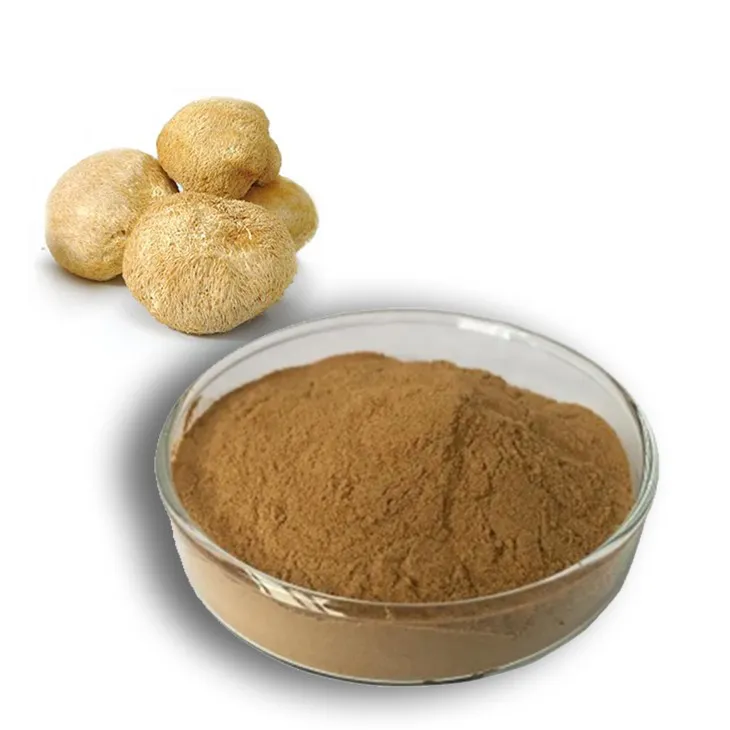
Hericium erinaceus extract powder
2026-08-15
-
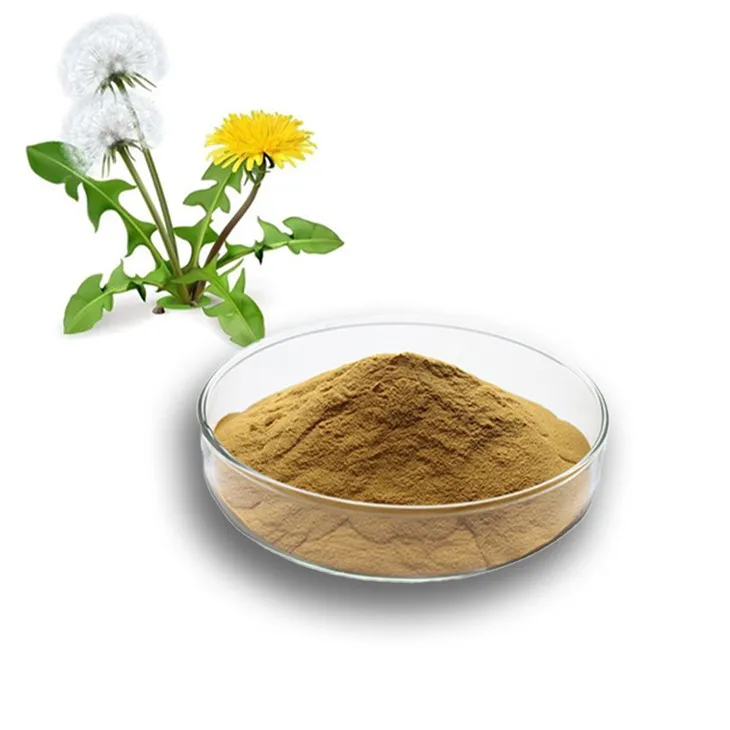
Dandelion Leaf Extract
2026-08-15
-
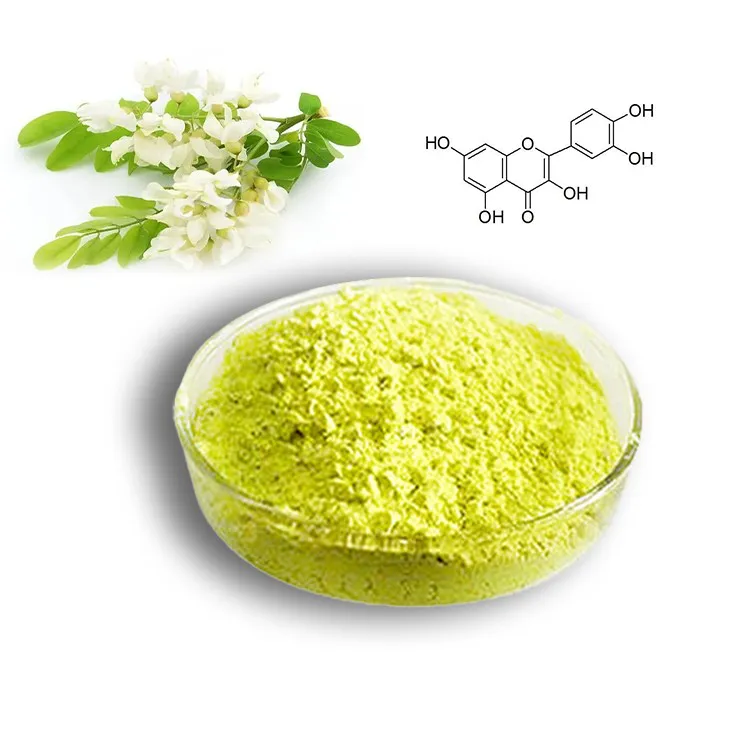
Quercetin
2026-08-15
-
Acerola Extract
2026-08-15
-
Feverfew Extract
2026-08-15
-
Stevia Extract
2026-08-15
-
Citrus Aurantium Extract
2026-08-15
-
Resveratrol
2026-08-15
-
Garcinia Cambogia Extract
2026-08-15
-
Pine bark Extract Powder
2026-08-15
