- 0086-571-85302990
- [email protected]






What is coumarin and where is it found?
2026-08-19
Coumarin is an aromatic organic compound that turns up naturally in dozens of everyday plants, and chances are you have already met it. If you have ever breathed in the warm, vanilla-like sweetness of freshly cut grass or the cozy smell of a cup of woodruff tea, that scent was coumarin. In its pure form the compound appears as colorless crystals with a pleasant, fragrant odor that resembles vanilla beans, and it carries the chemical formula C9H6O2. It belongs to the benzopyrone family of molecules and, in technical terms, is a lactone.
A short history of coumarin
The compound was first isolated in 1820 by the Munich chemist A. Vogel, who extracted it from tonka beans (Dipteryx odorata). Vogel initially mistook his discovery for benzoic acid, an error that was sorted out over the following years, and it was the French pharmacist Guibourt who gave the new substance the name coumarine. By 1868 the English chemist William Henry Perkin had worked out the first laboratory synthesis.
For most of the 19th century, commercial coumarin came almost entirely from natural sources, with tonka beans as the main raw material. Once cheap synthetic routes appeared near the end of the 1800s, manufacturers largely switched to the laboratory, and today most of the coumarin used in industry is produced synthetically rather than harvested from plants. Even so, coumarin remains very much a plant-derived chemistry story, and it has been a signature note in fougère perfumes since 1882.
Where is coumarin found?
Coumarin is spread surprisingly wide across the plant kingdom. It has been isolated from legumes, grasses, orchids, and citrus fruits, and botanists have identified well over a thousand related coumarin derivatives in green plants. Some of the richest and best-known natural sources include:
- Tonka beans (Dipteryx odorata) — the original source, and still the plant most closely tied to coumarin's name.
- Cassia cinnamon and other cinnamon bark — among the most common ways people encounter coumarin through food.
- Sweet clover (genus Melilotus) and sweet woodruff (Galium odoratum).
- Vanilla grass and sweet grass, which give many rushes and steppes their honeyed aroma.
- Lavender, peppermint, and other aromatic plants whose essential oils carry the compound, often at high levels.
- Edible fruits such as strawberries, cherries, apricots, and black currants, as well as small amounts in green tea and fenugreek.
The amount of coumarin varies enormously from one plant to another. Essential oils are the most concentrated carriers: cinnamon leaf oil and cassia leaf oil are particularly rich, which is why they are handled with care in flavor and fragrance work. In whole spices and fruits the concentration is far lower, but it is still measurable.
Not all cinnamon is the same
For most people, the cinnamon jar in the kitchen is the nearest source of coumarin, and it is worth understanding that not all cinnamon is created equal. True Ceylon cinnamon (Cinnamomum verum) contains very little coumarin — in the range of roughly 0.005 to 0.09 milligrams per gram of bark. The cassia varieties, which include Chinese cassia (1.7–7.7 mg/g), Indonesian or Padang cassia (2.1–9.3 mg/g), and Saigon cinnamon (1.1–7.0 mg/g), can hold well over a hundred times more.
This wide gap is why European food-safety regulators and many European retailers specifically advise consumers to reach for Ceylon cinnamon when they want a high-intake coumarin-free option. It also explains why "cinnamon" and "cassia" are often treated as separate categories in food labeling.
What is coumarin used for?
Coumarin has three main lives. First and most famously, it is a fragrance ingredient. Its sweet, stable note makes it a workhorse in perfumes, hand soaps, lotions, detergents, and cosmetics, typically at concentrations between 0.01% and 0.8%. It is often blended with natural essential oils such as lavender, citrus, and rosemary to extend and enrich their scent.
Second, coumarin has a long history as a flavoring. For years it was used alongside vanillin to flavor chocolates, baked goods, and cream soda-style beverages. That changed in 1954, when the United States suspended its use as a direct food additive due to liver findings in laboratory animals, and most countries followed with limits rather than bans.
Third, coumarin matters in pharmaceutical chemistry. The compound and its derivatives have been studied for immunomodulatory and antitumor activity, and it has been evaluated in clinical research for conditions such as lymphoedema. Just as important, coumarin is a building block for an important class of medicines. It is worth making one thing clear, however: coumarin itself is not a blood thinner. The anticoagulant drugs that people sometimes confuse with it — warfarin, dicoumarol, acenocoumarol — belong to the 4-hydroxycoumarin family, chemical relatives that block vitamin K and slow clotting. It is a subtle distinction, but an important one when talking about the molecule accurately.
Is coumarin safe?
Timing and dose are everything with coumarin. In rodents the compound is metabolized along a pathway that produces toxic intermediates, and very high doses have caused liver and kidney tumors in lab animals. Humans, by contrast, metabolize coumarin mainly to a different, far less toxic compound called 7-hydroxycoumarin, and adverse effects in people are notoriously hard to document.
Even so, regulators treat coumarin with respect. It has been banned as a direct food additive in the United States since 1954, and the European union sets maximum permitted levels under Regulation (EC) No 1334/2008 — for example 50 mg/kg in traditional seasonal bakery goods with a cinnamon reference, 20 mg/kg in breakfast cereals, 15 mg/kg in fine bakery ware, and 5 mg/kg in desserts. The German Federal Institute for Risk Assessment (BfR) suggests a tolerable daily intake of 0.1 mg per kilogram of body weight, while noting that short-term higher exposure is not dangerous.
Why coumarin matters for plant extract buyers
If your company formulates foods, supplements, or cosmetics around botanical ingredients, coumarin is one of the substances you want on your compliance checklist. Because it occurs naturally in a wide range of plants, it can show up as a background constituent in extracts and spices even when it was never deliberately added. Being able to document its levels — and to confirm exactly which species and botanicals are in your supply chain — is what separates a professional supplier from an opportunistic one.
This is where an experienced partner makes a real difference. Reliable plant extract manufacturers quantify active and safety-relevant markers in every batch rather than assuming a botanical is "clean" by name alone. At an independent laboratory equipped with GC, HPLC, and UV analysis, ingredients are characterized and documented before they ever reach your formulation. The same care applies when you are sourcing plant extracts for pharmaceuticals, where batch consistency and documentation are non-negotiable.
Working directly with a vertically integrated manufacturer also means you can trace a botanical from field to finished powder through a single, accountable chain. That traceability is exactly what allows a supplier to tell you precisely how much coumarin is present in a given ingredient — and whether the cinnamon in your recipe is Ceylon or cassia before you ask. For companies sourcing botanical ingredients with confidence, plant extract suppliers who run full chemical characterization on every production run are well worth seeking out.
TAGS:
- ▶ Hesperidin
- ▶ Citrus Bioflavonoids
- ▶ Plant Extract
- ▶ lycopene
- ▶ Diosmin
- ▶ Grape seed extract
- ▶ Sea buckthorn Juice Powder
- ▶ Fruit Juice Powder
- ▶ Hops Extract
- ▶ Artichoke Extract
- ▶ Mushroom extract
- ▶ Astaxanthin
- ▶ Green Tea Extract
- ▶ Curcumin
- ▶ Horse Chestnut Extract
- ▶ Other Product
- ▶ Boswellia Serrata Extract
- ▶ Resveratrol
- ▶ Marigold Extract
- ▶ Grape Leaf Extract
- ▶ New Product
- ▶ Aminolevulinic acid
- ▶ Cranberry Extract
- ▶ Red Yeast Rice
- ▶ Red Wine Extract
- ▶ blog
-
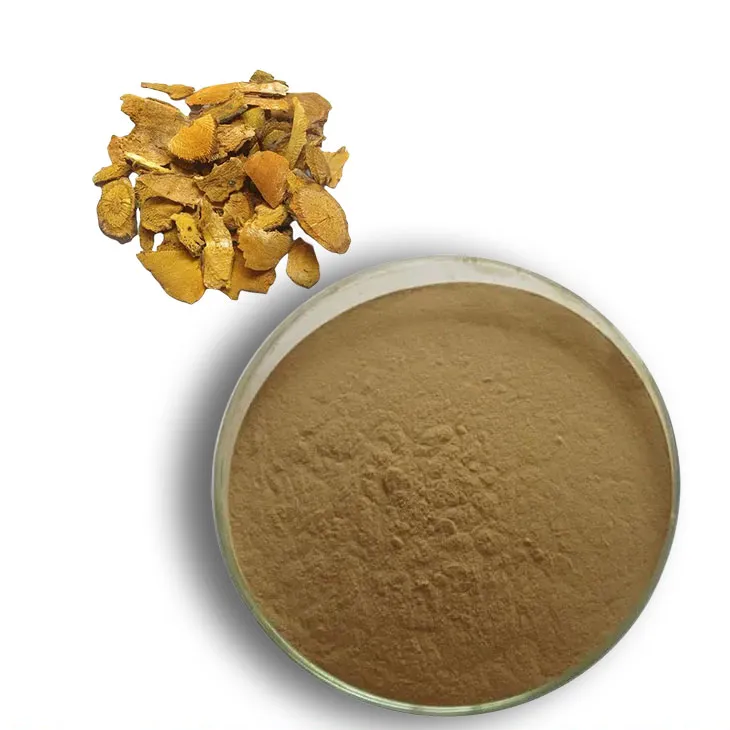
Polygonum Cuspidatum Extract
2026-08-19
-
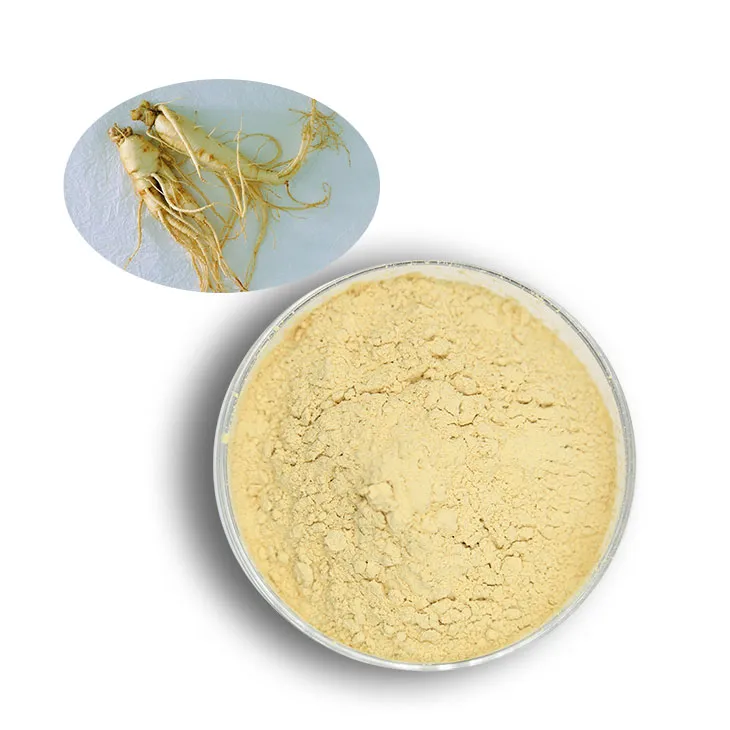
American Ginseng Root Extract
2026-08-19
-
Apricot Powder
2026-08-19
-
Shikone Extract
2026-08-19
-
Red Date Extract
2026-08-19
-
Natural grape seed extract
2026-08-19
-
Kupilu Extract
2026-08-19
-
Lycopene
2026-08-19
-
melatonin
2026-08-19
-
Polygonum multiflorum extract
2026-08-19
