- 0086-571-85302990
- [email protected]






What is alfalfa powder and how is it made?
2026-08-15
What Is Alfalfa Powder?
Alfalfa powder, sometimes referred to as Alfalfa Meal or lucerne powder, is produced from the aerial parts of the alfalfa plant. The plant is cultivated worldwide, and it is the young leaves and tender stems that are typically chosen for powder production rather than the woody mature stalks. Because the powder is a concentrated form, a relatively small serving can deliver a meaningful amount of the plant's active nutrients.
The powder has a characteristic vibrant green colour, which comes from its high chlorophyll content, and an earthy, mildly grassy taste. That is why it is so often blended into smoothies, capsules, tablets and green superfood mixes rather than being consumed on its own.
Key Nutrients in Alfalfa Powder
The appeal of alfalfa powder lies in its nutritional density. It is a natural source of vitamin K, vitamin C, several B vitamins and provitamin A from beta-carotene, along with minerals such as calcium, potassium, phosphorus, iron and magnesium. It also provides plant protein, dietary fibre and beneficial phytochemicals including saponins, flavonoids and phytoestrogens.
These compounds are the reason alfalfa powder is associated with antioxidant support, digestive regularity and, in some research, healthy cholesterol and blood sugar maintenance. As with any botanical ingredient, the exact values vary from one crop and one processing run to the next, which is why rigorous quality testing matters in commercial sourcing.
How Is Alfalfa Powder Made?
The production of alfalfa powder follows a careful, controlled process designed to protect its nutrients and colour. The key steps are as follows:
- Harvesting – Young alfalfa plants are harvested at the right stage of growth, when their leaves and tender stems are at peak nutritional value.
- Cleaning – The raw material is washed thoroughly to remove soil, dust and any foreign matter before processing.
- Drying – The cleaned material is dried under carefully monitored, low-temperature conditions. Gentle drying preserves the natural green colour, vitamins and enzymes that would otherwise be lost to heat.
- Milling – The dried leaves are milled into a fine, uniform powder. Consistent particle size is important for later blending, encapsulation and tableting.
- Screening and testing – The finished powder is sifted to remove oversize particles and then tested for purity, moisture, heavy metals, microbiological safety and active marker content before it is packed.
For a vertically integrated supplier such as Hangzhou Greensky Biological Tech. Co., Ltd., which has operated in botanical extraction since 2004, these steps are carried out in-house within a food-grade production environment. The company's plants are equipped with multi-ton extraction tanks, low-temperature concentrators, spray-drying towers and vacuum drying boxes, allowing leaf-derived powders like Alfalfa Meal to be produced and quality-checked under one roof.
Quality and Safety Considerations
Because alfalfa powder is consumed as a food or supplement ingredient, its safety profile is critical. A dependable manufacturer tests every batch for heavy metals, pesticide residues and microbial contamination such as Salmonella and E. coli. It is also common for suppliers to verify the product against recognised food-safety standards.
When evaluating a supplier, buyers should look for certifications, an independent laboratory and full documentation. Greensky, for example, holds ISO22000, ISO9001, BRCGS, Ecocert Organic, SGS-GMP, HALAL and Kosher certifications, and operates its own laboratory equipped with GC, HPLC and UV instruments to verify quality at every stage. Its 100,000-class clean production area meets food-grade requirements and uses no radiation treatment.
Common Applications
Alfalfa powder is versatile across several industries:
- Dietary supplements – Encapsulated or tableted as a green supplement, often in combination with other herbs.
- Functional foods and beverages – Added to green superfood blends, smoothie mixes, bars and powdered drinks for a nutritional boost.
- Animal nutrition – Valued in feed formulations for its protein, vitamins and minerals.
- Cosmetic and personal care – Used in some natural formulations for its nutrient-rich profile.
Choosing a Reliable Alfalfa Powder Supplier
For formulators and distributors, the quality of the finished product depends heavily on the raw material supplier. A sound approach is to ask for specification sheets, certificate of analysis for each batch, and evidence of third-party certifications. It is also worth confirming that the manufacturer can supply consistent volumes, stable pricing and export documentation for global regulatory submissions.
Conclusion
Alfalfa powder is a nutrient-rich, versatile botanical ingredient made by drying and milling the leaves and young stems of the alfalfa plant. Its production requires careful temperature control, thorough testing and strict food-safety practices. Whether you are developing a green supplement, a functional food or an animal feed product, sourcing from an experienced and certified manufacturer ensures you get a consistent, high-quality ingredient you can rely on.
TAGS:
- ▶ Hesperidin
- ▶ Citrus Bioflavonoids
- ▶ Plant Extract
- ▶ lycopene
- ▶ Diosmin
- ▶ Grape seed extract
- ▶ Sea buckthorn Juice Powder
- ▶ Fruit Juice Powder
- ▶ Hops Extract
- ▶ Artichoke Extract
- ▶ Mushroom extract
- ▶ Astaxanthin
- ▶ Green Tea Extract
- ▶ Curcumin
- ▶ Horse Chestnut Extract
- ▶ Other Product
- ▶ Boswellia Serrata Extract
- ▶ Resveratrol
- ▶ Marigold Extract
- ▶ Grape Leaf Extract
- ▶ New Product
- ▶ Aminolevulinic acid
- ▶ Cranberry Extract
- ▶ Red Yeast Rice
- ▶ Red Wine Extract
- ▶ blog
-
Elderberry Extract
2026-08-15
-
Cactus Extract
2026-08-15
-
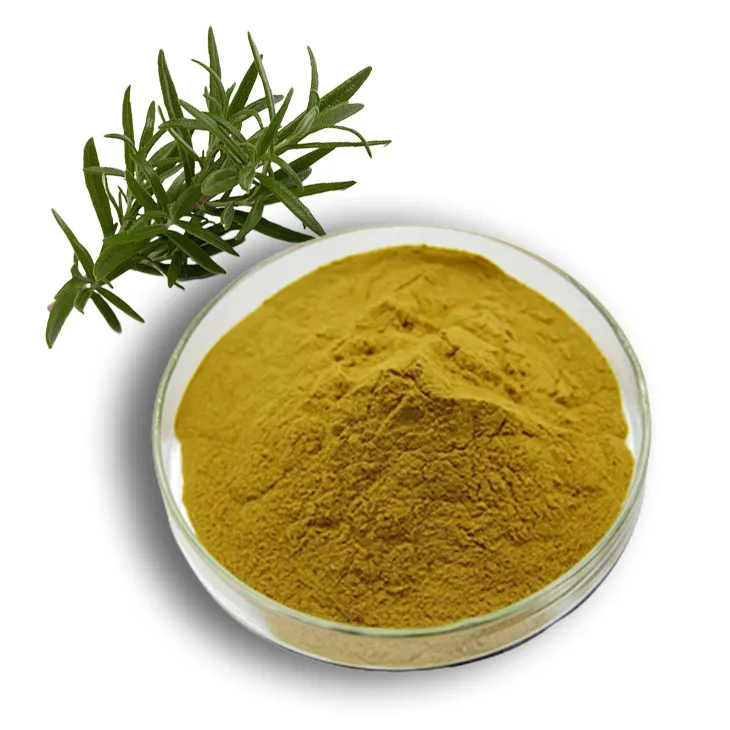
Rosemary extract
2026-08-15
-
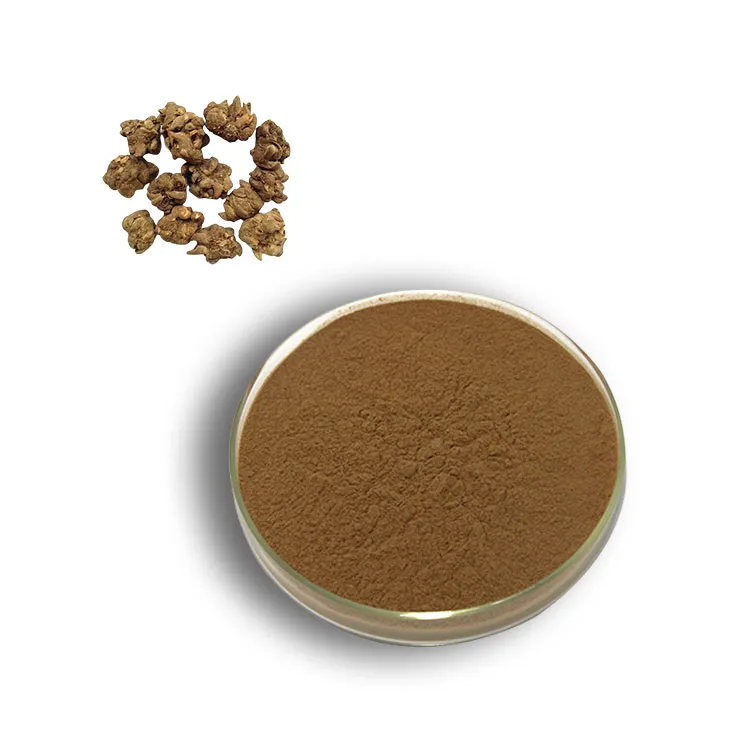
Cat Claw Extract
2026-08-15
-
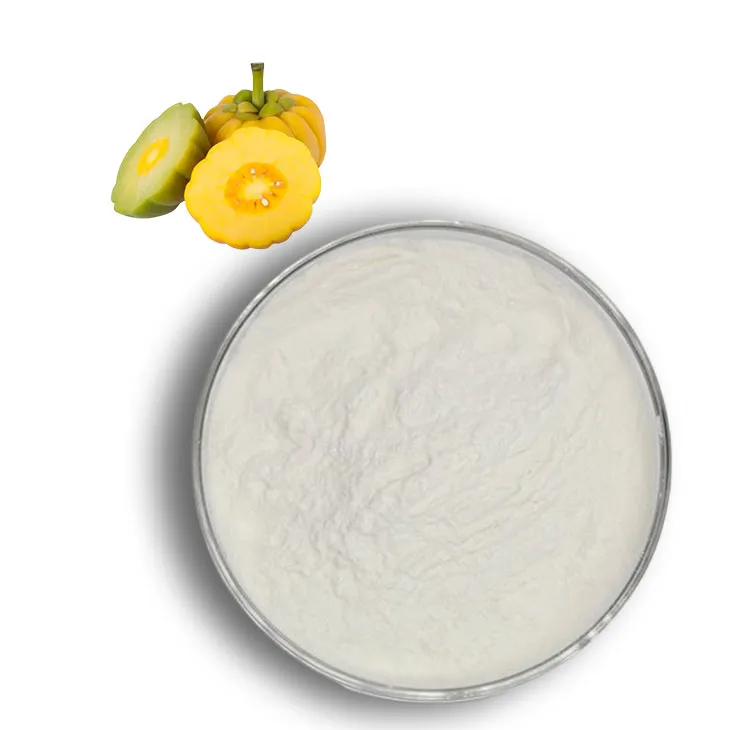
Garcinia Cambogia Extract
2026-08-15
-
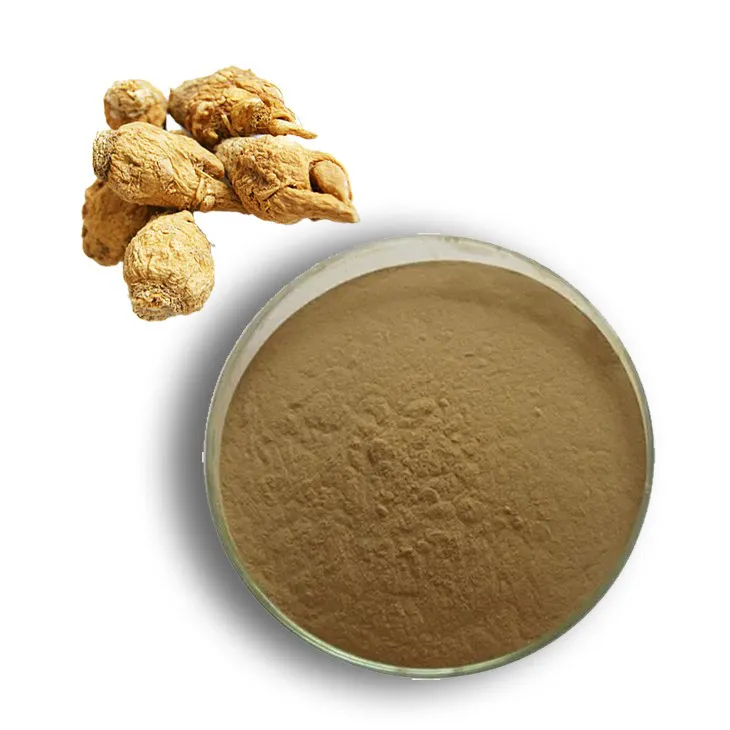
Maca Extract
2026-08-15
-
Yohimbine Bark Extract
2026-08-15
-
Sea buckthorn Juice Powder
2026-08-15
-
Diosmin
2026-08-15
-
Mulberry Extract
2026-08-15
