- 0086-571-85302990
- [email protected]





What is a green tea extract supplier?
2026-08-13
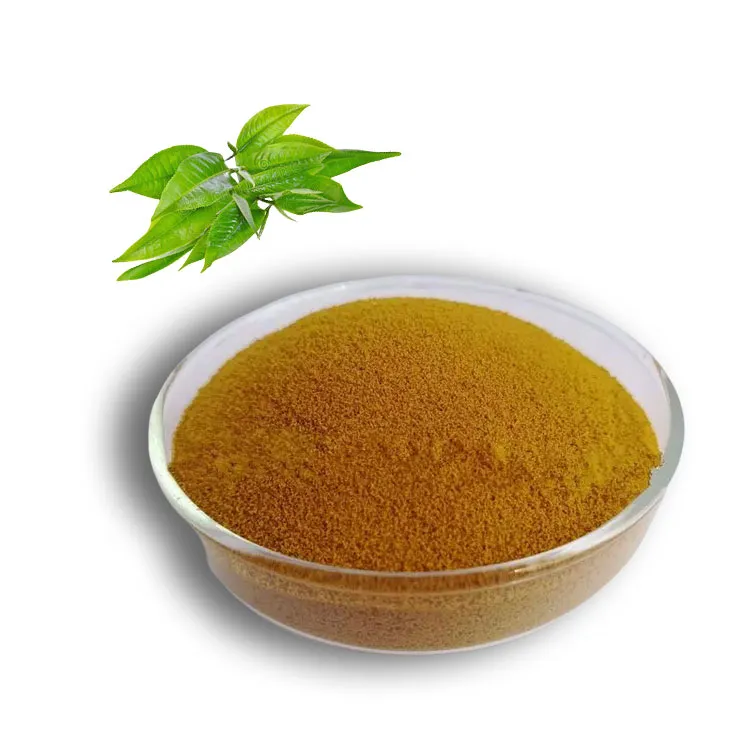
If you are formulating a weight-management supplement, an antioxidant capsule, or a functional beverage, one of the first questions you will face is: who supplies my Green Tea Extract? A Green Tea Extract supplier is the company that grows, sources, processes, tests, and delivers standardized Green Tea Extract powder to manufacturers around the world. But the answer is more than a one-line definition — suppliers come in very different forms, and the one you choose can determine whether your product is consistent, safe, and sellable.
This guide explains what a green tea extract supplier actually does, the difference between a manufacturer and a trader, what to look for in a partner, and how to verify that a supplier can live up to its claims.
What Does a Green Tea Extract Supplier Do?
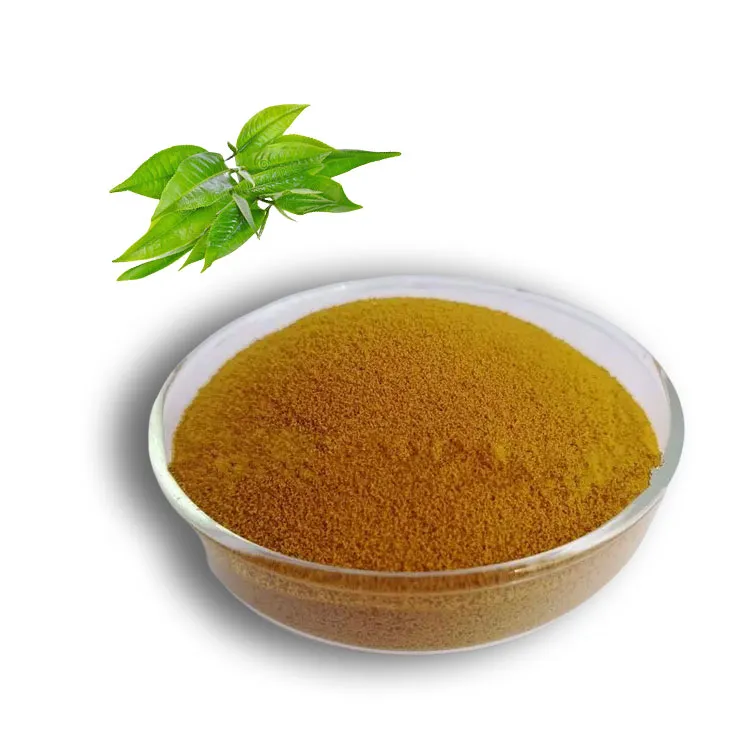
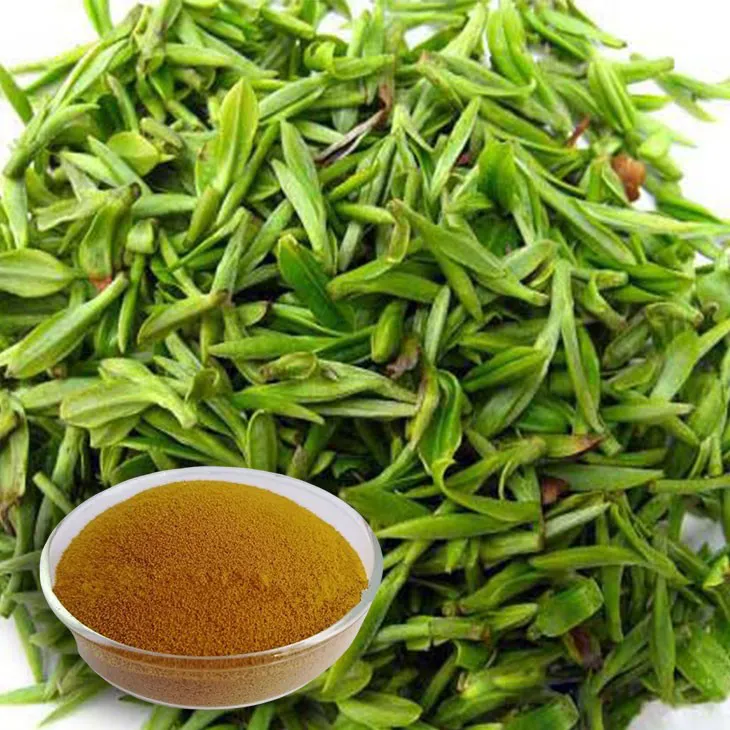
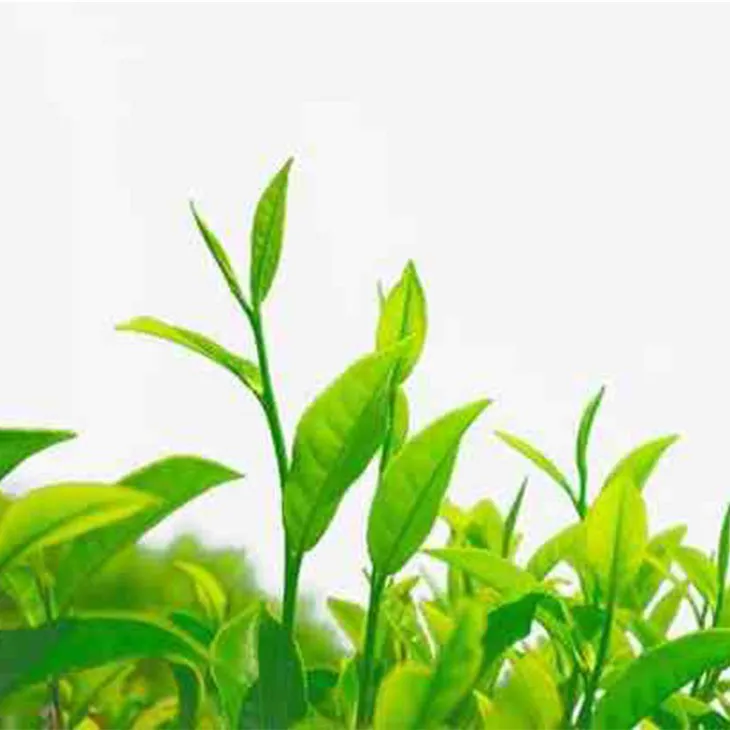
A green tea extract supplier manages the full journey from leaf to powder. At its core, the job involves sourcing raw Camellia sinensis leaves, extracting the beneficial catechins — especially epigallocatechin-3-gallate (EGCG) — and standardizing the finished powder to a defined specification. In practice, a serious supplier also handles:
- Raw material sourcing: building stable relationships with tea gardens and ensuring the leaves are harvested and delivered quickly so catechin content is preserved.
- Extraction and processing: using water or ethanol-water extraction, concentration, spray drying, and other equipment to turn leaf into a fine, standardized powder.
- Quality control: running in-house testing for polyphenols, catechins, EGCG, caffeine, heavy metals, pesticide residues, and microbiology.
- Documentation: providing certificates of analysis (COA), specifications, and export documents that your own regulatory team will need.
- Logistics and support: handling packaging, shipping, and honest technical guidance about how to use the extract in your formulation.
The single most important technical step a supplier controls is the post-harvest de-enzyming process. Green tea leaves contain polyphenol oxidase enzymes that begin converting catechins into theaflavins the moment the leaf is plucked. A reliable supplier steams or pan-fires the leaf soon after harvest to deactivate these enzymes, protecting the EGCG yield that gives green tea extract its value. If a supplier cannot explain its de-enzyming step or time-to-processing window, that is a warning sign.
Manufacturer vs. Trader: Know the Difference
Not every green tea extract supplier is the same. The biggest distinction is between a manufacturer and a trader or wholesaler.
- Manufacturer: owns the production facility, controls the extraction process, and can often offer better batch consistency, custom specifications, and direct technical support.
- Trader or wholesaler: buys extract from producers and resells it. Traders can be useful for small one-off orders, but they add a layer between you and the source, which makes traceability and quality control harder to verify.
For manufacturers building repeatable products, working directly with a green tea extract supplier that is also the producer is usually the smarter choice. You get a single accountable partner, tighter control over specifications, and easier access to documentation and samples.
What to Look for in a Green Tea Extract Supplier
Choosing a supplier is not about finding the lowest price. It is about finding a partner who can deliver the same quality, batch after batch. Evaluate any candidate against these five criteria.
1. Standardization and Testing
Demand quantification by HPLC, not just a total-polyphenol number from a simple UV-Vis method. A trustworthy supplier should be able to state the EGCG and total catechin content of each batch, as well as caffeine content for regular and decaffeinated grades. Ask to compare certificates of analysis across several batches to confirm consistency.
2. Certifications
Look for recognized food-safety and quality certifications such as ISO 22000, ISO 9001, GMP, and, where your market requires it, HALAL and Kosher. For export to strict markets, organic certification and full export registration also matter. A reputable supplier should be willing to share audit reports, not just mention certifications on a website.
3. Production Facility and Equipment
A real manufacturer should be able to describe its production capacity and equipment — extraction tanks, low-temperature concentrators, spray-drying towers, and laboratory instruments such as HPLC and GC. If possible, ask for evidence of a food-grade clean production area and an independent laboratory.
4. Contaminant Control
Tea is an intensively cultivated crop, so a responsible supplier screens for pesticide residues against EU standards, tests heavy metals such as lead and arsenic by ICP-MS, checks residual solvents, and runs a full microbiological panel. These results should appear on every batch's certificate of analysis.
5. Samples and Documentation
A confident supplier will provide free samples and complete documentation, including COA, specification sheets, and export paperwork. If a supplier is hesitant to share samples or written documentation, treat that as a red flag.
How to Verify a Supplier Before You Commit
Verification takes a few straightforward steps. First, request samples and have them tested by your own or an independent third-party laboratory before scaling up. Second, ask for at least three batches of certificates of analysis and compare the numbers for consistency. Third, ask direct questions about raw material sourcing, the de-enzyming process, and production capacity — a manufacturer who controls its own facility will answer comfortably. Finally, for high-value orders, consider an on-site audit or a video tour of the facility. A reputable supplier will welcome this scrutiny.
Why a Manufacturer You Can Trust Matters
The green tea extract market is crowded, and it is easy to be misled by unusually low prices or vague documentation. A supplier that only reports total polyphenols by a non-specific method, or that cannot show batch-by-batch EGCG data, may be cutting corners that jeopardize your product's quality and reputation. Partnering with a genuine manufacturer with proven facilities, transparent testing, and solid certifications gives you the confidence to build a product you can stand behind.
Hangzhou Greensky Biological Tech. Co., Ltd. is a manufacturer and green tea extract supplier with more than 20 years of experience in botanical extracts. Backed by a vertically integrated group, a 100,000-class food-grade clean production area, and an independent laboratory equipped with HPLC, GC, and UV instruments, Greensky supplies standardized green tea extract with EGCG content from 15% to 98%, verified by HPLC. The company holds ISO 22000, ISO 9001, BRCGS, HALAL, and Kosher certifications, and can provide the COA, samples, and export documentation that global buyers need. Browse the green tea extract suppliers list or contact the Greensky sales team to request a sample and discuss your specification.
A green tea extract supplier is ultimately more than a source of powder — it is a partner in quality. By understanding what a supplier does, separating manufacturers from traders, and verifying certifications, testing, and documentation, you can choose a partner who helps you deliver a consistent, safe, and effective product.
- ▶ Hesperidin
- ▶ Citrus Bioflavonoids
- ▶ Plant Extract
- ▶ lycopene
- ▶ Diosmin
- ▶ Grape seed extract
- ▶ Sea buckthorn Juice Powder
- ▶ Fruit Juice Powder
- ▶ Hops Extract
- ▶ Artichoke Extract
- ▶ Mushroom extract
- ▶ Astaxanthin
- ▶ Green Tea Extract
- ▶ Curcumin
- ▶ Horse Chestnut Extract
- ▶ Other Product
- ▶ Boswellia Serrata Extract
- ▶ Resveratrol
- ▶ Marigold Extract
- ▶ Grape Leaf Extract
- ▶ New Product
- ▶ Aminolevulinic acid
- ▶ Cranberry Extract
- ▶ Red Yeast Rice
- ▶ Red Wine Extract
- ▶ blog
-
Sea buckthorn oil
2026-08-13
-
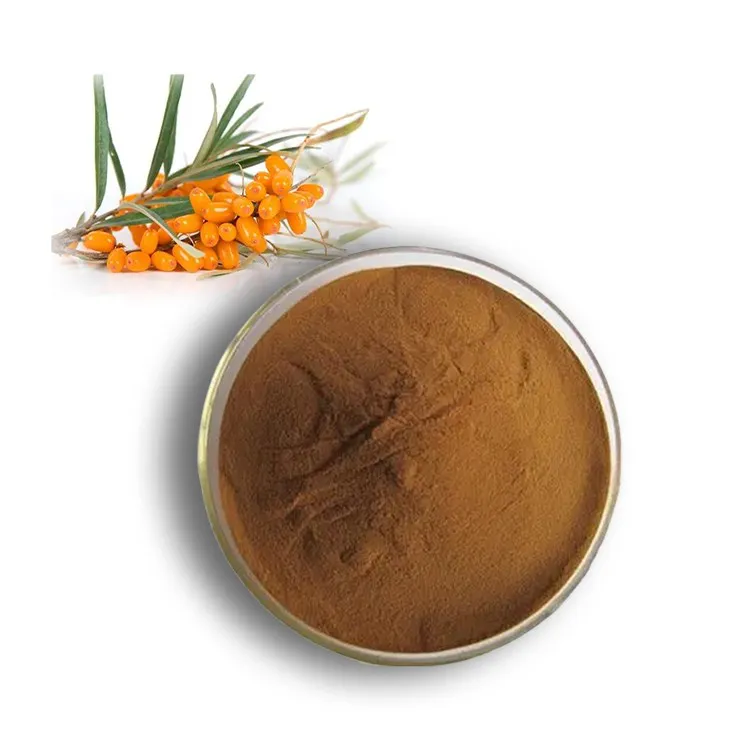
Buckthorn bark extract
2026-08-13
-
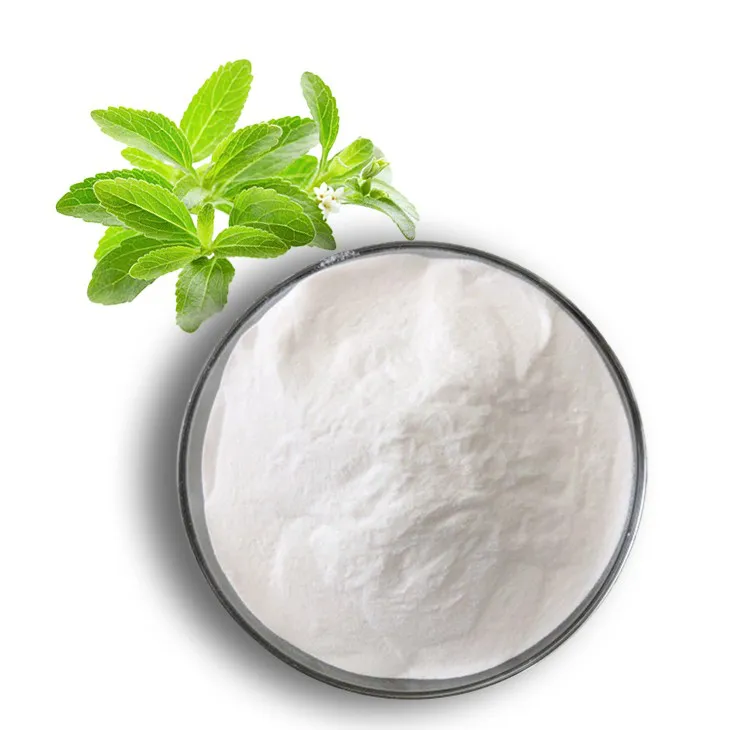
Stevia Extract
2026-08-13
-
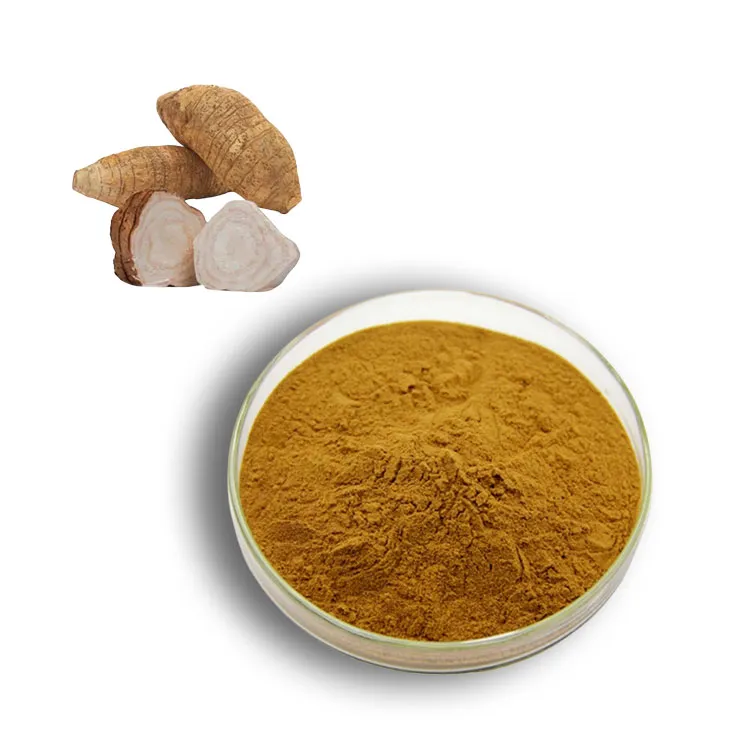
Pueraria Lobata Extract
2026-08-13
-
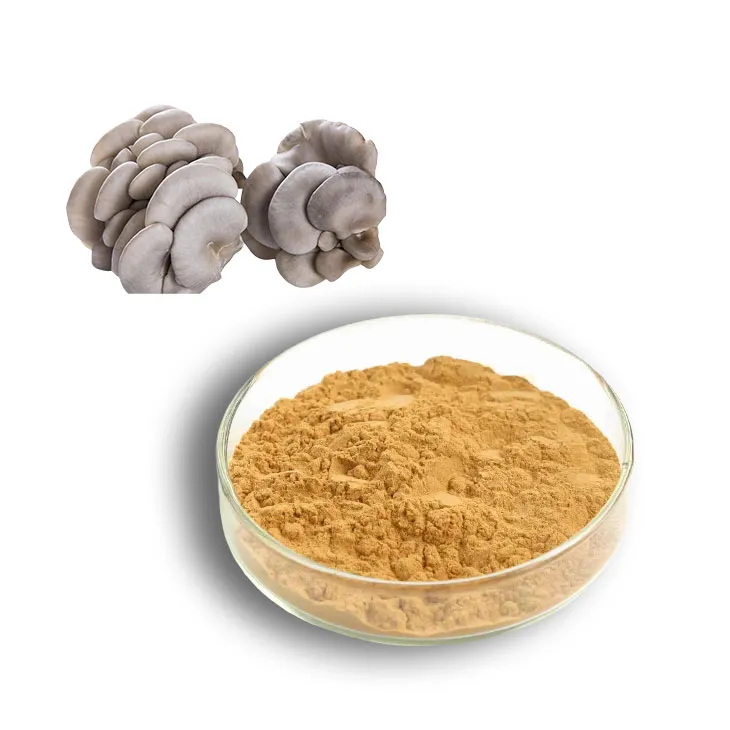
Oyster Mushroom Extract Powder
2026-08-13
-
Mangosteen extract powder
2026-08-13
-
Polygonum Cuspidatum Extract
2026-08-13
-
Echinacea Extract
2026-08-13
-
Apricot Powder
2026-08-13
-
Cranberry Extract
2026-08-13