- 0086-571-85302990
- [email protected]






What factors influence the grape seed dosage for effectiveness?
2026-08-15
Grape seed extract has become one of the most popular natural ingredients in the supplement market, and for good reason. Rich in proanthocyanidins, it offers a broad range of benefits from antioxidant protection to cardiovascular support. Yet many people focus so much on whether to take it that they overlook an equally important question: how much actually works. The answer is not a single number. Effective dosing depends on a combination of factors, and understanding them is the difference between an extract that delivers results and one that quietly underperforms.
Why a single "right dose" does not exist
If you search for Grape Seed Extract dosage, you will find recommendations that range from 50 mg to well over 600 mg per day. That wide spread is not a sign of confusion in the industry. It reflects the reality that the optimal amount depends heavily on the individual and on the product itself. Two bottles that both say "Grape Seed Extract" can be entirely different in terms of active compounds, and two people with different goals may need different amounts of the same product. The most reliable way to approach dosing is to look at the factors below and adjust accordingly.
The standardization of the extract is the first thing to check
Before any discussion of milligrams, you have to look at what those milligrams actually contain. Grape Seed Extract is standardized for its active polyphenol fraction, most commonly measured as oligomeric proanthocyanidins (OPCs). A high-quality product might be standardized to as much as 95% OPCs, while a poorly characterized powder could deliver a much smaller and less predictable amount in the same capsule weight. This is precisely why a 150 mg capsule of a well-standardized extract can outperform a 500 mg capsule of an unstandardized one. When comparing products or matching a dose from a research study, the number that matters is the milligrams of OPCs, not the total weight of the powder. Always confirm the standardization level on the label before deciding on your dose. For professional buyers, sourcing from established grape seed extract manufacturers who provide batch documentation is the most reliable way to guarantee consistent standardization.
Your age influences the range you should target
Age changes how the body handles antioxidants. Children and adolescents generally need much lower amounts, and it is typically advised that children under 12 avoid high-dose supplements without medical supervision. Healthy adults can usually tolerate a standard maintenance range comfortably. As people get older, the body's natural antioxidant defenses decline, so older adults often benefit from a somewhat higher amount to address age-related oxidative stress, joint comfort, and circulation. In every case, these are starting guidelines rather than fixed rules, and individual health always takes priority.
Your health status and specific goal set the effective range
The reason you are taking the extract is perhaps the single strongest influence on the dose you need. For general antioxidant support, skin health, and everyday protection against oxidative damage, a moderate maintenance amount is usually sufficient. When the goal shifts toward more targeted outcomes, such as improving blood vessel function, supporting circulation, or managing markers related to cardiovascular health, higher amounts are commonly used in clinical settings. The same logic applies to specific conditions: someone addressing a circulation-related concern may work with a larger dose, while someone in good health simply looking for daily antioxidant coverage may need far less. Individual responses vary, so it is always wise to start conservatively and build up only if needed.
Body weight and diet shape your personal baseline
Body weight plays a modest but real role. A larger individual may need a slightly higher amount to reach the same tissue concentration as a lighter person, though this is not a strict rule. Diet matters just as much. Someone whose diet is rich in fruits, vegetables, and other polyphenol sources is already getting antioxidant support, so they may need a smaller supplement dose. Conversely, someone eating mostly processed foods may need a somewhat higher amount to compensate for the gap.
Medications can change the safe dose
Grape seed extract can interact with certain medications, and this can influence both how much you should take and whether you should take it at all. It may enhance the effect of blood-thinning medications, which could increase bleeding risk, and it can also interact with some antihypertensive and diabetes medications. If you take any prescription medication, speak with your healthcare provider before starting. This is not a reason to avoid the extract, but it is a reason to be careful and transparent about what you are taking.
How to start and adjust your dose safely
The safest approach is to begin with a low amount and increase gradually. For most adults, starting around 50 to 100 mg per day allows the body to adjust and gives you a chance to observe how you respond. After a week or two, if there are no adverse reactions and a higher amount is justified by your goal, you can increase in small steps. Dividing a larger daily amount into two doses, such as morning and evening, helps maintain more consistent levels of the active compounds throughout the day. Throughout this process, pay attention to any signs of digestive discomfort, headache, or other unusual reactions, and reduce or pause if they occur.
Understanding the upper limits
While there is no absolute maximum that applies to everyone, very high amounts should be approached with caution. Extremely high daily intake increases the likelihood of side effects such as nausea, stomach upset, and diarrhea, and in rare cases may place strain on the liver. High doses should only be considered under professional supervision, and they are rarely necessary for the benefits most people are seeking. For most individuals, a well-standardized product used within a sensible range delivers the desired effect without pushing toward the extremes.
Choosing a source you can trust
Because standardization is so central to effectiveness, the quality of the supplier matters. Reliable manufacturers provide clear documentation of the OPC content and purity of their extracts, and they produce under controlled conditions that keep the active compounds intact. Whether you are formulating a supplement or adding a finished product to your routine, choosing a responsible supplier is as important as choosing the right dose. A well-standardized extract from a reputable production line gives you the confidence that the milligrams on the label translate into the active compounds your body actually uses.
Final thoughts
There is no universal grape seed extract dose because there is no universal user. The right amount balances the standardization of the product, your age, your health goals, your body weight, your diet, and any medications you take. Start low, increase gradually, and adjust based on how you feel. When the extract is well-made and the dose is matched to your situation, grape seed extract supplements can be a genuinely valuable addition to a healthy routine.
TAGS:
- ▶ Hesperidin
- ▶ Citrus Bioflavonoids
- ▶ Plant Extract
- ▶ lycopene
- ▶ Diosmin
- ▶ Grape seed extract
- ▶ Sea buckthorn Juice Powder
- ▶ Fruit Juice Powder
- ▶ Hops Extract
- ▶ Artichoke Extract
- ▶ Mushroom extract
- ▶ Astaxanthin
- ▶ Green Tea Extract
- ▶ Curcumin
- ▶ Horse Chestnut Extract
- ▶ Other Product
- ▶ Boswellia Serrata Extract
- ▶ Resveratrol
- ▶ Marigold Extract
- ▶ Grape Leaf Extract
- ▶ New Product
- ▶ Aminolevulinic acid
- ▶ Cranberry Extract
- ▶ Red Yeast Rice
- ▶ Red Wine Extract
- ▶ blog
-
Phyllanthus Emblica Extract
2026-08-15
-
Lemon Extract
2026-08-15
-
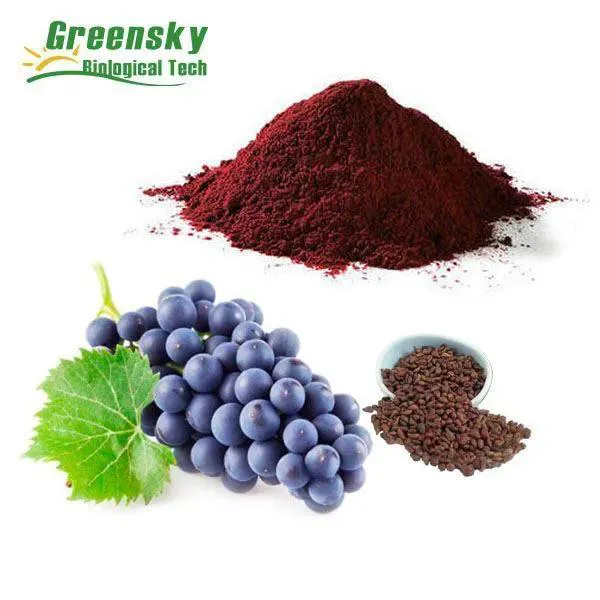
Grape Seed Extract
2026-08-15
-
Epimedium extract powder
2026-08-15
-
Citrus Aurantium Extract
2026-08-15
-
Chaste Berry Extract
2026-08-15
-
Baobab Fruit Extract
2026-08-15
-
Cranberry Extract
2026-08-15
-
Thunder God Vine Extract
2026-08-15
-
Acerola Extract
2026-08-15
