- 0086-571-85302990
- [email protected]




What factors drive the cranberry extract market demand?
2026-08-13
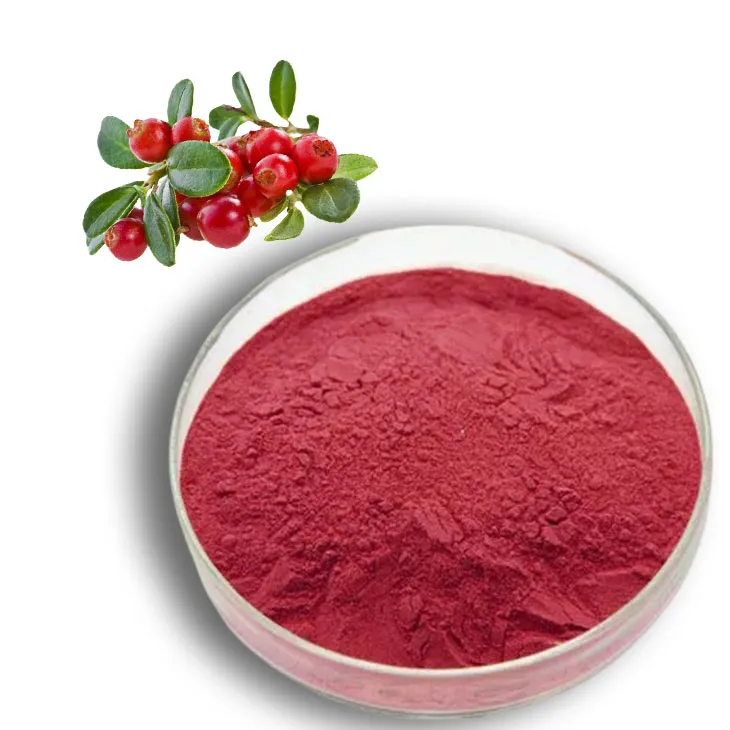
Cranberries have quietly moved from a holiday table staple to a serious business ingredient. Behind the juices and dried berries sits a concentrated extract used in supplements, functional foods, cosmetics, and even colouring. The global cranberry extract market reached roughly USD 770 million in 2025 and is expected to climb toward USD 1.34 billion by 2035, growing at a compound annual rate of about 5.7%. That steady rise is not an accident. It is shaped by a cluster of distinct forces, and understanding them matters for anyone who buys, formulates, or trades plant ingredients.
Growing focus on urinary tract wellness
The single strongest driver is health. Bacterial urinary tract infections rank among the most common bacterial infections worldwide, with more than 400 million cases reported each year. Around half of all women experience at least one in their lifetime. Because Cranberry Extracts are rich in proanthocyanidins that help stop bacteria from sticking to the urinary tract lining, they have become a go-to natural defence. The U.S. Food and Drug Administration has kept a qualified health claim for certain cranberry products on reduced risk of recurrent urinary tract infections in healthy women, which gives manufacturers a solid base to build compliant labels.
Clinical evidence keeps building confidence
Scientific validation is what turns a folk remedy into a reliable ingredient. Research has repeatedly linked cranberry compounds to antioxidant activity, immune support, and reduced bacterial adhesion, not just in the urinary tract but in broader wellness contexts. As more studies accumulate, regulatory bodies feel safer approving health claims, and formulators feel safer putting the ingredient into new products. This evidence-backed reputation is a major reason demand has become less seasonal and more consistent across the year.
Food and beverage appetite for natural colour
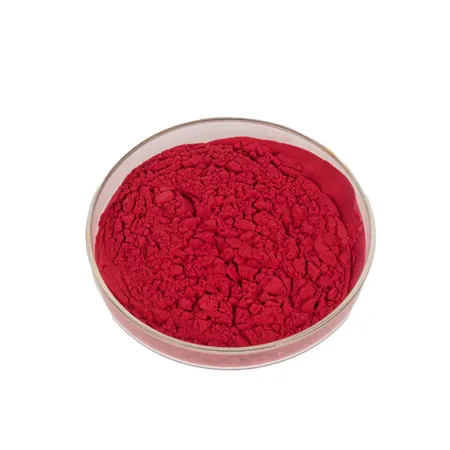
The food and beverage industry has become a demanding customer. Cranberry Extract works as a natural red pigment and flavouring agent, replacing synthetic dyes that many consumers now avoid. Only about 5% of U.S. cranberries are sold fresh; the rest are processed, and a growing slice of that stream ends up as extract for juices, yogurts, bakery items, and ready-to-drink products. With roughly three out of four consumers willing to pay more for natural, clean-label options, brands are eager to flag simple, recognisable ingredients on their packs.
Clean label and the organic pull
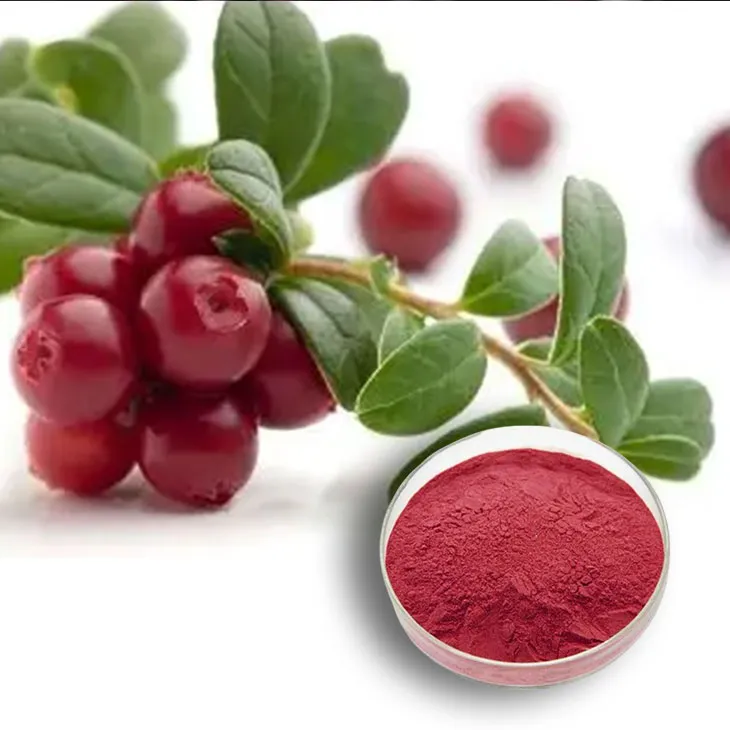
The clean-label movement stretches far beyond food. Buyers increasingly look for extracts that are non-GMO, additive-free, and, where possible, organic. Conventional cranberry still leads on volume because it is cheaper and easier to source at scale, but organic material commands a premium and is growing faster. Suppliers that can document both organic and conventional lines give buyers flexibility, while certification such as Ecocert, ISO22000, and Kosher helps shorten the qualification process on the manufacturer's side.
Cosmetics and personal care as a second growth lane
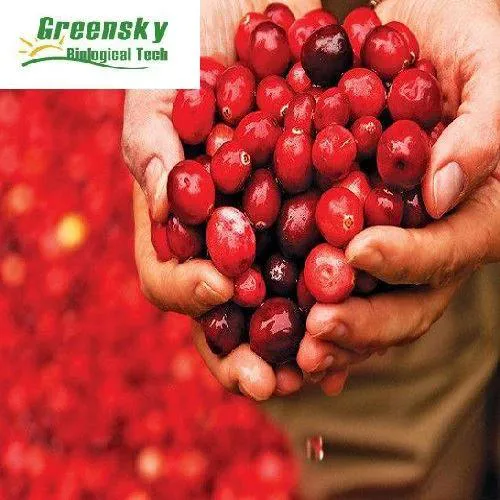
Cosmetics is an often-overlooked contributor. Cranberry Extract is loaded with antioxidants and vitamin C, which support skin rejuvenation and make it attractive for serums, creams, and anti-ageing lines. The thriving natural cosmetics segment keeps adding to demand, and unlike supplements, cosmetic applications often allow for liquid and dried forms that broaden the product portfolio a manufacturer can offer.
Better extraction and quality control
Technology shapes supply as much as demand. Modern extraction methods improve yield, purity, and stability, which lets producers hit the tight specifications buyers now request, such as a defined proanthocyanidin content. Capsule and tablet formats already account for more than half of product-type share, reflecting consumer preference for convenient dosing. Consistency matters more than ever, and that is exactly where a vertically integrated supplier earns its keep: in-house sourcing, controlled extraction, and laboratory testing under one roof.
What buyers should look for in a supplier
Because demand is healthy but competition is intense, the real differentiator is the manufacturer behind the powder. A dependable supplier should be able to show a clean production area, an independent laboratory with HPLC and UV analysis, batch-to-batch consistency, and globally recognised certifications such as ISO22000, BRCGS, and Halal. For a company buying an extract cranberry ingredient for the first time, asking for a certificate of analysis, a specification sheet, and a reference sample before committing is not excessive, it is standard practice. A manufacturer that has been refining botanical extracts for over two decades, with full vertical integration from sourcing to export documentation, saves buyers far more time than the price difference suggests.
Regional demand and the road ahead
North America still leads, thanks to high awareness and a mature supplement infrastructure. Europe is catching up on the strength of organic and natural product preferences, while Asia-Pacific is the fastest mover as disposable incomes and preventive-health habits grow. Across regions, the same themes repeat: consumers want natural, evidence-backed, traceable ingredients. As long as that holds, the cranberry extract market will keep growing, and the suppliers who combine clean manufacturing with verifiable quality will be the ones invited to grow along with it.
- ▶ Hesperidin
- ▶ Citrus Bioflavonoids
- ▶ Plant Extract
- ▶ lycopene
- ▶ Diosmin
- ▶ Grape seed extract
- ▶ Sea buckthorn Juice Powder
- ▶ Fruit Juice Powder
- ▶ Hops Extract
- ▶ Artichoke Extract
- ▶ Mushroom extract
- ▶ Astaxanthin
- ▶ Green Tea Extract
- ▶ Curcumin
- ▶ Horse Chestnut Extract
- ▶ Other Product
- ▶ Boswellia Serrata Extract
- ▶ Resveratrol
- ▶ Marigold Extract
- ▶ Grape Leaf Extract
- ▶ New Product
- ▶ Aminolevulinic acid
- ▶ Cranberry Extract
- ▶ Red Yeast Rice
- ▶ Red Wine Extract
- ▶ blog
-
Marigold Extract
2026-08-13
-
Dandelion Leaf Extract
2026-08-13
-
Lotus leaf extract
2026-08-13
-
Tormentil Extract
2026-08-13
-
Bilberry Extract
2026-08-13
-
Black Garlic Extract
2026-08-13
-
Red Wine Extract
2026-08-13
-
Eucommia Ulmoides Extract
2026-08-13
-
Jujube Extract
2026-08-13
-
Rosemary extract
2026-08-13