- 0086-571-85302990
- [email protected]






What dosage of plant extracts for skin care gives noticeable results?
2026-08-15
If you are developing a serum, cream, or supplement built around botanical actives, the most common question we hear from formulators and procurement teams is a practical one: what dosage of plant extracts for skin care actually gives visible results? The honest answer is that there is no single number that works for every ingredient. What matters is the standardized content of the active marker compound, the way the extract is delivered, and whether you are planning a topical formula or an oral one. Understanding the doses that human studies have linked to visible improvements lets you build a formula that is both effective and cost-efficient.
Why does dose matter so much in botanicals? Most plant extracts work through the same basic pathways. They deliver antioxidant polyphenols, carotenoids, and flavonoids that neutralize the reactive oxygen species generated by UV exposure and pollution. Left unchecked, these free radicals drive up matrix metalloproteinases, which are the enzymes that break down dermal collagen and elastin. The result is the familiar cascade of photoaging: loss of elasticity, uneven pigmentation, dryness, and wrinkles. A botanical active only starts to interrupt that process once enough of the active compound reaches the skin or the bloodstream. Below that threshold, even a beautifully formulated product simply does not deliver noticeable results.
Topical versus oral: two different dosing logics
The first decision that shapes your dosage is whether the active will be applied to the skin or taken internally, because the two routes follow different rules. In a topical product, the percentage of the extract in the formula matters most, together with the penetration of the carrier. In an oral product, the daily dose in milligrams of the standardized active compound is what clinical trials typically report. Many manufacturers design a dual approach, pairing a topical cream with an oral supplement, so it is worth planning both from the start rather than treating them as separate projects.
Green tea polyphenols
Green Tea Extract is one of the most thoroughly studied botanicals for skin. Its dominant active, epigallocatechin gallate (EGCG), is a potent antioxidant that also supports collagen synthesis and calms inflammation. For topical formulas, clinical work has used green tea catechin preparations at concentrations in the 10 to 15 percent range applied several times daily, with measurable effects on photoprotection and overall skin condition. For oral products, published intervention trials have shown that a daily intake of green tea polyphenols can improve skin density, elasticity, and microcirculation over a roughly twelve-week period. Because the marker content varies widely between batches, always specify the polyphenol or EGCG percentage when you source your green tea extract for skin care, rather than relying on the raw extract weight alone.
Lycopene
Lycopene is a carotenoid whose value for skin lies in its exceptional ability to quench singlet oxygen, making it a strong ally against photoaging. In oral supplementation studies, Lycopene has been given at daily doses ranging from roughly 8 to 16 milligrams, with some longer trials using around 15 milligrams daily for twelve weeks. Those protocols reported improvements in transepidermal water loss, skin firmness, wrinkle appearance, tone, and pore size. Since lycopene is fat-soluble and its absorption depends heavily on the delivery matrix, the form you choose, whether an oil-based softgel or a standardized powder, matters as much as the dose itself. If your target market is oral beauty supplements, lycopene for skin is a well-validated and easily communicated ingredient.
Grape seed and pine bark proanthocyanidins
Proanthocyanidins from grape seed and maritime pine bark are prized for protecting collagen and improving skin firmness. In controlled human trials, pine bark extract has been supplemented at 40 milligrams daily over a longer period, or at 100 milligrams daily over a shorter cycle, with both approaches linked to improved skin elasticity and appearance. Grape seed extract follows a similar logic, offering oligomeric proanthocyanidins that fight oxidative stress. When formulating with these, remember that the proanthocyanidin content, typically reported as a percentage of the extract, is the figure that actually drives efficacy.
Centella asiatica and other restorative actives
Not every skin-care botanical is an antioxidant. Centella asiatica, for example, is valued for its triterpenes such as madecassoside, which support wound healing and skin repair. Such actives are usually dosed by their triterpene or marker content rather than by a blanket extract percentage. The same principle applies across the wider catalog of plant extracts for skin care, from rose hip and calendula to avocado and aloe-derived ingredients: identify the key marker compound, standardize to it, and dose around it.
The real driver: standardized active content, not extract weight
This brings us to the single most important point for any formulator. Two batches of "Green Tea Extract" or "grape seed extract" can look identical in the bag yet differ dramatically in the amount of the active compound they contain. If you dose by extract weight alone, one batch may deliver a visible effect while the next falls short, and you will never be able to trace which variable changed. The professional approach is to work with a supplier that guarantees a defined marker content, such as a minimum polyphenol percentage or a standardized proanthocyanidin figure, and provides a certificate of analysis with every shipment. This is not just a quality nicety; it is what turns a hit-or-miss formula into a repeatable product.
How to arrive at the right dose for your formula
A practical workflow looks like this. First, select the active and decide on the delivery route, topical, oral, or both. Second, find the human-study dose range that produced the visible results you want, using the marker compound as your reference point. Third, convert that into a formula percentage or a per-serving milligram target, and validate it with stability and efficacy testing. Finally, build a buffer into your specification so that minor batch variation in marker content never pushes the delivered dose below the effective threshold. Where possible, run a small in-house or third-party study with your final formula before committing to a large production run.
Working with a supplier you can spec against
Because consistency is the foundation of any effective dose, the supplier you choose is as important as the ingredient itself. A manufacturer with its own extraction, drying, and testing facilities can control the marker content from raw material to finished powder, rather than merely reselling commodity lots. Look for a partner that operates an independent laboratory, holds food-grade and organic certifications, and provides export documentation and certificates of analysis for every batch. When you can specify a marker content, receive it in writing, and verify it on delivery, you can formulate with confidence at the doses that research supports.
The dosage of plant extracts for skin care is not a secret formula; it is an evidence-based decision. Start with the standardized active compound, match it to the dose range validated in human studies, choose the right delivery, and work with a supplier who can guarantee the marker content you specify. Get those four elements right, and noticeable results follow reliably, batch after batch.
TAGS:
- ▶ Hesperidin
- ▶ Citrus Bioflavonoids
- ▶ Plant Extract
- ▶ lycopene
- ▶ Diosmin
- ▶ Grape seed extract
- ▶ Sea buckthorn Juice Powder
- ▶ Fruit Juice Powder
- ▶ Hops Extract
- ▶ Artichoke Extract
- ▶ Mushroom extract
- ▶ Astaxanthin
- ▶ Green Tea Extract
- ▶ Curcumin
- ▶ Horse Chestnut Extract
- ▶ Other Product
- ▶ Boswellia Serrata Extract
- ▶ Resveratrol
- ▶ Marigold Extract
- ▶ Grape Leaf Extract
- ▶ New Product
- ▶ Aminolevulinic acid
- ▶ Cranberry Extract
- ▶ Red Yeast Rice
- ▶ Red Wine Extract
- ▶ blog
-
Cassia Seed Extract
2026-08-15
-
Milk Thistle Extract
2026-08-15
-
Europen Bilberry Extract
2026-08-15
-
Mulberry Extract
2026-08-15
-
Lotus leaf extract
2026-08-15
-
Kupilu Extract
2026-08-15
-
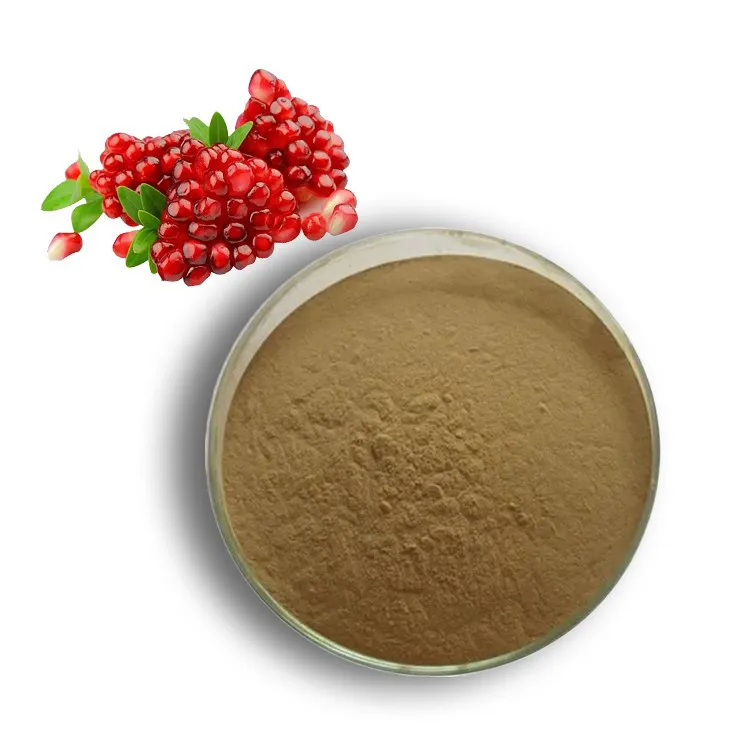
Pomegranate Extract
2026-08-15
-
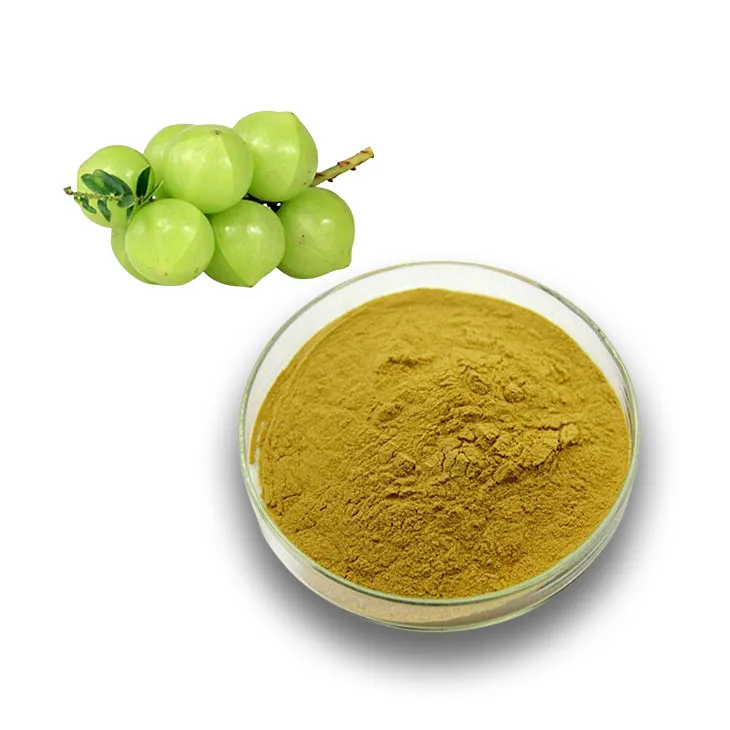
Phyllanthus Emblica Extract
2026-08-15
-
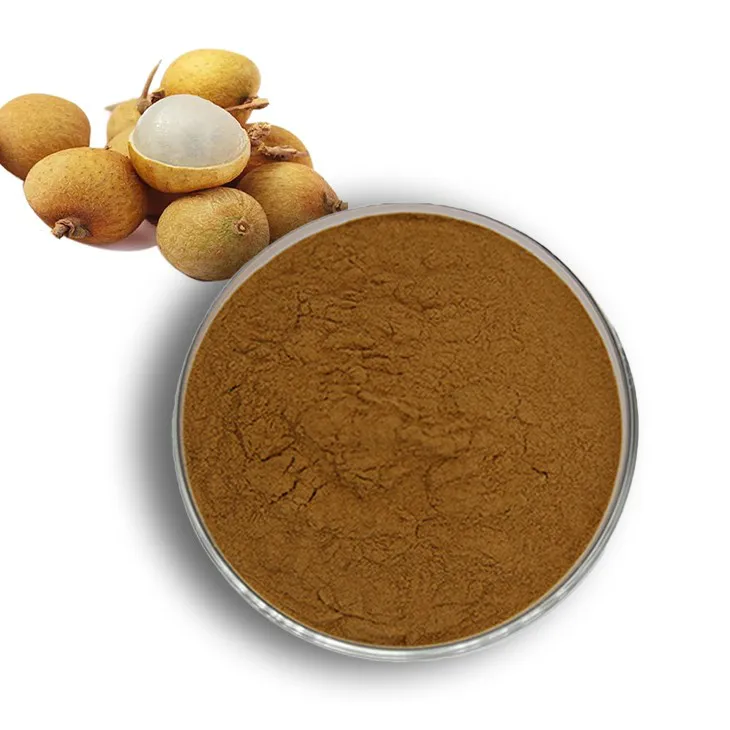
Longan Extract
2026-08-15
-
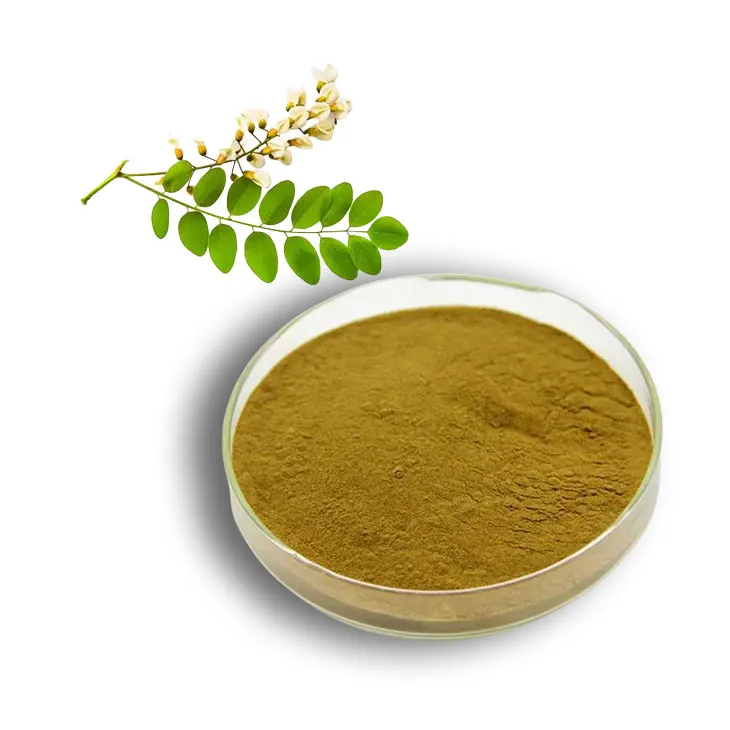
Sophora Japonica Flower Extract
2026-08-15
