We have five factories and 23 years of experience in plant extracts
- 0086-571-85302990
- [email protected]






What documentation is included with wholesale rosemary extract orders?
2026-08-16
Related Product
Rosemary extract
We are the leading rosemary extract manufacturer and also the leading supplier and exporter of rosemary extract. We specialize in providing natural and organic rosemary extract to meet your needs.
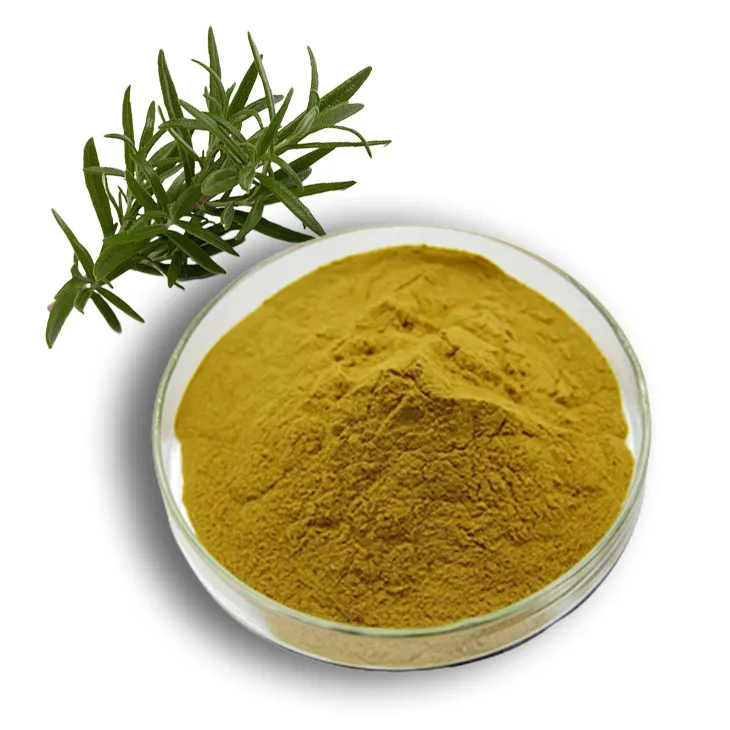
When you place a “wholesale Rosemary extract” order with an experienced B2B manufacturer, the shipment you receive is more than a drum of powder or a pail of liquid. It arrives with a complete documentation pack that tells your quality team, your customs broker, and your regulators exactly what is inside. Understanding this pack before you buy is the difference between a smooth import and a shipment that sits at the port waiting for paperwork. This guide walks through the documents a reliable wholesale rosemary extract order should include, and what to check in each one.
The document pack at a glance
A professional supplier ships at least three layers of documentation with every wholesale order: quality documents that prove the material meets spec, certificates that back up claims made about the plant and the production, and shipping documents that clear customs in your country. For a conscientious rosemary extract supplier, all three are prepared per batch, matched to the lot number on your label, and sent ahead of the goods so you can review them before the vessel or flight arrives.
A complete Rosemary extract order typically includes:
- A batch-specific Certificate of Analysis (COA)
- A Material Safety Data Sheet (MSDS) for the specific form and grade
- Certificates aligned to your market, such as ISO22000, ISO9001, HALAL, Kosher, and organic certifications where required
- Trade documents: commercial invoice, packing list, bill of lading or airway bill, and a certificate of origin where needed
Certificate of Analysis: the document that matters most
The COA is the single most important document in a Rosemary extract order. It is an independent, per-batch record that reports the measured values for the parameters on the product specification. On every COA you should see the lot number it corresponds to, the product name and grade, and the tested values for the active compounds. For rosemary extract, the figures buyers care about most are the antioxidant markers—typically carnosic acid, often reported together with carnosol as the total diterpene content, and frequently rosmarinic acid for water-soluble grades.
Beyond the active content, a trustworthy COA reports the parameters that protect both you and your customers:
- Appearance, colour, odour, and solubility within stated limits
- Residual solvent levels, confirming the extraction solvent is within the permitted range
- Heavy metals such as lead, arsenic, cadmium, and mercury, each below the specified limit
- Microbiology, including total plate count, yeast and mould, and absence of pathogens such as Salmonella and E. coli
- Pesticide residues, where your market or specification requires them
Ask your supplier to send the batch COA for review alongside your purchase confirmation. This lets your quality team verify the values against your specification before production, instead of discovering a discrepancy at the receiving dock. A manufacturer that refuses to share COAs on request, or offers only a single generic certificate for all batches, should be a red flag.
Certificates and compliance documents
Most food, supplement, and personal-care buyers also request certificates that prove the production site is audited and the material can claim what it claims on the label. A credible manufacturer maintains a portfolio of management-system and product certificates and provides copies with the shipment. Look for facility-level certifications such as ISO22000 for food safety management, ISO9001 for quality management, and contemporary Good Manufacturing Practice audits such as those issued under SGS-GMP. For markets and buyers that require them, HALAL and Kosher certificates support products sold into those communities, and organic certification supports clean-label and certified-organic formulations.
In addition to these, the exporter should hold an export food production enterprise registration so the goods can legally leave the country of origin. When you are buying China Rosemary extract, confirm that the paperwork states the product is manufactured and exported under the applicable food or ingredient regulations in both the origin and destination markets, and ask whether the supplier can adjust documentation to match a specific regulation your country enforces.
Shipping and trade documents
Even with perfect quality paperwork, your order will not clear customs without the correct shipping documents. A standard wholesale shipment includes a commercial invoice stating the product description, unit price, quantity, and Incoterms; a packing list detailing the drums, pails, or boxes and their weights; and the bill of lading for ocean freight or an airway bill for air freight. Depending on the destination and the trade agreement between the countries, you may also need a certificate of origin, and some regulated imports require a health certificate or a phytosanitary certificate. Ask your supplier's export team which documents they provide standard and which require advance notice, so nothing delays arrival.
How a dedicated manufacturer stacks the pack
Greensky is a good example of what this looks like in practice. As a B2B manufacturer of natural plant extracts and health-ingredient raw materials, it has supplied rosemary extract and more than a hundred other botanical extracts for over twenty years, with main export markets across Europe, the United States, South Korea, and Russia. Production runs in a 100,000-class clean area that meets food-grade requirements, and an in-house laboratory equipped with GC, HPLC, and UV instruments tests every batch and issues the matching COA. The company holds certificates including ISO22000, BRCGS, Ecocert Organic Standard, SGS-GMP, ISO9001, HALAL, Kosher, and the Export Food Production Enterprise Registration Certificate, and its export team prepares the trade documentation to accompany each wholesale order.
What to confirm before you order
To avoid surprises on any wholesale rosemary extract order, confirm these five points with the supplier in writing before you commit:
- The exact document list included with the order, and which certificates are facility-level versus batch-level
- Whether the COA is issued per batch and matched to the lot number on the shipment
- What the COA reports for active content, heavy metals, microbiological counts, and residual solvents
- Which shipping documents are provided as standard and which require advance notice
- Whether documentation can be adjusted to meet a specific regulation in your destination country
A well-documented wholesale order protects your brand as much as the material itself. When the supplier has the right papers in place, your receiving team knows exactly what arrived, your regulators can see it meets the required standards, and your customers can trust the ingredient on the label. Buy with the documentation front and centre, and ask your rosemary extract supplier to walk you through the pack before placing the order.
TAGS:
FAQ
- ▶ Hesperidin
- ▶ Citrus Bioflavonoids
- ▶ Plant Extract
- ▶ lycopene
- ▶ Diosmin
- ▶ Grape seed extract
- ▶ Sea buckthorn Juice Powder
- ▶ Fruit Juice Powder
- ▶ Hops Extract
- ▶ Artichoke Extract
- ▶ Mushroom extract
- ▶ Astaxanthin
- ▶ Green Tea Extract
- ▶ Curcumin
- ▶ Horse Chestnut Extract
- ▶ Other Product
- ▶ Boswellia Serrata Extract
- ▶ Resveratrol
- ▶ Marigold Extract
- ▶ Grape Leaf Extract
- ▶ New Product
- ▶ Aminolevulinic acid
- ▶ Cranberry Extract
- ▶ Red Yeast Rice
- ▶ Red Wine Extract
- ▶ blog
Recommended Products
-
Acai Berry Extract
2026-08-16
-
Artichoke Leaf Extract
2026-08-16
-
Magnolia Bark Extract
2026-08-16
-
Beetroot Powder
2026-08-16
-
5-HTP (5-Hydroxytryptophan)
2026-08-16
-
Buckthorn bark extract
2026-08-16
-
Dandelion Leaf Extract
2026-08-16
-
Beta Carotene
2026-08-16
-
Sophora Japonica Flower Extract
2026-08-16
-
Hedyotis Diffusa Extract
2026-08-16
Get a Quote
