- 0086-571-85302990
- [email protected]




What documentation does an organic elderberry extract powder exporter provide?
2026-08-15
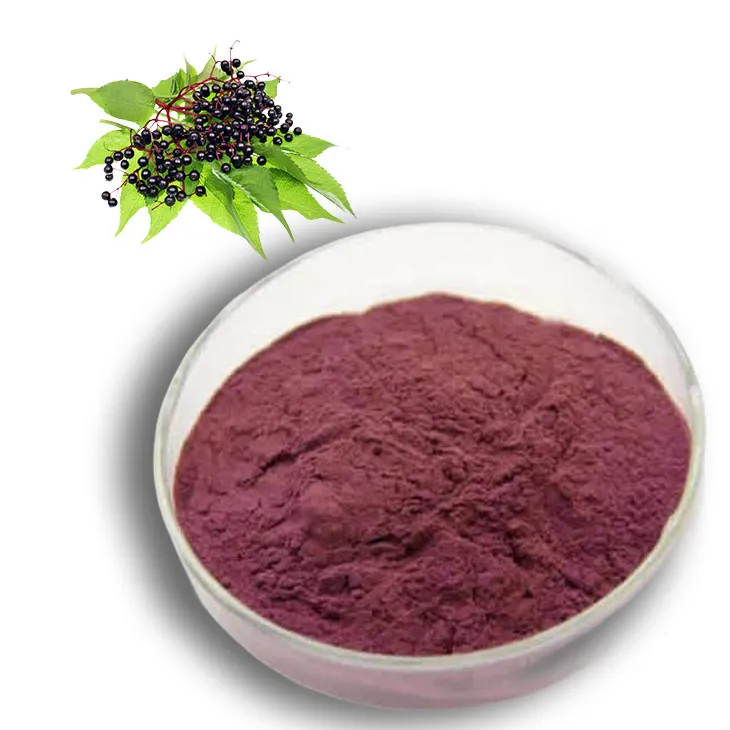
Organic claims are not something a supplier can simply print on a label. In most major markets, including the European union and the United States, the word "organic" on a food or supplement ingredient is a regulated claim. An importer who cannot show the relevant certificates takes on real legal and reputational risk. Beyond regulation, documentation also protects you commercially. A Certificate of Analysis tells you whether the batch you receive actually matches the specification you agreed on, and a clear set of shipping documents keeps your goods moving through customs without surprises. In short, a well-documented shipment is a sign of a professional manufacturer; a vague one is a warning sign.
At the heart of any bulk botanical ingredient shipment are three documents that cover quality, technical fit, and safety. A reliable exporter will provide them without you having to chase them.
Certificate of Analysis (COA). This is the batch-specific report that shows the actual test results for the powder you are buying. For organic Elderberry Extract powder, a good COA covers identity tests, the extraction ratio or marker content if standardized, appearance, particle size, and moisture. It should also include microbiology results such as total plate count and yeast and mould, plus heavy metals including lead, arsenic, cadmium and mercury, and pesticide residue testing. Because these results are batch-specific, the COA should carry the batch number, the manufacturing date, and ideally the expiry date so you can trace it.
Technical Data Sheet (TDS). While the COA is about a specific batch, the TDS describes the product in general terms. It sets out the composition, the recommended use levels, solubility, storage conditions, and the shelf life. Your R&D and purchasing teams will use it to decide whether the ingredient fits your formulation and your labelling needs.
Safety Data Sheet (SDS/MSDS). This document covers the hazards, handling, storage and transport of the material. Many freight forwarders and customs authorities will not accept a shipment of a processed botanical powder without a valid SDS. It is regulated documentation, so it must be accurate and issued in an accepted format.
Because "organic" is a regulated claim, you need more than a supplier's word. The correct document is an organic certificate issued by a recognized certification body, such as Ecocert or another accredited certifier, showing the specific product and the scope of certification. European and American buyers will usually want certificates that align with the EU Organic Regulation and the USDA National Organic Program. Some suppliers also hold additional organic standards for other target markets, so it is worth asking which ones apply to the product you are importing. The certificate should name the product, the facility, and the validity period, and it should be current rather than expired.
Beyond the product itself, buyers increasingly review the systems behind production. Certificates such as ISO 22000 for food safety, BRCGS for food safety standards in retail and manufacturing, ISO 9001 for quality management, and GMP (Good Manufacturing Practice) demonstrate that the factory runs controlled, audited processes. For a food and supplement ingredient, these are meaningful signals. Religious-compliant markets will also require Halal and Kosher certificates. A manufacturer that holds a broad set of these certificates is usually easier to work with because their internal systems are already aligned with international expectations.
Once the powder is ready to ship, a separate set of documents handles the movement of goods. The commercial invoice and packing list describe what is in each container. The bill of lading or air waybill is the transport contract. A certificate of origin may be required to confirm where the goods were made, which can affect import duties. For agricultural products, a phytosanitary certificate issued by the exporting country's plant health authority confirms that the goods meet plant health requirements and are free of pests. Depending on your destination country and the product's HS code, your customs broker may also need other forms, so confirm the full list with them before the goods leave the factory.
The best time to review documentation is before you commit, not after the shipment lands. Ask the supplier for a sample COA and a current organic certificate during the qualification stage. Request a sample batch and have it tested in an independent laboratory so you can compare the results with the supplier's COA. Confirm the packaging, the shelf life, and the Incoterms in writing. If a supplier is slow to produce certificates or is unwilling to share batch documents, treat that as a caution. A serious manufacturer will usually have these documents ready and will be glad to share them, because they show the quality you are paying for.
The quality of the documentation tends to reflect the structure of the company behind it. A manufacturer that controls its own research, extraction, and production, and that exports directly, is usually able to issue consistent, complete paperwork because all the records come from one place. This is one reason buyers screen suppliers for real production capability rather than just a catalogue. When you compare suppliers, it is worth asking whether they are a manufacturer or a trader, whether they run their own laboratory, and whether they can issue export documentation directly. A vertically integrated plant extract supplier can typically answer these questions quickly and back them up with documents.
Before you place your first order for organic Elderberry Extract powder, keep this checklist in view. Confirm the current organic certificate and its scope. Request a batch-specific COA covering identity, microbiology, heavy metals, and pesticides. Ask for the TDS and SDS. Verify the facility's quality-system certificates, such as ISO 22000 and GMP. Agree on the shipping documents, including the invoice, packing list, and any phytosanitary or origin certificates your market needs. And have a sample independently tested. Documentation is not bureaucracy; it is the evidence that protects your brand. A supplier that treats it seriously is, in practical terms, a safer partner for the long term.
TAGS:
- ▶ Hesperidin
- ▶ Citrus Bioflavonoids
- ▶ Plant Extract
- ▶ lycopene
- ▶ Diosmin
- ▶ Grape seed extract
- ▶ Sea buckthorn Juice Powder
- ▶ Fruit Juice Powder
- ▶ Hops Extract
- ▶ Artichoke Extract
- ▶ Mushroom extract
- ▶ Astaxanthin
- ▶ Green Tea Extract
- ▶ Curcumin
- ▶ Horse Chestnut Extract
- ▶ Other Product
- ▶ Boswellia Serrata Extract
- ▶ Resveratrol
- ▶ Marigold Extract
- ▶ Grape Leaf Extract
- ▶ New Product
- ▶ Aminolevulinic acid
- ▶ Cranberry Extract
- ▶ Red Yeast Rice
- ▶ Red Wine Extract
- ▶ blog
-
Curcumin
2026-08-15
-
Dan Shen Root Extract/Salvia Root Extract
2026-08-15
-
Lavender Extract
2026-08-15
-
Lotus leaf extract
2026-08-15
-
Beetroot Powder
2026-08-15
-
Liposomal NMN
2026-08-15
-
Bilberry Extract
2026-08-15
-
Citrus Aurantium Extract
2026-08-15
-
Cactus Extract
2026-08-15
-
Sugarcane Extract
2026-08-15