- 0086-571-85302990
- [email protected]






What do experts say is the best rated astaxanthin?
2026-08-19
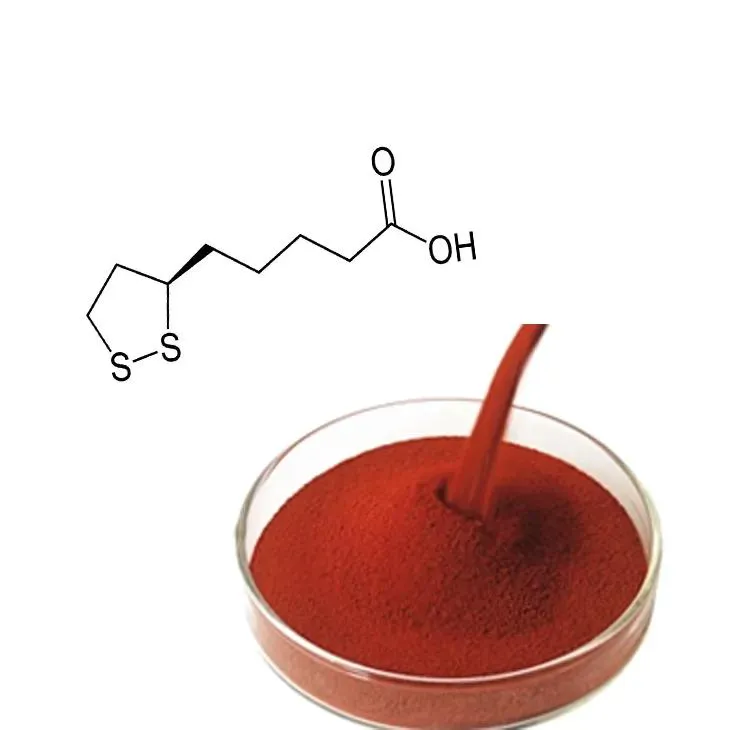
When consumers ask which is the best rated astaxanthin, most reply with a brand name. Brands, however, are only as good as the raw material inside the capsule. The rating that matters most is the quality of the Astaxanthin itself — its source, purity, and the people who manufacture it. We asked formulators, quality-control scientists, and regulatory specialists how they judge Astaxanthin, and their answers keep returning to a small set of measurable standards rather than marketing claims.
Astaxanthin is a keto-carotenoid that gives salmon, shrimp, and flamingos their color, and it is widely regarded as one of the most potent antioxidants found in nature. Unlike many antioxidants that act in just one part of the body, astaxanthin is fat-soluble and can cross cell membranes, helping to protect the eyes, skin, joints, and cardiovascular system. This versatility is why it has become a staple in cosmetic, sports-nutrition, and dietary-supplement formulas.
What experts actually look for
When a finished-product manufacturer shortlists suppliers, they rarely compare logos. They compare certificates of analysis. The same logic applies to anyone evaluating the best astaxanthin on the market. According to experienced buyers and lab specialists, four factors carry the most weight:
1. The source. Natural astaxanthin is produced by the microalgae Haematococcus pluvialis, which accumulates it as a protective pigment under stress. Experts prefer natural, algae-derived astaxanthin over synthetic astaxanthin for human use, because the natural molecule is dominated by the esterified 3S, 3'S configuration that occurs in nature, which many studies associate with superior antioxidant performance and stability.
2. Purity and concentration. A meaningful certificate of analysis states not just that astaxanthin is present, but how pure the extract is and what the batch actually measured. High-purity extracts that are free of heavy metals, residual solvents, pesticides, and microbial contamination are the baseline that responsible manufacturers insist on. GreenSky Biotech's independent laboratory uses GC, HPLC, and UV analysis to verify every batch, and its 100,000-class clean production area meets food-grade requirements without radiation treatment.
3. Extraction and processing. Because astaxanthin is heat-sensitive, gentle extraction methods matter. Supercritical CO2 extraction is favored because it avoids harsh solvents and preserves the active molecule. Experts also look at the equipment — multi-ton extraction tanks, low-temperature concentrators, and vacuum drying — because consistent manufacturing equipment produces consistent product.
4. Certification and documentation. The best-rated astaxanthin always carries the paperwork that proves it. Credible suppliers hold certifications such as ISO22000, BRCGS, SGS-GMP, HALAL, and Kosher, and provide the export documentation needed for regulatory submissions in Europe, the United States, South Korea, and Russia. Certification tells an expert that quality systems are audited, not assumed.
Why the manufacturer matters more than the label
Every retail astaxanthin brand ultimately depends on an upstream manufacturer. A formulator can only deliver a consistent finished product if the raw astaxanthin powder is consistent. This is why experts advise buyers, whether they are supplement producers doing white-label work or procurement teams building supply chains, to evaluate the astaxanthin supplier directly.
Hangzhou GreenSky Biological Tech. Co., Ltd., founded in 2004, is an example of what a vertically integrated producer looks like. With over 20 years of experience running five wholly owned subsidiaries — covering research, development, production, and warehousing — the company controls its botanical ingredients from raw material to finished extract. That vertical integration means independent control over purity, availability, and documentation, which is precisely the reliability that earns a supplier the highest ratings among professional buyers.
Tips for choosing a high-rated astaxanthin ingredient
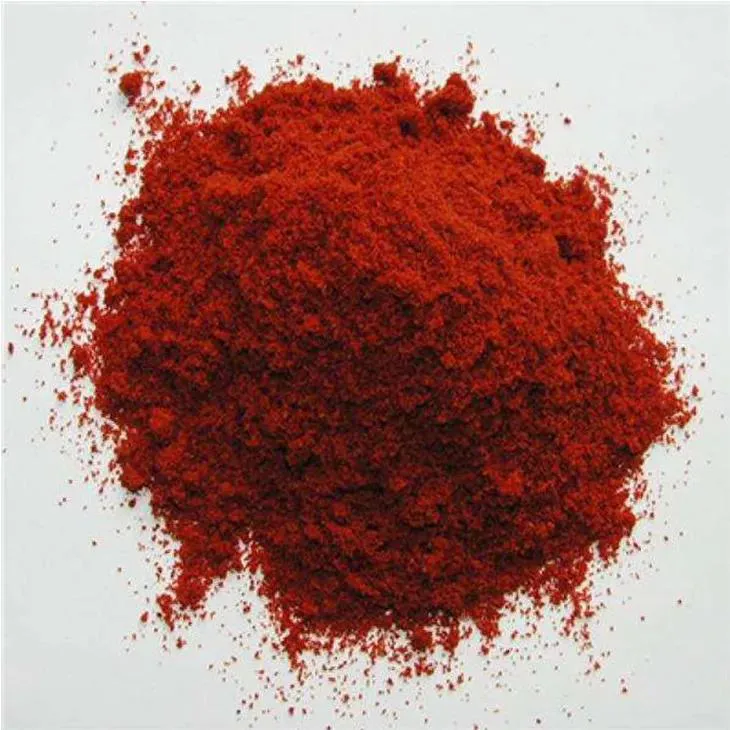
Whether you are a formulator sourcing bulk powder or a brand owner looking to launch a new formula, a few concrete steps help you pick the astaxanthin that experts will rate well:
Ask for the source material. Confirm the astaxanthin comes from Haematococcus pluvialis rather than a synthetic process.
Request the certificate of analysis. Review actual test values for purity, heavy metals, solvents, and microbiology instead of trusting a marketing page.
Check third-party certification. Look for independently audited programs such as ISO, BRCGS, HALAL, and Kosher, and ask how the factory handles allergen and contamination controls.
Verify stability and shelf life. Ask what packaging and storage conditions keep the extract's potency intact from production to your facility, and request stability data rather than a generic claim.
Evaluate batch consistency. How many batches have been produced, and do the certificates stay within specification batch after batch? Consistent manufacturers earn the trust that underpins every "best rated" verdict.
Finding a trustworthy astaxanthin source
Experts agree that the best-rated astaxanthin is not decided by a single study or a single review, but by reproducible quality: natural algae origin, high and validated purity, gentle processing, and audited certification. These are the standards to hold any candidate to, and they are exactly the standards that a reputable astaxanthin manufacturer builds its facility around.
If you are sourcing astaxanthin powder for supplements, cosmetics, or food applications and want to verify a manufacturer against these criteria, GreenSky Biological Tech. can provide product specifications, certificates of analysis, and more. Visit greenSkybio.com to learn more about how a vertically integrated plant-extract producer ensures the quality that earns high ratings from the experts who test it.
TAGS:
- ▶ Hesperidin
- ▶ Citrus Bioflavonoids
- ▶ Plant Extract
- ▶ lycopene
- ▶ Diosmin
- ▶ Grape seed extract
- ▶ Sea buckthorn Juice Powder
- ▶ Fruit Juice Powder
- ▶ Hops Extract
- ▶ Artichoke Extract
- ▶ Mushroom extract
- ▶ Astaxanthin
- ▶ Green Tea Extract
- ▶ Curcumin
- ▶ Horse Chestnut Extract
- ▶ Other Product
- ▶ Boswellia Serrata Extract
- ▶ Resveratrol
- ▶ Marigold Extract
- ▶ Grape Leaf Extract
- ▶ New Product
- ▶ Aminolevulinic acid
- ▶ Cranberry Extract
- ▶ Red Yeast Rice
- ▶ Red Wine Extract
- ▶ blog
-
Green coffee bean Extract
2026-08-19
-
Lily extract
2026-08-19
-
Citrus bioflavonoids
2026-08-19
-
Buckthorn bark extract
2026-08-19
-
Rose Hip Extract
2026-08-19
-
Giant Knotweed Extract
2026-08-19
-
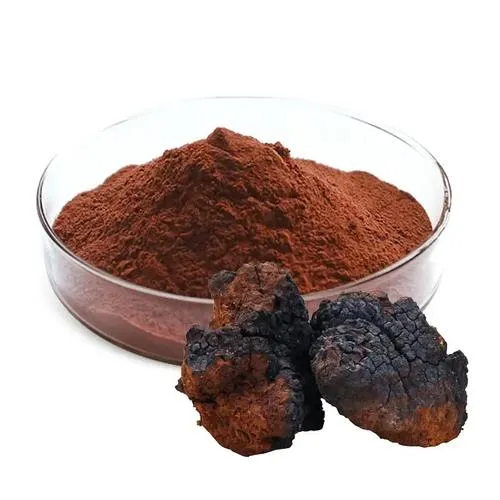
Chaga Mushroom Extract
2026-08-19
-
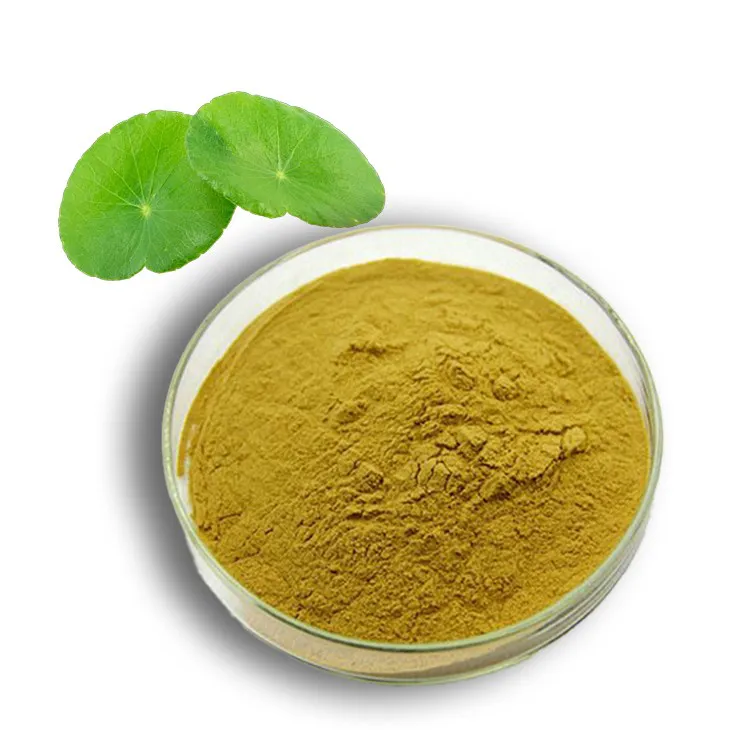
Centella Asiatica Extract
2026-08-19
-
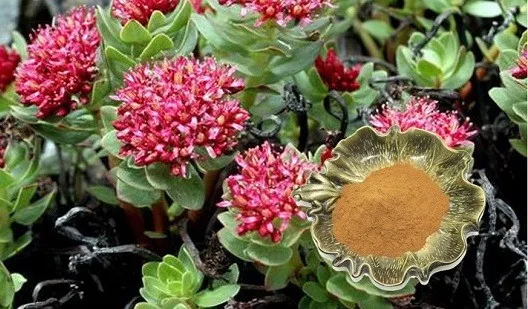
Rhodiola Rosea Extract
2026-08-19
-
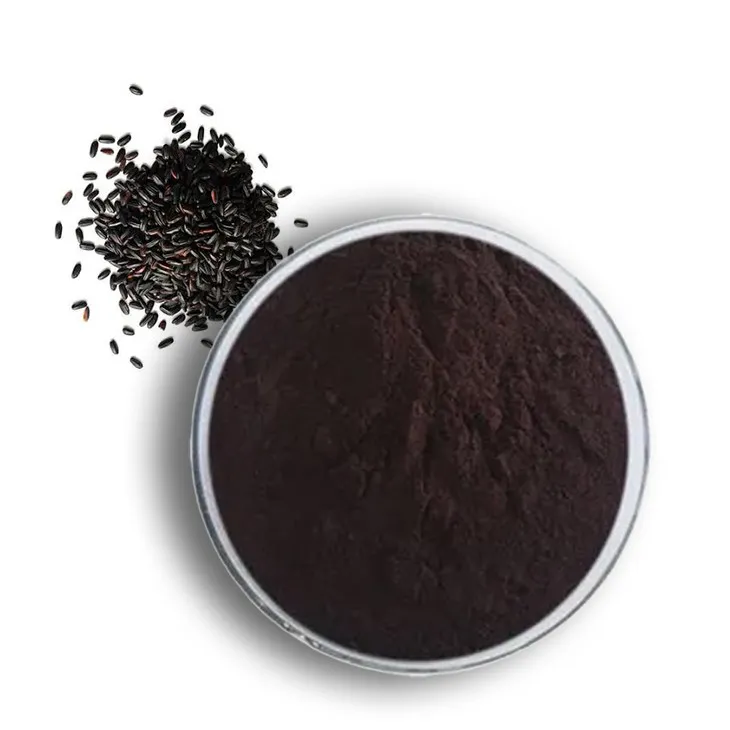
Black Rice Extract
2026-08-19
