- 0086-571-85302990
- [email protected]






What concentration of rosemary leaf extract for hair is recommended?
2026-08-13
If you have been researching natural ways to support hair health, you have almost certainly come across rosemary leaf extract for hair. It is one of the few botanical remedies with a serious reputation, backed by both centuries of traditional use and modern clinical research. The most common question people ask before starting is a practical one: what concentration of rosemary leaf extract for hair is actually recommended? This article gives you a clear, evidence-based answer, along with how to use it safely and how to choose a quality product.
What the research says about rosemary for hair
The scientific case for rosemary is unusually strong. A well-known comparative trial published in the International Journal of Trichology followed about 100 people with androgenetic alopecia (pattern hair loss) over six months. One group used rosemary oil topically while another used the pharmaceutical minoxidil at 2%. By the end of the study, both groups showed meaningful increases in hair count, and the difference between the two was not statistically significant. Encouragingly, the rosemary group reported fewer side effects such as scalp itching.
Animal research has narrowed down the effective range even more precisely. In a study using rats with testosterone-induced hair loss, topical rosemary leaf extract at concentrations of 1%, 3%, and 5% all produced significant increases in hair density, with the 3% and 5% preparations also improving hair follicle diameter. A separate 2025 clinical trial combining rosemary with lavender oil reported an increase in hair growth rate of more than 57%. Taken together, the evidence points to a consistent message: rosemary works, and you do not need exotic amounts to see results.
The recommended concentration for topical use
For most people, the recommended concentration is a 2% to 3% dilution of rosemary essential oil in a carrier oil. This range sits comfortably within the concentrations shown to be effective in studies, and it is gentle enough for regular use on the scalp. A practical way to hit this target is to add about 3 to 5 drops of rosemary essential oil to a tablespoon (roughly 15 ml) of a carrier oil such as jojoba, argan, or coconut oil.
If you are working with a ready-made hair serum or formulation rather than mixing your own, look for a product that lists rosemary around the 2% to 5% mark. Some commercial serums are formulated at 3% rosemary, which aligns well with the clinical evidence. For those formulating a product themselves, extract concentrations in the 1% to 5% range of the final formula are a reasonable starting point, with 3% being a reliable middle ground.
How to apply it for the best results
Concentration matters, but so does technique. Part your hair in sections and apply the diluted mixture directly to the scalp, focusing on areas where thinning is most noticeable. Use your fingertips to massage in small circular motions for four to five minutes, which helps stimulate circulation. Leave it on for at least 30 minutes before washing, or overnight if your scalp tolerates it well. Consistency is key: most people apply the treatment two to three times per week, and it typically takes three to six months of regular use before visible changes appear.
Always do a patch test on a small area of skin before your first full application, and never apply undiluted essential oil directly to the scalp, as it can irritate sensitive skin. If you have a scalp condition, are pregnant, or are taking medication, it is worth checking with a healthcare professional first.
Why the quality of the extract matters
The concentration guide above assumes you are starting with a genuine, properly processed extract. The benefits of rosemary leaf extract depend heavily on how the plant was grown, harvested, and processed. A well-made Rosemary extract is concentrated from high-quality leaves and retains the active antioxidant compounds and essential oils that give the plant its effects. Poorly processed material can be weak, inconsistent, or simply not deliver what the label promises.
This is why sourcing matters, especially for businesses formulating hair-care or supplement products. Working with an experienced supplier who practices full vertical integration, from raw material to finished extract, gives you consistency batch after batch. A reliable manufacturer will also provide certified testing and documentation, so you know exactly what concentration and purity you are putting into your formula.
Choosing the right Rosemary extract for your needs
Whether you are a consumer mixing a home scalp oil or a brand developing a commercial hair product, the same principle applies: choose a rosemary extract from a manufacturer you can trust. A supplier with a clean production area, an independent laboratory, and food-grade certifications can give you confidence in every shipment. For large-scale buyers, this consistency is essential for keeping formulations stable and compliant with regulatory requirements.
In short, the answer to the question is reassuringly simple. For topical use, aim for a 2% to 3% dilution of rosemary essential oil in a carrier oil, applied two to three times a week. For formulated products, look for a rosemary concentration in the 1% to 5% range, with 3% as a sensible default. Pair the right concentration with consistent application and a trustworthy source, and rosemary leaf extract remains one of the most dependable natural choices for supporting a healthy head of hair.
TAGS:
- ▶ Hesperidin
- ▶ Citrus Bioflavonoids
- ▶ Plant Extract
- ▶ lycopene
- ▶ Diosmin
- ▶ Grape seed extract
- ▶ Sea buckthorn Juice Powder
- ▶ Fruit Juice Powder
- ▶ Hops Extract
- ▶ Artichoke Extract
- ▶ Mushroom extract
- ▶ Astaxanthin
- ▶ Green Tea Extract
- ▶ Curcumin
- ▶ Horse Chestnut Extract
- ▶ Other Product
- ▶ Boswellia Serrata Extract
- ▶ Resveratrol
- ▶ Marigold Extract
- ▶ Grape Leaf Extract
- ▶ New Product
- ▶ Aminolevulinic acid
- ▶ Cranberry Extract
- ▶ Red Yeast Rice
- ▶ Red Wine Extract
- ▶ blog
-
Lavender Extract
2026-08-13
-
Selenium yeast
2026-08-13
-
Pomegranate Extract
2026-08-13
-
Buckthorn bark extract
2026-08-13
-
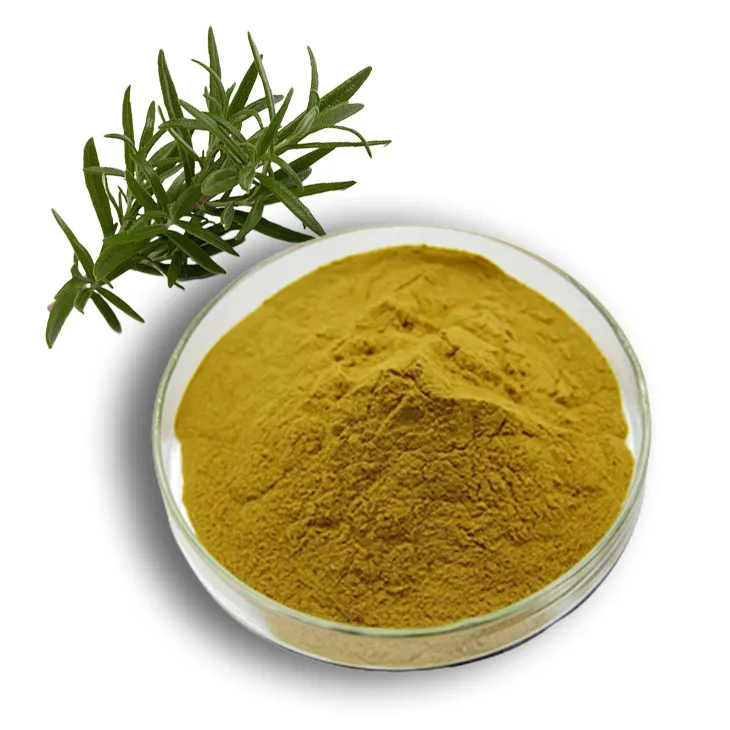
Rosemary extract
2026-08-13
-
Tongkat Ali Extract
2026-08-13
-
Kupilu Extract
2026-08-13
-
Bayberry Extract
2026-08-13
-
Acerola Extract
2026-08-13
-
Lemon Balm Extract
2026-08-13
