- 0086-571-85302990
- [email protected]






What certifications should stevia extract manufacturers hold for export?
2026-08-14
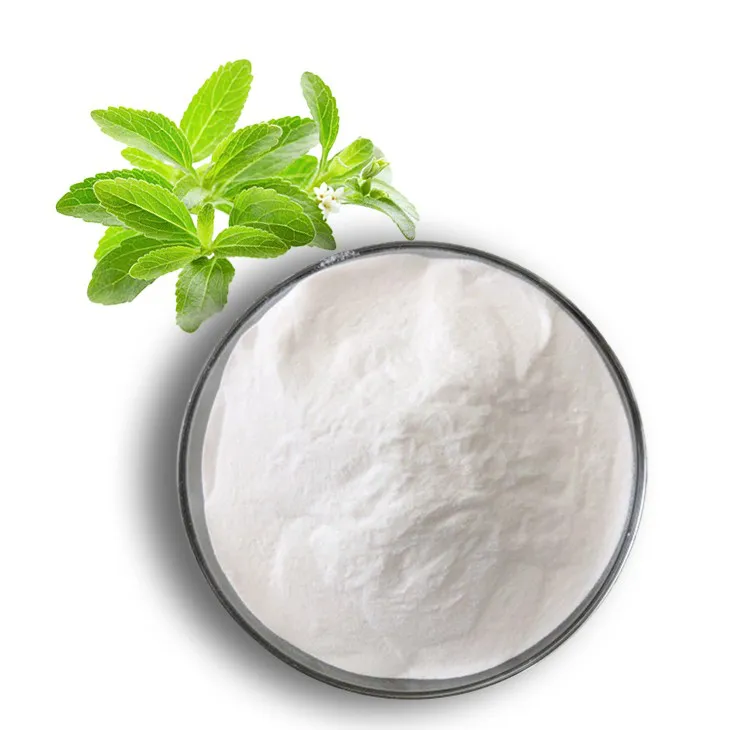
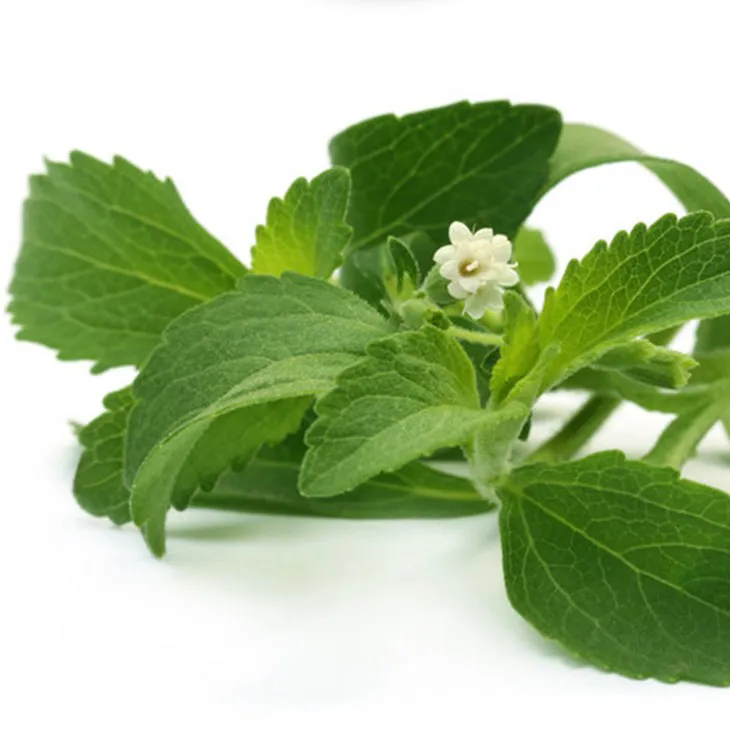
Exporting Stevia Extract is one of the fastest-growing opportunities in the natural sweetener industry, but it is also one of the most document-heavy trades in food ingredients. Before a single container leaves the factory, buyers in Europe, the United States, South Korea, and other regulated markets will ask to see proof of food safety, quality management, and compliance with local food law. For stevia extract manufacturers, holding the right certifications is not a marketing extra; it is the entry ticket to international sales.
This article explains the certifications that matter most for exporting Stevia Extract, what each one proves, and how buyers can verify that a supplier genuinely holds them.
Why certifications matter in Stevia Extract export
Stevia extract is a food additive, and food additives are among the most strictly controlled products in global trade. Importing countries require proof that the product is safe, pure, and produced under hygienic conditions. Certifications provide that proof in a standardised, auditable form. They also protect the buyer: a certified factory has been inspected by an independent body, which dramatically reduces the risk of contamination, adulteration, or inconsistent quality.
For a manufacturer, certifications open doors. Many large food and beverage companies will only add a supplier to their approved vendor list if the factory holds internationally recognised certificates. In practice, the certifications a stevia extract manufacturer needs fall into five groups: food safety management, quality management, organic status, religious compliance, and market-specific regulatory approval.
1. Food safety management systems
Food safety certification is the foundation of any export program. The most widely recognised systems are ISO 22000, FSSC 22000, HACCP, and BRCGS. ISO 22000 sets out the requirements for a food safety management system covering the whole production chain, from raw material intake to finished product. FSSC 22000 is built on ISO 22000 and is recognised by the Global Food Safety Initiative (GFSI), which many European and American buyers specifically require. HACCP (Hazard Analysis and Critical Control Points) is the systematic approach to identifying and controlling food safety hazards, and it is mandatory for food processors in many jurisdictions, including the European union under Regulation (EC) 852/2004.
BRCGS is another GFSI-recognised standard that is particularly common among retailers and food service companies in Europe and the United Kingdom. A manufacturer that holds ISO 22000, FSSC 22000, or BRCGS demonstrates that its facility meets internationally benchmarked food safety standards, which is usually the first question a serious buyer asks.
2. Quality management systems
Food safety certification answers the question "is it safe?"; quality management answers "is it consistent?" ISO 9001 is the global benchmark for quality management systems and is expected by most serious buyers. It ensures that the manufacturer has documented procedures for production, testing, traceability, and continuous improvement.
Good Manufacturing Practice (GMP) certification, such as SGS-GMP, adds another layer of assurance by verifying that the facility follows good hygiene and manufacturing practices. For stevia extract specifically, batch-to-batch consistency is critical: the sweetness of the finished product depends on the ratio of steviol glycosides, so a factory must be able to reproduce the same specification every time. A reliable Stevia Extract Supplier backs this consistency with an in-house laboratory equipped with HPLC, GC, and UV testing, and provides a Certificate of Analysis (COA) for every batch.
3. Organic certifications
Organic stevia extract commands a premium in markets where consumers actively look for organic ingredients. To label a product as organic, the manufacturer must hold an organic certification recognised in the destination market. In the European union, this means certification under the EU organic regulation; in the United States, it means USDA Organic (NOP) certification. Ecocert is one of the best-known certification bodies that audits against these organic standards.
Organic certification is not just about the final powder; it covers the entire chain, including the farming of stevia leaves, the extraction process, and the handling of the finished product. If a buyer needs organic stevia, the manufacturer must be able to show a valid organic certificate that covers the specific product and market.
4. Religious compliance certifications
Halal and Kosher certifications are essential for reaching markets in the Middle East, Southeast Asia, and communities in Europe and North America. Halal certification confirms that the product and its production process comply with Islamic dietary requirements, while Kosher certification confirms compliance with Jewish dietary law. Both are issued by recognised certification bodies and must be renewed regularly.
These certifications matter because they affect the entire supply chain, including the solvents and processing aids used during extraction. A manufacturer that holds both Halal and Kosher certificates can serve a much wider range of customers without the buyer needing to arrange separate audits.
5. Market-specific regulatory approvals
Beyond voluntary certifications, stevia extract must comply with the regulatory framework of each destination country. In the European union, steviol glycosides are authorised as food additive E 960a, and the product must meet the purity criteria set out in Regulation (EU) No 231/2012, including limits on heavy metals, residual solvents, and loss on drying. In the United States, stevia extract is generally recognised as safe (GRAS) for use as a sweetener, and manufacturers often hold FDA facility registration.
Exporters also need the documentation that proves regulatory compliance: an Export Food Production Enterprise Registration Certificate from the exporting country, plus batch-specific documents such as the COA, Technical Data Sheet (TDS), and Safety Data Sheet (SDS). These documents are what customs authorities and buyers actually check when the goods arrive.
How to verify a manufacturer's certifications
A certificate is only as trustworthy as the body that issued it. Buyers should ask for the full certificate, check the issuing body, the scope of certification, and the validity date, and confirm that the certificate covers the specific product and facility. Many certification bodies publish verification databases where certificates can be checked online. It is also reasonable to ask for a recent third-party audit report or a sample COA for the exact product specification being purchased.
A professional manufacturer will share this information openly. For example, a high purity stevia extract supplier that exports to Europe, the United States, South Korea, and Russia typically holds ISO 22000, ISO 9001, HACCP, Halal, Kosher, and an organic standard such as Ecocert, along with its export food production registration. These credentials, combined with an independent laboratory and full documentation, give buyers the confidence to build a long-term supply relationship.
Conclusion
The certifications a stevia extract manufacturer should hold for export depend on the target market, but the core set is clear: food safety management (ISO 22000, FSSC 22000, or BRCGS), quality management (ISO 9001 and GMP), organic certification where relevant, Halal and Kosher for religious compliance, and the regulatory approvals and documentation required by each destination country.
For buyers, these certifications are the most reliable signal of a trustworthy supplier. For manufacturers, they are the investment that turns a good product into an export-ready one. When evaluating a potential partner, always verify the certificates, check the scope and validity, and request batch documentation. A supplier that holds the full set of certifications and provides transparent documentation is a supplier worth working with.
TAGS:
- ▶ Hesperidin
- ▶ Citrus Bioflavonoids
- ▶ Plant Extract
- ▶ lycopene
- ▶ Diosmin
- ▶ Grape seed extract
- ▶ Sea buckthorn Juice Powder
- ▶ Fruit Juice Powder
- ▶ Hops Extract
- ▶ Artichoke Extract
- ▶ Mushroom extract
- ▶ Astaxanthin
- ▶ Green Tea Extract
- ▶ Curcumin
- ▶ Horse Chestnut Extract
- ▶ Other Product
- ▶ Boswellia Serrata Extract
- ▶ Resveratrol
- ▶ Marigold Extract
- ▶ Grape Leaf Extract
- ▶ New Product
- ▶ Aminolevulinic acid
- ▶ Cranberry Extract
- ▶ Red Yeast Rice
- ▶ Red Wine Extract
- ▶ blog
-
Senna Leaf Extract
2026-08-14
-
Fenugreek Extract Powder
2026-08-14
-
Coconut Water Powder
2026-08-14
-
Hericium erinaceus extract powder
2026-08-14
-
Golden Seal Extract
2026-08-14
-
Acai Berry Extract
2026-08-14
-
Soy Extract
2026-08-14
-
Saw Palmetto Extract
2026-08-14
-
Kupilu Extract
2026-08-14
-
Bayberry Extract
2026-08-14
