- 0086-571-85302990
- [email protected]






What are the safety considerations for plant extracts for skin care?
2026-08-18
Plant extracts have become a staple of modern skin care, and for good reason. Ingredients such as green tea, calendula, centella asiatica, and Lycopene bring real antioxidant and soothing activity to serums, creams, and masks. But "natural" is not a safety guarantee. A plant extract is a complex mixture of hundreds of compounds, and its safety depends on where the plant was grown, how it was extracted, how it was tested, and how it is documented. For formulators and brands sourcing plant extracts for skin care, understanding these considerations is the difference between a reliable ingredient and a compliance headache.
Start with the raw material
The safety of an extract begins in the field. Plants absorb what is in their soil and environment, so pesticide residues, heavy metals such as lead, arsenic, and cadmium, and mycotoxins can all find their way into botanical material. A responsible supplier tests raw botanicals before processing and can share residue data on request. Ask about the origin of the raw material and whether it is organically certified or conventionally grown, because that choice directly affects the contaminant profile you will need to manage.
Extraction method and solvent residues
How an extract is made matters as much as what it is made from. Solvent-based extraction is common, and if solvents are not fully removed, residues remain in the final powder. Low-temperature concentration and careful drying help preserve heat-sensitive actives while keeping solvent levels within accepted limits. A manufacturer with proper equipment, such as multi-functional extraction tanks, efficient low-temperature concentrators, and spray drying towers, can control these variables consistently. Ask for the extraction method and residual solvent data before you commit to a batch.
Microbial safety and preservation
Botanical material is a natural environment for microbes. Without proper control, extracts can carry bacteria, yeast, and mold, which is a serious issue in skin care where products sit on the shelf and touch the skin. Look for suppliers that produce in clean, food-grade facilities and test every batch against microbial limits. Once the extract reaches your formula, the preservative system you choose still has to do its job, but starting with a clean ingredient makes that job far easier.
Allergens and skin sensitization
Some of the most popular skin care botanicals belong to plant families with known contact allergens. The Compositae family, which includes chamomile, calendula, and arnica, contains sesquiterpene lactones that are documented sensitizers. Essential oils and fragrant plant components are another common trigger. This does not mean these ingredients should be avoided; it means they should be used at controlled concentrations, clearly labeled, and ideally patch-tested, especially for sensitive-skin products.
Photosensitivity
A smaller but important consideration is phototoxicity. Certain botanicals, particularly citrus-derived extracts, contain furocoumarins that can make skin more sensitive to UV light. If your formula includes such ingredients, the concentration must be controlled and the product should carry appropriate usage guidance. Reputable suppliers can confirm whether their extracts have been processed to reduce these compounds.
Standardization and batch consistency
Safety is also about predictability. Two batches of the same extract can differ in active content depending on harvest season, growing conditions, and processing. A standardized extract, one with a declared level of a key active such as green tea extract for skin care standardized to a defined polyphenol content, behaves consistently from batch to batch. That consistency protects both your formula and your customers. Always ask for the specification and the certificate of analysis for each batch.
Regulatory compliance and certifications
Regulators in the EU, the US, and other markets are paying closer attention to botanical ingredients. Working with a manufacturer that holds recognized certifications, such as ISO 22000, GMP, organic standards, HALAL, and Kosher, gives you a documented baseline of quality control. Export registration and complete technical documentation also speed up your own regulatory submissions. Certifications are not just badges; they represent audited systems that reduce risk across the supply chain.
What to ask your supplier
If you are evaluating a plant extract supplier for skin care, a short checklist will save you time:
- Certificate of analysis for each batch, including active content, heavy metals, and microbial counts
- Residual solvent data and extraction method details
- Raw material origin and any organic certification
- Allergen and sensitization information for the specific extract
- Facility certifications and audit reports
- Stability data and recommended storage conditions
Final thoughts
Plant extracts for skin care can be both effective and safe, but safety is built, not assumed. It starts with clean raw materials, continues through controlled extraction and rigorous testing, and ends with honest documentation. A manufacturer with more than twenty years of experience, in-house laboratories, and internationally recognized certifications, such as Hangzhou Greensky Biological Tech, can provide the transparency that makes safe formulation possible. When you source lycopene for skin or any other botanical ingredient, choose a partner who treats safety as a process, not a promise.
- ▶ Hesperidin
- ▶ Citrus Bioflavonoids
- ▶ Plant Extract
- ▶ lycopene
- ▶ Diosmin
- ▶ Grape seed extract
- ▶ Sea buckthorn Juice Powder
- ▶ Fruit Juice Powder
- ▶ Hops Extract
- ▶ Artichoke Extract
- ▶ Mushroom extract
- ▶ Astaxanthin
- ▶ Green Tea Extract
- ▶ Curcumin
- ▶ Horse Chestnut Extract
- ▶ Other Product
- ▶ Boswellia Serrata Extract
- ▶ Resveratrol
- ▶ Marigold Extract
- ▶ Grape Leaf Extract
- ▶ New Product
- ▶ Aminolevulinic acid
- ▶ Cranberry Extract
- ▶ Red Yeast Rice
- ▶ Red Wine Extract
- ▶ blog
-
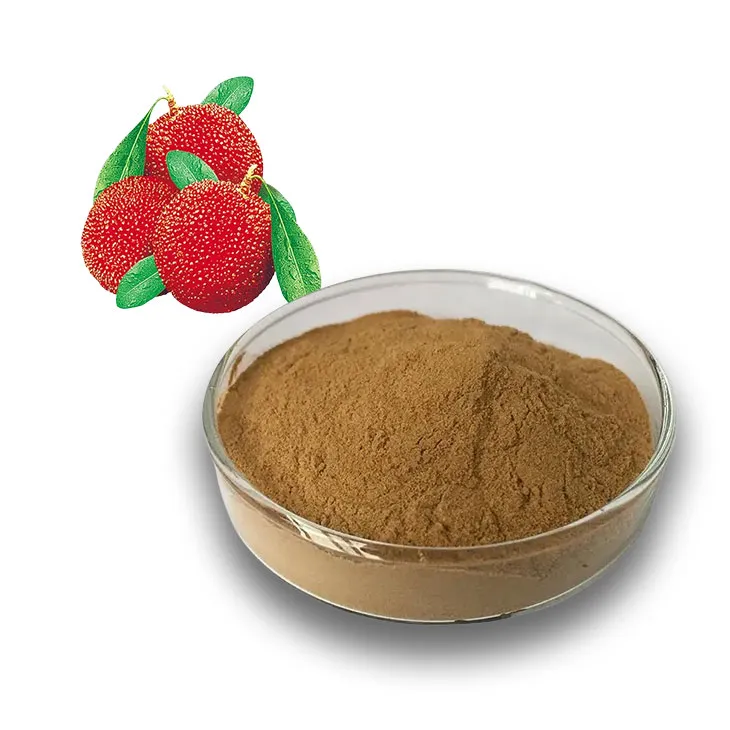
Bayberry Extract
2026-08-18
-
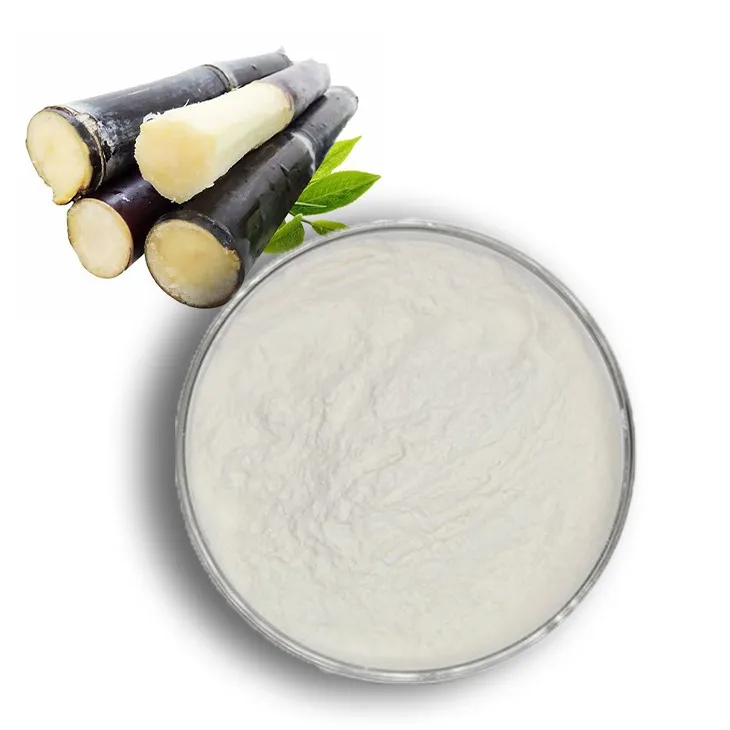
Sugarcane Extract
2026-08-18
-
Dan Shen Root Extract/Salvia Root Extract
2026-08-18
-
Avocado Extract Powder
2026-08-18
-
Hesperidin
2026-08-18
-
Acerola Juice Powder
2026-08-18
-
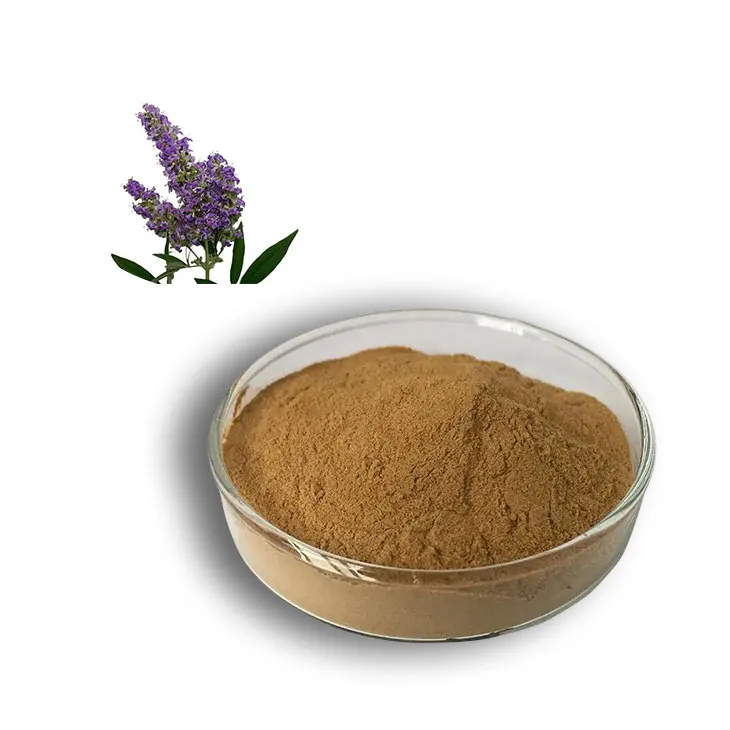
Chasteberry Extract
2026-08-18
-
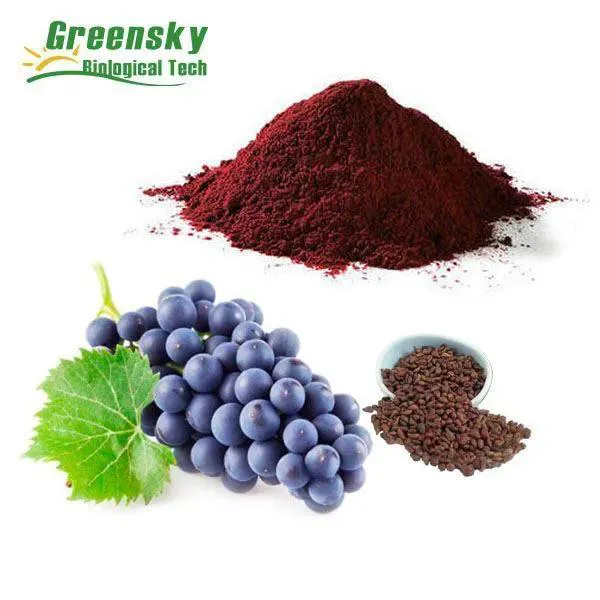
Grape Seed Extract
2026-08-18
-
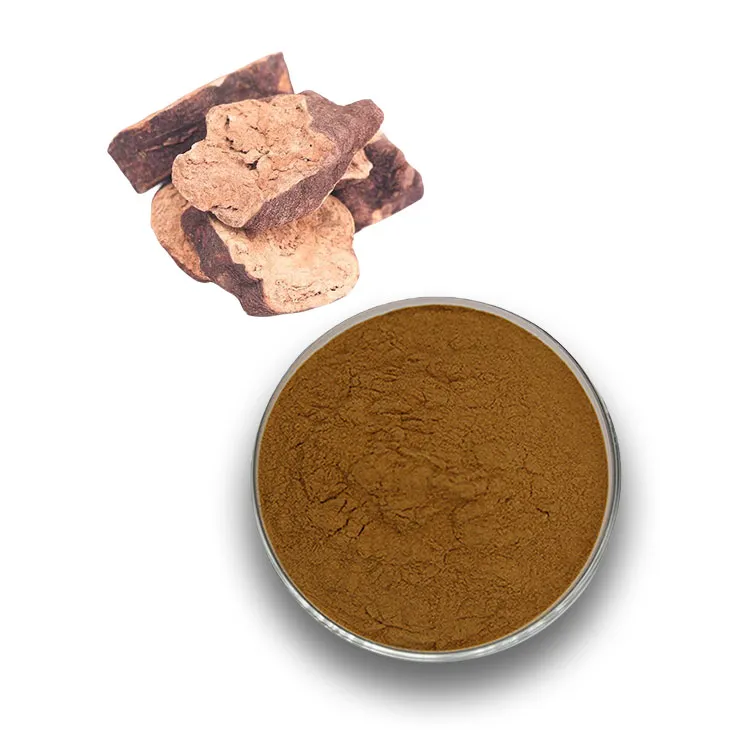
Polygonum multiflorum extract
2026-08-18
-
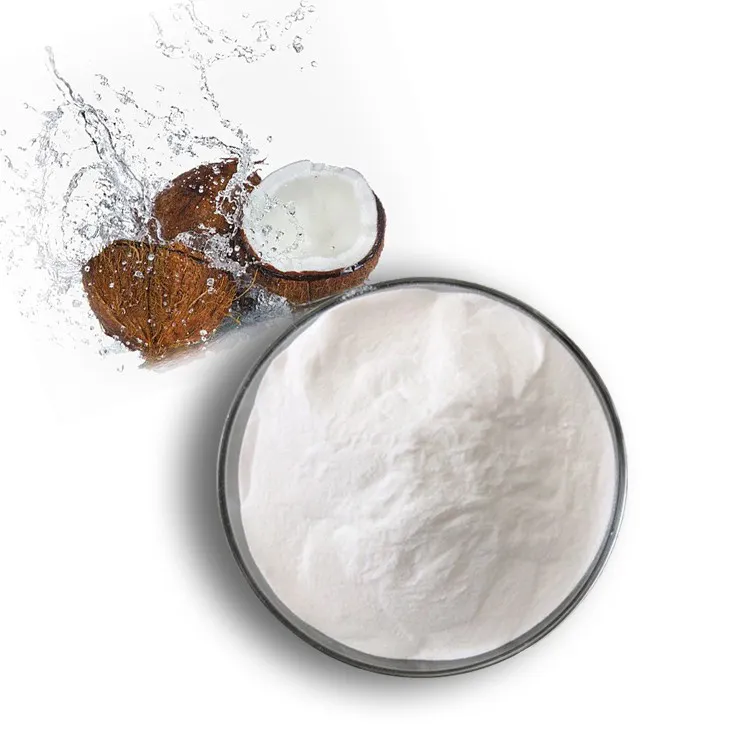
Coconut Water Powder
2026-08-18
