- 0086-571-85302990
- [email protected]






What are the marigold extract benefits as an antioxidant?
2026-08-18
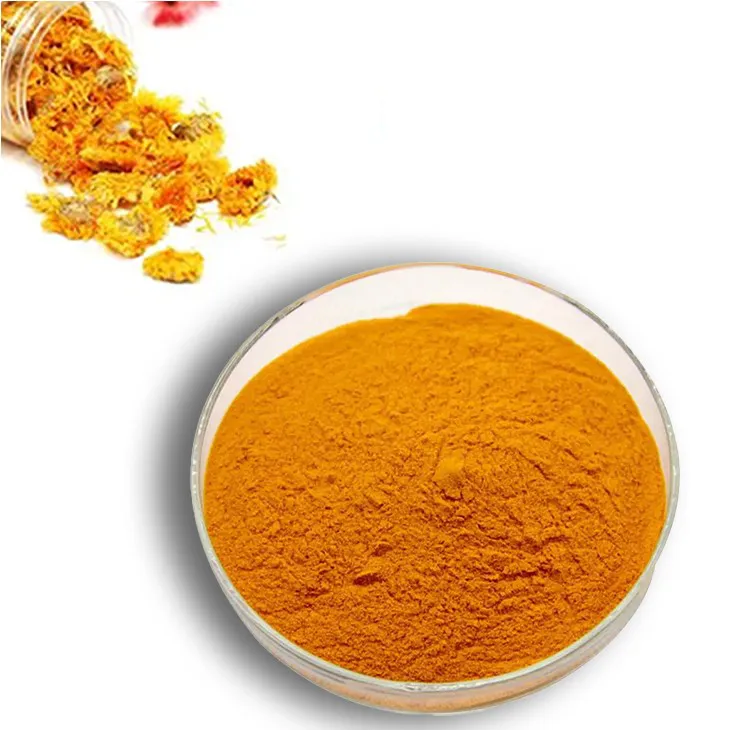
Marigold Extract is one of the most studied natural antioxidants in the botanical ingredients market. Derived from the bright orange petals of Tagetes erecta, the common marigold, this extract is prized for its high concentration of carotenoids, especially lutein and zeaxanthin, along with flavonoids and polyphenols that help the body defend against oxidative stress. For manufacturers of dietary supplements, functional foods, and skin care products, Marigold Extract has become a go-to raw material. This article looks at what the science says about Marigold Extract benefits as an antioxidant and why it matters for formulators and buyers.
What Is Marigold Extract?
Marigold extract is a concentrated botanical preparation made from the flower petals of Tagetes erecta. The petals are harvested, dried, and processed to isolate the active compounds. The two most valuable components are lutein and zeaxanthin, yellow-orange carotenoids that naturally accumulate in the human retina. The extract also contains flavonoids and polyphenols, which work alongside the carotenoids to neutralize free radicals. Because these compounds are fat-soluble and relatively stable, marigold extract is widely used in softgel capsules, tablets, powders, and cosmetic formulations.

How Marigold Extract Works as an Antioxidant
Oxidative stress happens when free radicals, unstable molecules produced by metabolism, UV light, pollution, and poor diet, outnumber the body's natural defenses. Left unchecked, they can damage cell membranes, proteins, and DNA, contributing to premature aging and chronic disease. Antioxidants step in by donating electrons to stabilize these free radicals before they cause harm.
Marigold extract works on several fronts. Its carotenoids are especially effective at quenching singlet oxygen, a highly reactive form of oxygen generated by sunlight exposure. At the same time, its flavonoids and polyphenols help regenerate other antioxidants and support the body's own enzyme defenses, such as superoxide dismutase. In laboratory studies, marigold extracts have shown strong free-radical-scavenging activity and the ability to inhibit lipid peroxidation, the process by which fats in cell membranes are damaged.

Eye Health: The Best-Documented Benefit
The most widely recognized benefit of marigold extract is its support for eye health. Lutein and zeaxanthin are the only carotenoids found in high concentrations in the macula, the central part of the retina responsible for sharp, detailed vision. There, they act as a natural pair of sunglasses, filtering high-energy blue light and neutralizing the oxidative damage that light exposure causes.
Because the human body cannot make lutein or zeaxanthin on its own, they must come from the diet or from supplements. Regular intake of these carotenoids has been associated with a lower risk of age-related eye conditions and with better visual performance, including improved contrast sensitivity. For people who spend long hours in front of screens, marigold-derived lutein is also a popular ingredient in eye-care supplements designed to reduce visual fatigue.

Skin Health and Anti-Aging Benefits
Beyond the eyes, marigold extract is increasingly used in skin care. The skin is constantly exposed to UV radiation, which generates free radicals and accelerates the visible signs of aging, including wrinkles, loss of firmness, and uneven tone. Research on marigold extract has found that it can help protect skin cells from oxidative damage, support collagen production, and reduce the activity of enzymes that break down collagen. These effects make marigold extract a valued ingredient in anti-aging creams, serums, and sun-care products.

Other Potential Benefits
Emerging research points to additional roles for marigold extract. Its anti-inflammatory properties may support general wellness, and its antioxidant activity is being studied in connection with cardiovascular health and immune function. While more research is needed in some of these areas, the overall picture is consistent: marigold extract is a versatile antioxidant ingredient with a strong safety record and broad applications.
Choosing a Reliable Marigold Extract Supplier
For brands and manufacturers, the quality of the raw material determines the quality of the finished product. Key factors to consider when sourcing marigold extract include the lutein and zeaxanthin content, the extraction and standardization process, the absence of residual solvents, and certifications such as ISO, HACCP, HALAL, and Kosher. Working with an experienced plant extract manufacturer helps ensure consistent quality, traceable sourcing, and the documentation needed for regulatory submissions.
Conclusion
Marigold extract benefits as an antioxidant are well supported by both traditional use and modern research. From protecting the eyes against blue light and oxidative stress to supporting skin health and general wellness, its lutein, zeaxanthin, and flavonoid content make it one of the most versatile botanical ingredients available. For formulators looking for a reliable, high-quality supply of marigold extract, partnering with a trusted plant extract supplier is the first step toward a successful product.
- ▶ Hesperidin
- ▶ Citrus Bioflavonoids
- ▶ Plant Extract
- ▶ lycopene
- ▶ Diosmin
- ▶ Grape seed extract
- ▶ Sea buckthorn Juice Powder
- ▶ Fruit Juice Powder
- ▶ Hops Extract
- ▶ Artichoke Extract
- ▶ Mushroom extract
- ▶ Astaxanthin
- ▶ Green Tea Extract
- ▶ Curcumin
- ▶ Horse Chestnut Extract
- ▶ Other Product
- ▶ Boswellia Serrata Extract
- ▶ Resveratrol
- ▶ Marigold Extract
- ▶ Grape Leaf Extract
- ▶ New Product
- ▶ Aminolevulinic acid
- ▶ Cranberry Extract
- ▶ Red Yeast Rice
- ▶ Red Wine Extract
- ▶ blog
-
Moringa powder
2026-08-18
-
Sugarcane Extract
2026-08-18
-
Carrageenan Extract Powder
2026-08-18
-
Apricot Powder
2026-08-18
-
Uridine-5'-monophosphate Disodium salt
2026-08-18
-
Wheat Germ Extract
2026-08-18
-
Baicalin
2026-08-18
-
Curcumin
2026-08-18
-
Artichoke Extract
2026-08-18
-
Milk Thistle Extract
2026-08-18
