- 0086-571-85302990
- [email protected]






What are the health benefits of natural plant extracts?
2026-08-13
What counts as a plant extract?
A plant extract is a concentrated preparation made from leaves, roots, stems, flowers, fruits, or seeds. The active compounds are separated using methods such as solvent extraction, steam distillation, or maceration, then typically dried into a powder or kept as a liquid. The result is a standardized material that delivers a far higher concentration of specific bioactive substances than the raw botanical itself. This is why extracts are preferred when a consistent, measurable dose matters more than whole-plant bulk.
The main health benefits of plant extracts
Extracts do not work in one single way. Their benefits depend on the plant and the compounds it contains. Still, a few themes keep coming up across the most studied botanicals.
Antioxidant support
Many extracts are rich in polyphenols and flavonoids, natural compounds that help neutralize free radicals and shield cells from oxidative stress. Green Tea Extract, for example, delivers catechins that are widely studied for their antioxidant activity, while green tea extract remains one of the most requested antioxidant ingredients in the supplement industry.
Anti-inflammatory activity
Curcumin, the active compound in turmeric, is one of the best-known examples. Alongside compounds found in rosemary and ginger, it is studied for helping support a healthy inflammatory response. Curcumin is especially popular in joint and wellness formulas because of its long history of use and the growing body of research around its bioavailability.
Cardiovascular support
Ingredients such as Grape Seed Extract, resveratrol, and red yeast rice are commonly linked to healthy circulation and cholesterol management. Grape Seed Extract owes its popularity to oligomeric proanthocyanidins, while red yeast rice provides naturally occurring monacolin compounds. Together they illustrate how a single botanical source can support heart health from different angles.
Immune and digestive balance
Echinacea, elderberry, and shiitake mushroom extracts are often used to support immune response, while artichoke and Ginger Extracts are valued for digestion and liver support. These extracts show how botanicals can address both everyday wellness and more targeted functional needs in the same product line.
Skin and beauty benefits
Calendula, aloe, and avocado extracts appear frequently in skincare for their soothing and moisturizing roles. Extracts such as rosemary and green tea are also added to beauty formulations for their antioxidant profile, bridging the gap between internal wellness and topical care.
Forms and applications
Plant extracts are available as powders, capsules, tablets, tinctures, and topical preparations. Beyond supplements, they are widely used as natural flavorings, colorants, and preservatives in food and beverage products. This versatility makes them a useful building block for brands that want to move away from synthetic additives while keeping performance and consistency.
Why sourcing quality matters
Not all extracts are equal. Quality shifts with plant species, growing conditions, extraction method, standardization, and testing. That is why buyers should look beyond price and verify traceability, batch consistency, and third-party lab analysis using instruments such as HPLC, GC, and UV. A dependable plant extract supplier will provide clear documentation, food-grade production, and consistent specifications across batches.
Choosing the right extract supplier
For formulators and procurement teams, the practical question is not simply which extract to use, but whom to source it from. A reliable plant extract manufacturer should combine consistent output with transparent quality control. Look for suppliers that operate clean, food-grade production areas, maintain independent laboratories, and can provide export documentation for global regulatory submissions. Certifications such as ISO22000, BRCGS, HALAL, and Kosher add another layer of assurance that the powder you receive matches the specification you agreed on.
In short, the benefits of natural plant extracts come down to concentration, consistency, and responsible sourcing. When the right botanical is paired with a trustworthy supplier, these ingredients become a reliable foundation for products that support everyday health, inside and out.
TAGS:
- ▶ Hesperidin
- ▶ Citrus Bioflavonoids
- ▶ Plant Extract
- ▶ lycopene
- ▶ Diosmin
- ▶ Grape seed extract
- ▶ Sea buckthorn Juice Powder
- ▶ Fruit Juice Powder
- ▶ Hops Extract
- ▶ Artichoke Extract
- ▶ Mushroom extract
- ▶ Astaxanthin
- ▶ Green Tea Extract
- ▶ Curcumin
- ▶ Horse Chestnut Extract
- ▶ Other Product
- ▶ Boswellia Serrata Extract
- ▶ Resveratrol
- ▶ Marigold Extract
- ▶ Grape Leaf Extract
- ▶ New Product
- ▶ Aminolevulinic acid
- ▶ Cranberry Extract
- ▶ Red Yeast Rice
- ▶ Red Wine Extract
- ▶ blog
-
Lotus leaf extract
2026-08-13
-
Diosmin
2026-08-13
-
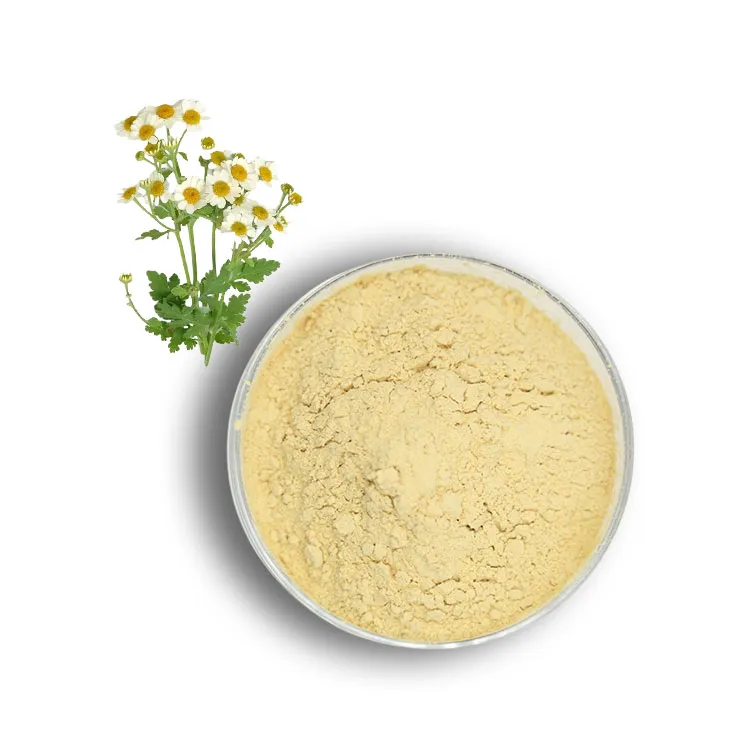
Feverfew Extract
2026-08-13
-
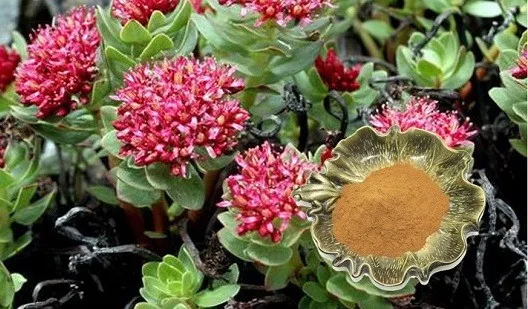
Rhodiola Rosea Extract
2026-08-13
-
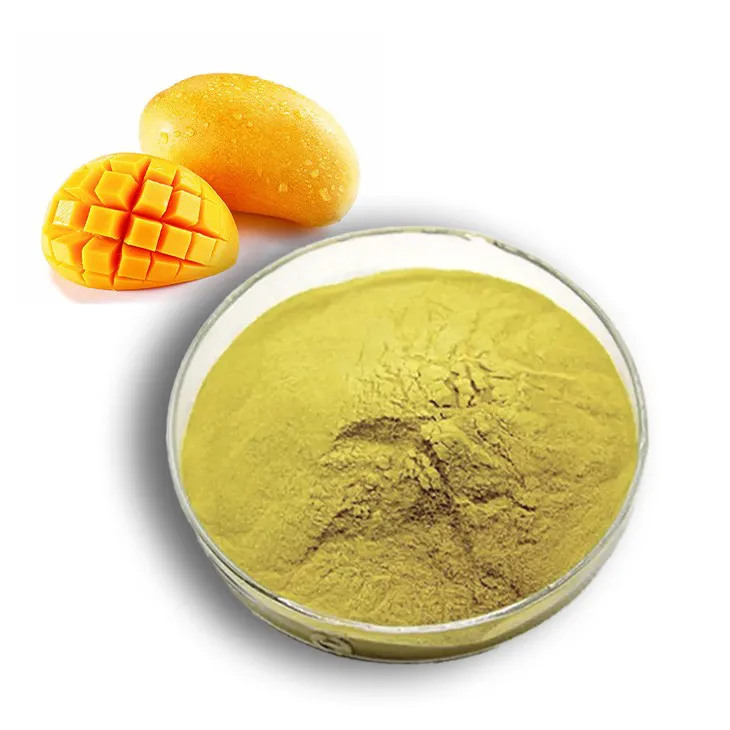
Mango flavored powder
2026-08-13
-
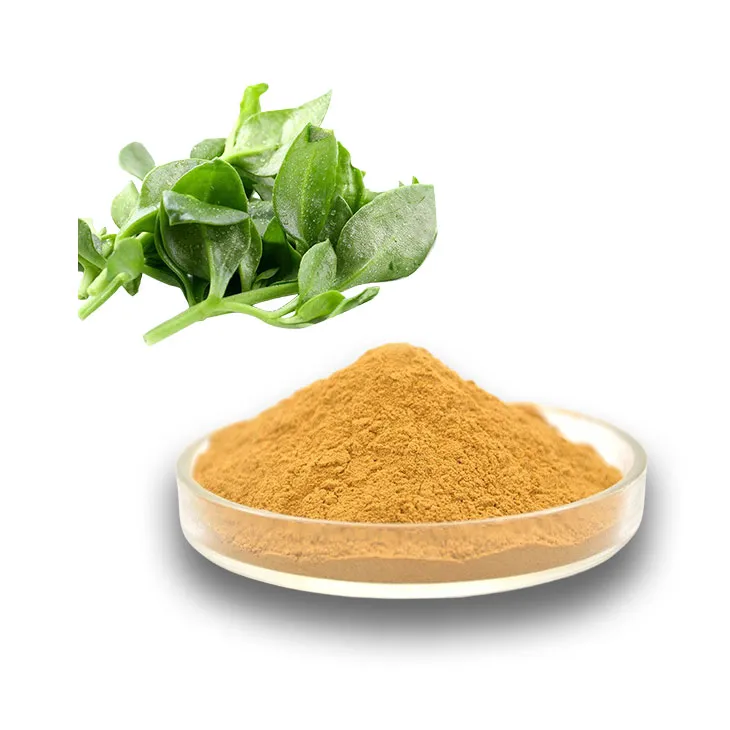
Andrographis Paniculata Extract Powder
2026-08-13
-
Lavender Extract
2026-08-13
-
Soy Extract
2026-08-13
-
Berberis aristata Extract
2026-08-13
-
Ginseng Root Extract
2026-08-13
