- 0086-571-85302990
- [email protected]






What are the common side effects of plant extracts for hair growth?
2026-08-18
Plant extracts have become one of the most popular ingredients in hair care, appearing in shampoos, serums, oils, and dietary supplements that promise thicker, stronger, and faster-growing hair. From rosemary and saw palmetto to pumpkin seed oil and onion juice, natural botanicals are widely seen as a gentler alternative to conventional treatments such as minoxidil and finasteride, which can cause scalp irritation or unwanted hormonal effects. But "natural" does not automatically mean "risk-free." Like any active ingredient, plant extracts can produce side effects, especially when used incorrectly, in high concentrations, or by people with sensitive skin or underlying health conditions. Understanding what these side effects are, how common they are, and how to avoid them is the first step toward using botanical hair care safely and effectively.
Why People Are Turning to Plant Extracts for Hair Growth
Hair loss affects a large share of the adult population. Androgenetic alopecia, the most common form of hair thinning, affects roughly 30% to 50% of men by age 50 and a significant number of women during and after their reproductive years. Many people who experience hair loss are reluctant to use pharmaceutical treatments because of their well-documented side effects, such as the scalp itching and flaking associated with minoxidil or the hormonal concerns linked to finasteride. This has driven growing interest in botanical remedies that are perceived as safer and more natural. Clinical research has shown that ingredients such as rosemary oil, saw palmetto, pumpkin seed oil, and caffeine can support hair growth with generally mild side effects, which is why they now appear in countless over-the-counter hair products. However, the same studies that demonstrate their benefits also document the side effects that can occur, and it is worth knowing exactly what those are before you choose a product.
Common Side Effects of Popular Hair-Growth Plant Extracts
The side effects of plant extracts used for hair growth are usually mild and temporary, but they vary from ingredient to ingredient. Below is a closer look at the most commonly used botanicals and the side effects reported in clinical studies.
Rosemary extract
Rosemary leaf extract is one of the most studied botanicals for hair growth. In a six-month clinical trial, a topical rosemary oil preparation performed comparably to 2% minoxidil in increasing hair count, making it a popular natural choice. The side effects reported in studies are generally mild and uncommon. Some users experience scalp itching, and in rare cases a burning sensation, irritation, or mild redness (erythema) has been observed. These reactions are usually the result of using an undiluted essential oil or applying the extract to broken or sensitive skin. When used properly in a diluted form, rosemary is well tolerated by most people. If you are looking for a reliable source of rosemary leaf extract for hair, choose a supplier that provides standardized, high-purity extracts and clear usage guidance.
Saw Palmetto Extract
Saw palmetto is widely used in hair supplements because it is thought to inhibit the enzyme 5-alpha-reductase, which converts testosterone into dihydrotestosterone (DHT), a key driver of androgenetic hair loss. In clinical studies, saw palmetto has been associated with a few mild side effects. When taken orally, some people report minor gastrointestinal discomfort such as nausea, constipation, or diarrhea. Topical products have occasionally been linked to a feeling of coldness, mild burning, an unpleasant smell, an itchy scalp, or acne on the forehead, with these effects reported in only a small percentage of users. Because saw palmetto can have hormonal effects, it is generally advised that pregnant women or women planning to become pregnant avoid it. As with any botanical, the quality of the raw material matters, and pure saw palmetto extract from a reputable manufacturer is far less likely to cause problems than poorly processed or contaminated material.
Pumpkin Seed Oil
Pumpkin seed oil has shown promise for hair growth, particularly in men with androgenetic alopecia, where a 24-week study found a significant increase in hair count compared with placebo. The side effects associated with pumpkin seed oil are mild. When applied topically, some users have reported mild itching, and when taken orally as a supplement, occasional mild abdominal cramping or digestive upset has been noted. These reactions are uncommon and usually resolve on their own. Pumpkin seed oil is generally considered safe for most people, but anyone with a known allergy to squash or other members of the gourd family should use it with caution.
Onion Juice
Onion juice has been studied as a home remedy for patchy hair loss, with one trial showing significant regrowth compared with tap water. The most common side effect is mild redness (erythema) of the scalp, which was observed in a majority of participants in that study, along with the obvious drawback of a strong, unpleasant odor. Onion is rich in sulfur compounds, and in susceptible individuals it can cause irritant or allergic contact dermatitis. If you try onion-based hair treatments, start with a small patch test and discontinue use if redness, itching, or a rash develops.
Caffeine and Coffee Extract
Caffeine, usually applied as a coffee extract in shampoos and serums, is thought to stimulate hair follicle activity and counteract the effects of DHT. Clinical studies have found caffeine-based products to be well tolerated, with the most frequently reported side effect being mild scalp itching. Serious reactions are rare, but people with very sensitive skin should still patch-test any caffeine-containing hair product before regular use.
Polygonum Multiflorum (He Shou Wu)
Polygonum multiflorum, also known as He Shou Wu, is a traditional botanical long used in herbal medicine for hair care and skin health. It is rich in polyphenols, proteins, and minerals and remains a popular ingredient in hair supplements. Because the quality and processing of this extract can vary significantly between suppliers, it is important to source it from a manufacturer with rigorous quality control and documented safety testing. Standardized extracts produced under clean, food-grade conditions are the safest choice for formulators and consumers alike.
How to Use Hair-Growth Plant Extracts Safely
Most side effects from hair-growth plant extracts are avoidable with a few simple precautions. First, always perform a patch test before applying a new product to your scalp. Apply a small amount behind the ear or on the inner forearm, wait 24 hours, and check for redness, itching, or swelling. Second, follow the dilution and usage instructions on the product. Essential oils such as rosemary should never be applied undiluted, and higher concentrations are not necessarily more effective, only more likely to irritate. Third, start with a lower concentration and use the product less frequently at first, gradually increasing as your skin adjusts. Fourth, if you are pregnant, nursing, taking prescription medication, or have a medical condition, talk to your doctor before using botanical hair treatments, particularly those with hormonal activity such as saw palmetto. Finally, choose products made from high-quality, standardized extracts. The purity and consistency of the raw material directly affect both safety and results, which is why working with an experienced plant extract manufacturer matters.
When to See a Doctor
While most reactions to plant extracts are mild and temporary, certain symptoms warrant medical attention. Stop using the product and consult a healthcare professional if you experience persistent or worsening scalp irritation, blistering, swelling, or a spreading rash, which may indicate an allergic reaction. You should also seek medical advice if you notice sudden or patchy hair loss, as this can be a sign of an underlying condition that requires proper diagnosis. And if you are already taking medication for hair loss or any other condition, check with your doctor before adding botanical supplements to your routine, since some extracts can interact with other treatments.
The Bottom Line
Plant extracts can be a safe and effective way to support hair growth, and for most people the side effects are mild, uncommon, and easily avoided with proper use. The key is to use them thoughtfully: patch-test new products, follow dilution guidelines, choose standardized extracts from reputable suppliers, and seek medical advice when in doubt. For formulators and brands looking for reliable botanical ingredients, working with a manufacturer that combines rigorous quality control with deep expertise in plant extraction is the best way to ensure both safety and efficacy in every product. Greensky, a professional manufacturer of natural plant extracts with over 20 years of experience, supplies standardized rosemary, saw palmetto, horsetail, and a wide range of other botanical extracts for hair care and health products, backed by ISO22000, BRCGS, and HALAL certifications and a 100,000-class clean production area. Whether you are developing a new hair care line or sourcing horsetail plant extract for hair and other botanicals, choosing a trusted supplier is the first step toward products that are both effective and safe.
- ▶ Hesperidin
- ▶ Citrus Bioflavonoids
- ▶ Plant Extract
- ▶ lycopene
- ▶ Diosmin
- ▶ Grape seed extract
- ▶ Sea buckthorn Juice Powder
- ▶ Fruit Juice Powder
- ▶ Hops Extract
- ▶ Artichoke Extract
- ▶ Mushroom extract
- ▶ Astaxanthin
- ▶ Green Tea Extract
- ▶ Curcumin
- ▶ Horse Chestnut Extract
- ▶ Other Product
- ▶ Boswellia Serrata Extract
- ▶ Resveratrol
- ▶ Marigold Extract
- ▶ Grape Leaf Extract
- ▶ New Product
- ▶ Aminolevulinic acid
- ▶ Cranberry Extract
- ▶ Red Yeast Rice
- ▶ Red Wine Extract
- ▶ blog
-
Milk Thistle Extract
2026-08-18
-
Black Rice Extract
2026-08-18
-
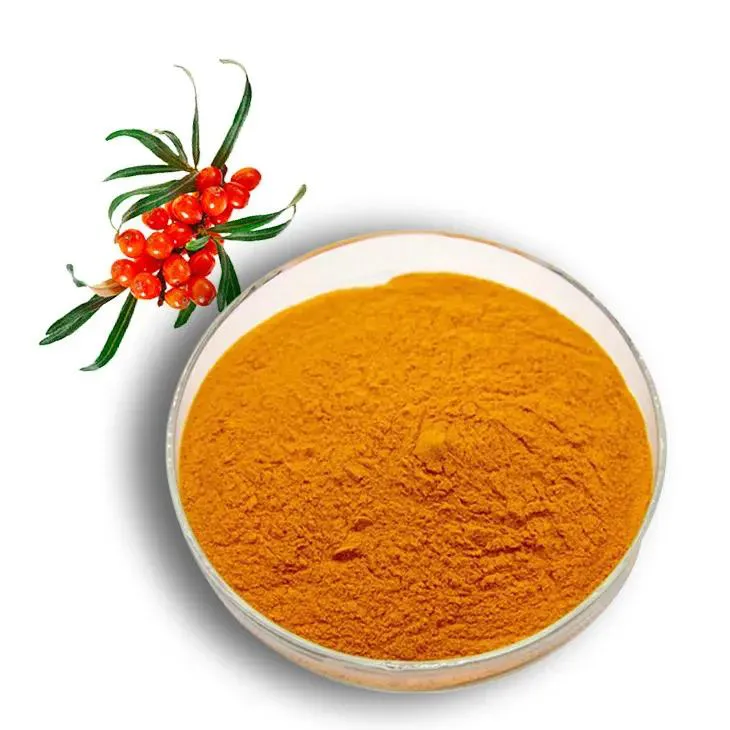
Sea buckthorn Juice Powder
2026-08-18
-
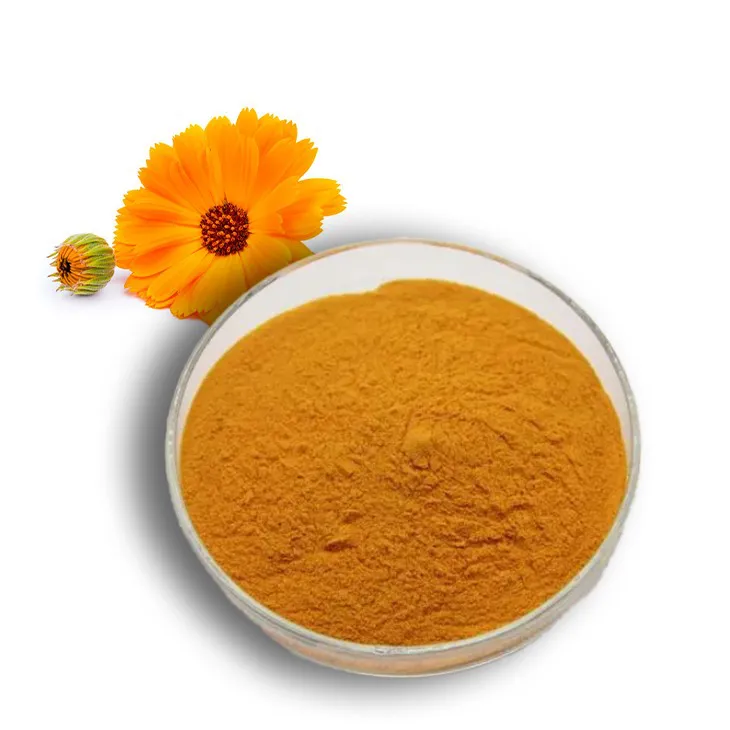
Calendula Extract
2026-08-18
-
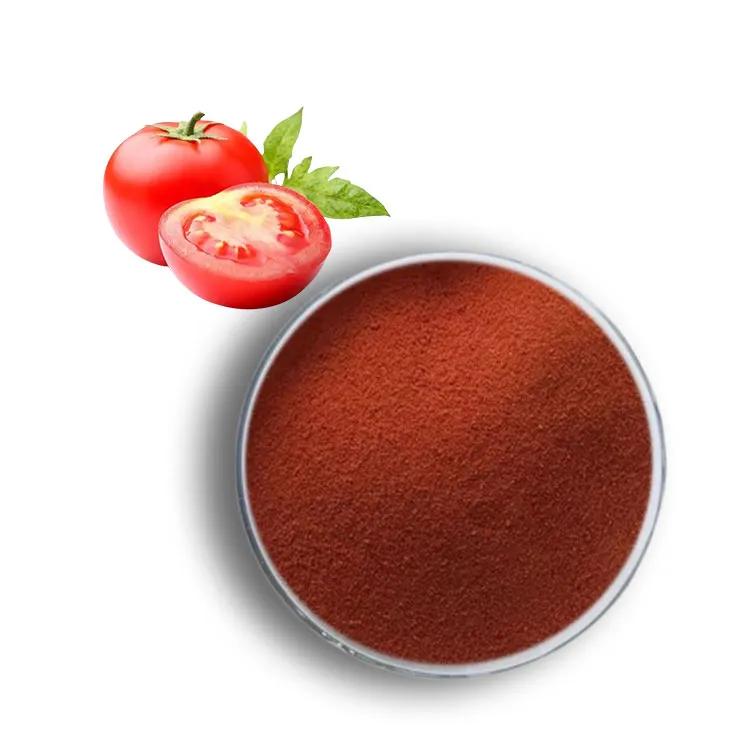
Lycopene
2026-08-18
-
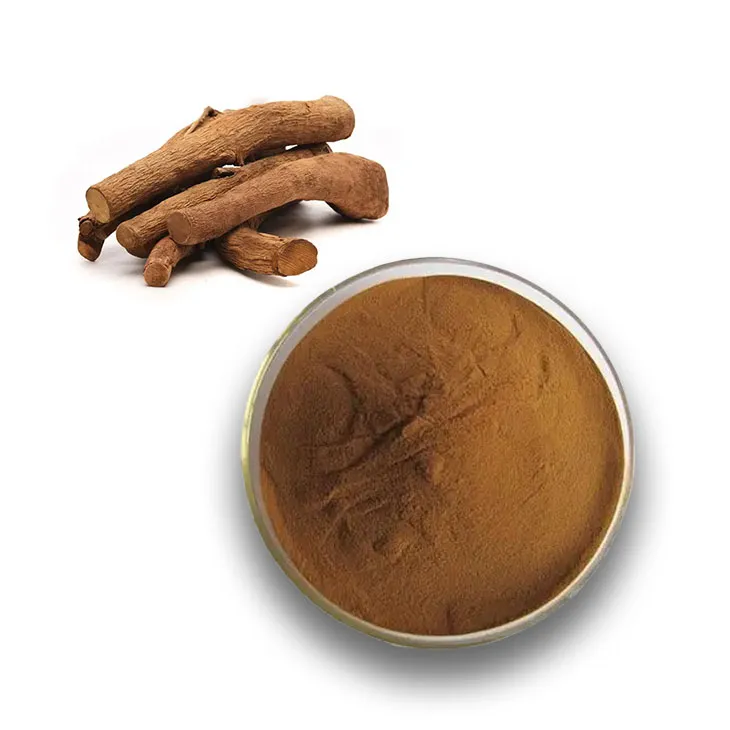
Tongkat Ali Extract
2026-08-18
-
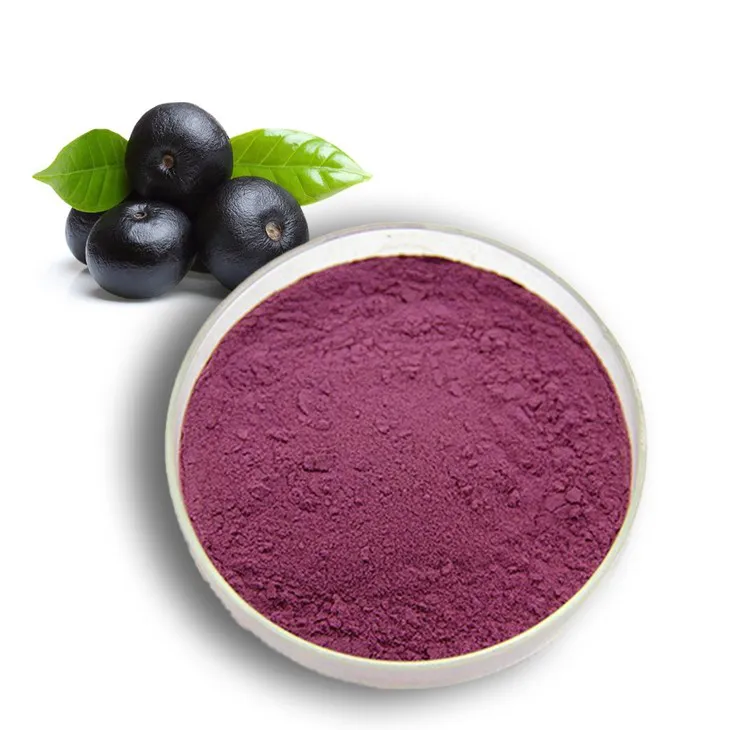
Acai Berry Extract
2026-08-18
-
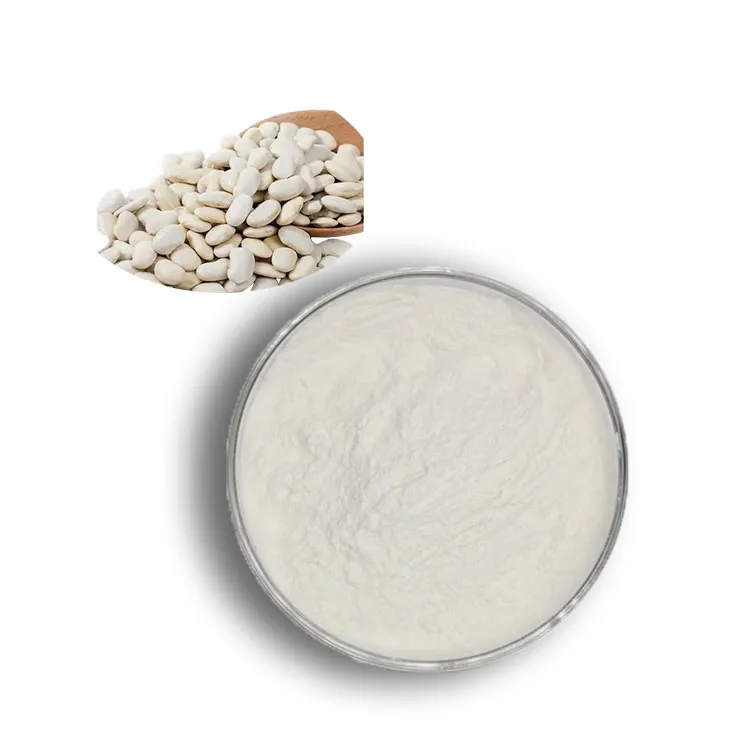
Kidney Bean Extract
2026-08-18
-
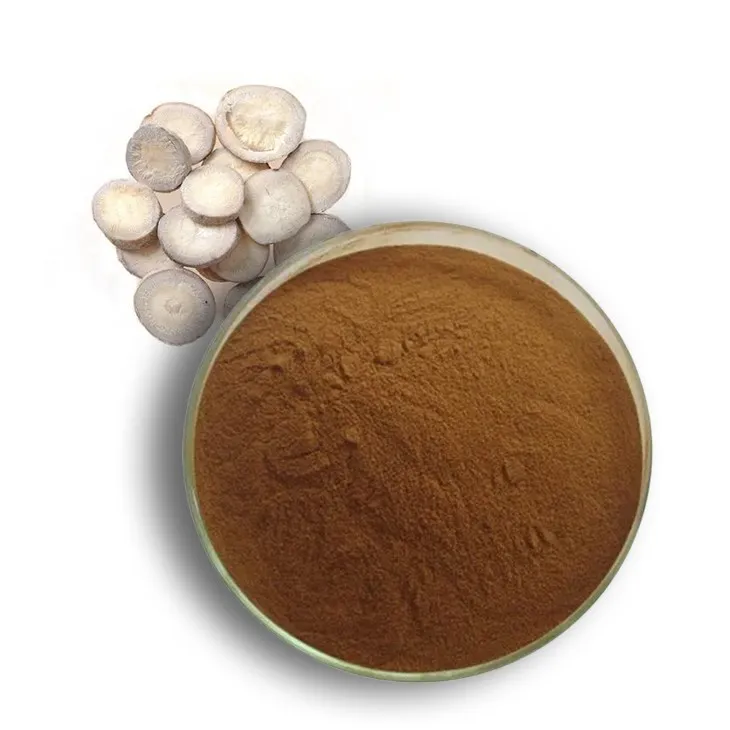
White Peony Extract
2026-08-18
-
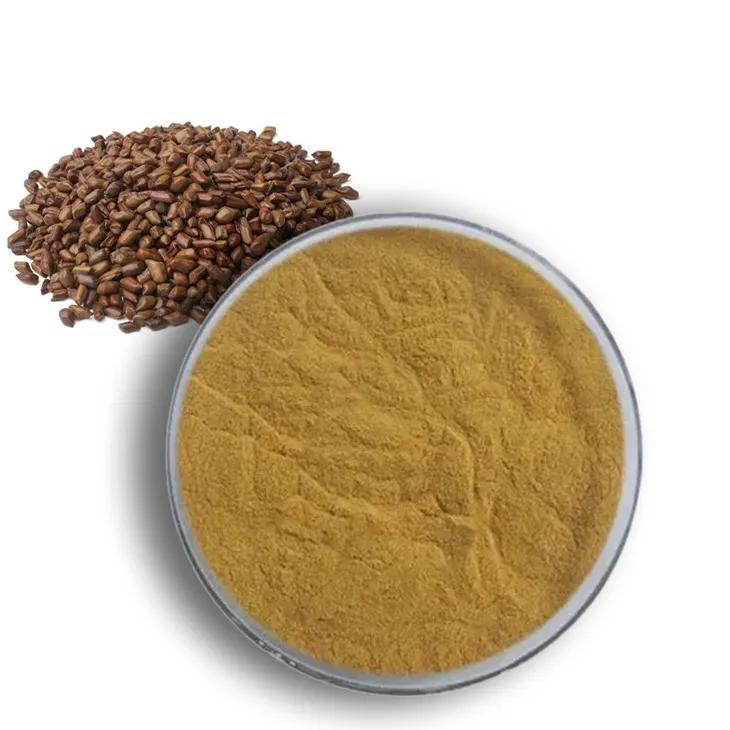
Cassia Seed Extract
2026-08-18
