- 0086-571-85302990
- [email protected]





What are the coconut water powder benefits for hydration?
2026-08-14
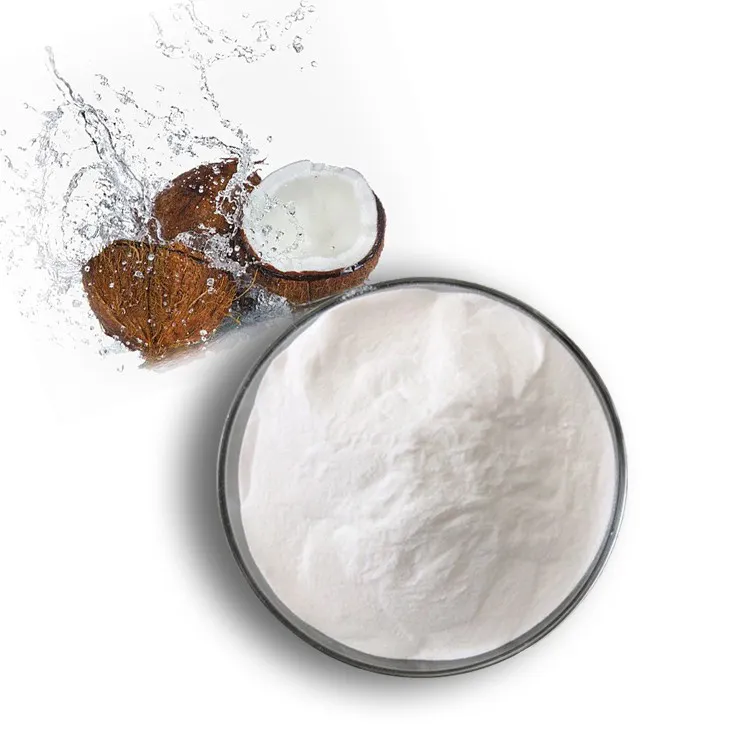
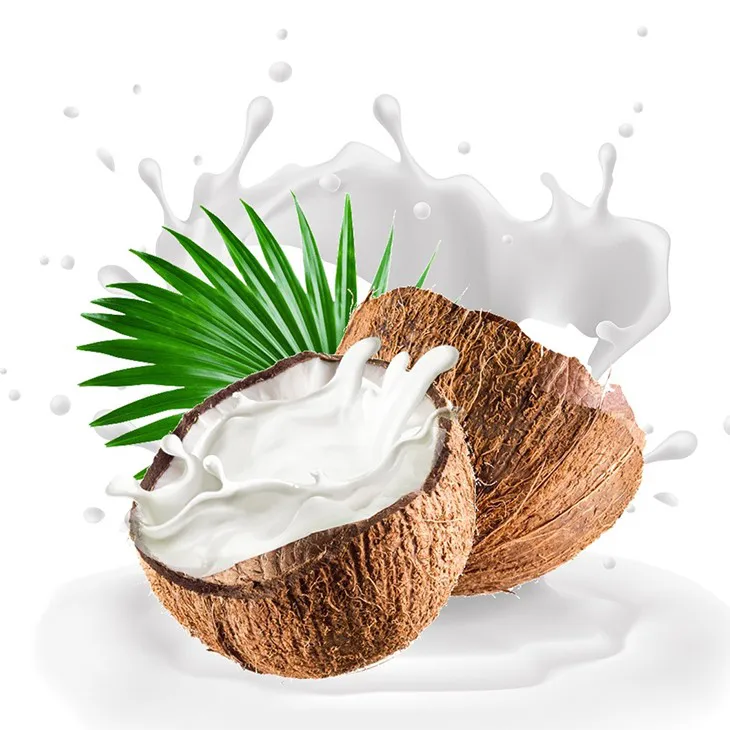
Coconut water has been a go-to for athletes and anyone who wants a lighter, more natural way to rehydrate. But the fresh drink goes bad quickly, which is why many people, and more and more food and beverage brands, are turning to Coconut Water Powder instead. If you are wondering what Coconut Water Powder can actually do for hydration, the short answer is a great deal, only in a more convenient, shelf-stable form.
What is Coconut Water Powder?
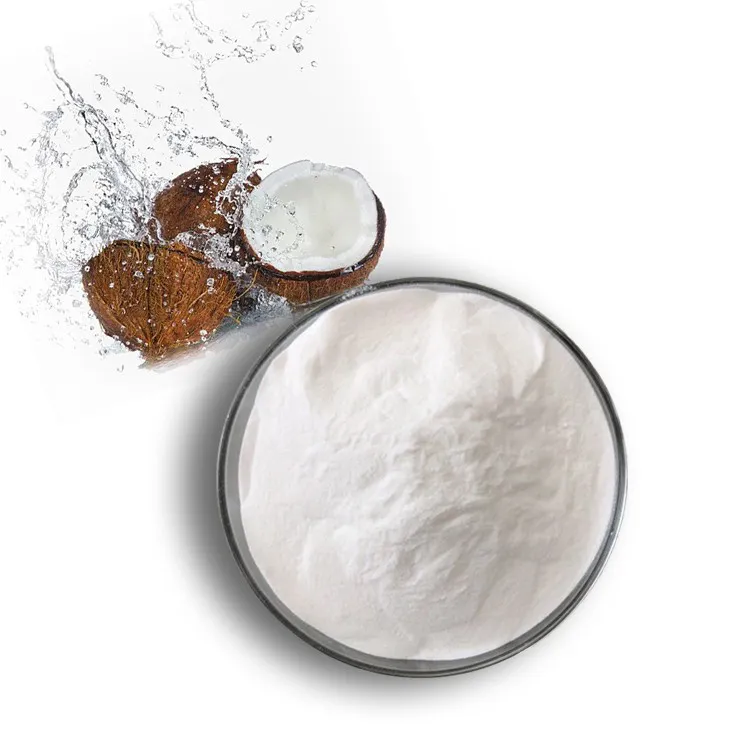
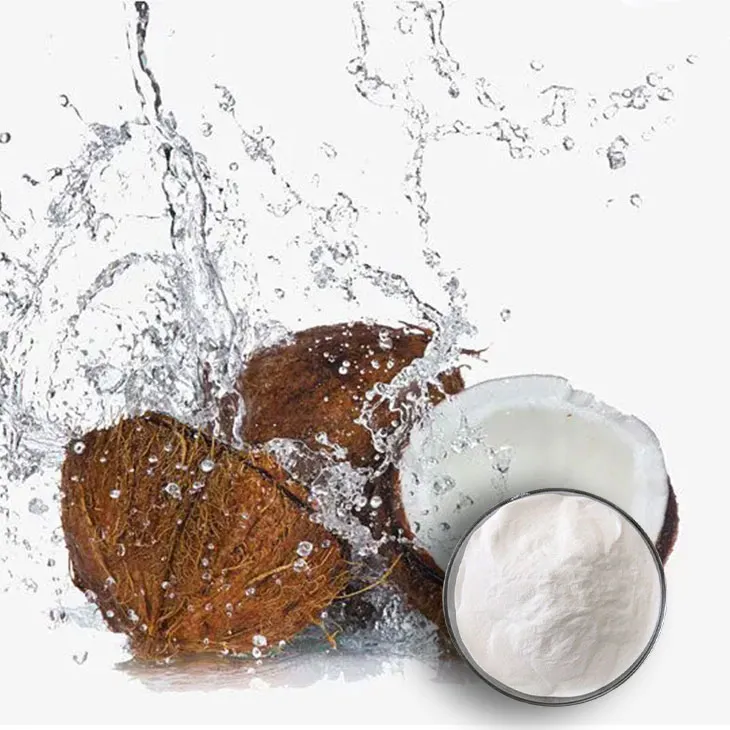
Coconut water powder is made by gently extracting and drying fresh coconut water until almost all the moisture is removed. What is left is a fine powder that keeps the natural nutrients and flavor of the original liquid. Because it is concentrated, a small amount of powder can be stirred back into water to make a drink that tastes and behaves like fresh coconut water. It is widely used in instant drinks, sports nutrition, and functional food products.
For manufacturers, this form solves a real problem. Fresh coconut water is bulky, heavy, and needs cold storage, which drives up shipping and shelf-life costs. Coconut water powder is light, stays stable for a long time, and is easy to dose, so it fits naturally into a production line. That is why wholesale buyers and food formulators increasingly source it from a dedicated coconut water powder supplier rather than trying to import the perishable liquid.
The electrolytes that do the work
The main reason coconut water powder supports hydration is its electrolyte profile. Electrolytes are electrically charged minerals that help your body keep fluids in balance, support muscle and nerve function, and regulate a healthy acid-base level. The key electrolytes found in coconut water are potassium, sodium, calcium, and magnesium.
Potassium is the standout. A typical one-cup serving of coconut water contains a meaningful amount of potassium, which is the mineral most linked to preventing exercise-related muscle cramping. When you sweat, you lose fluid along with electrolytes, and replacing them matters more than simply drinking plain water. Coconut water powder lets you restore those minerals quickly, which is why it shows up in so many post-workout and rehydration formulas.
How it helps with hydration
Staying well hydrated is about more than just drinking enough liquid. It keeps your joints lubricated, helps your body regulate temperature, and makes it easier to deliver nutrients to your cells. Coconut water powder helps on all of these fronts.
First, it is a low-calorie way to rehydrate. A cup of coconut water has only a modest number of calories, and far less sugar than a typical sugary sports drink, so you can replenish fluids without loading up on empty calories. Second, the potassium and magnesium it carries help muscles recover and reduce the chance of cramping after exercise. Third, because you can control how much powder you mix into water, you can make a light everyday drink or a more concentrated electrolyte beverage, depending on the situation.
It is worth being honest about one limit. Coconut water is naturally lower in sodium than commercial sports drinks, and sodium is the main mineral you lose when you sweat heavily. For a long, intense session in the heat, a higher-sodium product may be more appropriate. For everyday hydration, moderate workouts, or travel, coconut water powder is an excellent, natural choice.
Why powder beats liquid for everyday use
Convenience is the biggest practical advantage. Powder takes up a fraction of the space, weighs almost nothing, and keeps for a long time without refrigeration. You can carry it in a bag, stir it into a bottle of water on the go, add it to smoothies, or blend it into yogurt and baked goods. That flexibility is hard to match with fresh coconut water.
For food and beverage companies, it opens up a lot of possibilities. Coconut water powder can go into instant beverage mixes, protein shakes, electrolyte tablets, sports gels, and a wide range of functional food products. Since it dissolves cleanly and holds its flavor, it is a dependable raw material for clean-label products that need a natural hydration angle.
Things to keep in mind
Coconut water powder is safe for most people in normal amounts, but there are a couple of points worth noting. Because it is high in potassium, anyone with chronic kidney disease or who is on medication that affects potassium levels should check with a healthcare professional before using it in large amounts. It also contains FODMAPs, so people with irritable bowel syndrome may want to start with a small quantity. As with any concentrated ingredient, it is about using a sensible amount rather than avoiding it altogether.
A practical hydration ingredient
Coconut water powder delivers most of the benefits of fresh coconut water, with the added convenience of a stable, easy-to-use powder. It hydrates through natural electrolytes, supports muscle recovery, and works well across everyday drinks and sports nutrition alike. Whether you are a consumer looking for a natural rehydration option or a brand seeking a reliable plant extract supplier, it is a versatile ingredient worth considering for your next formulation.
- ▶ Hesperidin
- ▶ Citrus Bioflavonoids
- ▶ Plant Extract
- ▶ lycopene
- ▶ Diosmin
- ▶ Grape seed extract
- ▶ Sea buckthorn Juice Powder
- ▶ Fruit Juice Powder
- ▶ Hops Extract
- ▶ Artichoke Extract
- ▶ Mushroom extract
- ▶ Astaxanthin
- ▶ Green Tea Extract
- ▶ Curcumin
- ▶ Horse Chestnut Extract
- ▶ Other Product
- ▶ Boswellia Serrata Extract
- ▶ Resveratrol
- ▶ Marigold Extract
- ▶ Grape Leaf Extract
- ▶ New Product
- ▶ Aminolevulinic acid
- ▶ Cranberry Extract
- ▶ Red Yeast Rice
- ▶ Red Wine Extract
- ▶ blog
-
Buckthorn bark extract
2026-08-14
-
Garcinia Cambogia Extract
2026-08-14
-
Saw Palmetto Extract
2026-08-14
-
Beetroot Powder
2026-08-14
-
Elderberry Extract
2026-08-14
-
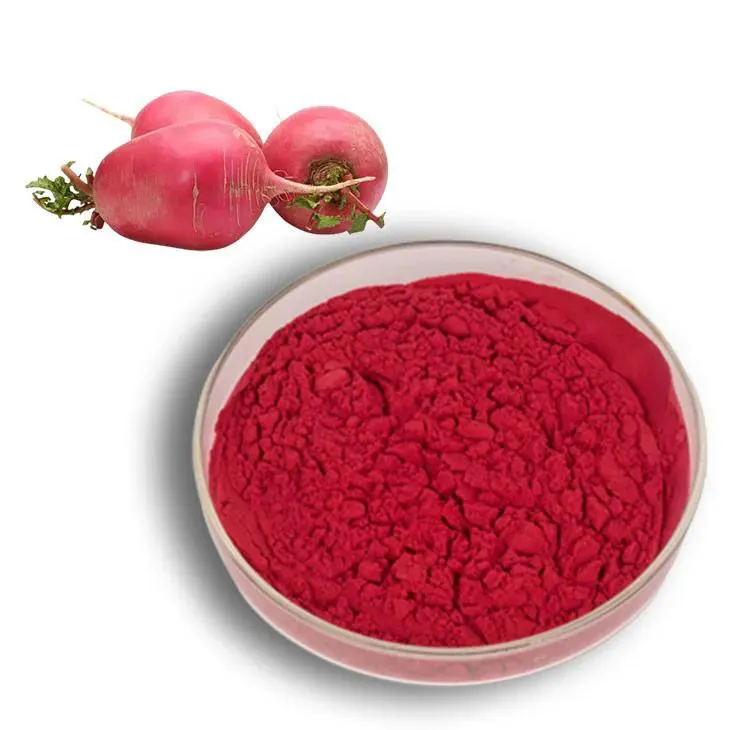
Beetroot juice Powder
2026-08-14
-
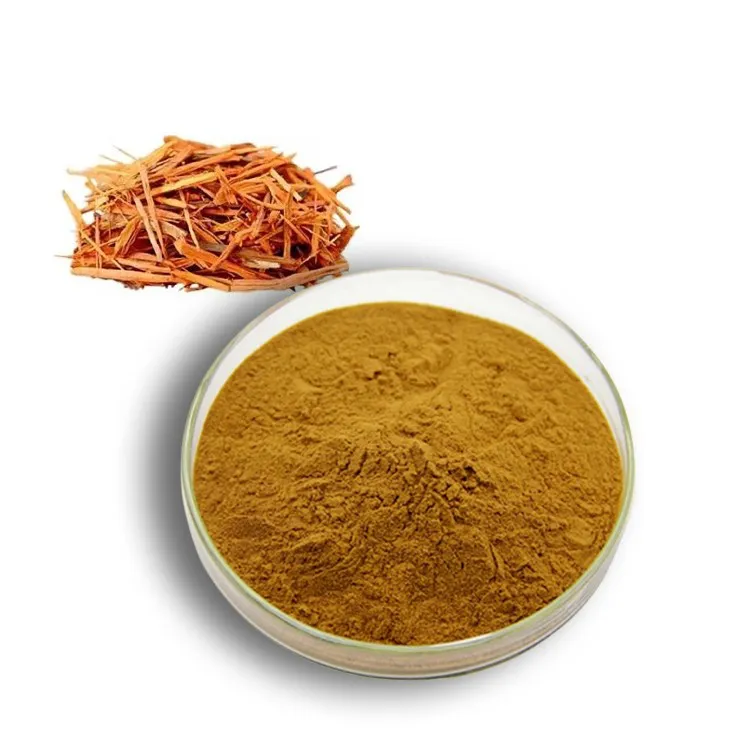
Yellow Pine Extract
2026-08-14
-
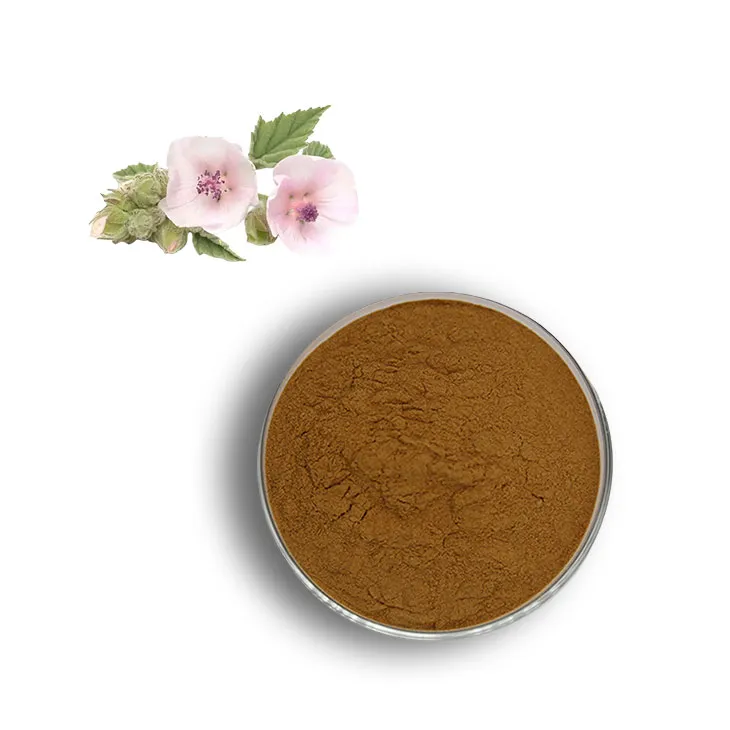
Medicinal Marshmallow Extract
2026-08-14
-
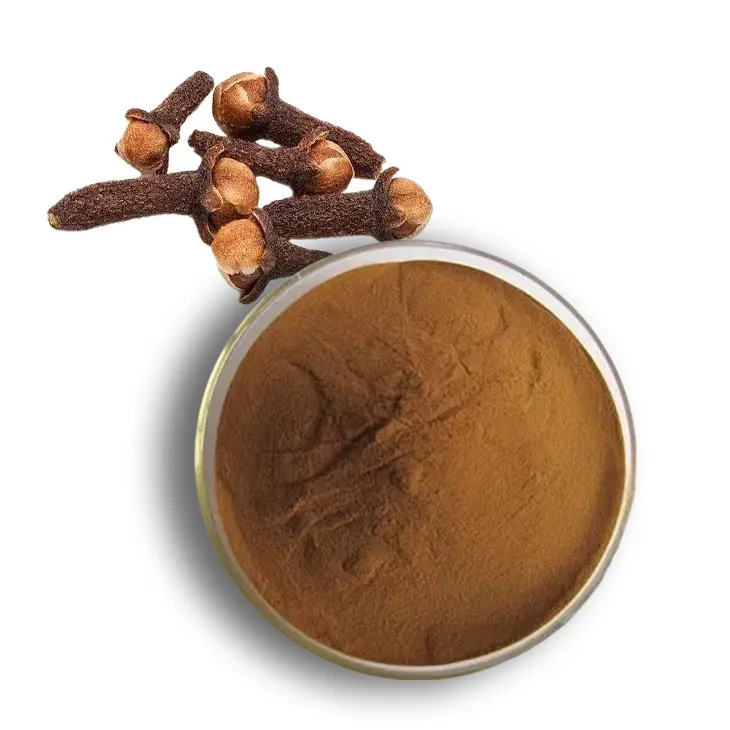
Clove Powder
2026-08-14
-
Lion's Mane Mushroom Extract
2026-08-14