- 0086-571-85302990
- [email protected]






What are the benefits of lily extracts for skin and lungs?
2026-08-13
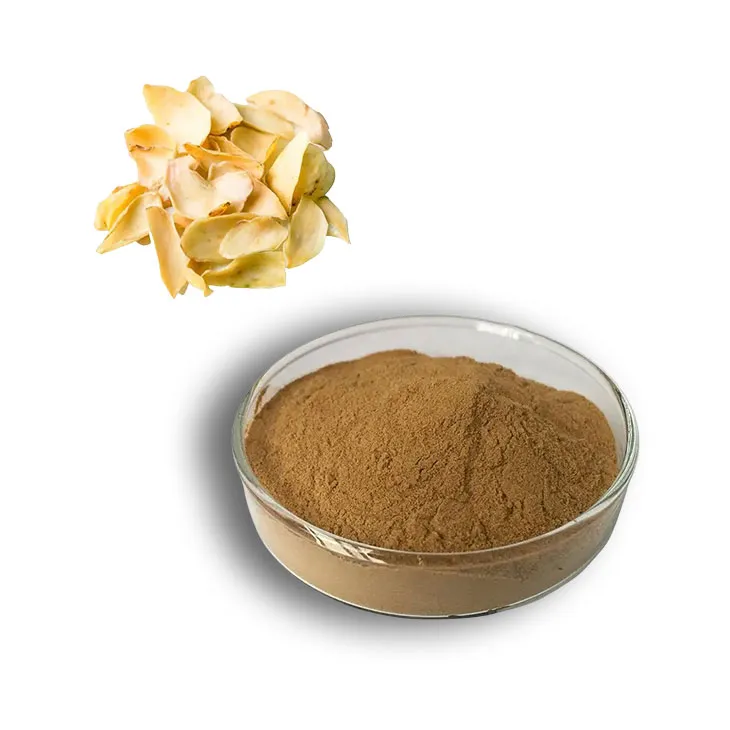
Lily has been used for centuries as both a food and a medicine, yet many people still think of it only as a beautiful garden flower. The concentrated extracts made from its bulbs are now stepping into the spotlight as versatile ingredients for skincare, wellness, and functional food formulations. If you are evaluating botanical actives for a new product, it helps to understand exactly what lily extract can do for the skin and the lungs, and how the quality of the raw material shapes the final result.
What is Lily extract?
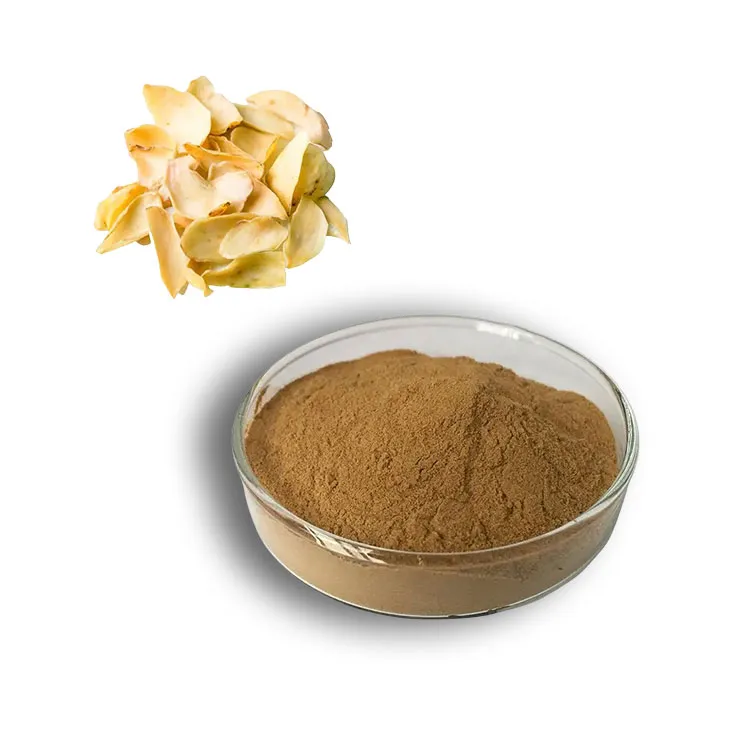
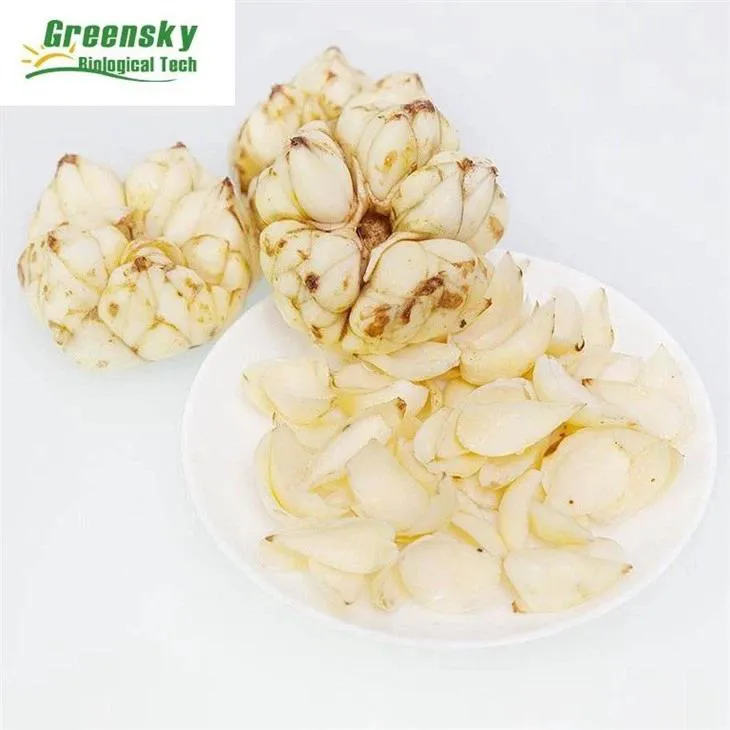
Lily extract is produced from the fleshy bulbs of Lilium species, perennial plants that grow across the temperate regions of the Northern Hemisphere. The extract is obtained by carefully processing the bulbs to concentrate their water-soluble actives, and it is notably rich in polysaccharides, saponins, flavonoids, and phenolic acids. These compounds are the reason the ingredient carries meaningful antioxidant and anti-inflammatory potential, and they are also what make lily a valuable raw material for cosmetics, dietary supplements, and functional foods.
Traditional roots in herbal medicine
In traditional Chinese medicine, lily bulbs are known as Bai He and appear in the Chinese Pharmacopoeia as a botanical drug used to nourish yin, moisten the lungs, clear heat, and calm the spirit. Practitioners have long turned to it for dry coughs, throat discomfort, and restless sleep, and the same plant was recorded in the Shen Nong Ben Cao Jing, one of the earliest Chinese pharmacopoeias. Modern research has been steadily validating these long-standing uses, showing that the polysaccharides and other metabolites in lily do support the pathways traditionally associated with them.
Benefits of Lily extract for the skin
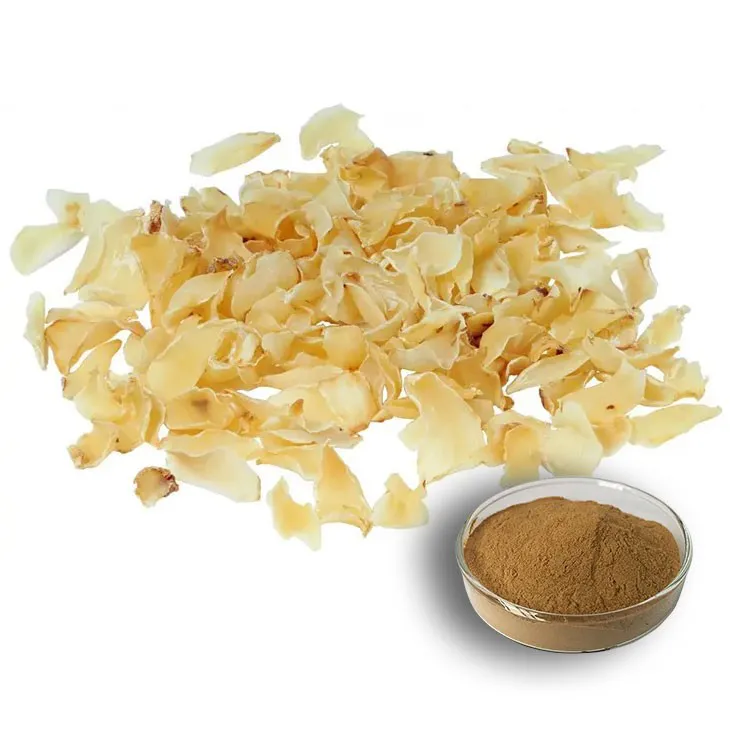
The skin is constantly exposed to ultraviolet radiation and oxidative stress, which accelerate aging and irritation. Lily extract offers a range of benefits that make it attractive in skincare and cosmetic formulations.
1. Antioxidant and anti-aging support
The phenolic acids, flavonoids, and polysaccharides in lily act as natural antioxidants that help neutralize free radicals and shield the skin from UV-related stress. Because polyphenols absorb light in the 200 to 400 nm range, lily-based ingredients are sometimes explored as botanical adjuncts for sun protection. These same properties support the skin's natural repair processes and help maintain a smoother, more youthful appearance.
2. Moisturizing and soothing
Lily bulbs are abundant in mucilage and polysaccharides that help the skin retain moisture. This makes lily extract a soothing addition to facial masks, moisturizers, and serums, particularly for dry or sensitive skin that needs gentle hydration and a quieter inflammatory response.
3. Brightening and clarifying
Some lily species have a traditional reputation for helping to fade freckles and even out the complexion, and cosmetic patents from East Asia frequently combine lily with other herbs for whitening and skin-brightening purposes. Formulators use lily extract in cleansers, masks, and conditioners to support a clear, balanced, and luminous look.
Beyond these core benefits, lily has been investigated in topical applications for acne-prone skin and for promoting a healthy scalp, which is why it appears across a wide range of personal care products rather than only in facial care.
Benefits of lily extract for the lungs
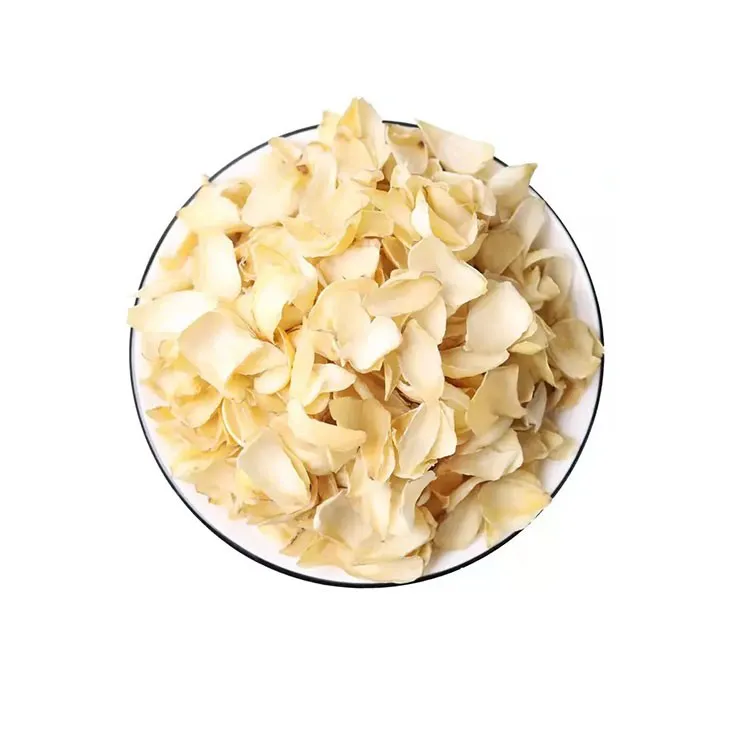
For the respiratory system, lily extract is valued most for its soothing and moisturizing effects on the airways. In traditional practice it is a go-to remedy for dry coughs, chest tightness, and throat irritation, especially in dry or harsh conditions.
Moistening and soothing the airways
Lily is traditionally classified as a moistening agent that helps protect the delicate lining of the respiratory tract. Its demulcent, mucilage-like character helps calm irritated passages, which is why lily has long been used for both acute dry coughs and seasonal throat discomfort.
Supporting immune and inflammatory balance
Lily polysaccharides have been studied for their immunomodulatory activity, meaning they help support a healthy, balanced immune response rather than overstimulating it. Combined with the extract's anti-inflammatory properties, this makes lily a thoughtful ingredient for functional beverages, respiratory wellness formulas, and everyday health products.
Gentle everyday wellness
Because lily is considered a mild and nourishing botanical, it is well suited to daily wellness products. It pairs easily with other ingredients and is frequently blended into congees, soups, and functional drinks to support respiratory comfort and overall vitality without being harsh on the system.
Why the source of lily extract matters
The performance of lily extract depends heavily on where the bulbs are grown and how the active compounds are extracted and standardized. A reliable supplier should be able to document the origin of the raw material, confirm the concentration of key actives, and provide purity and safety data for every batch. Clean, food-grade production and consistent documentation also make regulatory submissions smoother in major markets such as the United States, the European union, and Asia.
Greensky is one of the plant extract manufacturers that meets this standard. Founded in 2004 in Hangzhou, the company has more than two decades of experience in identifying, researching, and producing active botanical ingredients. Its vertically integrated operation spans research, extraction, and production, backed by an independent laboratory equipped with HPLC and GC, a 100,000-class clean production area, and certifications including ISO22000, BRCGS, HALAL, and Kosher. This level of control gives formulators a dependable source for consistent, high-quality lily extract destined for skincare, supplements, and functional foods.
The bottom line
Lily extract supports the skin through antioxidant, moisturizing, and clarifying action, and it supports the lungs and respiratory tract through soothing, demulcent, and immune-balancing properties. Backed by a long history of traditional use and a growing body of modern research, it is a versatile botanical for wellness and personal care alike. As with any botanical, choosing a manufacturer with rigorous quality control and transparent documentation is the key to turning a promising ingredient into a successful, compliant product.
TAGS:
- ▶ Hesperidin
- ▶ Citrus Bioflavonoids
- ▶ Plant Extract
- ▶ lycopene
- ▶ Diosmin
- ▶ Grape seed extract
- ▶ Sea buckthorn Juice Powder
- ▶ Fruit Juice Powder
- ▶ Hops Extract
- ▶ Artichoke Extract
- ▶ Mushroom extract
- ▶ Astaxanthin
- ▶ Green Tea Extract
- ▶ Curcumin
- ▶ Horse Chestnut Extract
- ▶ Other Product
- ▶ Boswellia Serrata Extract
- ▶ Resveratrol
- ▶ Marigold Extract
- ▶ Grape Leaf Extract
- ▶ New Product
- ▶ Aminolevulinic acid
- ▶ Cranberry Extract
- ▶ Red Yeast Rice
- ▶ Red Wine Extract
- ▶ blog
-
Phyllanthus Emblica Extract
2026-08-13
-
Phellodendron Extract
2026-08-13
-
Propolis Extract Powder
2026-08-13
-
Resveratrol
2026-08-13
-
Europen Bilberry Extract
2026-08-13
-
Giant Knotweed Extract
2026-08-13
-
Clove Powder
2026-08-13
-
Kupilu Extract
2026-08-13
-
Hawthorn powder
2026-08-13
-
Soy Extract
2026-08-13
