- 0086-571-85302990
- [email protected]





What are functional food ingredients and how are they used?
2026-08-15
Walk through any modern supermarket or scroll through an online supplement store and you will notice something: more and more products now carry claims about what they do for the body, not just what they taste like. A yogurt that supports digestion, a cereal fortified with vitamins, a beverage that helps you sleep, a capsule made from fermented rice that supports healthy cholesterol levels. These products all have one thing in common: they are built around functional food ingredients.
For food manufacturers, supplement brands, and formulators, understanding what these ingredients are and how they are used is the first step toward developing products that actually meet consumer expectations. This article explains what functional food ingredients are, the main categories you will encounter, how they are applied in real products, and what to look for when sourcing them.
What are functional food ingredients?
Functional food ingredients are naturally occurring or processed substances that provide health benefits beyond basic nutrition. In other words, they do more than feed the body with calories, protein, or vitamins. They deliver specific physiological effects, such as supporting the immune system, improving sleep, protecting cardiovascular health, or aiding digestion.
The concept is not new. It was formally introduced in Japan in the 1980s, and in 1991 the country established a regulatory category called Foods for Specified Health Use (FOSHU), which recognized foods that could carry approved health claims. The idea quickly spread to North America, Europe, and other markets, and today functional foods and dietary supplements are one of the fastest-growing segments of the food industry.
There are several widely used definitions. The International Food Information Council (IFIC) describes functional foods as foods or dietary components that may provide a health benefit beyond basic nutrition. Health Canada uses a similar definition, describing them as foods consumed as part of a usual diet that demonstrate physiological benefits and reduce the risk of chronic disease. Regardless of the exact wording, the core idea is the same: these ingredients are chosen for the specific benefit they bring to the finished product.
Main types of functional food ingredients
Functional food ingredients come in many forms, and it helps to think of them in a few broad categories.
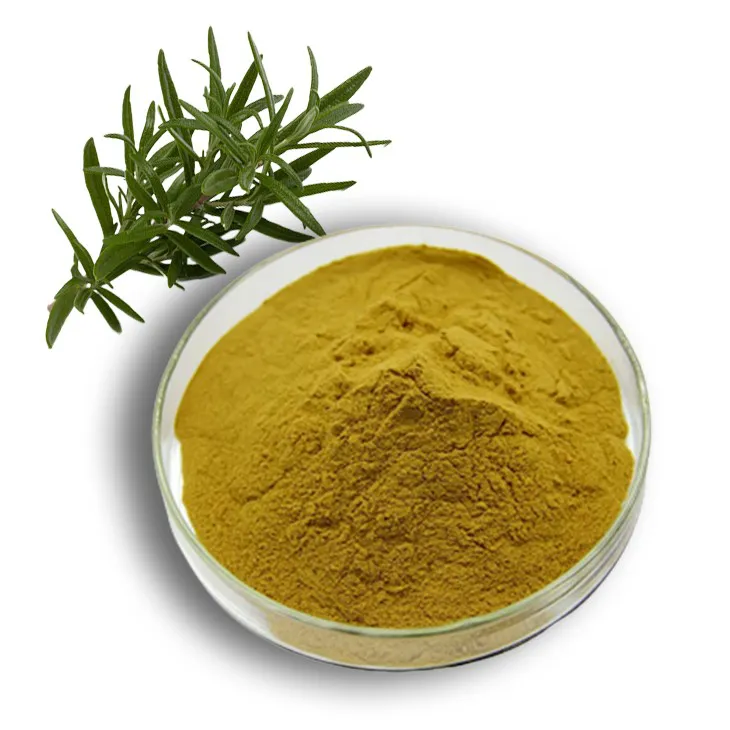
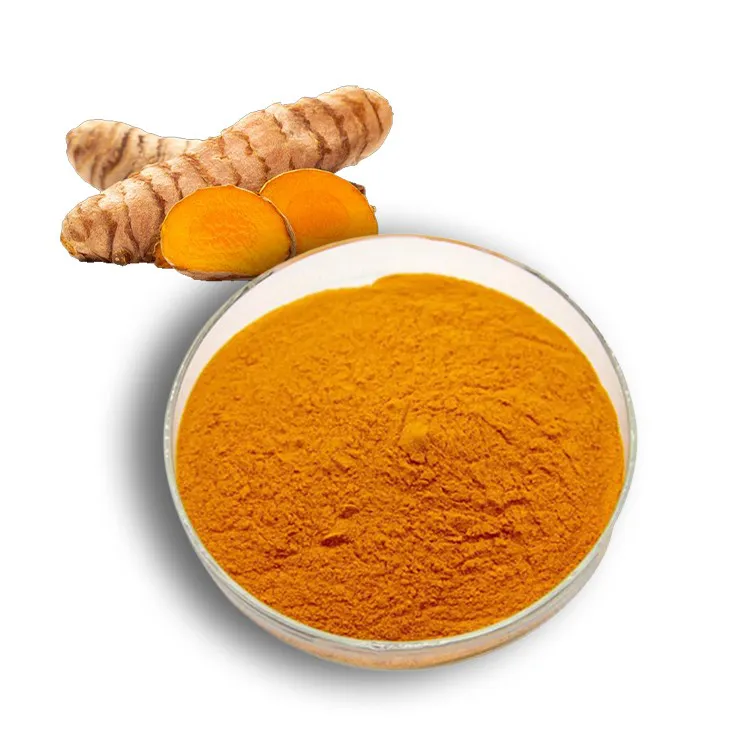
Plant extracts. This is the largest and most versatile category. Botanical extracts concentrate the active compounds found in plants, such as polyphenols, flavonoids, saponins, and carotenoids. Green tea extract, grape seed extract, Curcumin, and Rosemary extract are familiar examples. Because they are concentrated, they can be dosed precisely and added to capsules, tablets, powders, and beverages. A reliable plant extract supplier will offer standardized extracts with consistent active compound levels, which matters a great deal when you are formulating a product that must perform the same way batch after batch.
Fermented ingredients. Fermentation has been used for centuries to preserve food and enhance its nutritional value. Red yeast rice is a classic example. It is produced by fermenting rice with a specific strain of Monascus yeast, and the result contains a compound called Monacolin K, which has been studied for its ability to support healthy cholesterol levels. High-quality red yeast rice is fermented under strict process control and tested to be free of citrinin, a potentially harmful by-product of fermentation.
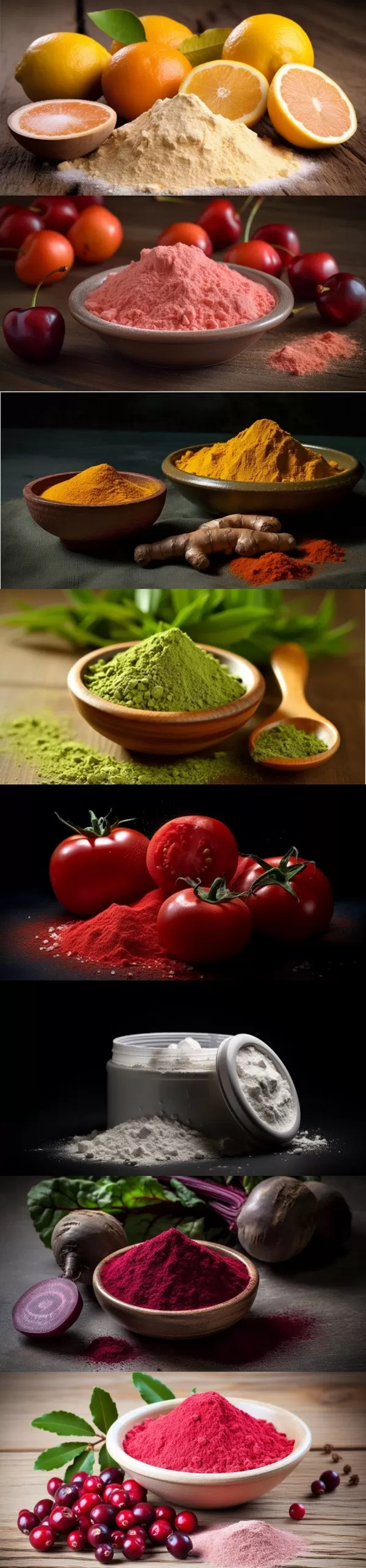
Fruit and vegetable powders. These ingredients are made by drying and powdering whole fruits or vegetables, preserving their natural vitamins, minerals, and antioxidants. Sea buckthorn, beetroot, acerola, and lemon juice powder are popular choices. They are used to add both nutrition and natural flavor to smoothie mixes, functional beverages, bakery products, and instant drinks.
Vitamins, minerals, and specialty compounds. This group includes everything from vitamin C and calcium to omega-3 fatty acids, phytosterols, and probiotics. These are often used to fortify everyday foods, turning ordinary products into functional ones.
How are functional food ingredients used?
Functional food ingredients are applied across a wide range of product formats. Understanding where each ingredient fits helps you choose the right one for your application.
Dietary supplements. Capsules, tablets, and softgels are the most straightforward format. Ingredients are dosed precisely, and consumers take them as part of their daily routine. This is where standardized extracts and fermented ingredients such as red yeast rice are most commonly found.
Fortified foods and beverages. Many everyday products are enhanced with functional ingredients. Cereals are fortified with vitamins and minerals, juices are enriched with vitamin C or calcium, and functional drinks may contain ingredients that support energy, sleep, or eye health. Fruit and vegetable powders fit naturally into this category, adding nutrition without artificial additives.
Bakery, dairy, and confectionery. Functional ingredients are increasingly used in bread, yogurt, and snacks. Beta-glucan from oats, probiotics, and prebiotics such as inulin are common additions. These products let consumers get functional benefits from foods they already eat.
Specialty health products. Beyond mainstream food, functional ingredients are used in medical nutrition, sports nutrition, and wellness products. Ingredients that support sleep, cognition, digestion, or cardiovascular health all fall into this space.
Popular functional food ingredients worth knowing
Some ingredients have become especially popular because they are well researched and versatile. Here are a few that manufacturers frequently ask about.
Hops Extract. Hops are best known for their role in brewing, but the plant also contains bioactive compounds with sedative properties. Hops extract is used in sleep-support supplements and relaxation products, and it also has antimicrobial and anti-inflammatory properties. It is a good example of a functional ingredient that supports a specific, clearly communicated benefit.
Red wine extract. Red wine extract concentrates the polyphenols found in grapes, including resveratrol. It is used to support cardiovascular health and healthy blood flow, and it offers powerful antioxidant effects. Because it is a concentrated extract, it can be used in capsules and tablets without the alcohol content of wine itself.
Grape leaf extract. Less famous than grape seed extract but equally interesting, grape leaf extract is rich in bioactive compounds that support microcirculation and vascular health. It is often used in products aimed at leg health and circulation.
Coix seed extract. Coix seed, also known as Job's tears, has a long history in traditional diets. Its extract is used to support memory and cognitive function as well as digestive health, making it a versatile addition to functional food formulations.
Red yeast rice. As mentioned earlier, red yeast rice is a fermented ingredient containing Monacolin K. It is one of the most studied functional food raw materials for cholesterol support, and it is widely used in dietary supplements around the world.
How to choose a reliable functional food ingredient supplier
The quality of your finished product depends almost entirely on the quality of your raw materials. When you are sourcing functional food ingredients, a few factors deserve close attention.
Consistent standardization. A good supplier provides extracts with consistent levels of active compounds. If a Hops Extract is standardized to a specific percentage of its active components, you can formulate with confidence. Ask for certificates of analysis and batch-to-batch consistency data.
Clean, controlled production. Functional ingredients intended for food use should be produced in clean, food-grade facilities. A 100,000-class clean production area, for example, meets food-grade requirements and helps ensure the ingredient is safe and free from contamination.
Independent testing. Look for suppliers with their own laboratories equipped with instruments such as GC, HPLC, and UV, which are used to verify purity and active compound content. Third-party testing adds another layer of confidence.
Certifications and documentation. For international markets, certifications such as ISO22000, BRCGS, HALAL, and Kosher are important. Complete export documentation also makes regulatory submissions easier in your target markets.
Vertical integration. A supplier that controls its own production from raw material to finished extract can offer better traceability, more stable supply, and more consistent quality. This is especially valuable for ingredients that require complex processing, such as fermented red yeast rice or standardized plant extracts.
Sourcing functional food ingredients from a manufacturer you can trust
Greensky, founded in 2004 and headquartered in Hangzhou, China, is a manufacturer with more than 20 years of experience in producing natural plant extracts and functional food raw materials. The company operates five wholly-owned subsidiaries and manages the entire chain from research and development to production and sales, giving buyers a single, accountable source for their ingredients.
Greensky's functional food raw materials include Hops Extract, red wine extract, grape leaf extract, and coix seed extract, alongside a large catalog of plant extracts and fruit and vegetable powders. Its functional red yeast rice is fermented through a strict process and contains 0.2% to 5% Monacolin K, with citrinin-free testing. Production takes place in a 100,000-class clean area, and the company holds certifications including ISO22000, BRCGS, Ecocert Organic, SGS-GMP, ISO9001, HALAL, and Kosher. With export value reaching nearly 30 million US dollars in 2023 and markets in Europe, the United States, South Korea, and Russia, Greensky has experience serving customers who demand consistent, well-documented ingredients.
Whether you are developing a sleep-support supplement, a cardiovascular health product, or a fortified beverage, the right functional food ingredient makes all the difference. Understanding what these ingredients are, how they are used, and how to evaluate a supplier will help you build products that consumers trust and return to.

- ▶ Hesperidin
- ▶ Citrus Bioflavonoids
- ▶ Plant Extract
- ▶ lycopene
- ▶ Diosmin
- ▶ Grape seed extract
- ▶ Sea buckthorn Juice Powder
- ▶ Fruit Juice Powder
- ▶ Hops Extract
- ▶ Artichoke Extract
- ▶ Mushroom extract
- ▶ Astaxanthin
- ▶ Green Tea Extract
- ▶ Curcumin
- ▶ Horse Chestnut Extract
- ▶ Other Product
- ▶ Boswellia Serrata Extract
- ▶ Resveratrol
- ▶ Marigold Extract
- ▶ Grape Leaf Extract
- ▶ New Product
- ▶ Aminolevulinic acid
- ▶ Cranberry Extract
- ▶ Red Yeast Rice
- ▶ Red Wine Extract
- ▶ blog
-
Gamma-Aminobutyric Acid
2026-08-15
-
melatonin
2026-08-15
-
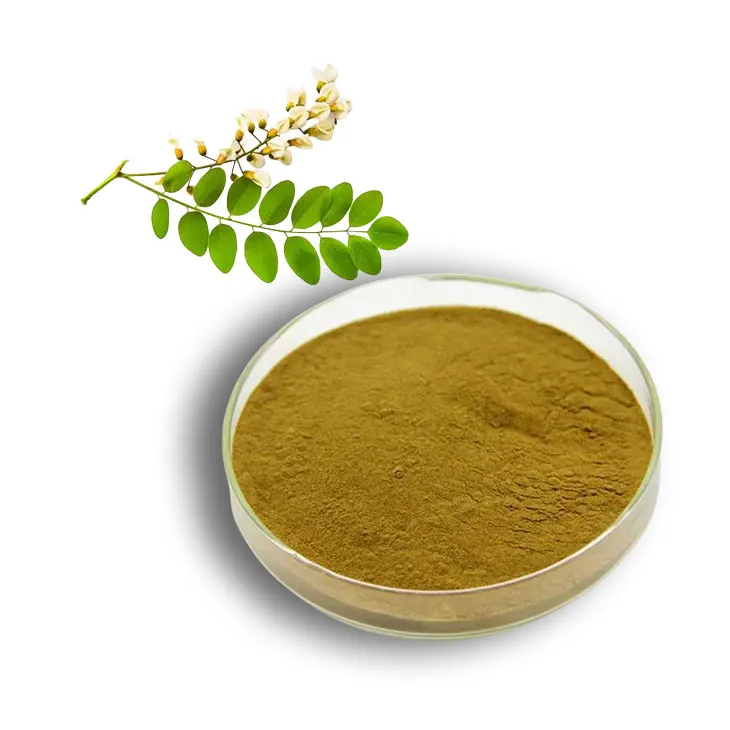
Sophora Japonica Flower Extract
2026-08-15
-
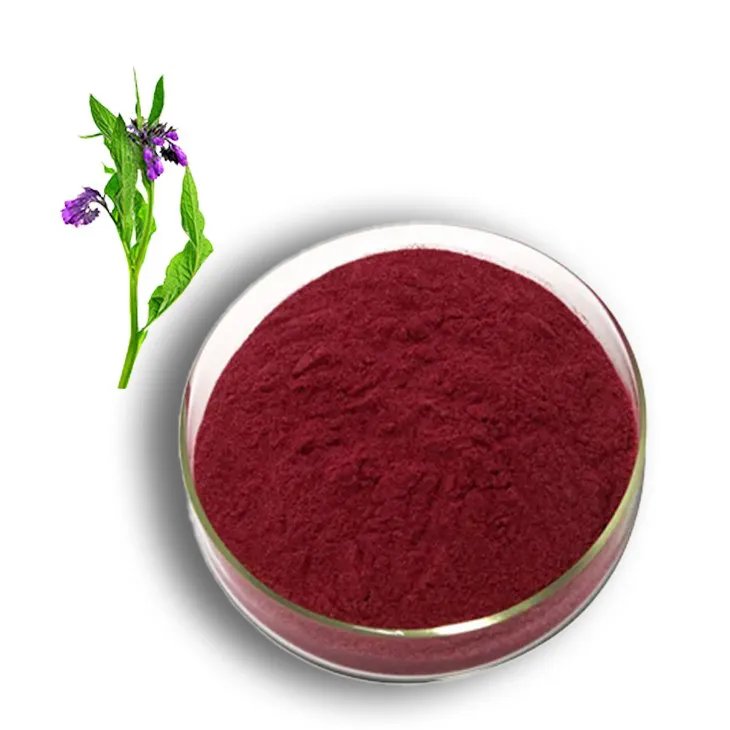
Shikone Extract
2026-08-15
-
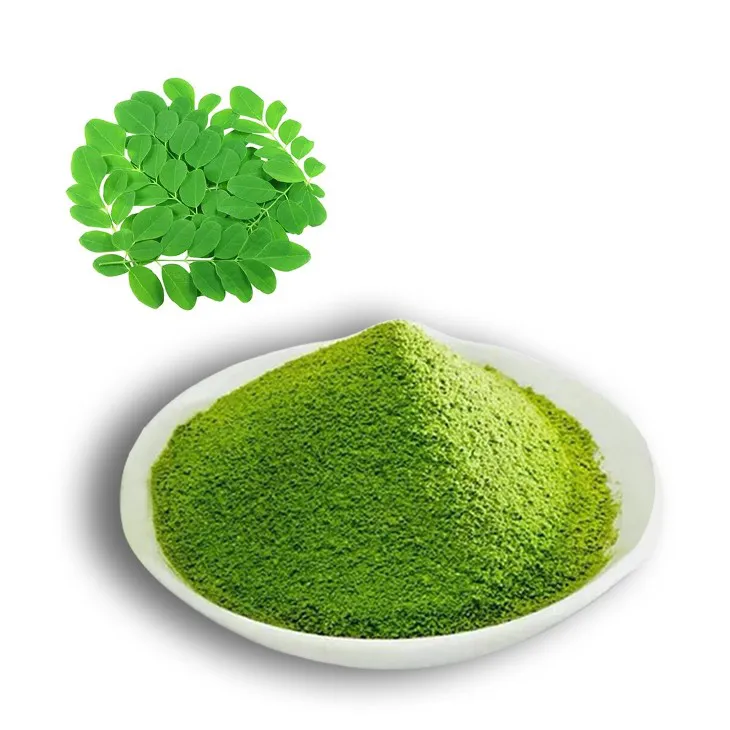
Moringa powder
2026-08-15
-
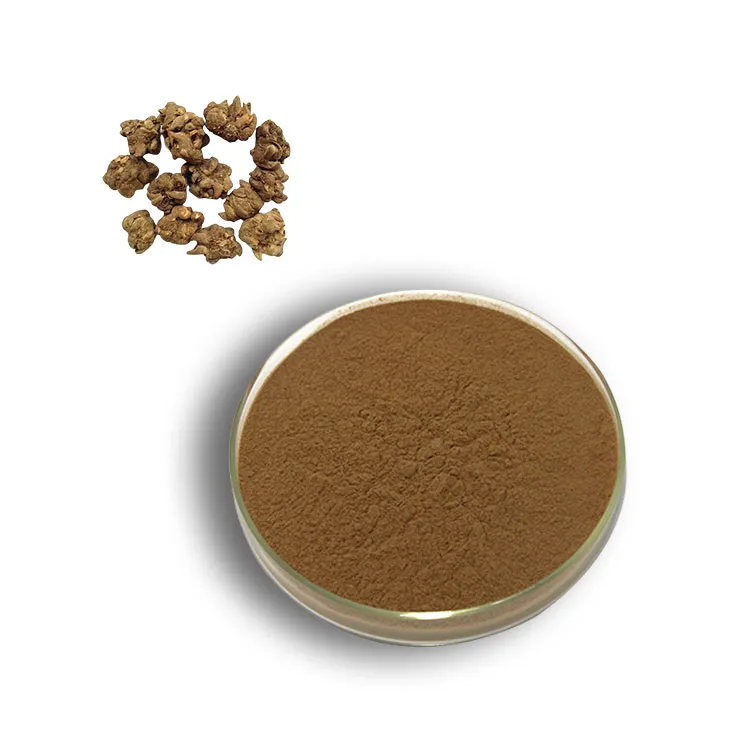
Cat Claw Extract
2026-08-15
-
Chaga Mushroom Extract
2026-08-15
-
Bitter Melon Extract
2026-08-15
-
Apricot Powder
2026-08-15
-
Bayberry Extract
2026-08-15