- 0086-571-85302990
- [email protected]





Is turmeric extract stronger than turmeric powder?
2026-08-12
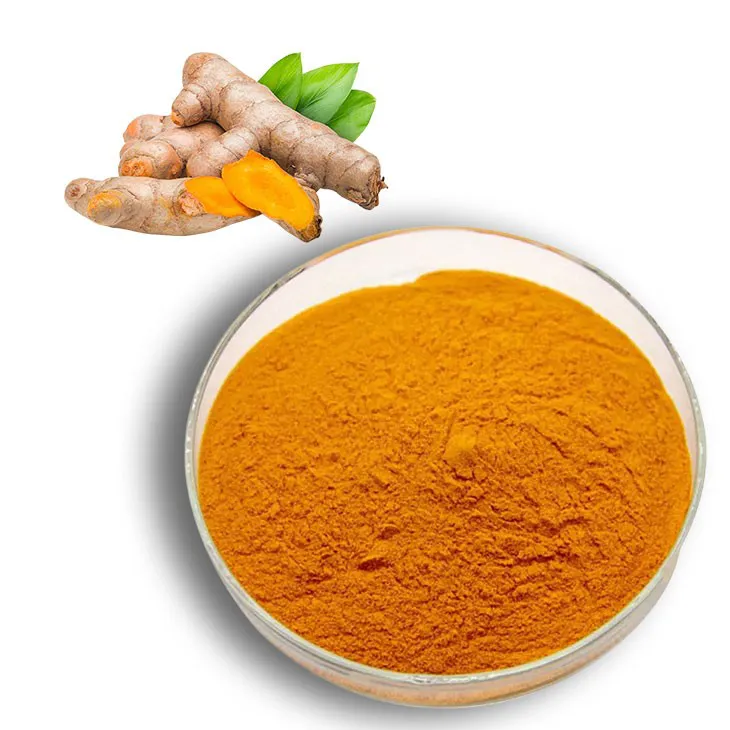
If you have ever compared a bag of turmeric powder with a bottle of turmeric extract, you may have noticed a big difference in recommended serving size and labelled strength. The short answer is yes: turmeric extract is generally stronger than turmeric powder, because the extract is concentrated so that a small dose delivers a much higher amount of the active compound Curcumin. In this article we explain how the two differ, how much stronger an extract can be, and what buyers should look at when sourcing turmeric ingredients for supplements.
Turmeric powder vs turmeric extract: what is the difference?
Turmeric extract is produced by taking the rhizome of Curcuma longa and concentrating its active constituents, mainly Curcuminoids. Turmeric powder, by contrast, is simply the ground root as prepared for cooking. The key difference is concentration: whole turmeric root typically contains only about 2-3% Curcumin by weight, whereas a standardized turmeric extract can be concentrated so that curcuminoids make up 95% or more of the material.
To make this more concrete, a single teaspoon of turmeric powder supplies roughly 60-90 mg of curcuminoids. A typical capsule holding half a gram of a 95% turmeric extract can provide several hundred milligrams of curcuminoids. In other words, you would need to consume a large amount of spice to reach the same dose that a small extract capsule delivers, which is impractical for most people and unpalatable in large quantities.
Why concentration alone is not the whole story
Being stronger on paper is one thing; being absorbed well is another. Curcumin is known for poor bioavailability, meaning the body does not easily absorb much of what is consumed. This is why many effective formulations combine curcumin with an absorption enhancer such as piperine from black pepper, or use special delivery systems that improve uptake. For manufacturers and formulators, choosing an extract is not only about the labelled percentage but also about how the finished product will be designed to make that curcumin usable.
For this reason a well-made turmeric extract is usually the more practical raw material for supplements aimed at targeted benefits such as inflammation and antioxidant support. Whole turmeric powder remains a useful culinary ingredient and a source of mild antioxidant intake, but relying on it alone to deliver therapeutic-level curcumin is usually not realistic.
What to check when sourcing turmeric extract
When buying turmeric extract for a supplement line, several factors matter more than the price per kilogram. First, check that the curcuminoid content is actually standardized and stated on the specification, because this is the number that determines how strong the ingredient is. Second, look for a supplier that can provide consistent quality across batches and reliable documentation, including certificates of analysis and relevant certifications. Third, consider whether you need an extract with added absorption technology or a plain standardized extract, depending on your product concept.
Working with an experienced curcumin manufacturer and curcumin supplier simplifies this process. A reliable partner can supply standardized turmeric extract, provide the technical documents you need, and help you match the right grade to your application, whether you are making capsules, powders, or functional food and beverage ingredients. Many buyers also ask for organic curcumin sourced from verified supply chains, which is an option worth confirming in advance.
Safety and good practice
Turmeric and curcumin are widely consumed and generally well tolerated at common supplement doses. As with any concentrated botanical, it is sensible to respect the recommended dosage and to be aware that high intakes may cause digestive discomfort in some people. Individuals taking blood-thinning medication, people with gallbladder conditions, and pregnant or breastfeeding women should consult a healthcare professional before using concentrated curcumin products. These cautions apply to finished consumer products, so it is worth keeping them in mind when you write your label and marketing copy.
The bottom line
In short, turmeric extract is stronger than turmeric powder because it is more concentrated, allowing a small dose to deliver a much higher amount of curcumin. For targeted supplement applications, a standardized, bioavailable extract is usually the better choice, while turmeric powder remains best for cooking and mild everyday use. When you source your ingredient, focus on verified standardization, consistent quality, and a manufacturer that can support your formulation with honest technical data.
If you are planning a turmeric or curcumin supplement line and would like a reliable supply partner, the team at Greensky can discuss standardized turmeric extract grades, documentation, and samples suited to your project.
- ▶ Hesperidin
- ▶ Citrus Bioflavonoids
- ▶ Plant Extract
- ▶ lycopene
- ▶ Diosmin
- ▶ Grape seed extract
- ▶ Sea buckthorn Juice Powder
- ▶ Fruit Juice Powder
- ▶ Hops Extract
- ▶ Artichoke Extract
- ▶ Mushroom extract
- ▶ Astaxanthin
- ▶ Green Tea Extract
- ▶ Curcumin
- ▶ Horse Chestnut Extract
- ▶ Other Product
- ▶ Boswellia Serrata Extract
- ▶ Resveratrol
- ▶ Marigold Extract
- ▶ Grape Leaf Extract
- ▶ New Product
- ▶ Aminolevulinic acid
- ▶ Cranberry Extract
- ▶ Red Yeast Rice
- ▶ Red Wine Extract
- ▶ blog
-
Plantain extract
2026-08-12
-
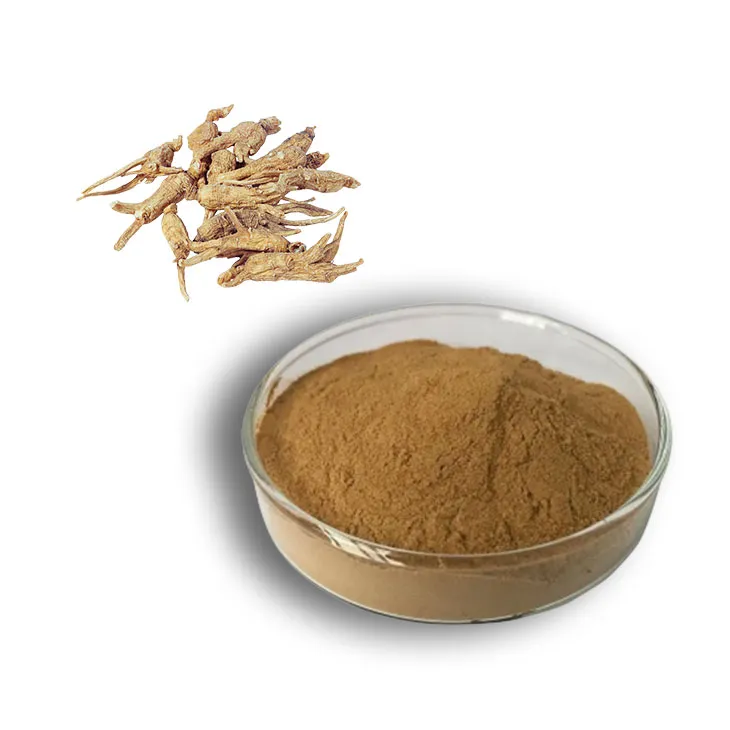
Angelica sinensis extract
2026-08-12
-
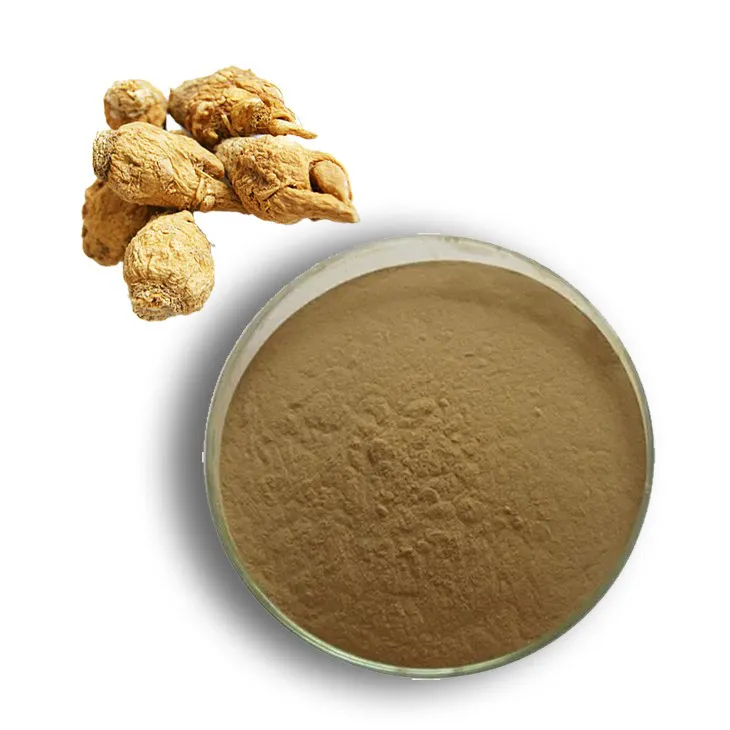
Maca Extract
2026-08-12
-
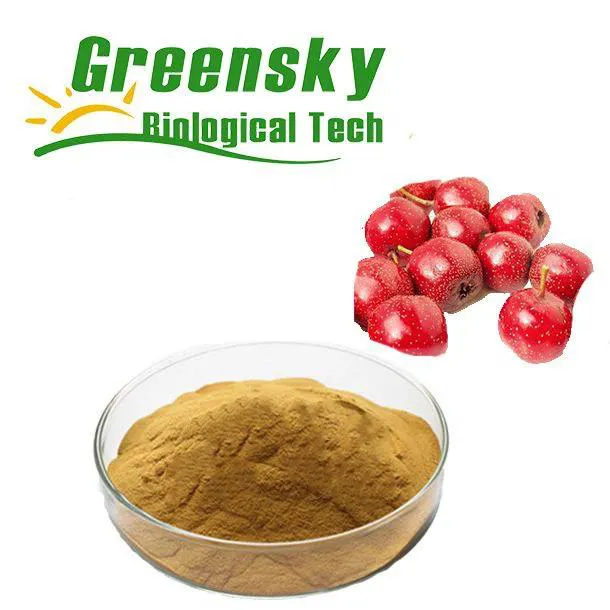
Hawthorn Extract
2026-08-12
-
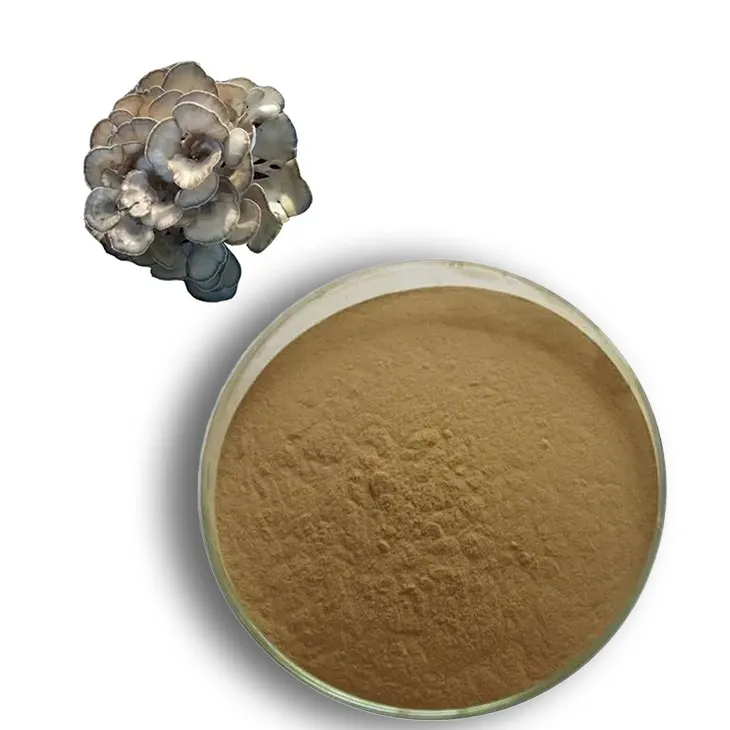
Maitake Mushroom Extract
2026-08-12
-
Senna Leaf Extract
2026-08-12
-
Carrageenan Extract Powder
2026-08-12
-
Sea buckthorn oil
2026-08-12
-
Rose Hip Extract
2026-08-12
-
Curcuma Longa Extract/Turmeric extract
2026-08-12