- 0086-571-85302990
- [email protected]






How to make rosemary extract at home?
2026-08-15
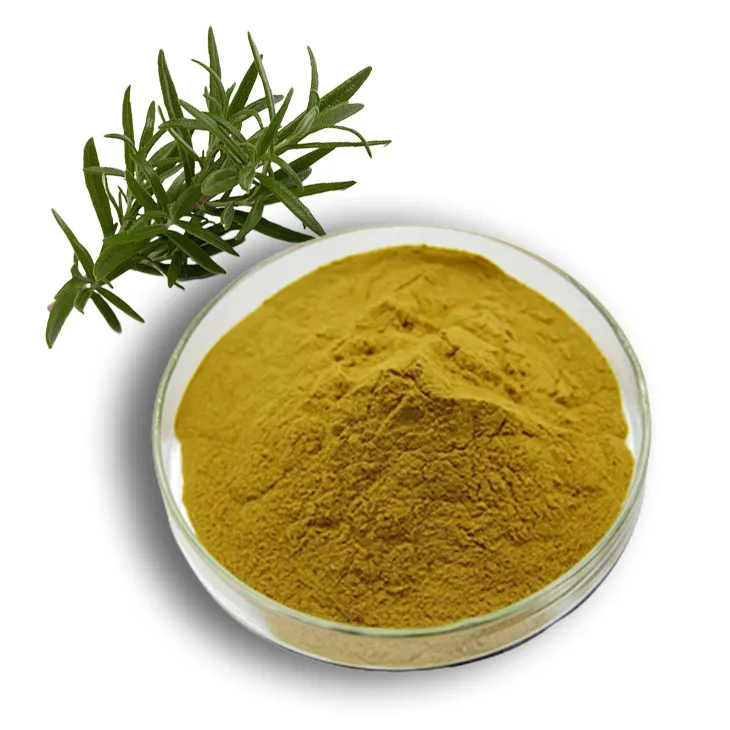
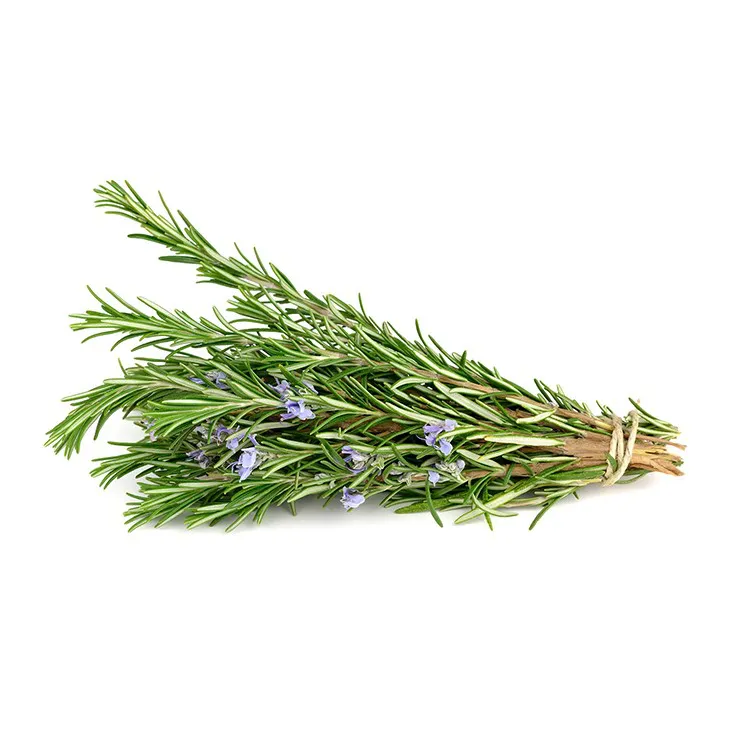
Rosemary has been a kitchen staple and herbal remedy for centuries, but the concentrated extract made from its leaves is what really packs the punch. If you have ever wondered how to make Rosemary extract at home, the good news is that it is a simple process that needs little more than fresh or dried rosemary, a bottle of high-proof alcohol, and a bit of patience. In this guide, we walk you through the whole process step by step, explain the differences between the main extraction methods, and help you decide whether a homemade batch or a professionally produced rosemary extract is the right fit for your needs.
What Is Rosemary extract and Why Make It Yourself?
Rosemary extract is a concentrated preparation made from the leaves of the rosemary plant. It is rich in antioxidants, essential oils, and nutrients, which is why it is widely used in food, beverages, health care products, and cosmetics to extend shelf life, improve taste, and boost nutritional value.
Making your own extract gives you full control over the ingredients. You choose the rosemary, the solvent, and the steeping time, so you know exactly what goes into the final product. Homemade extract is free of the fillers, artificial colors, and preservatives that sometimes appear in commercial products, and it is surprisingly easy to produce with equipment you probably already own.
Health Benefits of Rosemary Extract
Before you start, it helps to understand why rosemary extract is worth making. The leaves contain rosmarinic acid and carnosic acid, two compounds that have been studied for their antioxidant and anti-inflammatory activity. Regular use of rosemary extract has been linked to a range of benefits:
- Natural antioxidant protection that helps preserve foods and skincare products
- Anti-inflammatory effects that support joint and skin health
- Antimicrobial activity that makes it useful in homemade cleaners
- Compounds studied for cognitive support and liver health
- Versatile use in cooking, hair care, and everyday wellness routines
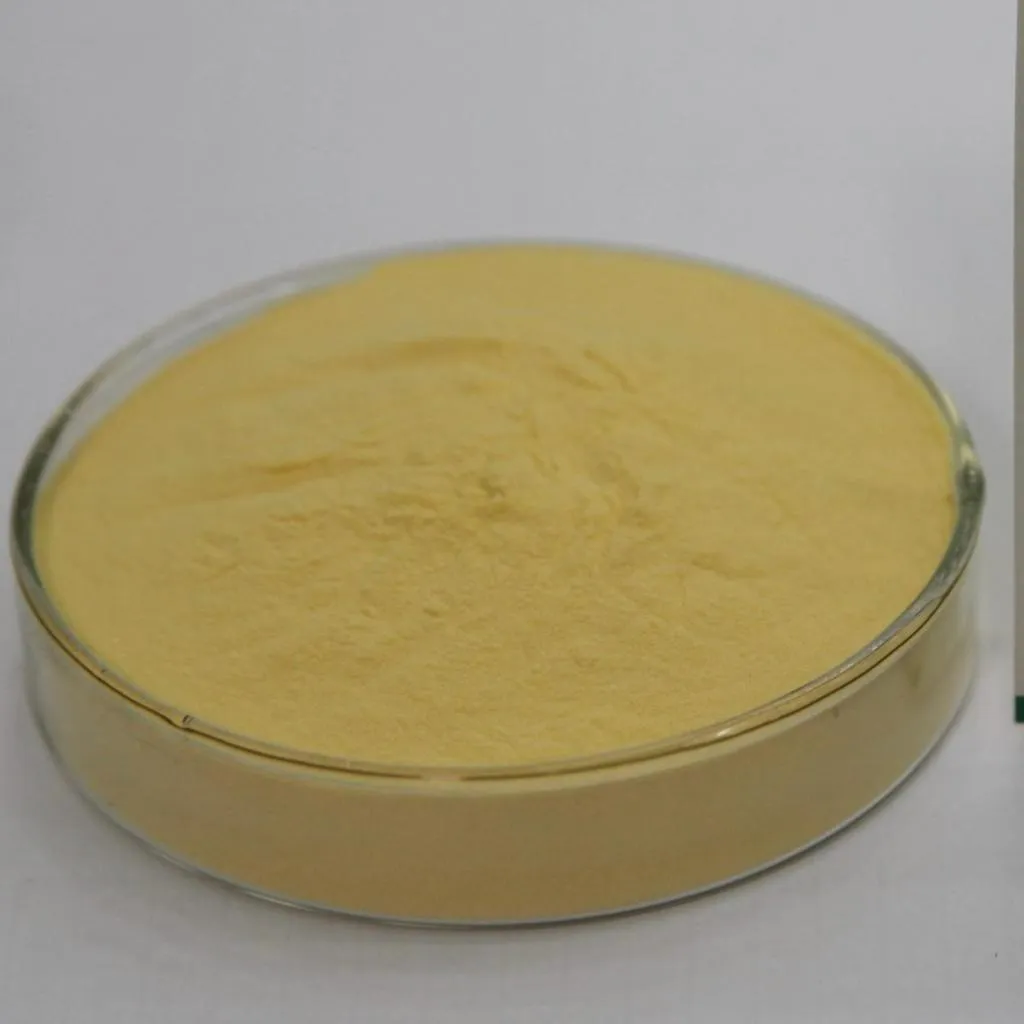
Ingredients and Tools You Will Need
Gathering the right materials before you begin makes the whole process smoother and gives you a better result.
Essential Ingredients
- Fresh or dried rosemary — organic rosemary is preferred to avoid pesticide residues
- High-proof alcohol — vodka at 80 proof or food-grade ethanol at 190 proof works as both solvent and preservative
Optional Additions
- Vegetable glycerin for an alcohol-free version (milder but less potent)
- Carrier oils such as olive or MCT oil for infused oil variations
Required Tools
- Glass jar with a tight-sealing lid, preferably amber glass to block light
- Fine mesh strainer or cheesecloth
- Funnel
- Dark glass dropper bottles for storage
- Labels so you can note the date and ingredients
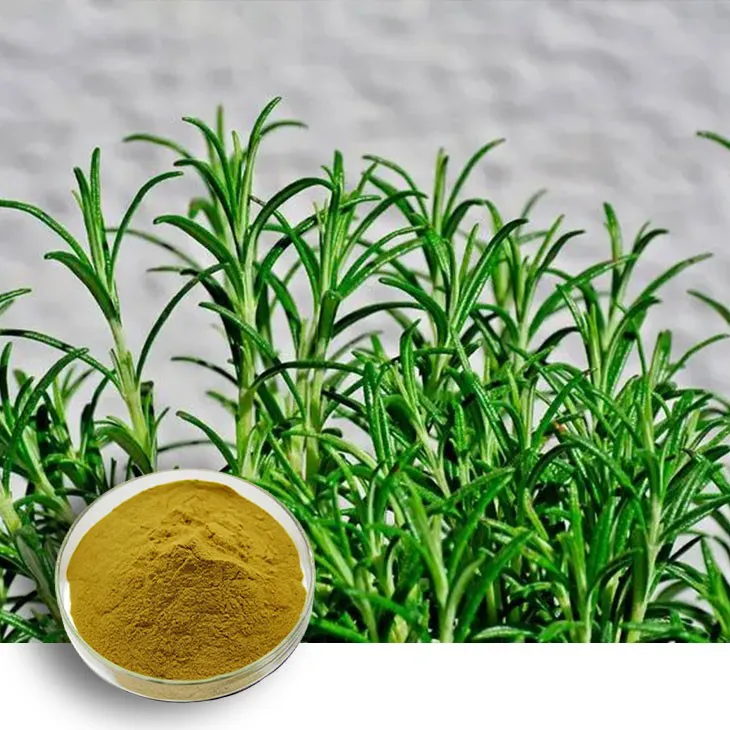
Step-by-Step Guide to Making Alcohol-Based Rosemary Extract
The alcohol method is the most popular because it extracts the widest range of active compounds and produces a product that keeps for years. Follow these steps:
- Prepare the rosemary. Wash and thoroughly dry fresh sprigs, then crush them lightly to break the cell walls and release the essential oils.
- Fill the jar. Pack the jar loosely, about one-third full if you are using fresh rosemary and one-half full if you are using dried.
- Add the alcohol. Pour in enough vodka or ethanol to fully submerge the herb, leaving at least one inch of liquid above the plant material.
- Seal and store. Close the jar tightly and keep it in a cool, dark place. Shake it gently every few days.
- Steep. Leave it for a minimum of two weeks. The best extraction happens between four and six weeks.
- Strain. Filter the liquid through cheesecloth into clean bottles, gently squeezing the plant material to get every last drop.
- Label and store. Keep the extract in dark bottles away from heat and sunlight. Stored properly, an alcohol-based extract can last up to five years.
Oil, Alcohol, or Glycerin: Which Method Should You Choose?
Different solvents produce extracts with different properties, so the right choice depends on how you plan to use the finished product.
| Extraction Method | Solvent Used | Active Compound Yield | Shelf Life | Best For |
|---|---|---|---|---|
| Alcohol tincture | 80–190 proof ethanol | High | 5+ years | Preservation, internal use, cosmetics |
| Oil infusion | Olive, sunflower, or MCT oil | Moderate | 6–12 months | Hair care, massage oils, salves |
| Glycerite | Vegetable glycerin | Low | 1–2 years | Kid-safe topicals, mild flavorings |
Alcohol delivers the highest concentration of active antioxidants such as carnosic acid. Oil infusions are excellent for topical use but degrade faster. Glycerites are the gentlest option and the safest for children, though they are the least potent of the three.
Tips for Maximum Potency and Safety
- Always label your extract with the preparation date and the solvent you used
- Choose organic rosemary to prevent contaminants from concentrating during steeping
- Avoid plastic containers, because alcohol can leach chemicals from plastic
- If you are pregnant or taking medication, talk to a healthcare provider before using the extract internally
- Store the extract below 77°F (25°C) and out of direct sunlight to preserve the phytochemicals
Common Uses for Homemade Rosemary Extract
In the Kitchen
- Add a few drops to soups, marinades, or roasted vegetables
- Use it as a natural preservative in homemade nut milks or oils
- Flavor vinegar or compound butter with a small amount
In Skincare and Haircare
- Mix it into shampoo to support scalp circulation
- Add it to lotions for antioxidant protection
- Use it in facial toners for oily or acne-prone skin
In Natural Cleaning
- Combine it with vinegar and water for an antimicrobial surface spray
- Add it to DIY dish soaps for extra degreasing power
Homemade vs. Commercial Rosemary Extract: What Is the Difference?
A homemade batch is perfect for personal use, but it is worth knowing that it is not the same as the standardized extract used by food and supplement manufacturers. Commercial rosemary extract is produced in a controlled factory environment using large-scale extraction equipment, then tested in a laboratory and standardized to a guaranteed content of key compounds such as carnosic acid and rosmarinic acid. This consistency is what allows manufacturers to rely on it as a natural antioxidant preservative in edible oils, seasonings, meat products, and cosmetics.
A home extraction can vary in strength from batch to batch, which is completely fine for cooking and personal care. But if you are a food producer, supplement brand, or cosmetics company that needs a consistent, food-grade, and certifiable ingredient, a homemade tincture simply cannot match the quality control of an industrial process.
Where to Buy Bulk Rosemary Extract
If you would rather skip the weeks of steeping, or if you need rosemary extract in commercial quantities, the practical option is to buy from a professional manufacturer. Hangzhou Greensky Biological Tech. Co., Ltd. has been producing natural plant extracts since 2004, with over 20 years of experience in identifying, researching, developing, and manufacturing active botanical ingredients. As a rosemary extract supplier, Greensky operates its own production facilities with a 100,000-class clean area, an independent laboratory equipped with GC, HPLC, and UV instruments, and a full range of certifications including ISO22000, BRCGS, Ecocert Organic Standard, SGS-GMP, ISO9001, HALAL, and Kosher.
Whether you need bulk rosemary extract for food preservation, dietary supplements, or cosmetics, working with an experienced manufacturer ensures consistent quality, full documentation, and reliable supply for global markets.
Frequently Asked Questions
Can I make rosemary extract without alcohol?
Yes. You can use vegetable glycerin or carrier oils instead, but alcohol is the most effective solvent for extracting antioxidants such as carnosic acid. Glycerites are milder and suitable for children, while oil infusions work well for topical use but have a shorter shelf life.
How long does homemade rosemary extract last?
Alcohol-based extracts can last five years or more when stored in dark glass bottles away from heat and light. Oil infusions should be used within 6–12 months, and glycerites last 1–2 years.
Is rosemary extract safe to consume?
Yes, in small amounts. Culinary use is generally recognized as safe. However, concentrated doses may interact with blood pressure medications or anticoagulants, so pregnant women and people on medication should consult a doctor before internal use.
What strength of alcohol should I use?
Use at least 80-proof (40% alcohol) vodka for a basic extraction. For higher potency, 151-proof (75.5%) or food-grade ethanol at 190 proof improves the solubility of active compounds like rosmarinic acid.
Can I use dried or fresh rosemary?
Both work. Dried rosemary often gives a better extraction because it contains less water. Fresh rosemary must be completely dry before use to prevent mold, and you should use roughly twice as much fresh herb by volume as dried.
TAGS:
- ▶ Hesperidin
- ▶ Citrus Bioflavonoids
- ▶ Plant Extract
- ▶ lycopene
- ▶ Diosmin
- ▶ Grape seed extract
- ▶ Sea buckthorn Juice Powder
- ▶ Fruit Juice Powder
- ▶ Hops Extract
- ▶ Artichoke Extract
- ▶ Mushroom extract
- ▶ Astaxanthin
- ▶ Green Tea Extract
- ▶ Curcumin
- ▶ Horse Chestnut Extract
- ▶ Other Product
- ▶ Boswellia Serrata Extract
- ▶ Resveratrol
- ▶ Marigold Extract
- ▶ Grape Leaf Extract
- ▶ New Product
- ▶ Aminolevulinic acid
- ▶ Cranberry Extract
- ▶ Red Yeast Rice
- ▶ Red Wine Extract
- ▶ blog
-
Dandelion Leaf Extract
2026-08-15
-
Rose Hip Extract
2026-08-15
-
Nettle leaf extract
2026-08-15
-
Hericium erinaceus extract powder
2026-08-15
-
Nettle Root Extract
2026-08-15
-
Sugarcane Extract
2026-08-15
-
Sea buckthorn Juice Powder
2026-08-15
-
Europen Bilberry Extract
2026-08-15
-
Lotus leaf extract
2026-08-15
-
Lily extract
2026-08-15
