- 0086-571-85302990
- [email protected]






How should grape seed extract be stored to preserve its antioxidants?
2026-08-17
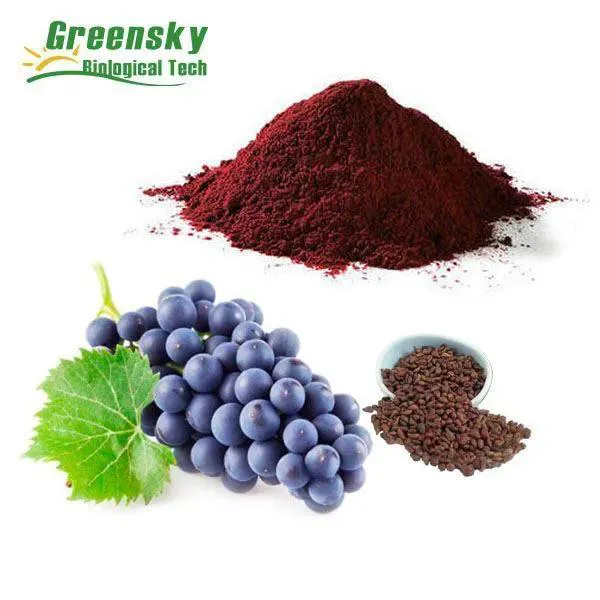
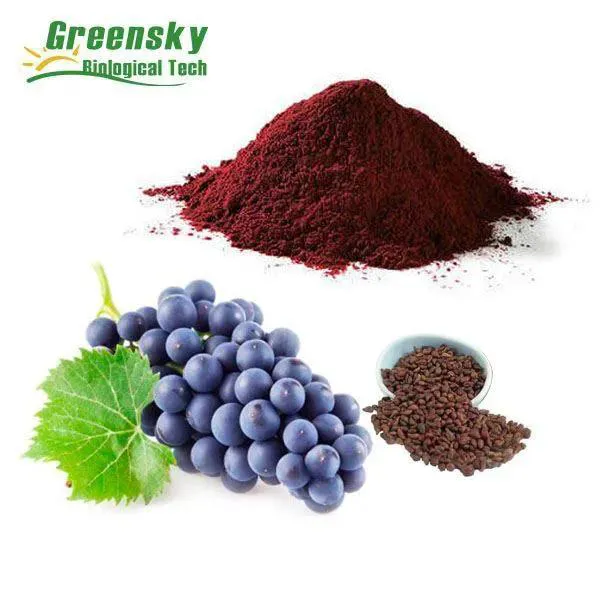
Grape Seed Extract is prized for its high concentration of proanthocyanidins, a family of powerful antioxidants that help counter oxidative stress and support cardiovascular health. But these same compounds are delicate. Light, heat, oxygen, and moisture can quietly strip away their potency, which means how you store the extract matters almost as much as how you use it. Here is a practical guide to keeping grape seed extract fresh and effective for as long as possible.
Why antioxidants are so easy to lose
The active molecules in Grape Seed Extract, mainly proanthocyanidins, are polyphenols that react readily with the environment. Prolonged sunlight degrades them through photodegradation, warm temperatures speed up chemical breakdown, oxygen triggers oxidation, and lingering humidity encourages moisture uptake and even microbial growth. Each of these factors on its own is enough to lower the antioxidant value of the powder. In practice, a bottle exposed to all of them can visibly darken and lose its characteristic astringency within a short time, which is usually a sign that the active content has already dropped.
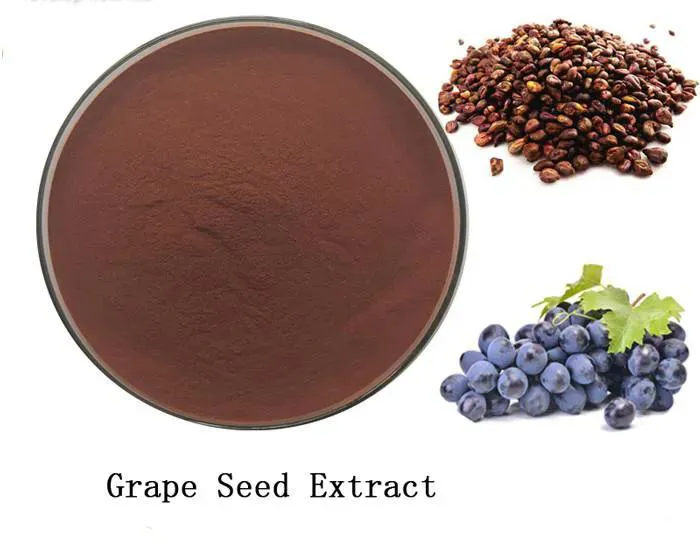
Store it away from heat
Temperature is the first thing to control. A cool, stable temperature between 15 and 25℃ (59 to 77℉) is ideal for most products at home. Avoid warm spots such as kitchen counters above the stove, sunny windowsills, or cars during summer. High heat can degrade proanthocyanidins noticeably. For bulk grape seed extract powder kept in commercial packaging, keeping the whole container in a consistently cool area is even more important, since larger quantities spend more time in storage before they are used.
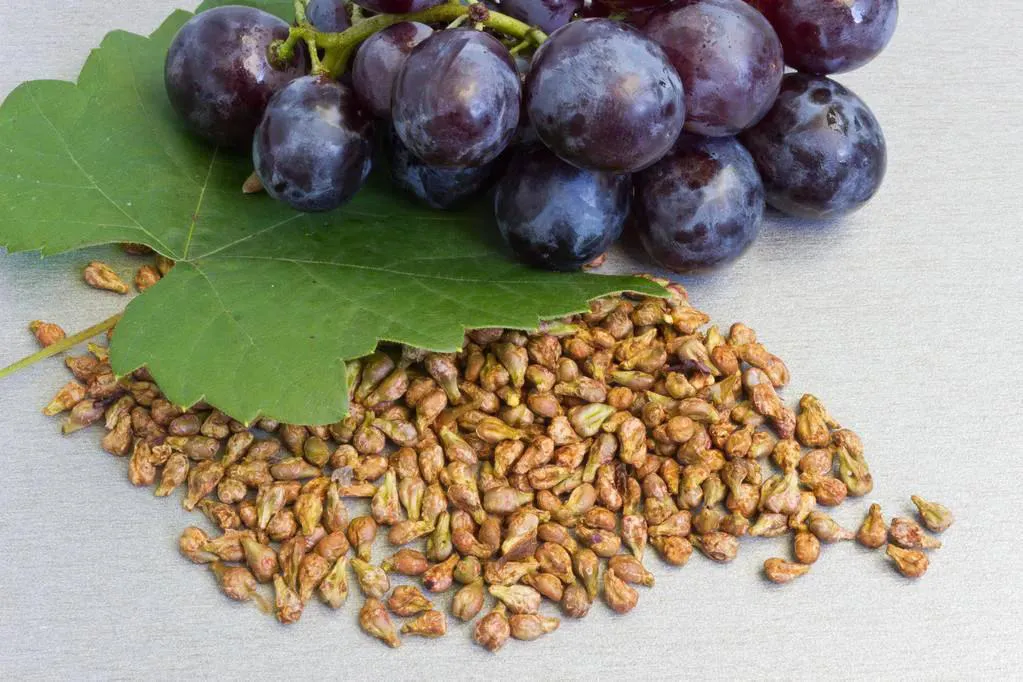
Shield it from light
Proanthocyanidins are photosensitive, which means visible light, especially direct sunlight, can break them down over time. That is why quality products are typically supplied in amber or dark coloured bottles. At home, keep the container in a dark cabinet or drawer rather than leaving it on display. If you transfer the powder to another container, keep it amber glass rather than clear plastic so the contents stay protected every time you open the cupboard.
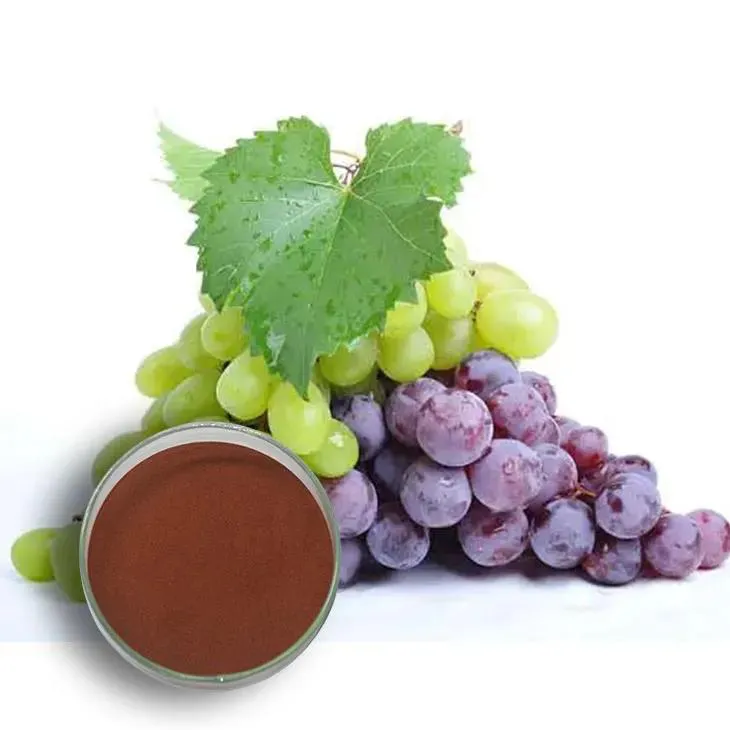
Keep humidity low
Moisture is a hidden enemy of powdered extracts. Once atmospheric water seeps in, it can make the powder clump and, in humid conditions, encourage mould or bacteria. A relative humidity below 60 percent is generally recommended, and many manufacturer guidelines recommend an even drier target. Keep the container tightly closed, avoid storing it in the bathroom or near a kettle, and do not scoop with a wet spoon. In consistently damp climates, a small food-grade drying packet inside the outer packaging can help, as long as it never touches an ingestible part of the product.
Limit contact with oxygen
Oxygen causes oxidation, and once the seal is broken the extract becomes far more vulnerable. Reseal the container tightly after each use, pressing out as much air as possible before closing. For tablets and capsules, keep blisters or bottles closed between doses. If you buy in bulk and portion out small amounts for daily use, keep the main stock sealed and only open smaller working jars. This one habit preserves the antioxidant capacity of the extract far longer than leaving the lid loose between scoops.
A few simple rules for long-term storage
When you need to store Grape Seed Extract for several months, combine every safeguard. Keep it cool and out of direct sunlight, in a sealed container, in a dry room, and away from strong-smelling substances that could be absorbed by a hygroscopic powder. Most brands expect a properly stored product to stay within its specification for around 24 months from the date of manufacture. Following these rules is the surest way to reach that window while keeping the antioxidants intact.
How to tell if the extract has deteriorated
No matter how careful you are, it helps to know the warning signs. A noticeable darkening of the powder, a rancid or off smell instead of the usual mild, slightly fruity note, and clumping or a change in texture all point to degradation. If any of these appear, the antioxidant value has likely fallen and the product is better replaced, especially if it is also past its labelled date. When buying in bulk, checking the certificate of analysis and the lot batch stored under controlled conditions gives the clearest picture of freshness.
Choosing a reliable source matters too
Storage begins before a product ever reaches your shelf. Reputable grape seed extract manufacturers and suppliers protect the extract through careful production and packaging, using airtight, light-blocking materials and strict quality control. Greensky, a professional plant extract manufacturer founded in 2004, supplies grape seed extract and other botanical ingredients under certified food-grade and GMP conditions, with export documentation supporting global regulatory submissions. Starting with a well-protected product, and then storing it correctly, gives you the best chance of preserving every antioxidant it has to offer.
Conclusion
The antioxidant power of grape seed extract is real, but it is also fragile. Keeping the product cool, dark, dry, and sealed protects the proanthocyanidins from the exact forces that erode them. Whether you use a small bottle at home or store bulk powder as a business buyer, a few consistent storage habits will help you get the full benefit from your grape seed extract, batch after batch.
FAQ
Q1: Should grape seed extract be refrigerated?
Usually not. A cool room between 15 and 25℃ is sufficient. Freezing is unnecessary and can alter the texture of the powder after repeated opening, so a dark, dry cupboard is generally the better choice.
Q2: How long does grape seed extract last after opening?
Once opened, the extract is exposed to air and moisture and should ideally be used within a few months. Keep the lid tight between uses. The overall shelf life is around 24 months when properly stored, but the clock starts moving faster once the seal is broken.
Q3: Can I store grape seed extract in a clear glass jar?
You can, but clear glass lets light reach the powder. An amber or other opaque container is better because it protects the photosensitive proanthocyanidins from photodegradation.
Q4: What humidity is safe for storing grape seed extract?
Keep the environment below 60 percent relative humidity, and drier is better. High humidity can make the powder clump and encourage mould growth, so a dry, sealed container is essential.
Q5: Why does grape seed extract turn darker over time?
Darkening usually indicates oxidation or light exposure. If the powder has changed colour, developed an off smell, or clumped, its antioxidant content has likely fallen, and it is best replaced.
- ▶ Hesperidin
- ▶ Citrus Bioflavonoids
- ▶ Plant Extract
- ▶ lycopene
- ▶ Diosmin
- ▶ Grape seed extract
- ▶ Sea buckthorn Juice Powder
- ▶ Fruit Juice Powder
- ▶ Hops Extract
- ▶ Artichoke Extract
- ▶ Mushroom extract
- ▶ Astaxanthin
- ▶ Green Tea Extract
- ▶ Curcumin
- ▶ Horse Chestnut Extract
- ▶ Other Product
- ▶ Boswellia Serrata Extract
- ▶ Resveratrol
- ▶ Marigold Extract
- ▶ Grape Leaf Extract
- ▶ New Product
- ▶ Aminolevulinic acid
- ▶ Cranberry Extract
- ▶ Red Yeast Rice
- ▶ Red Wine Extract
- ▶ blog
-
Scutellaria Extract
2026-08-17
-
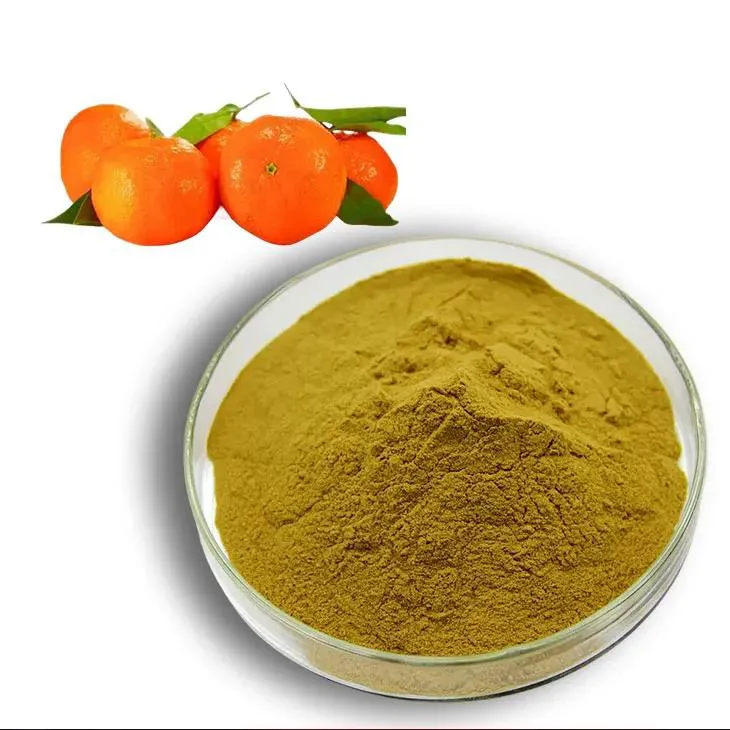
Citrus bioflavonoids
2026-08-17
-
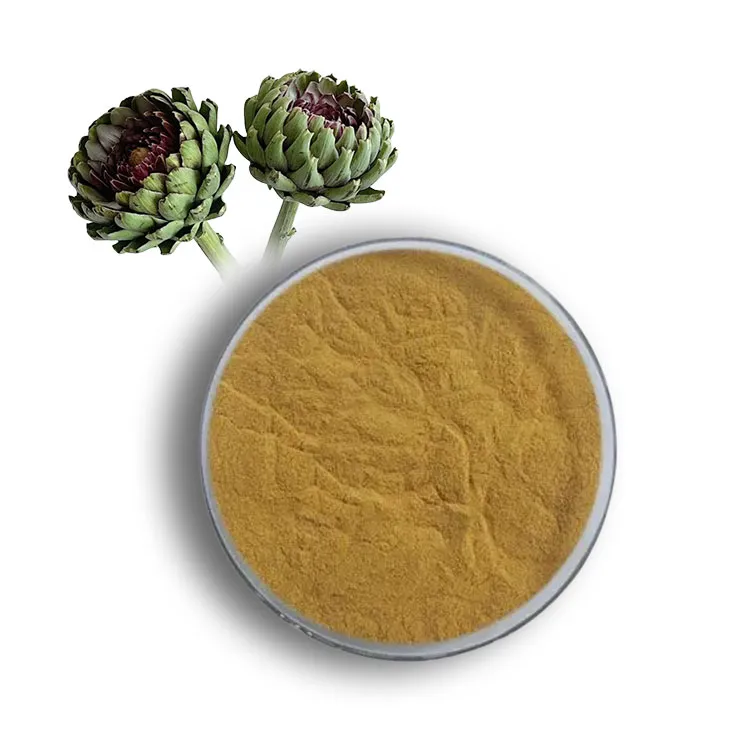
Artichoke Leaf Extract
2026-08-17
-
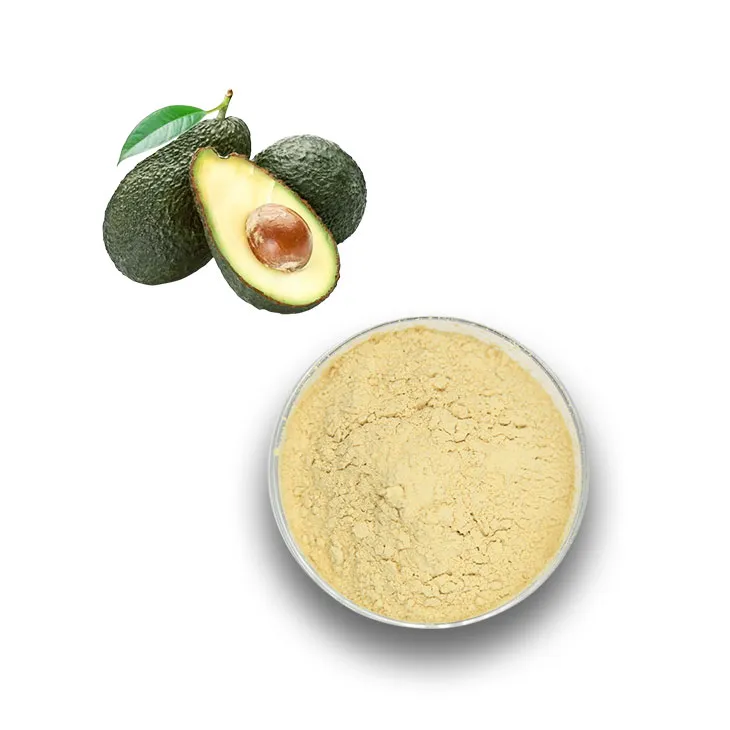
Avocado Extract Powder
2026-08-17
-
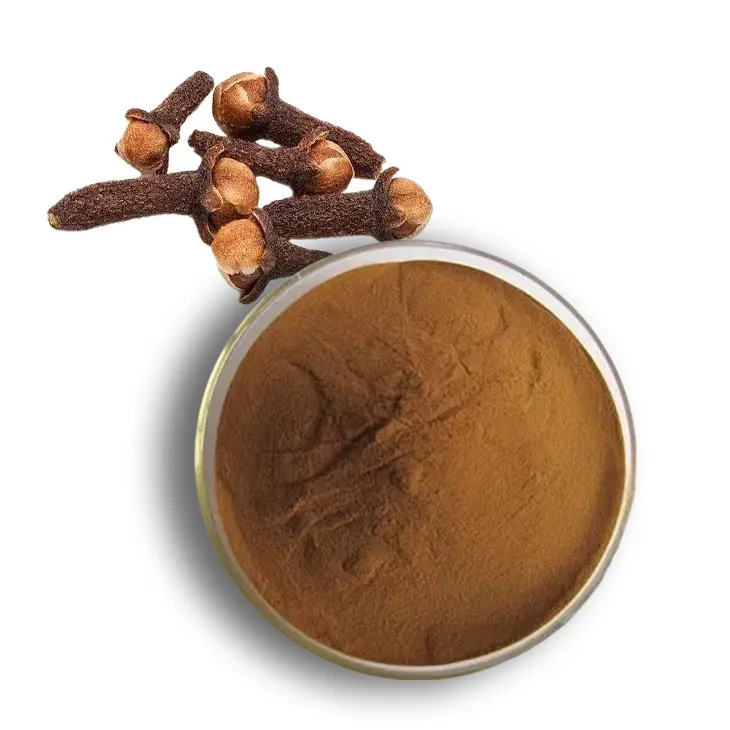
Clove Powder
2026-08-17
-
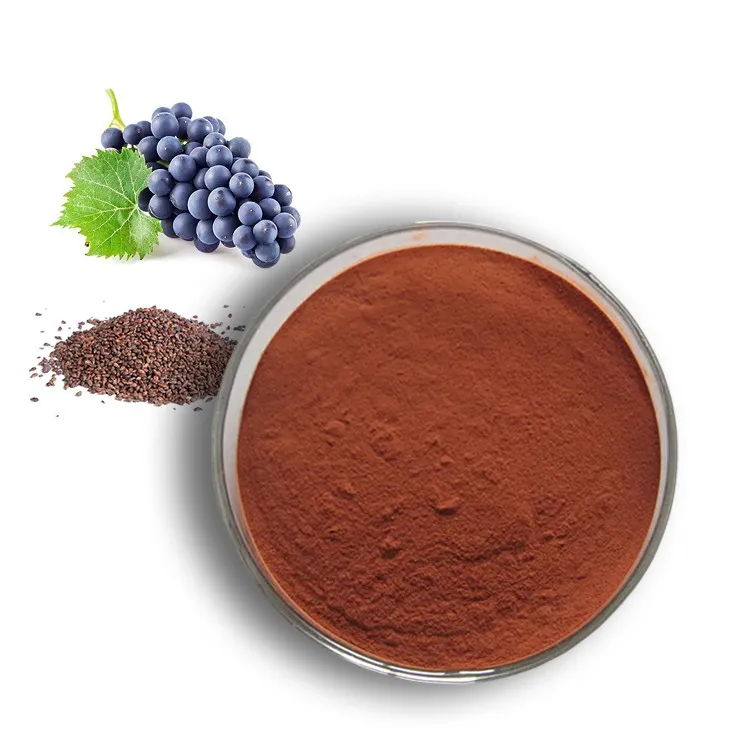
Natural grape seed extract
2026-08-17
-
Konjac Powder
2026-08-17
-
Grapefruit Seed Extract Powder
2026-08-17
-
Epimedium extract powder
2026-08-17
-
Quercetin
2026-08-17
