- 0086-571-85302990
- [email protected]





How much lycopene is in tomato juice?
2026-08-14
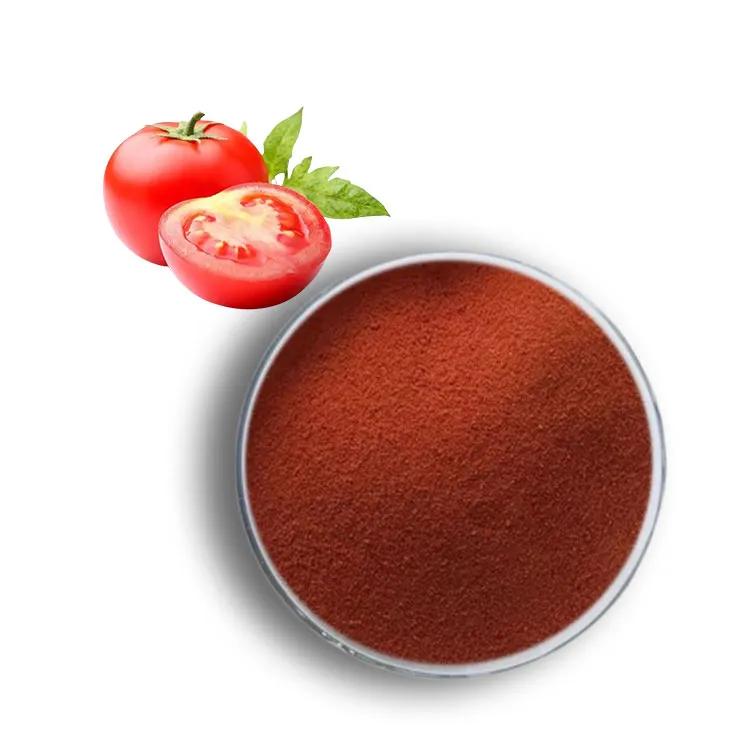
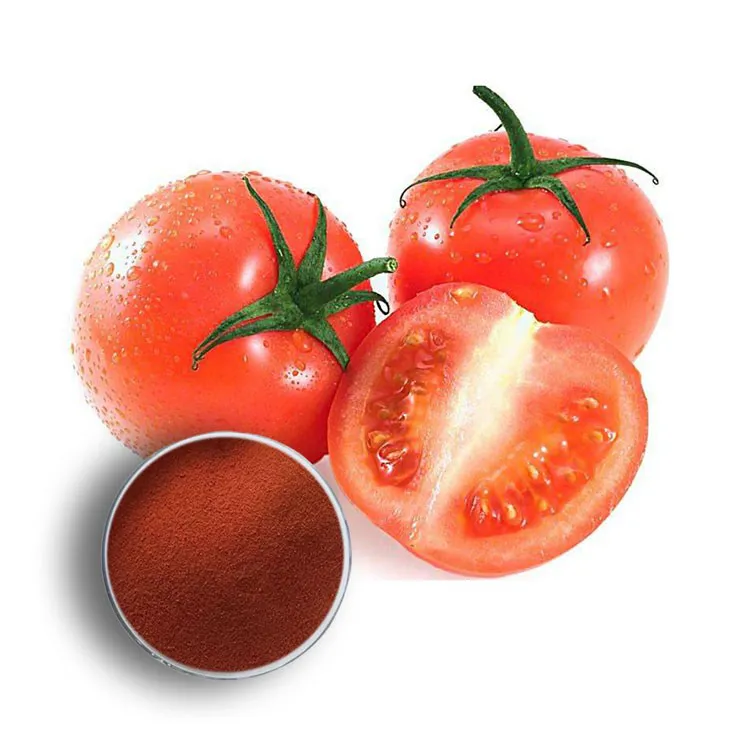
If you have ever wondered whether that glass of tomato juice is actually doing anything for you, you are not alone. Tomato juice is one of the most popular ways people try to get more Lycopene into their diet, and for good reason. It is convenient, it tastes good, and it delivers a serious amount of this powerful antioxidant. But how much Lycopene is actually in tomato juice? Let us look at the numbers.
The short answer
A standard 240 ml (8 oz) glass of tomato juice contains roughly 20 to 25 mg of Lycopene. According to the USDA National Nutrient Database, one cup of canned tomato juice provides about 22 mg of lycopene. That works out to roughly 9 to 10 mg per 100 ml, which makes tomato juice one of the most concentrated lycopene sources you can drink.
How tomato juice compares to other tomato products
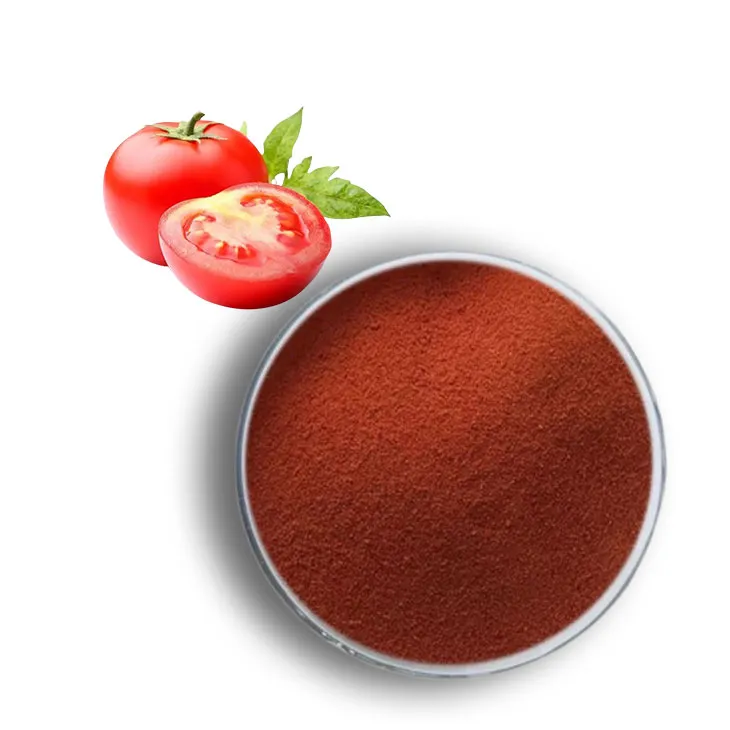
Tomato juice is not the only way to get lycopene from tomatoes. Here is how it stacks up against other common products, based on published nutrition data:
| Product | Lycopene (mg per 100 g) |
|---|---|
| Tomato juice | 9-10 |
| Fresh tomatoes | 5.6 |
| Tomato ketchup | 16 |
| Tomato paste | 42 |
| Spaghetti sauce | 22 |
As you can see, concentrated products like tomato paste pack far more lycopene per gram than juice. But because you typically drink a larger volume of juice in one sitting, a single glass still delivers a meaningful dose.
Why the numbers vary
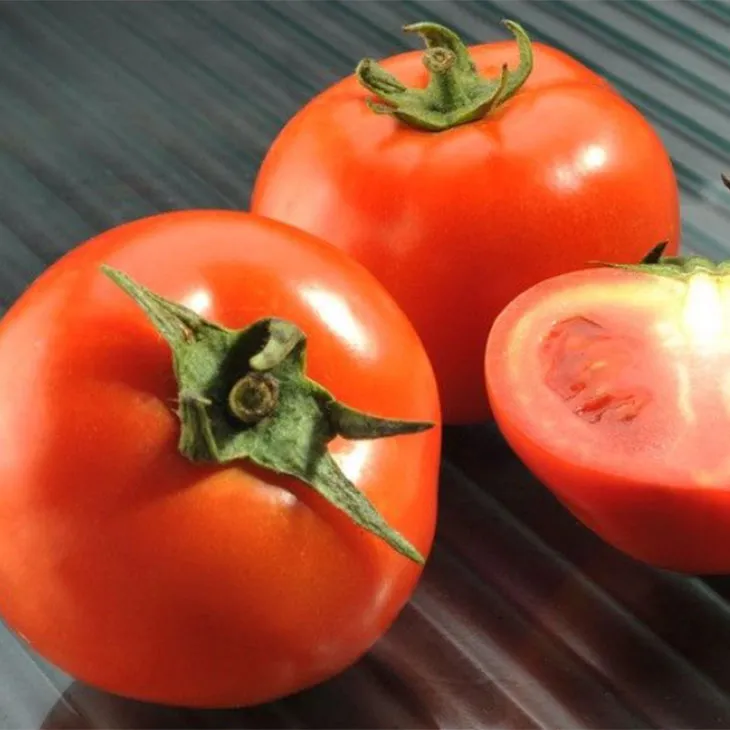
The lycopene content in tomato juice is not fixed. It depends on several factors:
- Tomato variety - some varieties are naturally richer in lycopene than others.
- Ripeness - fully ripe tomatoes contain more lycopene than under-ripe ones.
- Processing - heat processing releases more lycopene from the tomato cell walls, which is why processed juice often has higher levels than fresh tomatoes.
- Brand - different manufacturers use different blends and processing methods.
How much lycopene do you need?
There is no official daily recommended intake for lycopene, but many studies that report health benefits use amounts in the range of 10 to 30 mg per day. A single glass of tomato juice can cover a good portion of that range, which is one reason it is such a popular choice.
How to get the most from your tomato juice
Lycopene is fat-soluble, which means your body absorbs it better when it is consumed with a little fat. Adding a splash of olive oil to your tomato juice, or drinking it alongside a meal that contains healthy fats, can noticeably improve absorption. Processed tomato juice is also absorbed better than fresh tomatoes because the heat treatment makes the lycopene more available.
Why lycopene matters
Lycopene is best known as a powerful antioxidant. It helps protect cells from oxidative damage, and research has linked higher lycopene intake with better cardiovascular health, stronger immunity, and protection for the eyes. It is also the pigment that gives tomatoes their bright red color.
When tomato juice is not enough
If you are looking for a more concentrated and consistent way to get lycopene, a lycopene supplement might be a better fit. High-quality lycopene extract is produced from tomatoes and standardized to deliver a precise dose, which is hard to guarantee from food alone. For formulators and brands, working with an experienced lycopene manufacturer ensures a reliable, consistent supply that meets quality and regulatory requirements.
Conclusion
A glass of tomato juice delivers roughly 20 to 25 mg of lycopene, making it one of the most practical dietary sources of this antioxidant. Whether you get your lycopene from juice, cooked tomatoes, or a supplement, the key is consistency. And if you are in the business of making supplements or functional foods, choosing the right lycopene supplier makes all the difference.
- ▶ Hesperidin
- ▶ Citrus Bioflavonoids
- ▶ Plant Extract
- ▶ lycopene
- ▶ Diosmin
- ▶ Grape seed extract
- ▶ Sea buckthorn Juice Powder
- ▶ Fruit Juice Powder
- ▶ Hops Extract
- ▶ Artichoke Extract
- ▶ Mushroom extract
- ▶ Astaxanthin
- ▶ Green Tea Extract
- ▶ Curcumin
- ▶ Horse Chestnut Extract
- ▶ Other Product
- ▶ Boswellia Serrata Extract
- ▶ Resveratrol
- ▶ Marigold Extract
- ▶ Grape Leaf Extract
- ▶ New Product
- ▶ Aminolevulinic acid
- ▶ Cranberry Extract
- ▶ Red Yeast Rice
- ▶ Red Wine Extract
- ▶ blog
-
Lemon Balm Extract
2026-08-14
-
Stevia Extract
2026-08-14
-
Green Tea Extract
2026-08-14
-
Hedyotis Diffusa Extract
2026-08-14
-
Saw Palmetto Extract
2026-08-14
-
Aguaje Extract
2026-08-14
-

Sea buckthorn oil
2026-08-14
-
Almond Extract Powder
2026-08-14
-
Passionflower Extract
2026-08-14
-
Buckthorn bark extract
2026-08-14