- 0086-571-85302990
- [email protected]





How much lycopene is in a tomato? (With lycopene content table)
2026-08-15
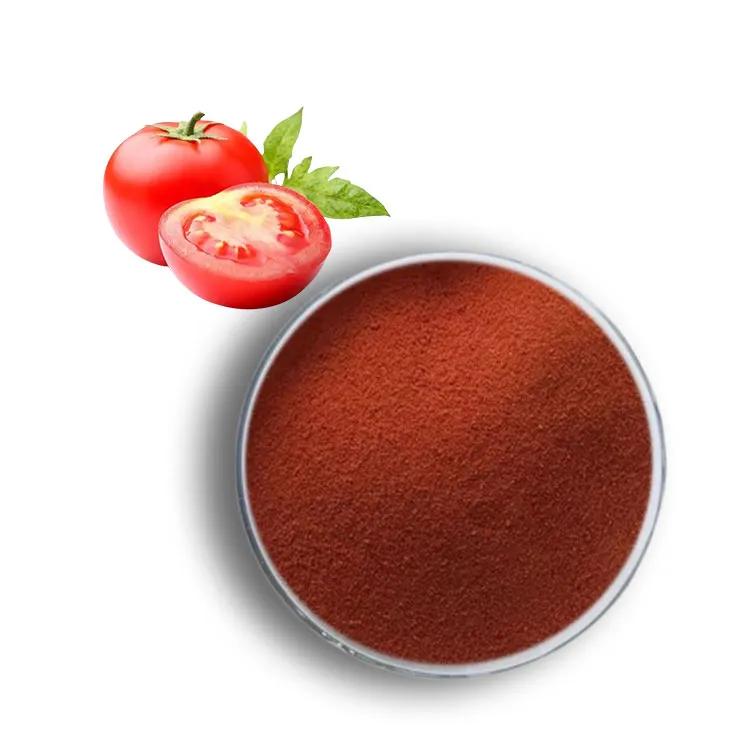
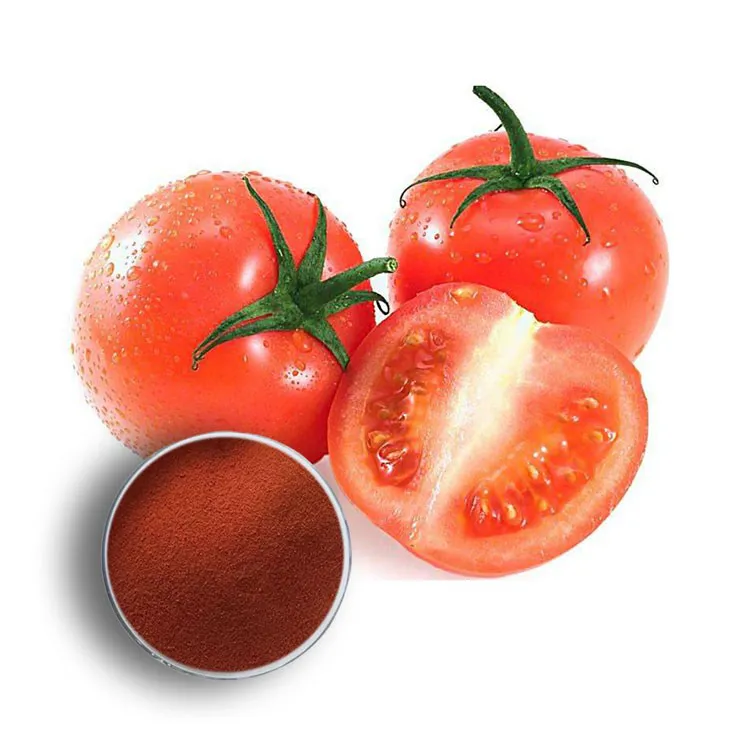
A medium fresh tomato typically contains roughly 3 to 5 mg of Lycopene, which works out to about 0.7 to 4.2 mg per 100 grams of fruit. The exact figure is never fixed, though. It swings with the variety, the ripeness at harvest, the soil, and the climate where the tomato was grown. That straightforward answer sits behind a much larger story, because the amount of Lycopene you actually get from a tomato depends heavily on how it is grown, ripened, and processed.
Lycopene is the red carotenoid pigment that gives tomatoes their colour, and it is one of the strongest natural antioxidants found in food. It is so closely tied to the fruit that more than 85% of the lycopene in a typical diet comes from tomatoes and tomato-based products. Understanding how much lycopene is in a tomato matters whether you are planning a healthier plate or sourcing raw material for the next generation of dietary supplements.
Why the amount varies from tomato to tomato
No two tomatoes are chemically identical. Ripeness is the single biggest driver. Lycopene builds up inside the fruit as it matures, which is why the colour deepens from pale orange to rich red over time. A fully ripe, deeply coloured tomato carries far more lycopene than one picked early and left to sit on a shelf. Beyond ripeness, the growing environment plays a real role: temperature, humidity, sun exposure, and even the health of the soil microbiome can shift lycopene production, with some studies reporting a 36% increase when the soil harbours favourable microbes.
Variety matters too. Greenhouse tomatoes, field-grown fruit, cherry types, and heirloom breeds all accumulate different amounts. As a practical rule, the deeper and more uniform the red, the more lycopene you can expect. This variability is exactly why food manufacturers and supplement brands demand standardized extracts rather than relying on the natural range of a single harvest.
Lycopene content across tomato forms
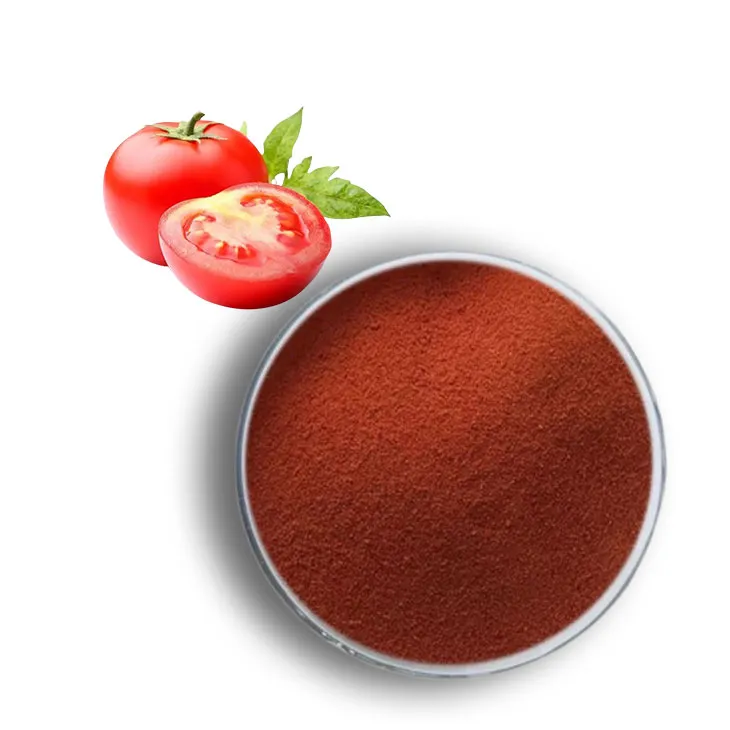
Processing concentrates lycopene and changes how well your body absorbs it. The table below shows typical values for fresh and processed tomato products.
| Tomato product | Lycopene content (mg / 100 g) |
|---|---|
| Fresh tomatoes | 0.72 – 4.2 |
| Cooked tomatoes | about 3.7 |
| Tomato sauce | about 6.2 |
| Tomato paste | 5.4 – 150 |
| Ketchup | 9.9 – 13.4 |
Notice that cooked and processed tomato products are not just more concentrated, they are more usable. Heat releases lycopene from the plant cell walls and converts the natural all-trans form into the cis isomer, which your body absorbs about 2.5 times more efficiently. So a spoonful of tomato paste can deliver more bioavailable lycopene than a much larger portion of raw tomato.
Getting the most from your tomatoes
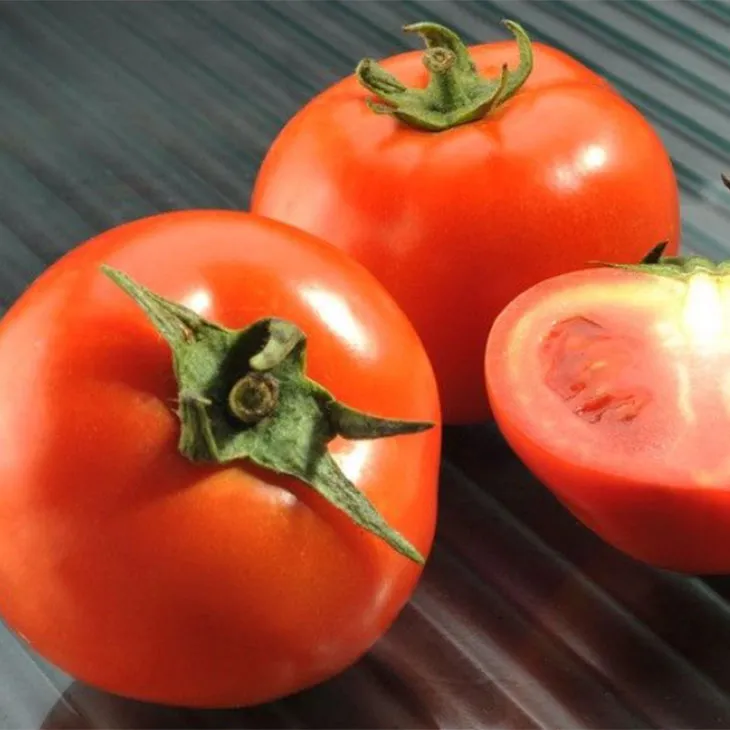
Lycopene is fat-soluble, which means a little oil dramatically improves absorption. Cooking tomatoes with olive oil, pairing them with avocado, or enjoying a tomato-based sauce alongside a fatty meal all help. Aim for deep-red fruit, cook gently with a source of fat, and remember that processed products such as paste and sauce are reliable, concentrated sources.
Why lycopene deserves a place in your routine
Lycopene is best known for its ability to support cardiovascular health, strengthen the immune system, and help protect the eyes from oxidative damage. As one of the most potent dietary antioxidants, it neutralises free radicals far more effectively than many other carotenoids, which is why it has been studied for everything from heart health to skin defence. Eating tomatoes regularly is a good start, but reaching a consistent, meaningful dose is easier with a dependable supplement.
Standardised lycopene for manufacturers
For brands looking to formulate a lycopene supplement or add this antioxidant to functional foods, consistent quality matters far more than the naturally variable levels found in fresh fruit. A reliable lycopene extract delivers a standardized, measurable dose that can be repeated batch after batch.
Hangzhou Greensky Biological Tech. Co., Ltd. is a manufacturer of natural plant extracts with more than 20 years of experience. Its independently tested lycopene is produced in a food-grade clean facility and supported by export documentation for global regulatory submissions, making it a solid partner for supplement and health-ingredient companies in Europe, the United States, South Korea, and beyond.
So, how much lycopene is in a tomato? The honest answer is a few milligrams per hundred grams, depending on how you choose it and prepare it. When you want a guaranteed daily dose, a standardized lycopene extract removes the guesswork entirely.
TAGS:
- ▶ Hesperidin
- ▶ Citrus Bioflavonoids
- ▶ Plant Extract
- ▶ lycopene
- ▶ Diosmin
- ▶ Grape seed extract
- ▶ Sea buckthorn Juice Powder
- ▶ Fruit Juice Powder
- ▶ Hops Extract
- ▶ Artichoke Extract
- ▶ Mushroom extract
- ▶ Astaxanthin
- ▶ Green Tea Extract
- ▶ Curcumin
- ▶ Horse Chestnut Extract
- ▶ Other Product
- ▶ Boswellia Serrata Extract
- ▶ Resveratrol
- ▶ Marigold Extract
- ▶ Grape Leaf Extract
- ▶ New Product
- ▶ Aminolevulinic acid
- ▶ Cranberry Extract
- ▶ Red Yeast Rice
- ▶ Red Wine Extract
- ▶ blog
-
Reishi mushroom extract
2026-08-15
-
Saffron Extract Powder
2026-08-15
-
Nettle Root Extract
2026-08-15
-
Black Garlic Extract
2026-08-15
-
Wheat Germ Extract
2026-08-15
-
Golden Seal Extract
2026-08-15
-
Konjac Powder
2026-08-15
-
American Ginseng Root Extract
2026-08-15
-
Clove Powder
2026-08-15
-
Moringa powder
2026-08-15