We have five factories and 23 years of experience in plant extracts
- 0086-571-85302990
- [email protected]






How much does wholesale moringa powder cost per kilogram?
2026-08-13
Related Product
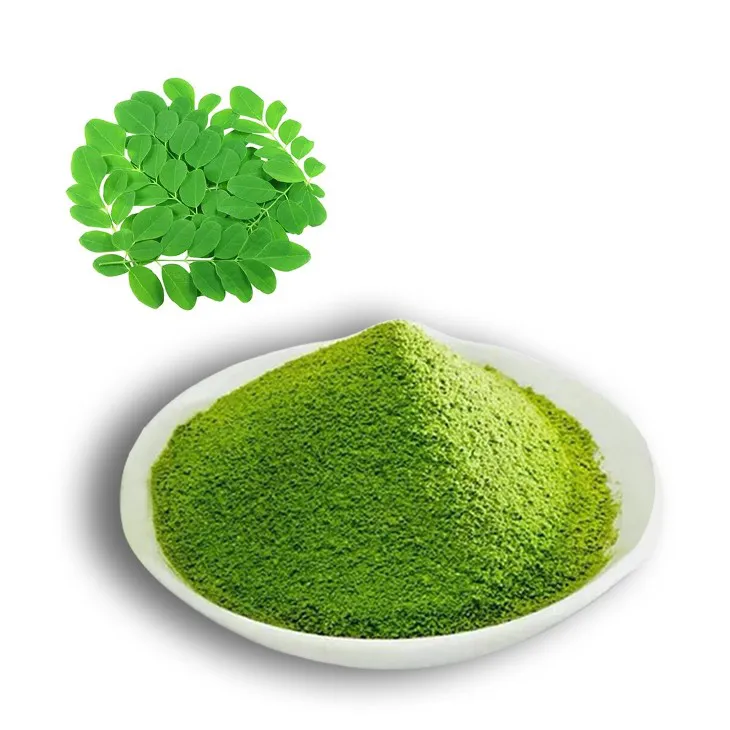
Moringa powder
We are the top moringa powder manufacturer and also the primary supplier and exporter of moringa powder. We excel in delivering natural and organic moringa powder tailored to your needs.
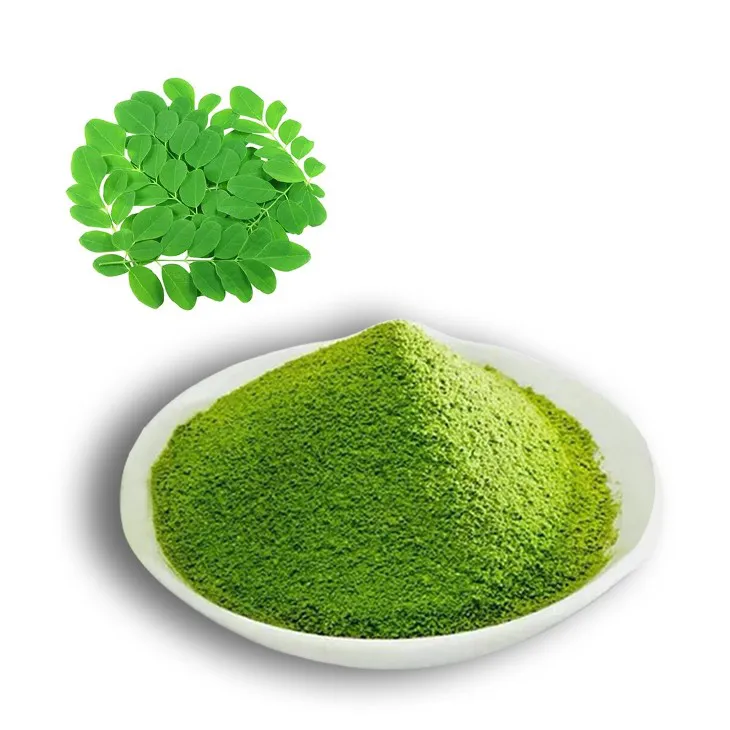
If you are sourcing moringa leaf powder for a supplement brand, a food factory, or a wellness company, the first question on your list is almost always the same: how much does wholesale Moringa powder actually cost per kilogram? The honest answer is that there is no single fixed number, but a realistic working range for bulk orders is roughly US$5 to US$40 per kilogram, and most food-grade lots from established manufacturers fall between US$10 and US$30 per kilogram. What you pay depends on several concrete factors, and understanding them helps you avoid overpaying or, worse, buying a batch that fails quality checks.
A realistic wholesale price range for Moringa powder
Across international wholesale marketplaces, moringa leaf powder is listed in a wide band. Lower-cost listings, often conventional (non-organic) powder with a minimum order of a few hundred kilograms, can start around US$5 to US$10 per kilogram. Mid-range food-grade powder with reliable testing and reasonable documentation typically sits near US$10 to US$20 per kilogram. Certified organic powder, or powder meeting strict pharmaceutical and food specifications with premium processing, can reach US$20 to US$40 per kilogram. The wide spread is normal, and it reflects the different cost structures behind each product.
It is also worth noting that these figures are for bulk, wholesale purchasing. Retail prices at the consumer shelf are far higher because they include packaging, branding, distribution, and retail margins. When you compare prices, always confirm that you are looking at a bulk, per-kilogram wholesale quote rather than a small-format retail unit price.
What actually drives the price of Moringa powder
Several distinct factors move the per-kilogram price, and it is helpful to weigh each one before requesting a quote.
1. Organic versus conventional
Organic-friendly certifications such as USDA Organic, EU Organic, and IFOAM-recognized standards add a clear premium because the raw leaves must come from certified organic farms and pass additional verification. If your market requires an organic claim, this is a necessary cost, not an avoidable one.
2. Quality specifications and extraction ratio
A plain ground-leaf powder is different from a standardized extract. Conventional dried leaf powder is generally the most economical option. Standardized extracts, often labeled with ratios such as 10:1 or 20:1, are more concentrated, require more input raw material, and therefore cost more per kilogram. Particle size also matters: powder that passes a fine 80 or 100 mesh screen is more uniform and blends better in capsules and beverages, and finer milling tends to carry a small cost premium.
3. Certifications and documentation
Food and supplement manufacturers routinely ask for certificates of analysis, hygienic production standards, and quality management systems. Suppliers who hold robust certifications such as ISO, HACCP, Kosher, and Halal, and who can issue complete export documentation, charge more than unstructured suppliers. That added cost buys traceability and reduces the risk of a rejected shipment, which is usually far more expensive than the price difference.
4. Order volume and packaging
Unit price drops as volume grows. A trial order of a few kilograms naturally costs more per kilogram than a full drum or pallet order. Packaging choices, such as vacuum-sealed bags, food-grade drums, or custom branded retail packaging for direct distribution, also affect the final figure. Tell the supplier your expected annual volume and preferred packaging so the quote reflects your real situation.
5. Sourcing region and supply stability
Moringa grows in tropical and subtropical regions, and the same raw quality can carry different prices depending on harvest season, logistics distance, and how vertically integrated the producer is. A manufacturer that controls its own sourcing and processing is better positioned to keep both price and quality stable than a trader who simply resells powder.
Why price alone should never decide your supplier
The lowest price per kilogram is not automatically the best value. A very cheap batch may have inconsistent particle size, poor microbiological results, weak documentation, or unstable supply, all of which can disrupt your production line and your regulatory filings. Experienced buyers evaluate three things together: price, quality evidence, and supplier reliability. Insist on a certificate of analysis for the specific batch you are quoted, ask about the production date and shelf life, and confirm the supplier can document the origin of the raw material.
Equally important is consistency over time. If you plan to launch a product and reorder regularly, the supplier must be able to reproduce the same specification batch after batch. This is where a manufacturer with an in-house laboratory and stable raw material sourcing has a real advantage over a middleman.
Working with a capable moringa powder manufacturer
When you are ready to compare official quotes, look for a wholesale moringa powder supplier that can support the full picture, not just a single drum. A reliable moringa powder manufacturer should offer food-grade production, batch-to-batch testing, and export documentation for international regulatory submissions. This is exactly the kind of capability that a vertically integrated producer brings to the table.
Greensky, a Hangzhou-based manufacturer active since 2004, produces natural plant extracts and health product raw materials with full control over research, development, production, and sales. Its production sites maintain a 100,000-class clean area that meets food-grade requirements, and its independent laboratory is equipped with instruments such as GC, HPLC, and UV for routine quality verification. The company holds a broad set of certifications including ISO22000, BRCGS, Ecocert Organic Standard, SGS-GMP, ISO9001, HALAL, and Kosher, and it supplies export-documented materials to markets in Europe, the United States, South Korea, and Russia. For buyers sourcing bulk moringa powder as a raw ingredient, this combination of clean production, in-house testing, and certification depth is precisely what protects product consistency and downstream compliance.
Six questions to ask any moringa powder supplier
Before you commit to a supplier, ask for clear answers on these points so the quoted price is meaningful:
1. What is the exact specification, particle size, and extraction ratio of the powder quoted?
2. Can you provide a certificate of analysis for the specific batch, including microbiological and heavy-metal results?
3. Is the product organic or conventional, and which certifications does the facility actually hold?
4. What are the minimum order quantity and the price tiers for larger volumes?
5. What packaging and shelf-life options are available, including bulk and custom retail formats?
6. Can you support OEM customization such as capsules, tablets, or branded sachets if needed later?
Getting an accurate quote for your situation
The most reliable way to know what wholesale moringa powder will cost you is to request quotes with your real specifications in hand. State your target quality level, expected annual volume, packaging preference, and intended market, because each of these changes the number. A reputable supplier will respond with a detailed quotation that ties the price to specific specifications rather than a vague range, and will be willing to share documentation and samples to back up the figure.
Comparing a few such quotes, each tied to clear specifications, gives you a defensible budget and a strong negotiating position. In short, budget for roughly US$10 to US$30 per kilogram for reliable food-grade wholesale moringa powder, expect a premium for certified organic or standardized extract versions, and always weigh quality evidence and supplier reliability alongside the price. That combination is what turns a low unit cost into a genuinely good deal.
TAGS:
FAQ
- ▶ Hesperidin
- ▶ Citrus Bioflavonoids
- ▶ Plant Extract
- ▶ lycopene
- ▶ Diosmin
- ▶ Grape seed extract
- ▶ Sea buckthorn Juice Powder
- ▶ Fruit Juice Powder
- ▶ Hops Extract
- ▶ Artichoke Extract
- ▶ Mushroom extract
- ▶ Astaxanthin
- ▶ Green Tea Extract
- ▶ Curcumin
- ▶ Horse Chestnut Extract
- ▶ Other Product
- ▶ Boswellia Serrata Extract
- ▶ Resveratrol
- ▶ Marigold Extract
- ▶ Grape Leaf Extract
- ▶ New Product
- ▶ Aminolevulinic acid
- ▶ Cranberry Extract
- ▶ Red Yeast Rice
- ▶ Red Wine Extract
- ▶ blog
Recommended Products
-
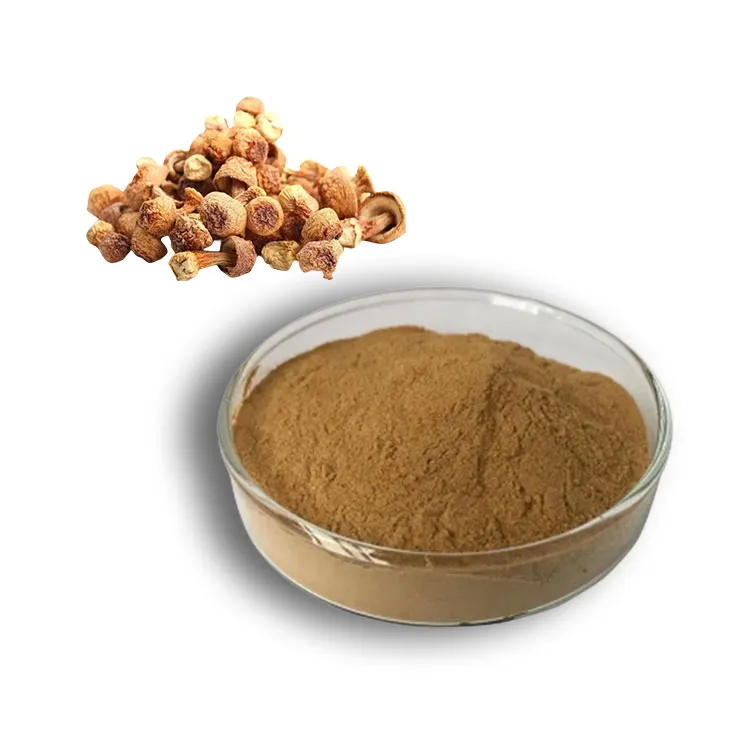
Agaricus Blazei Extract
2026-08-13
-
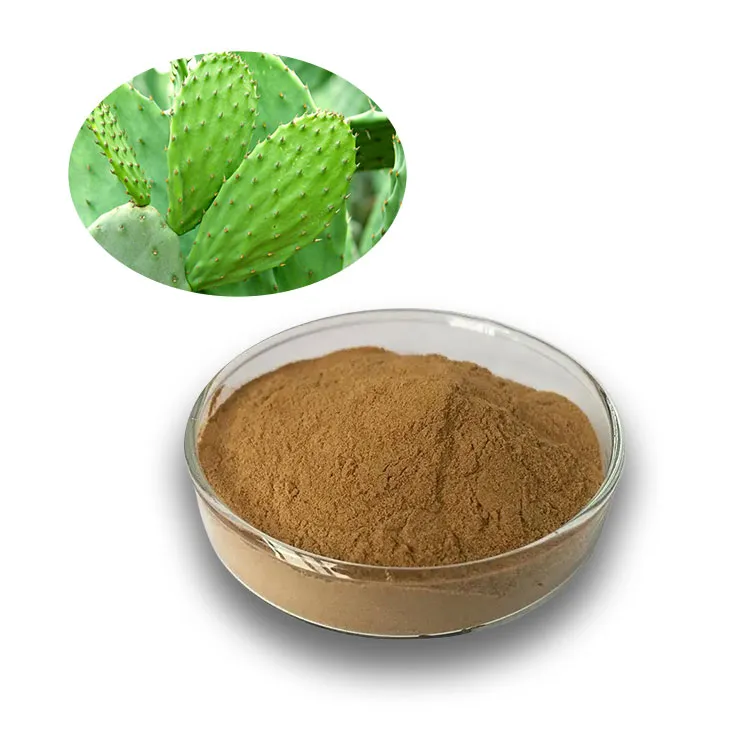
Cactus Extract
2026-08-13
-
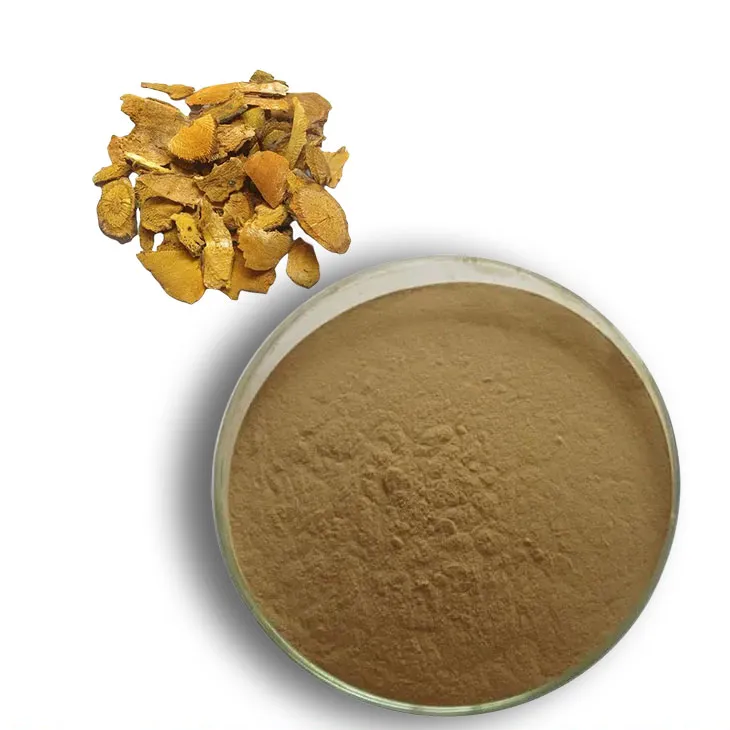
Polygonum Cuspidatum Extract
2026-08-13
-
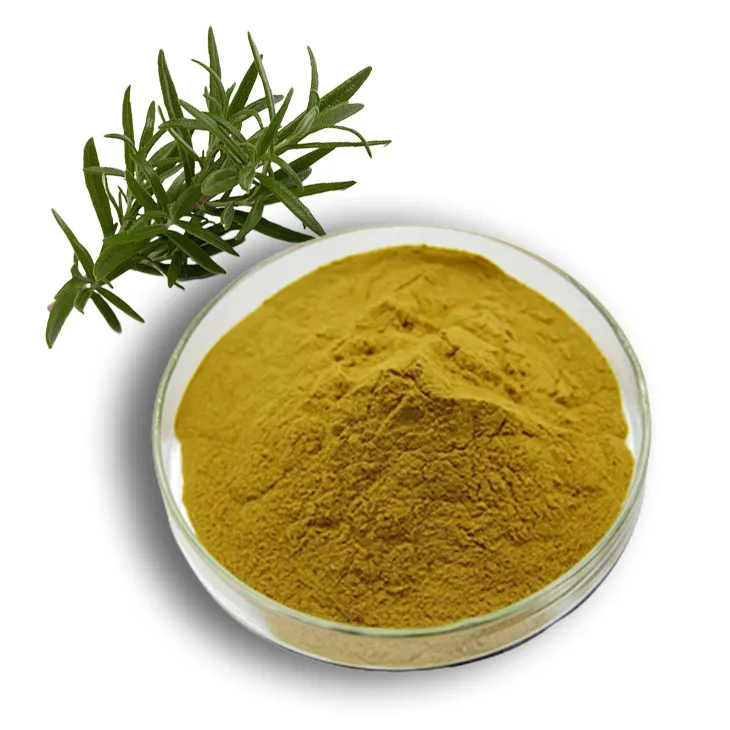
Rosemary extract
2026-08-13
-
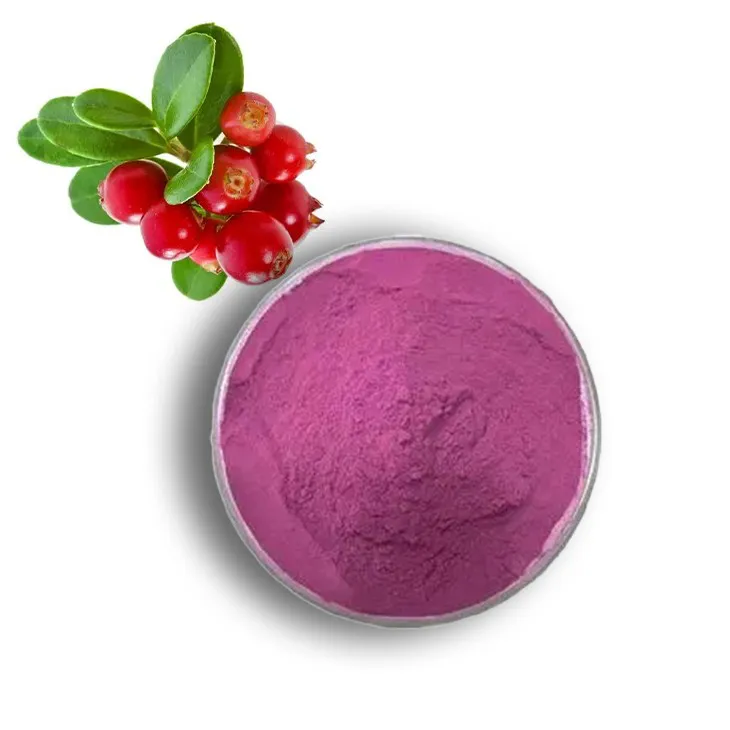
Europen Bilberry Extract
2026-08-13
-
Artichoke Extract
2026-08-13
-
Hesperidin
2026-08-13
-
Fig Extract
2026-08-13
-
Sophora Japonica Flower Extract
2026-08-13
-
Pueraria Lobata Extract
2026-08-13
Get a Quote
