- 0086-571-85302990
- [email protected]






How long does rosemary leaf extract for hair take to show results?
2026-08-15
If you have started using rosemary leaf extract for hair and are wondering when you will finally see a difference, the short answer is this: most people notice a change in three to six months of consistent use. It is not an overnight fix, and anyone who promises otherwise is selling something. Understanding the timeline, and why it looks the way it does, is the best way to stay patient and get the most out of a natural ingredient that actually has research behind it.
Hair is one of the slowest growing tissues in the body, and the benefits of any scalp treatment, natural or synthetic, only appear once the hair follicle has completed its own natural cycle. That is the real reason "how long" is such a common question, and it deserves a straight, practical answer.
The honest timeline: what to expect month by month
Set aside any idea of dramatic results in a week or two. A realistic picture, based on how the hair growth cycle actually works, looks like this:
- Month 1 to 2: You will probably not see visible changes. Some people even notice a little more shedding early on. This sounds alarming, but it is usually the scalp clearing out old resting-stage hairs to make room for new growth, and it settles down.
- Month 3 to 4: Shedding starts to slow and the scalp feels calmer and less congested. New hairs are emerging, but they are still too short to change how your hair looks in the mirror.
- Month 5 to 6: This is when most people report visible results: improved density, fewer thin patches, and hair that simply has more body.
If you use a well-standardized product consistently for six months and still see no improvement, it is worth checking in with a dermatologist, because some causes of hair loss need medical attention rather than a botanical ingredient alone.
Why results take so long in the first place
Hair grows in three phases: the anagen (active growth) phase, which lasts roughly two to seven years; the catagen (transition) phase of two to three weeks; and the telogen (rest and shed) phase of about three months. When you begin applying Rosemary extract, the follicles sitting in the resting phase have to finish that cycle before they can re-enter a healthy active phase. That is why no ingredient, however effective, produces fast results.
Within that longer cycle, rosemary works in a few specific ways. The rosmarinic and carnosic acids in the plant are antioxidants that shield follicle cells from oxidative stress, one of the drivers of follicle miniaturization. Rosemary also acts as a mild vasodilator, helping blood carry more oxygen and nutrients to the scalp, and it has anti-inflammatory properties that keep the scalp environment favourable for growth. Some research also points to an ability to inhibit an enzyme linked to the hormone-driven thinning behind pattern hair loss.
What the research actually shows
The most frequently cited study, published in 2015, compared rosemary oil with a 2% minoxidil solution in one hundred participants with pattern hair loss over six months. By the end of the trial, both groups showed a significant increase in hair count, with no statistical difference between the two, while the rosemary group reported fewer scalp-irritation side effects. It is a useful reference point because it tested a consistent, twice-daily routine over exactly the kind of long window we are talking about.
What determines whether you see results faster
The timeline is fairly fixed, but how well the ingredient works within that window depends on a few things you control.
- Quality of the extract. The active compounds only do their job if they are present in meaningful amounts. A concentrated, standardized extract delivers far more than a weak infusion, which is why so many formulators and brands choose a properly produced raw material rather than a homemade rosemary water.
- Consistency. The study that showed results used application twice a day, every day, for six months. Using a product once a week or only when you remember will not reproduce those results.
- Overall scalp and lifestyle care. Hair growth also depends on adequate protein, iron and zinc intake, sleep, stress management and general scalp hygiene. Rosemary is a strong helper, but it does not compensate for a poor diet or chronic stress.
- How you apply it. A two-to-three minute scalp massage while applying the product improves absorption and adds a gentle circulation boost of its own.
Choosing a rosemary product that actually works
The form matters less than the concentration behind it. Essential oil is the most concentrated and is the form used in the 2015 study, but it must be diluted in a carrier oil and can be greasy and fiddly to dose. A shampoo with a genuine, significant dose of Rosemary extract is the most practical route for most people, because it slips into an existing routine and encourages the long-term consistency that results depend on. Whatever form you pick, the key is to check that rosemary appears high on the ingredient list and that the product uses a real extract rather than a token amount of the plant.
A note for brands and formulators
If you are developing a hair product and want to build it around rosemary extract, the raw material you start with sets the ceiling for how well the finished product can perform. Sourcing from an experienced rosemary extract supplier with consistent quality, documented production and the right certificates makes it far easier to hit a reliable concentration batch after batch. A manufacturer that produces the extract itself, rather than repackaging a third-party powder, can offer the stability and traceability that a finished hair-care brand needs to stand behind its label claims.
Frequently asked questions
Can I use Rosemary extract every day? Many people do well using it several times a week or daily, depending on tolerance. Always do a small patch test first and stop if any irritation appears.
Is rosemary as effective as minoxidil? In the 2015 head-to-head study, rosemary performed comparably to 2% minoxidil over six months, with fewer itch and irritation complaints. It is, however, a natural ingredient, so results still depend heavily on consistency and the underlying cause of the hair loss.
Does rosemary work for every type of hair loss? The strongest evidence is for pattern hair loss. For shedding caused by stress, hormonal changes or nutritional gaps, it is important to address the underlying cause as well.
What happens if I stop using it? Unlike minoxidil, rosemary is not strongly associated with a rapid rebound shed when stopped. But if you stop caring for the scalp altogether, it will eventually return to its previous state.
The bottom line
Rosemary is one of the few botanical ingredients for hair with genuine scientific support, but it works on the body's own timeline. Count on three months before you can reasonably look for early changes and allow up to six months before judging the full result. Choose a product with a meaningful, consistent dose, use it regularly, take care of your diet and scalp, and give it the time it needs. Treated that way, rosemary leaf extract for hair is a realistic and worthwhile addition to any hair-care routine.

- ▶ Hesperidin
- ▶ Citrus Bioflavonoids
- ▶ Plant Extract
- ▶ lycopene
- ▶ Diosmin
- ▶ Grape seed extract
- ▶ Sea buckthorn Juice Powder
- ▶ Fruit Juice Powder
- ▶ Hops Extract
- ▶ Artichoke Extract
- ▶ Mushroom extract
- ▶ Astaxanthin
- ▶ Green Tea Extract
- ▶ Curcumin
- ▶ Horse Chestnut Extract
- ▶ Other Product
- ▶ Boswellia Serrata Extract
- ▶ Resveratrol
- ▶ Marigold Extract
- ▶ Grape Leaf Extract
- ▶ New Product
- ▶ Aminolevulinic acid
- ▶ Cranberry Extract
- ▶ Red Yeast Rice
- ▶ Red Wine Extract
- ▶ blog
-
Withania Somnifera Extract
2026-08-15
-
Buckthorn bark extract
2026-08-15
-
Centella Asiatica Extract
2026-08-15
-
Natural grape seed extract
2026-08-15
-
Apricot Powder
2026-08-15
-
Soy Extract
2026-08-15
-
Red Date Extract
2026-08-15
-
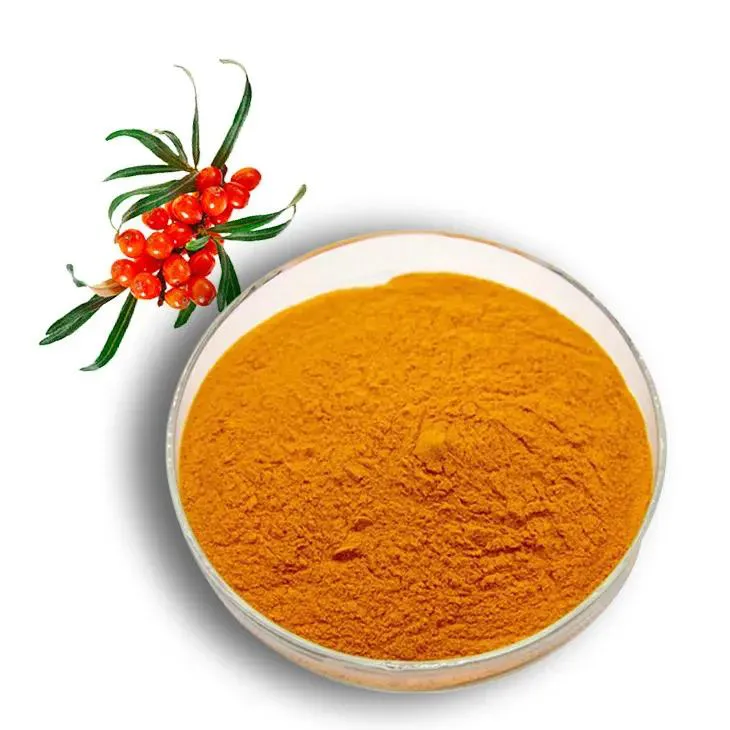
Sea buckthorn Juice Powder
2026-08-15
-
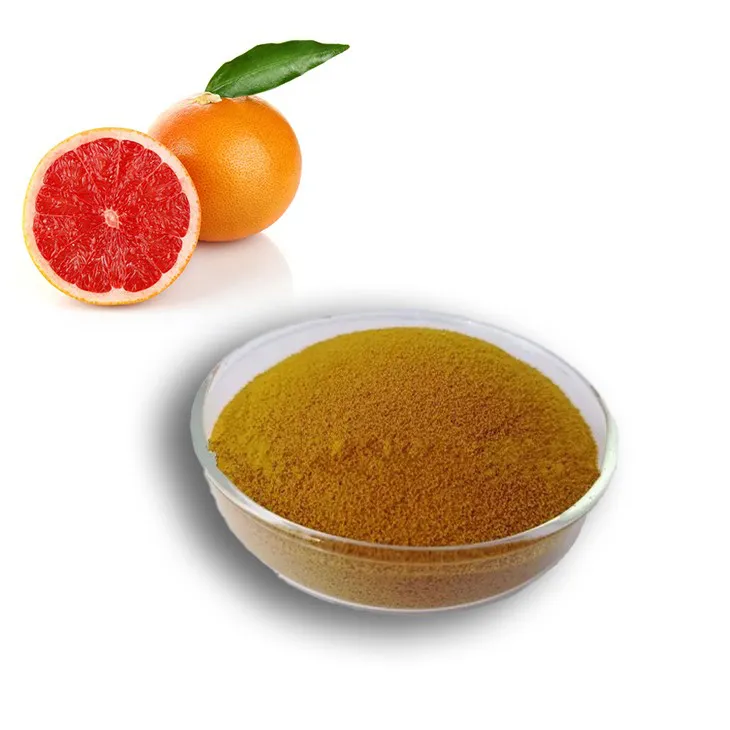
Grapefruit Seed Extract Powder
2026-08-15
-
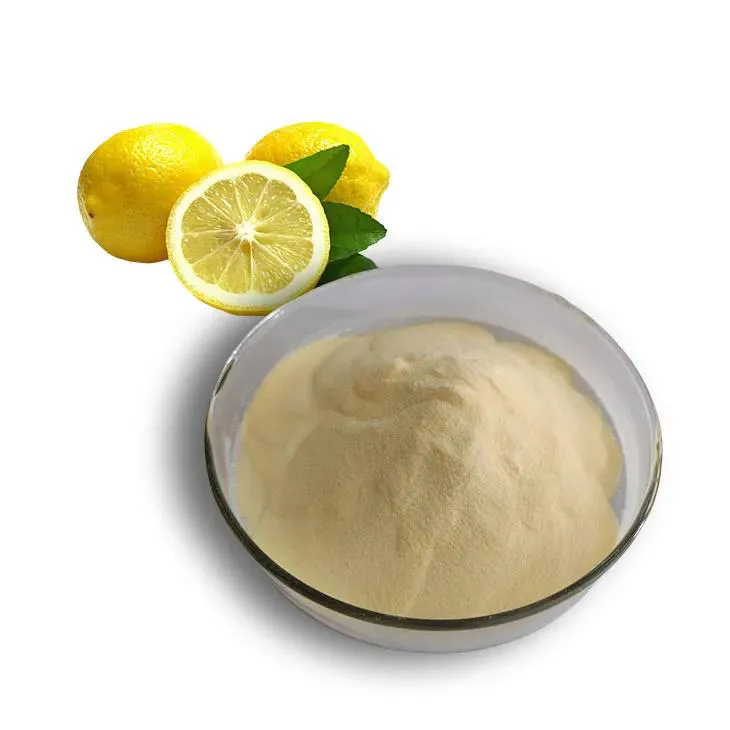
Lemon Juice Powder
2026-08-15
