- 0086-571-85302990
- [email protected]






How is senna leaf extract standardized?
2026-08-14
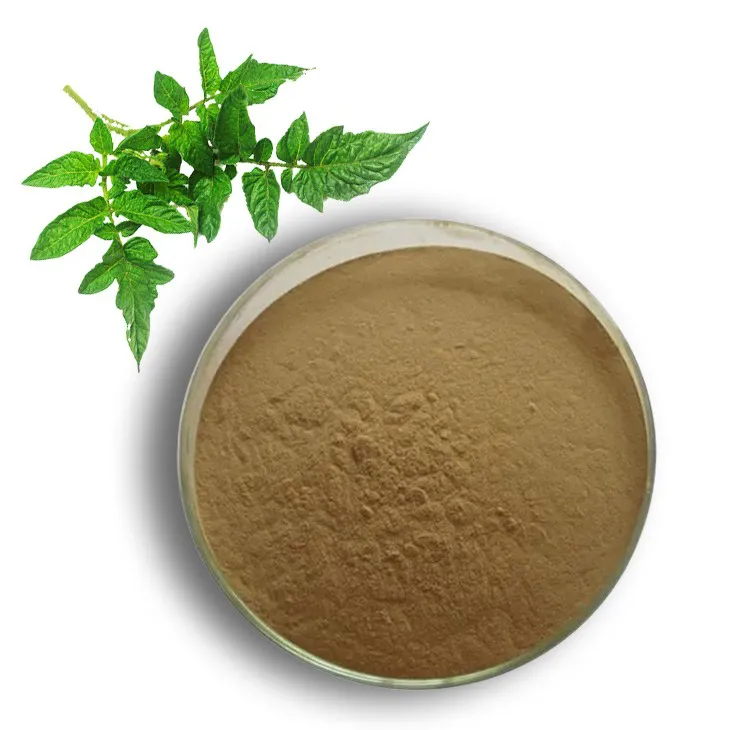
Senna Leaf Extract is one of the most widely used botanical ingredients in the laxative and digestive health market, and its commercial value depends almost entirely on one thing: a consistent level of sennosides. But how exactly is Senna Leaf Extract standardized, and why does it matter so much to formulators, supplement brands, and OTC manufacturers? This article walks through the science behind the process.
What Does "Standardized" Mean for a Plant Extract?
In the botanical industry, standardization means adjusting and verifying a batch of extract so that it contains a defined, consistent level of one or more active marker compounds. For Senna Leaf Extract, the markers are the sennosides, a group of hydroxyanthracene glycosides found naturally in the leaves of Senna alexandrina, also known as Cassia angustifolia. Instead of selling a powder whose potency varies from harvest to harvest, a standardized extract is blended and tested until every batch falls within the agreed specification. This is the same principle that applies across the wider plant extract industry, where marker-based specifications have become the norm for quality assurance.
Sennosides A and B: The Markers That Matter
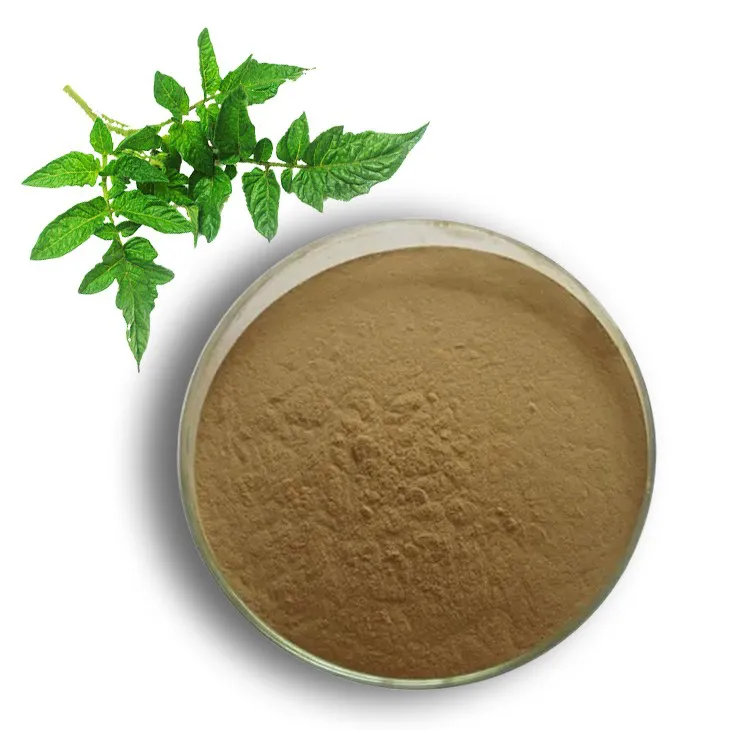
The laxative activity of senna comes mainly from sennosides A and B, which are converted by gut bacteria into rhein anthrone, the compound that stimulates intestinal motility. Because these two molecules drive the product's effect, they are the primary targets of standardization. Most commercial senna leaf extracts are labeled by their total sennoside content, for example 8%, 10%, 20%, or even 60% sennosides (A+B). The higher the specification, the more concentrated the active fraction and the smaller the dose needed in a finished product.
How the Extract Is Made
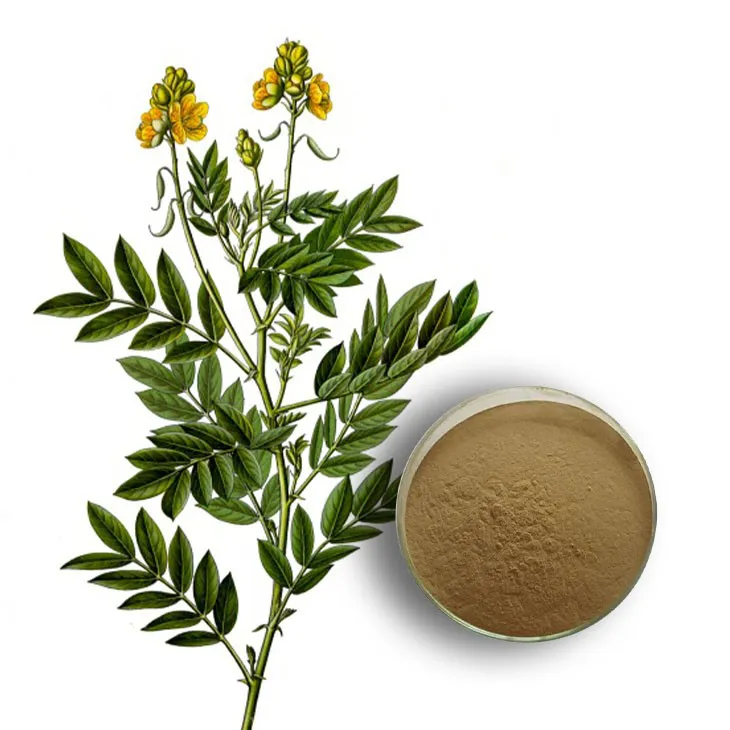
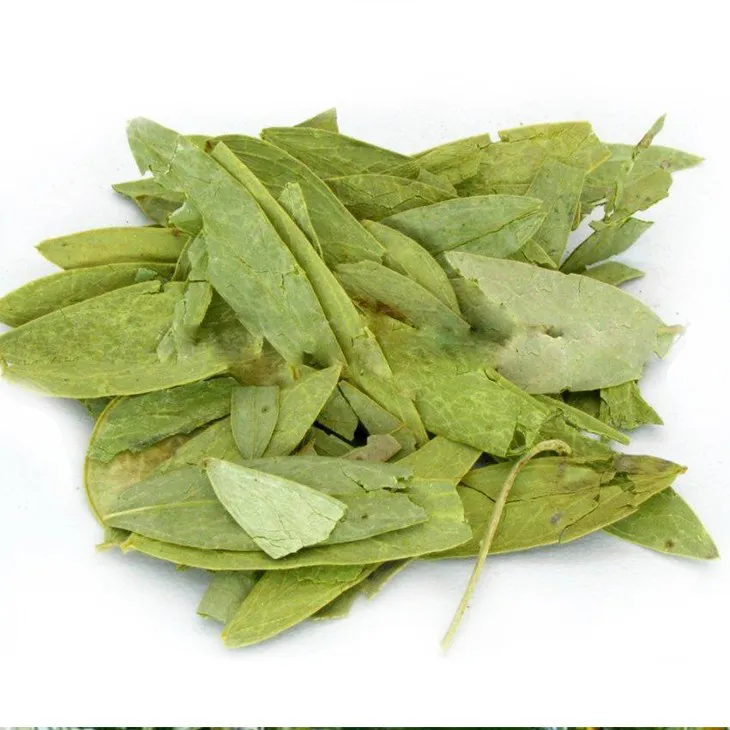
Standardization begins at the source. Senna leaves are harvested, dried, and milled before being extracted with a suitable solvent, typically aqueous ethanol in the 50-80% range. The crude extract is then concentrated and purified, and the concentration of sennosides is measured. If a batch comes in above the target, it can be blended with lower-potency material; if it falls short, it is reprocessed or rejected. This blending step is what turns a variable natural material into a reliable industrial ingredient.
Testing: HPLC Is the Industry Standard
The analytical backbone of standardization is high-performance liquid chromatography (HPLC). HPLC separates the individual sennosides and quantifies them against certified reference standards, giving manufacturers an accurate picture of sennoside A and B content in every batch. Pharmacopoeias rely on this technique: the European Pharmacopoeia specifies that a standardized senna dry extract must contain between 5.5% and 8.0% hydroxyanthracene glycosides calculated as sennoside B, while the Japanese Pharmacopoeia describes an HPLC method for senna leaf. Thin-layer chromatography (TLC) is often used alongside HPLC as a quick identity check, and newer techniques such as quantitative NMR are emerging for research and stability work.
Why Standardization Matters to Buyers
For a supplement brand or pharmaceutical manufacturer, standardized senna leaf extract is not a luxury, it is a requirement. Consistent sennoside levels mean consistent dosing, predictable efficacy, and clean regulatory documentation. They also protect the finished product from batch-to-batch variation that can lead to under-dosing or, worse, an unexpectedly strong laxative effect. When you source from a manufacturer with in-house laboratories and full batch testing, you get the traceability that regulators and quality teams expect.
Sourcing Standardized Senna Leaf Extract
Greensky is a professional manufacturer and exporter of senna leaf extract, produced from Senna alexandrina leaves and available in standardized sennoside specifications including 20% and 60%. Every batch is tested by HPLC and TLC, and the company's 100,000-class clean production area and independent laboratory support consistent quality for pharmaceutical, dietary supplement, and herbal remedy applications. As a plant extract supplier with more than 20 years of experience, Greensky can also provide the export documentation needed for global regulatory submissions.
If you are developing a laxative, colon-cleansing, or digestive health product and need a reliable source of standardized senna leaf extract, contact Greensky at [email protected] to discuss your specification.
- ▶ Hesperidin
- ▶ Citrus Bioflavonoids
- ▶ Plant Extract
- ▶ lycopene
- ▶ Diosmin
- ▶ Grape seed extract
- ▶ Sea buckthorn Juice Powder
- ▶ Fruit Juice Powder
- ▶ Hops Extract
- ▶ Artichoke Extract
- ▶ Mushroom extract
- ▶ Astaxanthin
- ▶ Green Tea Extract
- ▶ Curcumin
- ▶ Horse Chestnut Extract
- ▶ Other Product
- ▶ Boswellia Serrata Extract
- ▶ Resveratrol
- ▶ Marigold Extract
- ▶ Grape Leaf Extract
- ▶ New Product
- ▶ Aminolevulinic acid
- ▶ Cranberry Extract
- ▶ Red Yeast Rice
- ▶ Red Wine Extract
- ▶ blog
-
Beta Carotene
2026-08-14
-
Senna Leaf Extract
2026-08-14
-
Soy Extract
2026-08-14
-
Phellodendron Extract
2026-08-14
-
Medicinal Marshmallow Extract
2026-08-14
-
Apricot Powder
2026-08-14
-
Pueraria Lobata Extract
2026-08-14
-
Kupilu Extract
2026-08-14
-
Propolis Extract Powder
2026-08-14
-
Green Tea Extract
2026-08-14
