- 0086-571-85302990
- [email protected]




How is selenium yeast used in supplements?
2026-08-15
Selenium is an essential trace mineral that the human body relies on for antioxidant defense, immune function, and normal thyroid hormone metabolism. It is a key building block of selenoproteins, including the glutathione peroxidases that help protect cells from oxidative damage. Yet selenium is not something the body can make on its own, and soil levels vary widely from region to region, which means dietary intake is often lower than it should be. That is why selenium supplements have become a staple of the health market. Among the many forms on the shelf, selenium yeast is one of the most widely used and best absorbed. But how exactly is it used in supplements? This article walks through the common formats, the reasons manufacturers choose it, and what to look for when sourcing this ingredient.
What is Selenium yeast?
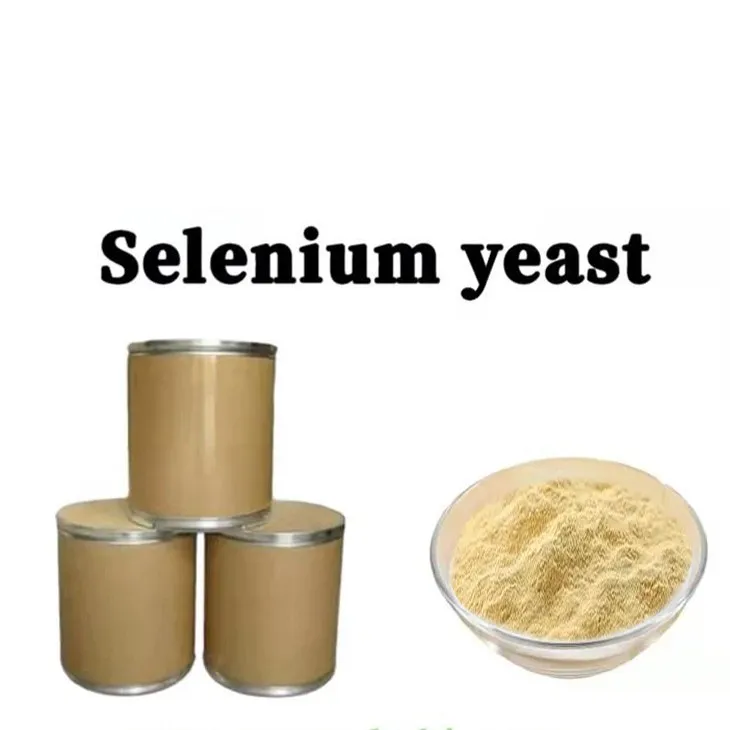
Selenium yeast is produced by fermenting Saccharomyces cerevisiae, the same yeast used in baking and brewing, in a culture medium that is enriched with selenium. During fermentation, the living yeast cells take up inorganic selenium and convert it into organic forms, predominantly selenomethionine. Because selenomethionine is structurally very similar to the amino acid methionine, the human body recognizes it and absorbs it through normal amino acid transport pathways rather than treating it as a foreign mineral salt.
This distinction matters. Inorganic sources such as sodium selenite and sodium selenate have a long history of use, but they are absorbed less efficiently and have a narrower safety margin. Organic selenium from yeast, by contrast, is generally more bioavailable and better tolerated, which is why it has become the preferred form in most premium supplement formulations.
Common supplement formats
Selenium yeast is remarkably versatile and appears in a wide range of finished products. The most common formats include:
Capsules and tablets. This is the classic format and the easiest way to deliver a precise, standardized dose. Most selenium yeast capsules provide between 50 and 200 micrograms of selenium per serving, and they are frequently combined with vitamin E, zinc, or other trace minerals to support antioxidant and immune function.
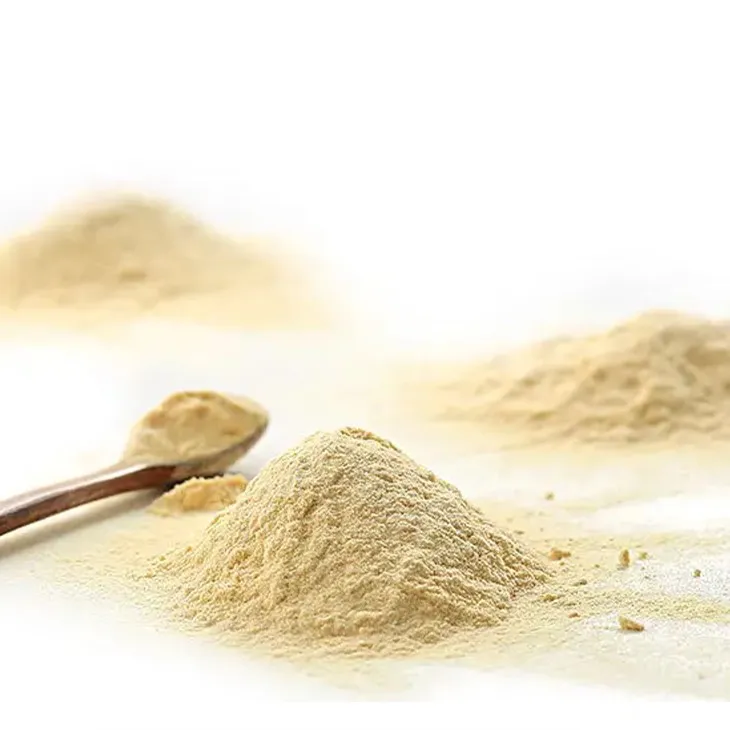
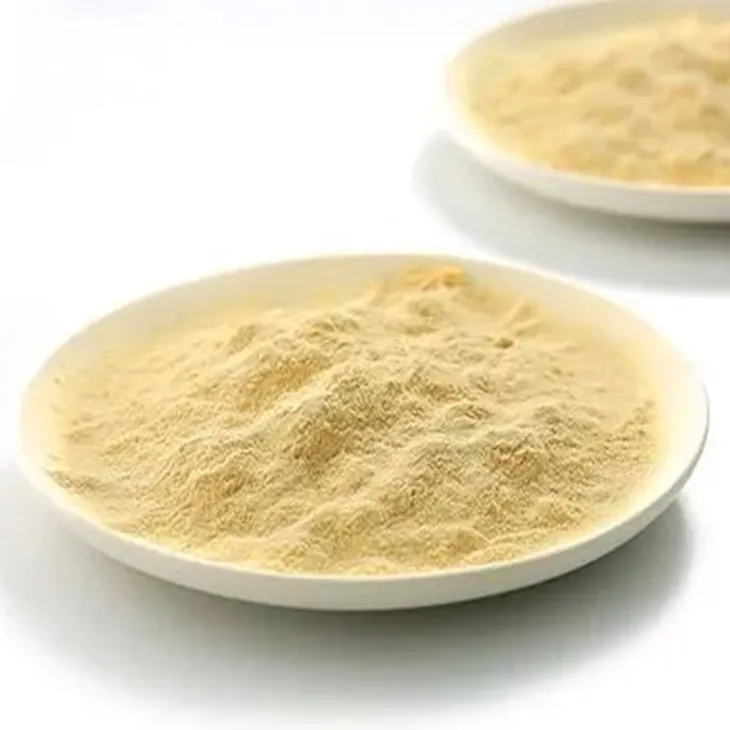
Powders. Selenium yeast powder mixes easily into protein shakes, smoothies, juices, or plain water. It is a popular ingredient in sports nutrition products, where it is often paired with branched-chain amino acids and carbohydrates for post-workout recovery.
Fortified foods and beverages. Because selenium yeast is food-based and fermentation-derived, it fits naturally into fortified milk powder for middle-aged and elderly consumers, breakfast cereals, nutrition bars, and functional drinks. In many Asian markets, selenium-enriched milk powder is a well-established daily wellness product.
Multivitamin and multimineral formulas. Selenium yeast is a common ingredient in daily multivitamins, where it contributes to the antioxidant and immune-support profile of the formula alongside vitamins C and E and zinc.
Animal nutrition. Beyond human supplements, selenium yeast is widely used in livestock, poultry, and aquaculture feed to improve animal health and the selenium content of meat, eggs, and dairy.
Why manufacturers choose selenium yeast
There are several practical reasons why formulators reach for selenium yeast rather than inorganic selenium salts. First, its higher bioavailability means a smaller dose can achieve the same effect, which improves both efficacy and cost efficiency. Second, the organic form has a better safety profile, reducing the risk of toxicity that can accompany high intakes of inorganic selenium. Third, selenium yeast fits the clean-label trend: it is fermentation-derived and food-based rather than chemically synthesized, which resonates with consumers who want natural ingredients. Finally, selenium yeast is stable in finished products and can be standardized to a consistent selenium content, which is essential for reliable supplement manufacturing.
Dosage and safety considerations
Typical supplemental doses of selenium range from about 50 to 200 micrograms per day for adults, which comfortably covers the recommended daily intake while staying well below established upper limits. Because selenium yeast delivers selenium in a controlled, organic form, it allows formulators to standardize the dose precisely and label it accurately. As with any mineral, the key is balance: adequate intake supports health, while excessive intake should be avoided. Reputable manufacturers provide certificates of analysis that document the actual selenium content and confirm the absence of contaminants.
Sourcing quality selenium yeast
For supplement brands and food manufacturers, the quality of the raw ingredient determines the quality of the finished product. Working with an experienced plant extract supplier that can document the origin, production process, and analytical results of its selenium yeast is essential. A reliable plant extract manufacturer should be able to provide consistent specifications, batch-to-batch stability, and the regulatory documentation needed for export to Europe, the United States, and other major markets.
Greensky, a professional manufacturer of natural plant extracts and health product raw materials based in Hangzhou, China, produces selenium yeast alongside a broad catalog of botanical extracts. The company operates its own production facilities with a 100,000-class clean area, maintains an independent laboratory equipped with GC, HPLC, and UV instruments for quality control, and holds certifications including ISO22000, BRCGS, HALAL, and Kosher. With over 20 years of experience and export markets across Europe, the United States, South Korea, and Russia, Greensky provides the traceability and documentation that supplement manufacturers need to bring a reliable selenium product to market.
Conclusion
Selenium yeast is one of the most practical and effective ways to deliver this essential mineral in supplements. From capsules and tablets to powders, fortified foods, and multivitamins, its high bioavailability, clean-label appeal, and ease of standardization make it a favorite among formulators. Whether you are developing a new supplement line or reformulating an existing one, choosing a high-quality, well-documented selenium yeast from a trusted manufacturer is the first step toward a product consumers can rely on.
TAGS:
- ▶ Hesperidin
- ▶ Citrus Bioflavonoids
- ▶ Plant Extract
- ▶ lycopene
- ▶ Diosmin
- ▶ Grape seed extract
- ▶ Sea buckthorn Juice Powder
- ▶ Fruit Juice Powder
- ▶ Hops Extract
- ▶ Artichoke Extract
- ▶ Mushroom extract
- ▶ Astaxanthin
- ▶ Green Tea Extract
- ▶ Curcumin
- ▶ Horse Chestnut Extract
- ▶ Other Product
- ▶ Boswellia Serrata Extract
- ▶ Resveratrol
- ▶ Marigold Extract
- ▶ Grape Leaf Extract
- ▶ New Product
- ▶ Aminolevulinic acid
- ▶ Cranberry Extract
- ▶ Red Yeast Rice
- ▶ Red Wine Extract
- ▶ blog
-
Wheat Germ Extract
2026-08-15
-
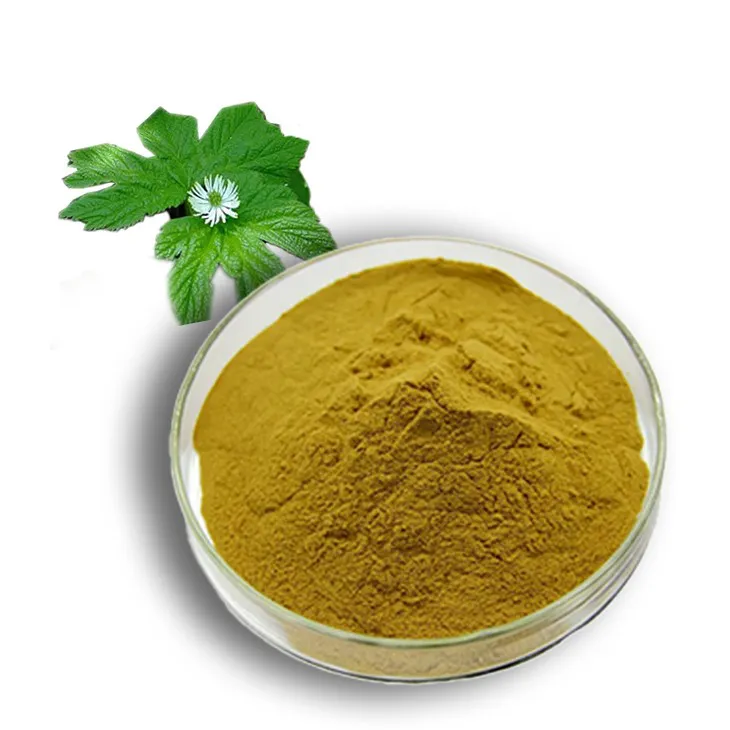
Golden Seal Extract
2026-08-15
-
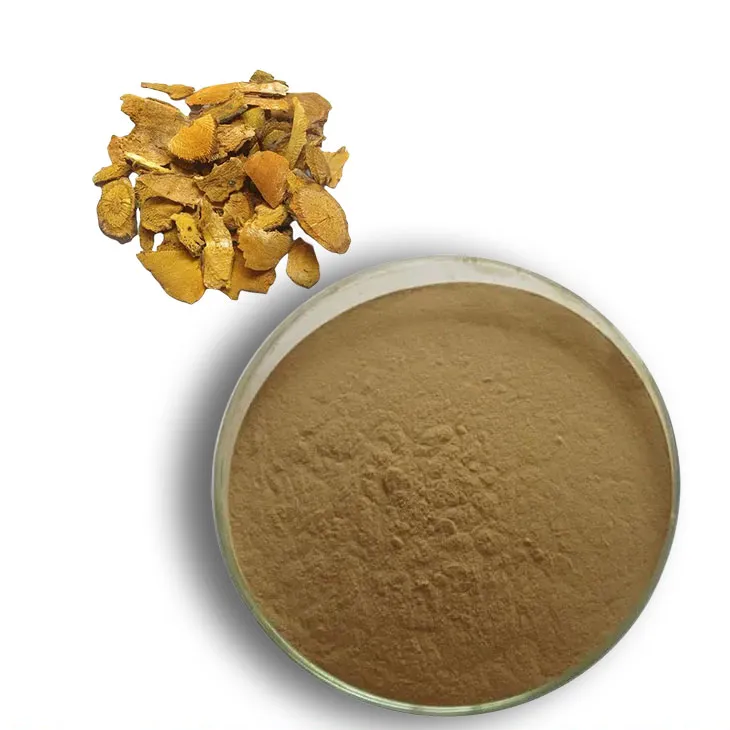
Polygonum Cuspidatum Extract
2026-08-15
-
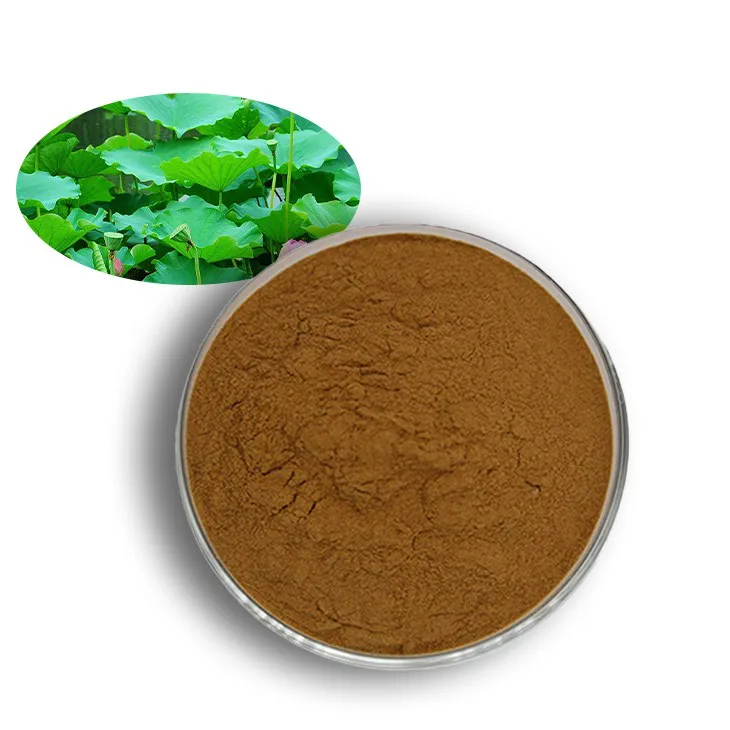
Lotus leaf extract
2026-08-15
-
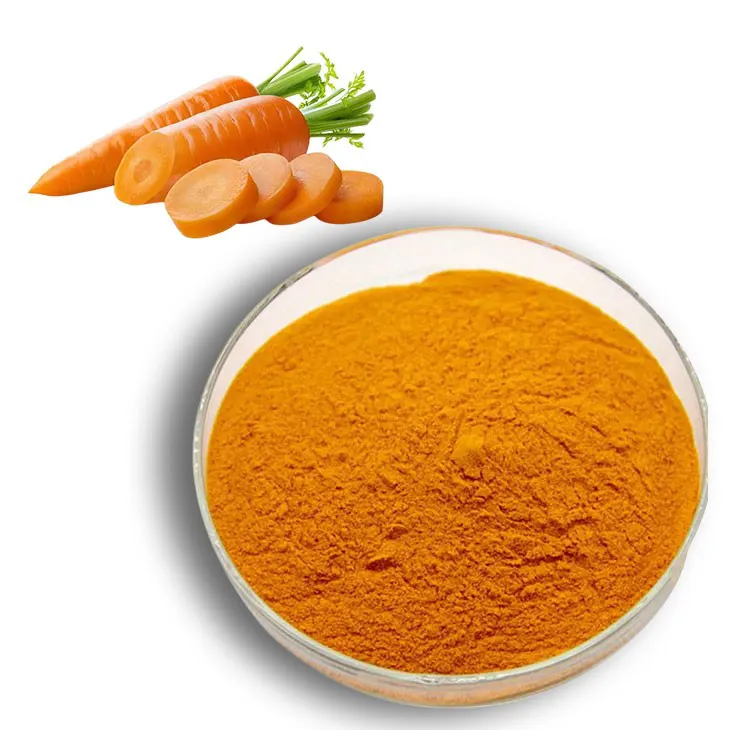
Beta Carotene
2026-08-15
-
Cassia Seed Extract
2026-08-15
-
Nettle Root Extract
2026-08-15
-
Hesperidin
2026-08-15
-
Apricot Powder
2026-08-15
-
Almond Extract Powder
2026-08-15