- 0086-571-85302990
- [email protected]






How is organic curcumin powder made?
2026-08-13
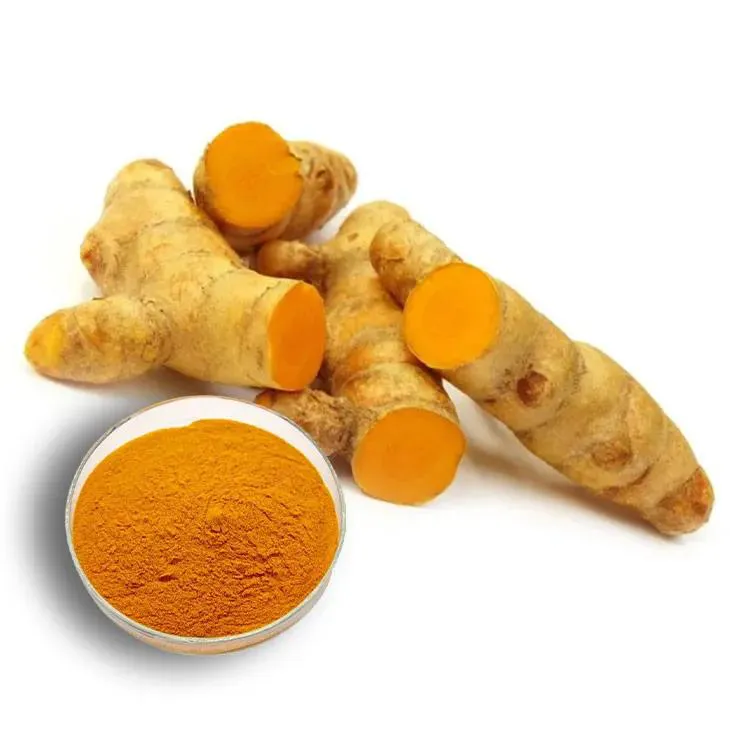
Organic Curcumin powder is one of the most popular botanical ingredients in the supplement and functional food industries, prized for its antioxidant and anti-inflammatory properties. But behind every clean, bright-orange powder lies a carefully controlled manufacturing process that turns raw turmeric roots into a standardized, high-purity extract. Understanding how organic Curcumin powder is made helps buyers evaluate quality, verify claims, and choose a reliable Curcumin Manufacturer.
What is organic Curcumin powder?
Curcumin is the principal active compound found in the rhizome of Curcuma longa, the plant commonly known as turmeric. It belongs to a family of compounds called curcuminoids, which also include demethoxycurcumin and bisdemethoxycurcumin. When a product is labeled "organic," it means the turmeric was grown without synthetic pesticides or chemical fertilizers and was processed in facilities that meet certified organic standards. The result is a concentrated powder that typically contains a standardized level of curcumin, most often around 95 percent.
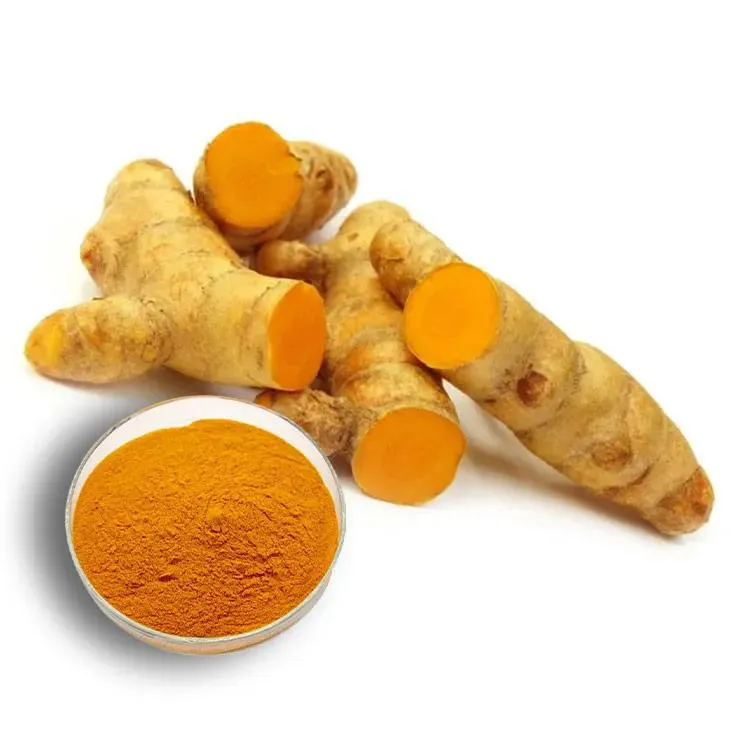
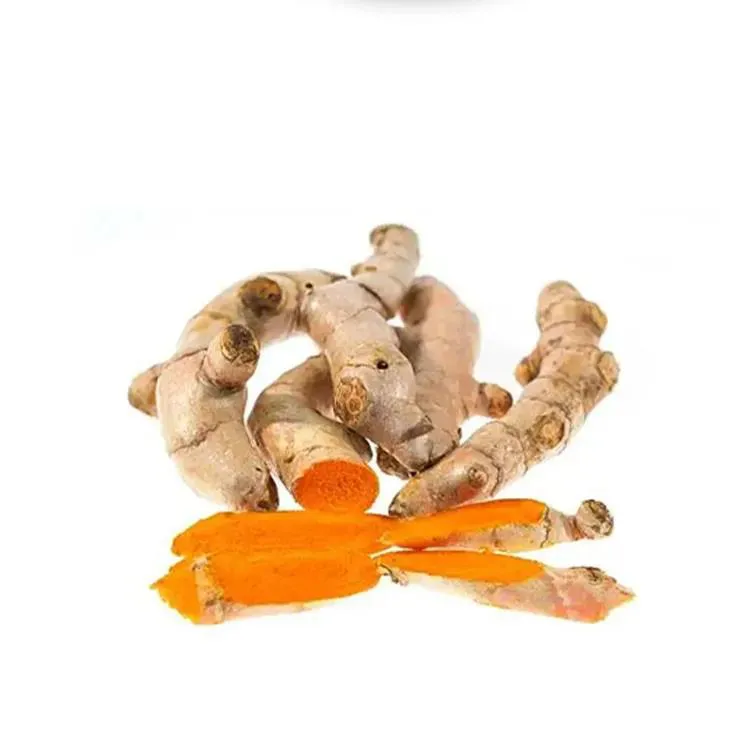
Step 1: Sourcing and preparing organic turmeric
The process begins with selecting high-quality organic turmeric rhizomes. The turmeric is harvested, cleaned, and dried before being milled into a fine raw powder. Because the curcumin content of turmeric can vary depending on the origin and growing conditions, reputable manufacturers carefully screen their raw material and test it before production begins. This initial quality check ensures that the finished organic curcumin powder meets consistent specifications batch after batch.
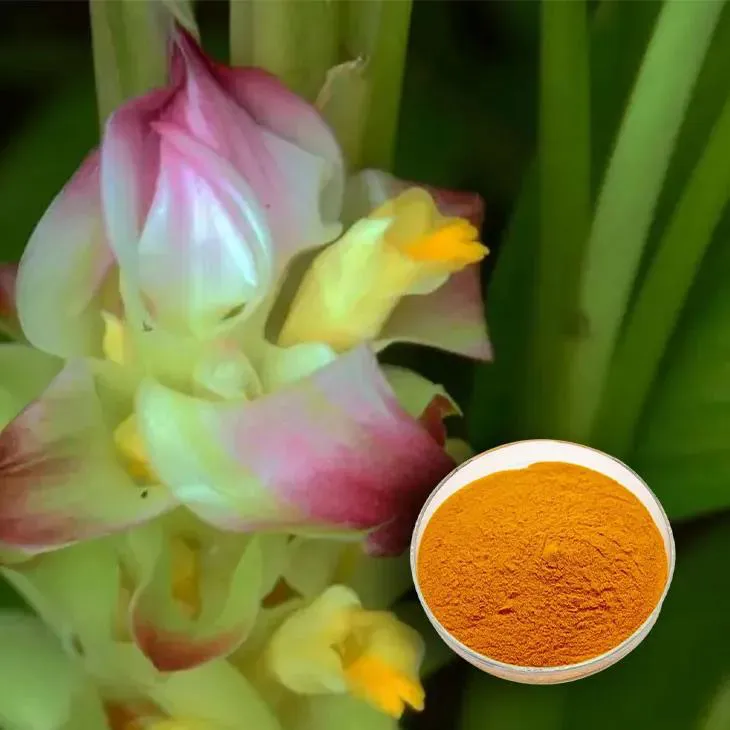
Step 2: Extraction
Curcumin is not easily soluble in water, so it must be drawn out of the plant material using a suitable extraction method. The two most common commercial approaches are solvent extraction and supercritical carbon dioxide extraction.
In solvent extraction, the turmeric powder is mixed with a food-grade solvent such as ethanol, which dissolves the curcuminoids. Ethanol is widely preferred because it is safe for food applications and leaves no harmful residue when properly removed. In supercritical CO2 extraction, pressurized carbon dioxide acts as the solvent at controlled temperature and pressure. This method is prized for producing a clean extract without residual organic solvents, which makes it especially attractive for premium organic products.
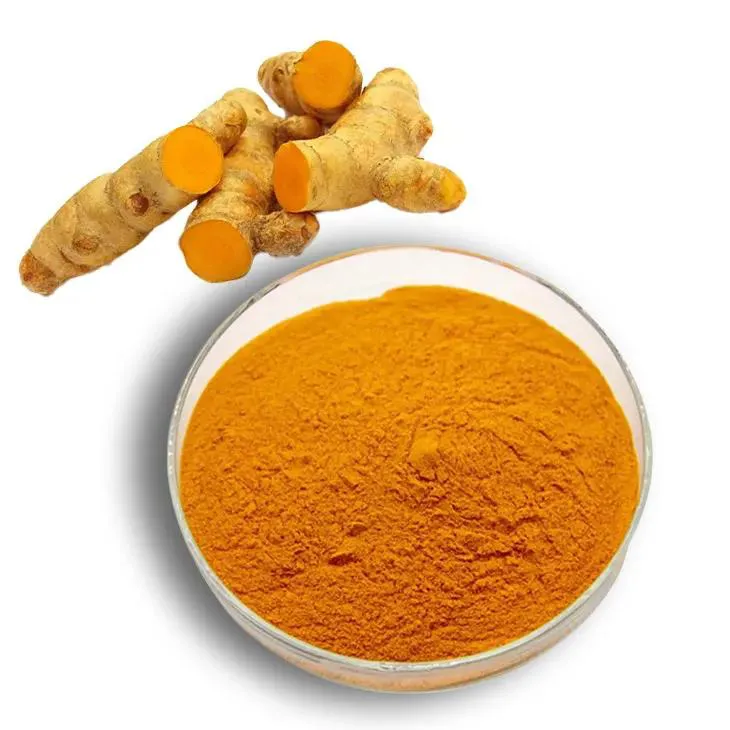
Step 3: Purification and concentration
Once the curcumin has been extracted, the crude liquid is purified to remove plant fibers, waxes, and other unwanted compounds. Techniques such as filtration, separation, and concentration are used to isolate the curcuminoids and raise their purity. In a well-equipped facility, this stage relies on equipment like multi-functional extraction tanks, high-efficiency low-temperature concentrators, and separation columns to protect the active compounds from heat damage while concentrating the extract.
Step 4: Drying into powder
The purified concentrate is then dried to produce a fine, free-flowing powder. Spray drying is the most common method because it is fast and produces a uniform particle size. Some manufacturers also use vacuum drying to preserve heat-sensitive compounds. The drying stage is critical, because excessive heat can degrade curcumin and reduce the potency of the final product.
Step 5: Quality control and testing
Quality control is what separates a dependable supplier from an unreliable one. Finished organic curcumin powder should be tested for curcumin content, heavy metals, microbial contamination, and residual solvents. Many manufacturers use high-performance liquid chromatography (HPLC) to verify the active compound level and confirm that the product matches its label claim. Certifications such as ISO22000, BRCGS, Ecocert Organic, HALAL, and Kosher provide additional assurance that the powder is produced under strict food-safety and quality standards.
Why sourcing from a specialized manufacturer matters
Because organic curcumin powder is used in dietary supplements, functional foods, and health products, its purity and consistency directly affect the safety and efficacy of the end product. Working with a manufacturer that controls the entire process, from raw material selection to final testing, reduces risk and simplifies regulatory documentation. A vertically integrated producer with a dedicated laboratory and clean production area can offer both consistent quality and the export documentation needed for global markets.
If you are looking for a reliable Curcumin Supplier, it is worth choosing a partner with proven experience, recognized certifications, and transparent testing practices. Understanding how organic curcumin powder is made gives you the confidence to evaluate suppliers and select a product that meets your quality and compliance requirements.
TAGS:
- ▶ Hesperidin
- ▶ Citrus Bioflavonoids
- ▶ Plant Extract
- ▶ lycopene
- ▶ Diosmin
- ▶ Grape seed extract
- ▶ Sea buckthorn Juice Powder
- ▶ Fruit Juice Powder
- ▶ Hops Extract
- ▶ Artichoke Extract
- ▶ Mushroom extract
- ▶ Astaxanthin
- ▶ Green Tea Extract
- ▶ Curcumin
- ▶ Horse Chestnut Extract
- ▶ Other Product
- ▶ Boswellia Serrata Extract
- ▶ Resveratrol
- ▶ Marigold Extract
- ▶ Grape Leaf Extract
- ▶ New Product
- ▶ Aminolevulinic acid
- ▶ Cranberry Extract
- ▶ Red Yeast Rice
- ▶ Red Wine Extract
- ▶ blog
-
Red Wine Extract
2026-08-13
-
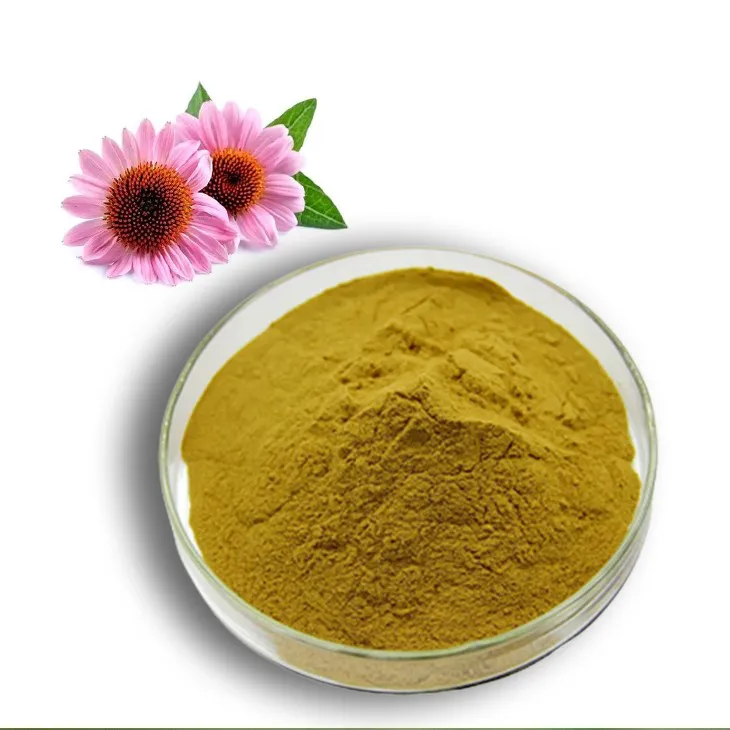
Echinacea Extract
2026-08-13
-
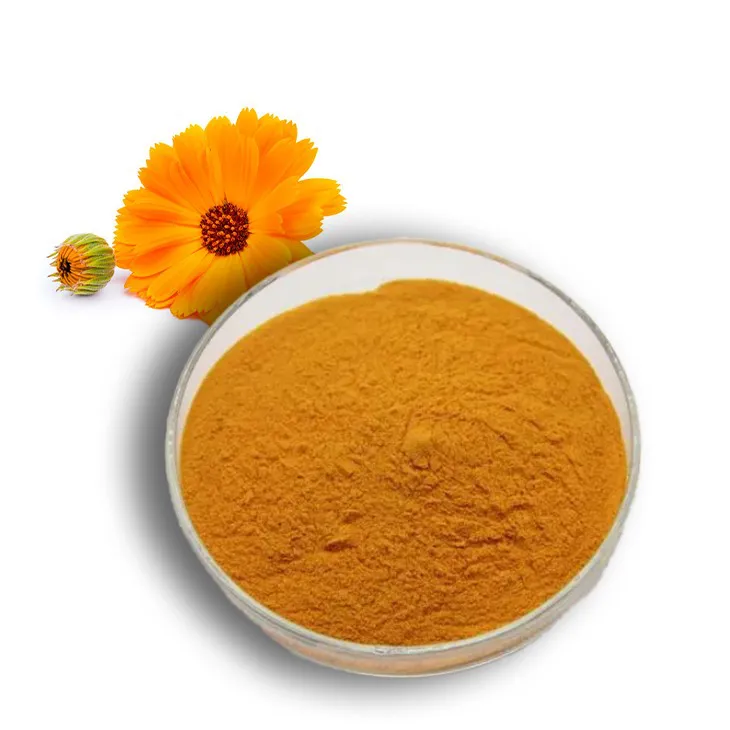
Calendula Extract
2026-08-13
-
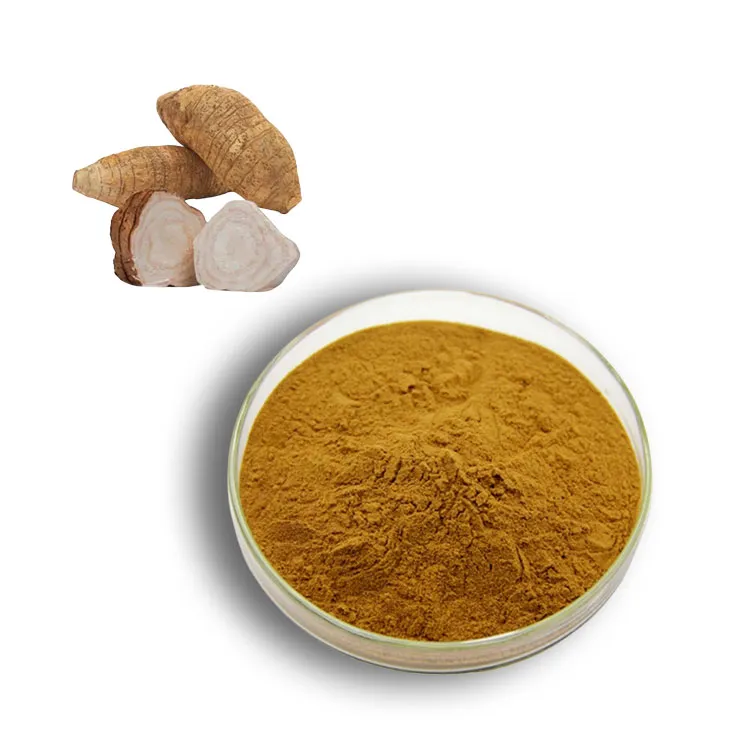
Pueraria Lobata Extract
2026-08-13
-
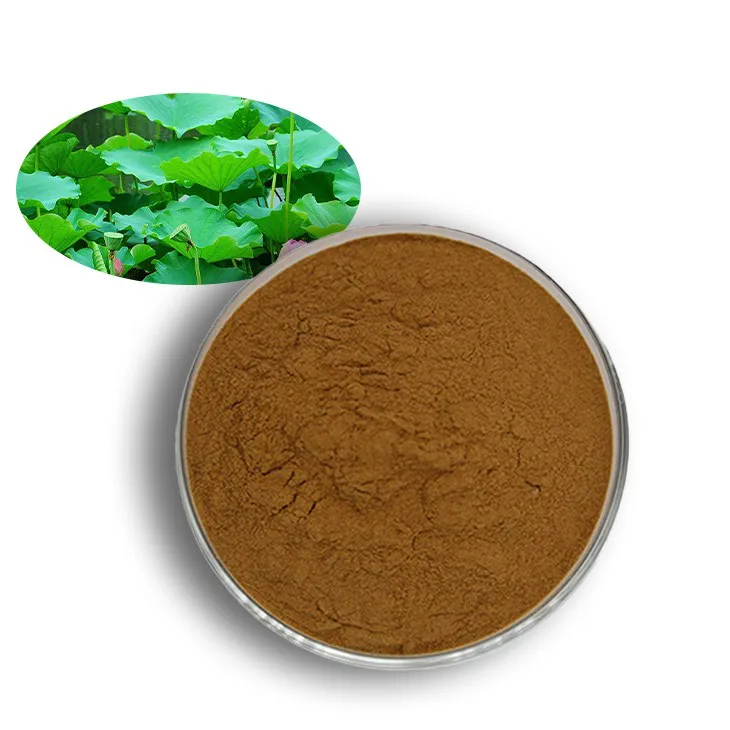
Lotus leaf extract
2026-08-13
-
Wheat Germ Extract
2026-08-13
-
Polygonum Cuspidatum Extract
2026-08-13
-
Bilberry Extract
2026-08-13
-
Carrageenan Extract Powder
2026-08-13
-
Beetroot juice Powder
2026-08-13
